


Victorian Credenza
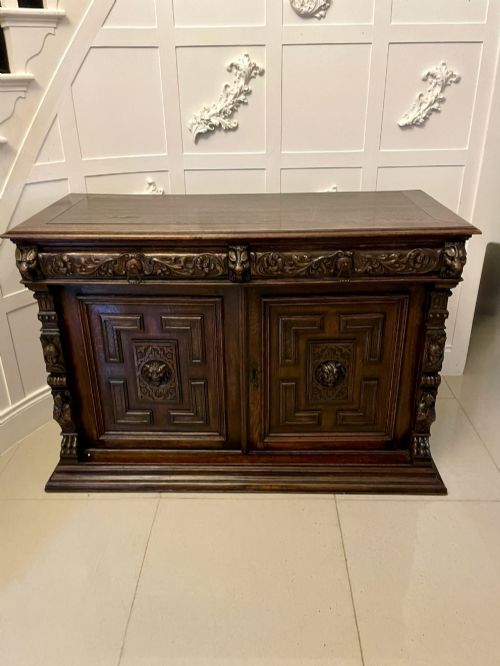
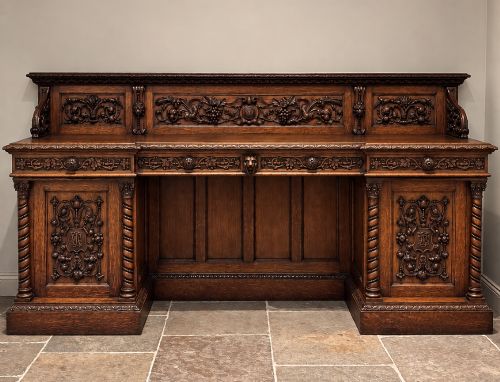
When searching for a victorian credenza, a buyer finds low-profile nineteenth-century display cabinets designed to anchor a formal parlour wall.
Victorian Credenza
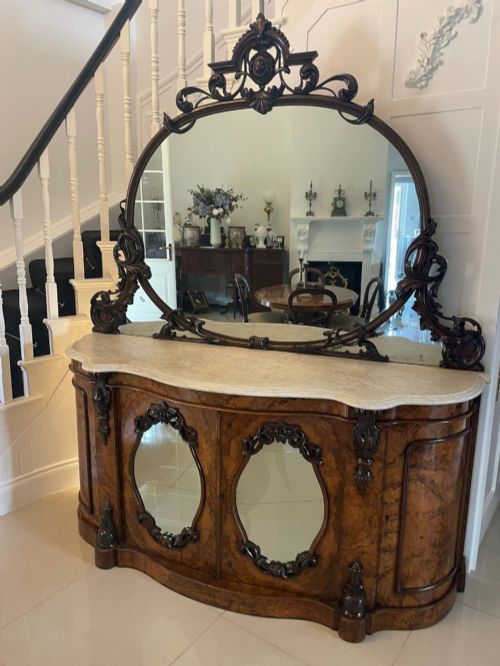
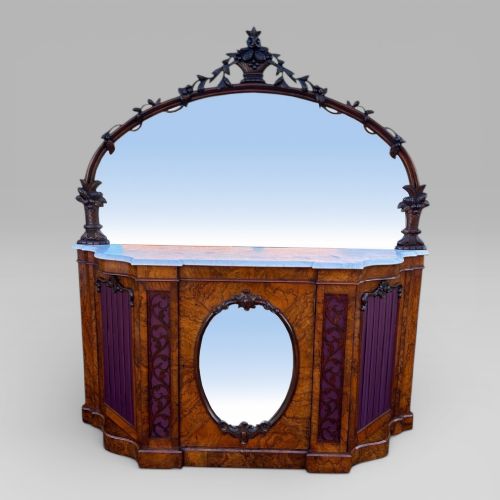
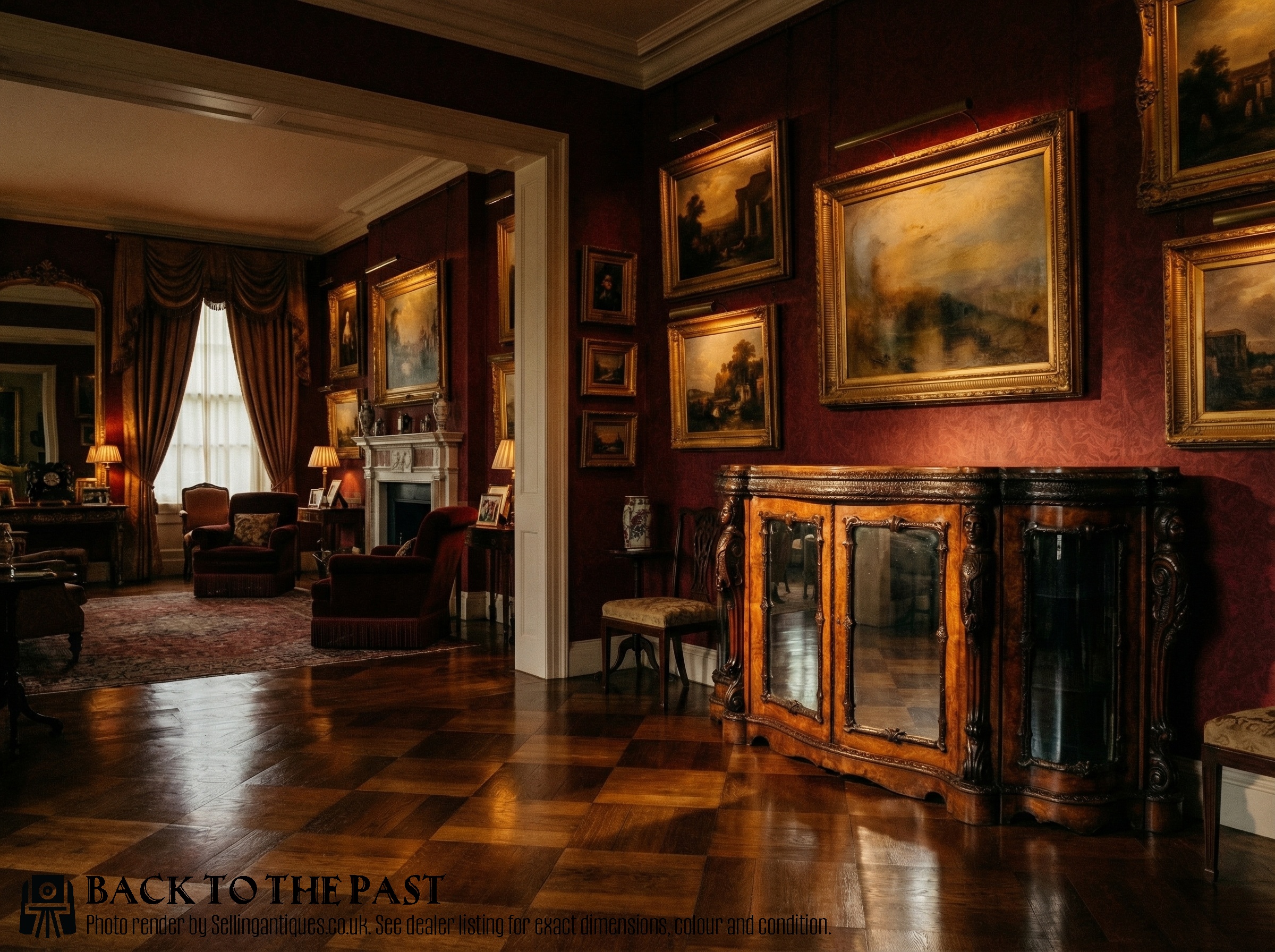
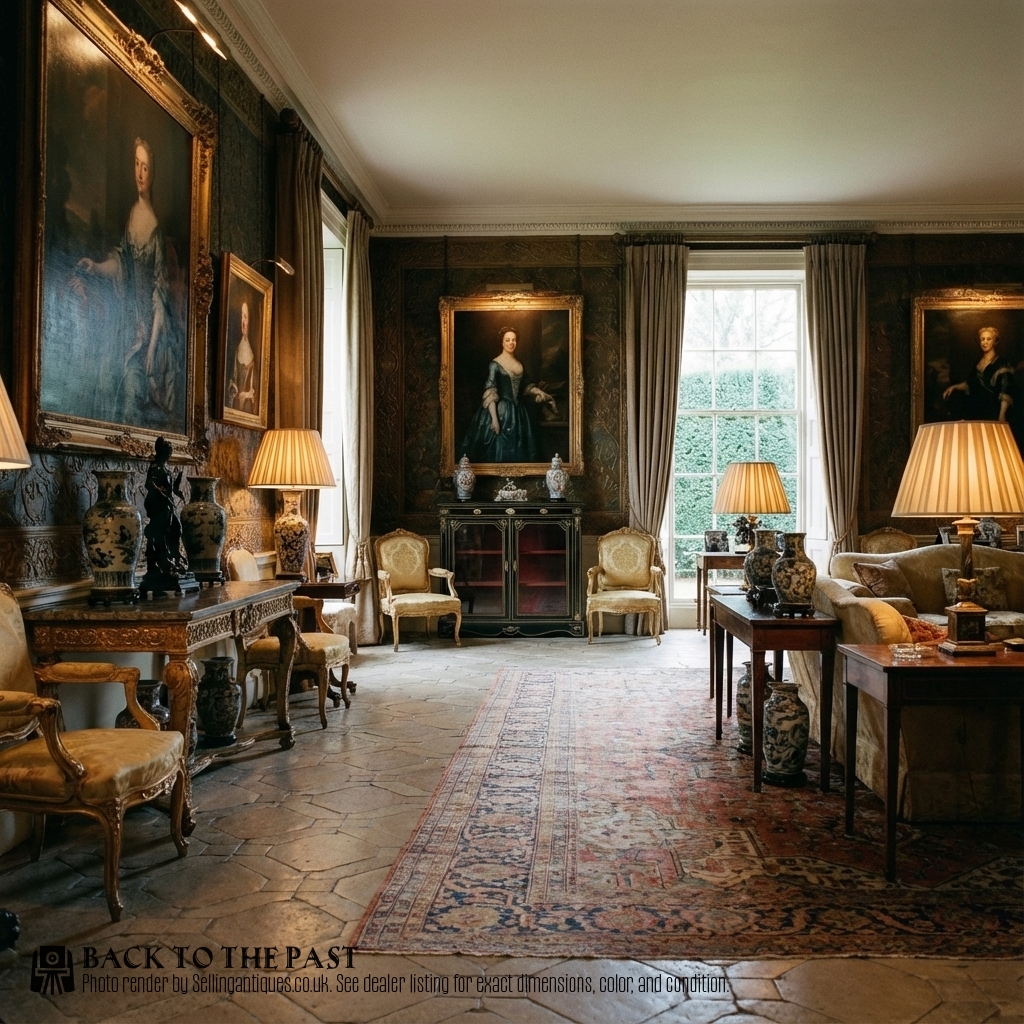
A victorian credenza is a low cabinet designed for nineteenth-century reception rooms, often paired with mirror backs or marble tops.
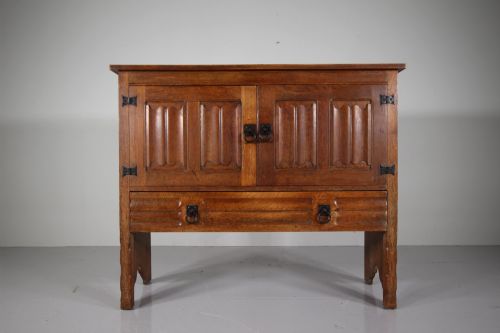
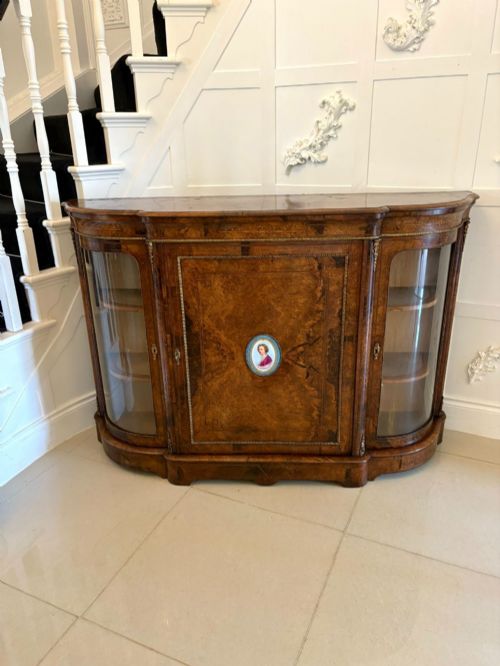
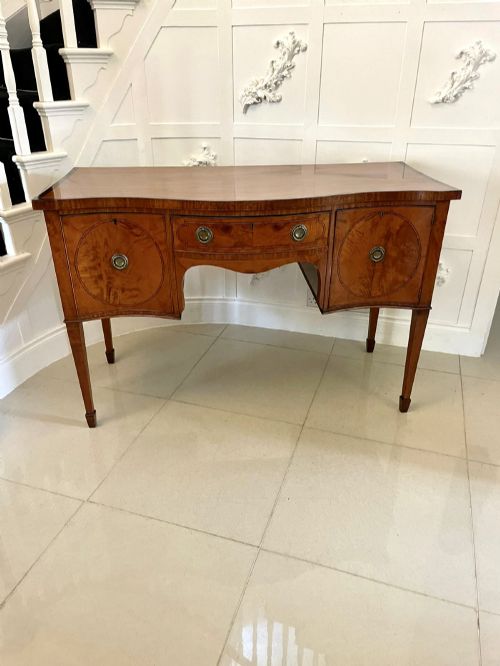
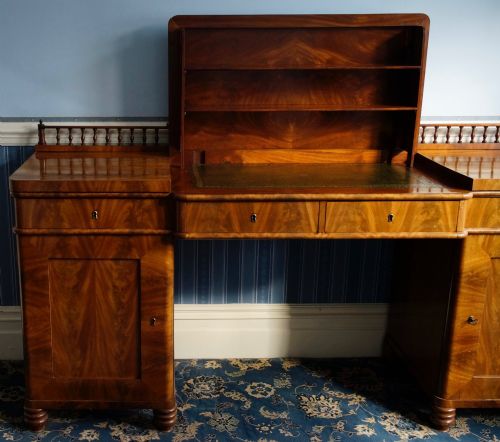
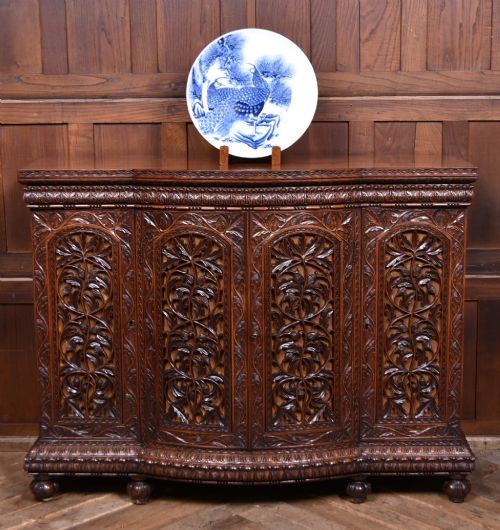
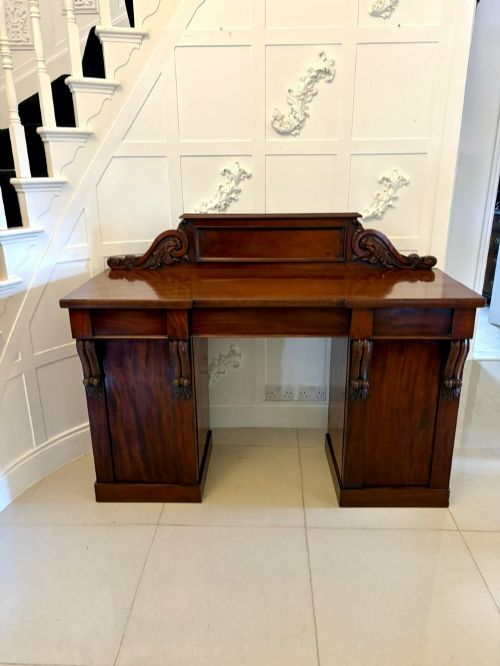
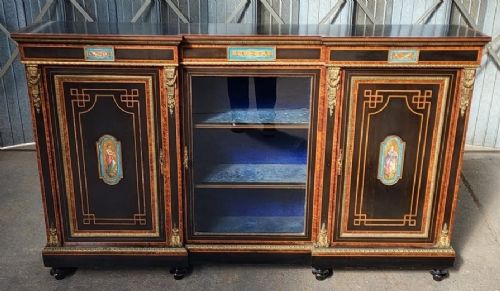
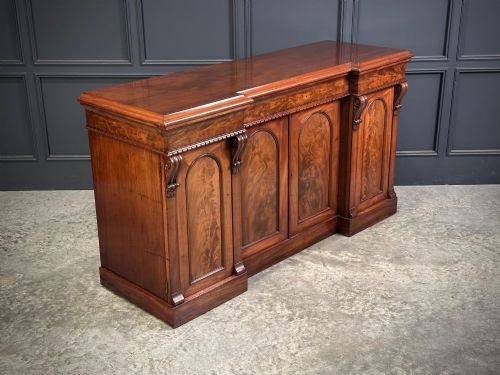
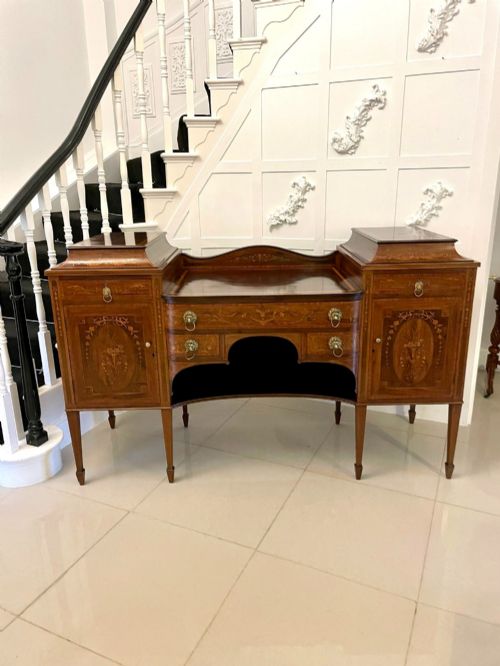
The pieces appearing in these records span the mid to late nineteenth century, predominantly taking the form of serpentine, breakfront, or straight-sided double and triple-door cabinets.
Makers drew on styles ranging from classical revival to gothic, utilising burr walnut, mahogany, and ebonised carcases.
Materials and Technique
Cabinetmakers employed dense timbers such as burr walnut, rosewood, and mahogany as foundations, often laid over secondary woods for stability.
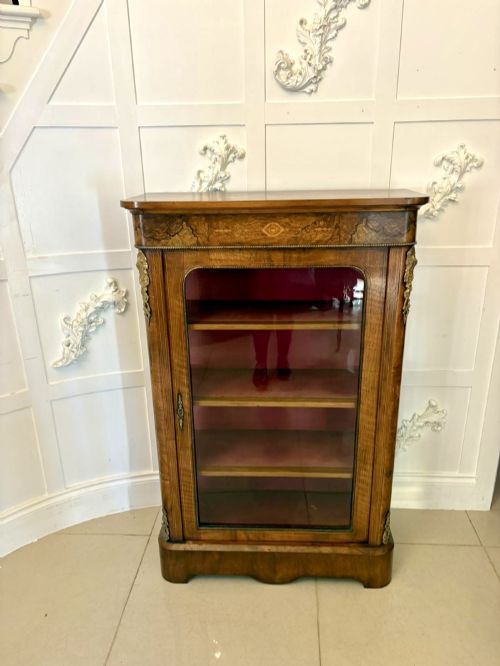
Surface decoration relied on intricate marquetry, boxwood stringing, and tortoiseshell brass boullework set into the timber.
Gilt bronze or ormolu mounts framed the doors and corners, while inset porcelain plaques and glazed central compartments completed the façade.
Victorian Credenza Retail Price Guide 2026
Typical asking prices for victorian credenza among the pieces listed under this phrase on Sellingantiques today, from the lower quarter to the upper quarter. They describe what is for sale here now, not the wider market.
Secret compartments occasionally hide behind the curved side doors of nineteenth-century credenzas.
Judging the Workmanship
The distinction between standard production and top-tier work rests on the selection of timber veneers and the precision of the hand-cut marquetry.
Heavier ormolu castings with chased detail indicate superior workshop standards compared to simpler, flat brass applications.
Internal secondary woods, door alignment, and the crispness of carved mouldings reveal the level of care invested by the original cabinetmaker.
Hewetsons London·Shoolbred Co·Gillows
The Victorian Credenza Glossary
- Credenza
- A low nineteenth-century cabinet intended for display and storage, typically featuring a glazed central door flanked by curving side cupboards.
- Marquetry
- Inlaid patterns formed by fitting contrasting wood veneers into a prepared ground. This technique creates pictorial floral motifs across the cabinet doors.
- Ormolu
- Gilded bronze mounts applied to furniture edges and corners. The metal is cast and chased to produce ornate decorative accents.
- Boullework
- An inlay technique combining brass and tortoiseshell in elaborate scrolling designs. It appears frequently on ebonised nineteenth-century pieces.
- Pier cabinet
- A narrow standing cabinet built to fit the wall space between windows. These pieces share similar decorative vocabularies with larger credenzas.
Victorian Credenza: Frequently Asked Questions
What room were these cabinets made for?
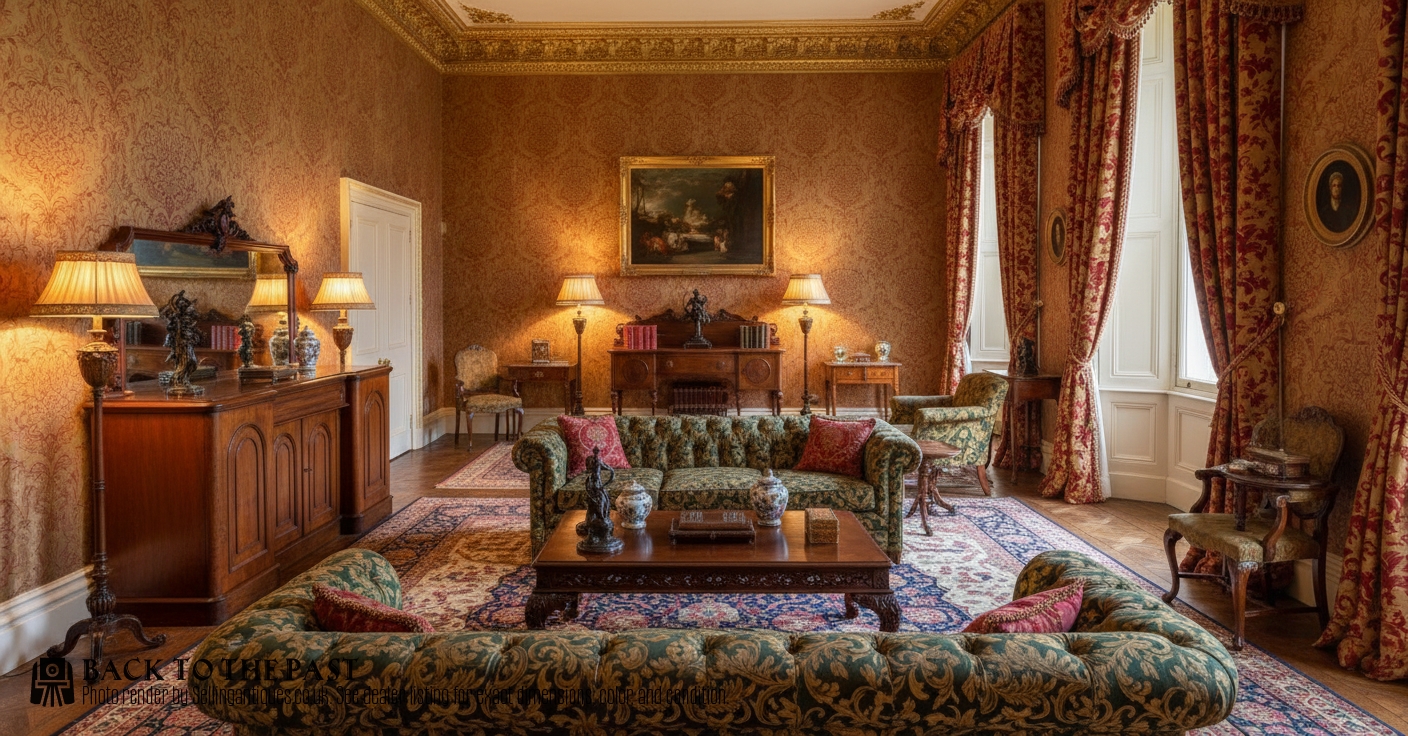
A victorian credenza was built for the formal nineteenth-century drawing room or parlour to display porcelain and ornaments.
Their low profile ensured they sat beneath wall mirrors without blocking light or obstructing views across the interior.
Were these pieces always polished black?
Ebonised finishes became popular during the nineteenth century to mimic expensive ebony and to highlight gilt bronze mounts.
Many other examples retained the natural warm tones of walnut, mahogany, or rosewood instead.
What is the difference between a sideboard and a credenza?
Sideboards generally served dining rooms for storing silver and serving food during meals.
Credenzas originated as display furniture for formal reception rooms, featuring glass doors and decorative marquetry.