
Victorian Country Side Chairs
Victorian country side chairs bring honest vernacular character to a dining room, combining robust local timbers with time-tested regional seating designs.
Victorian Country Side Chairs
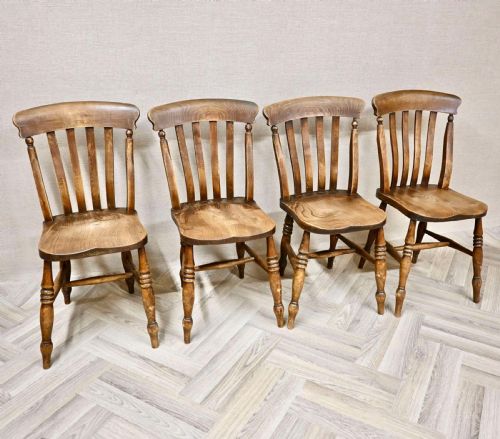
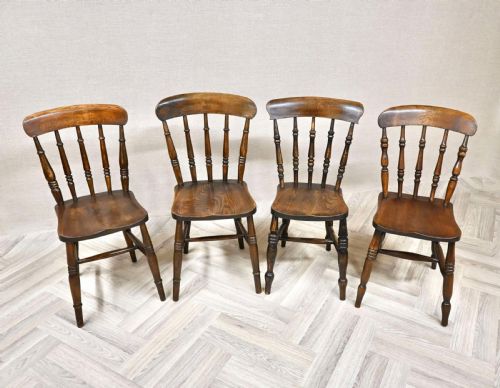
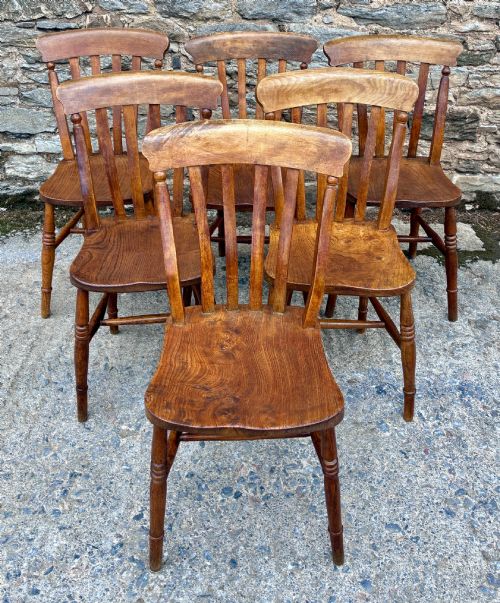
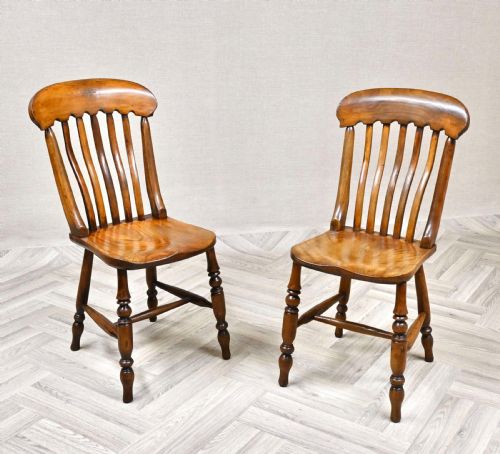
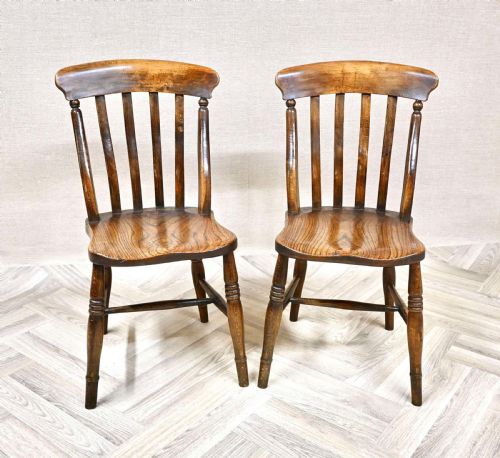
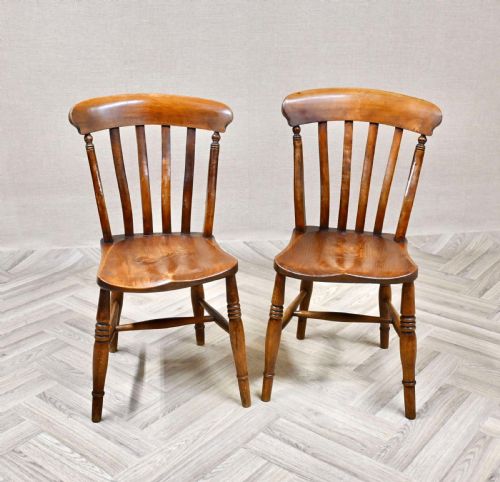
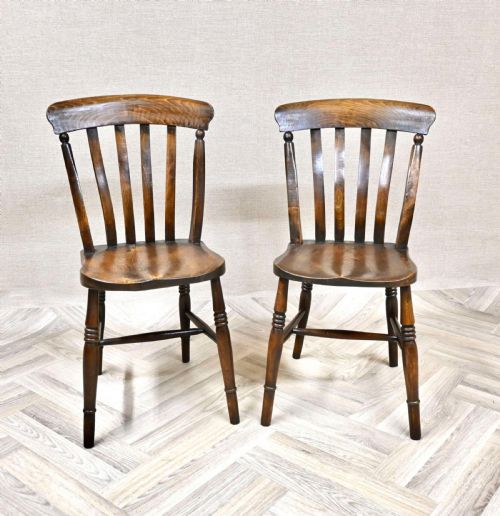
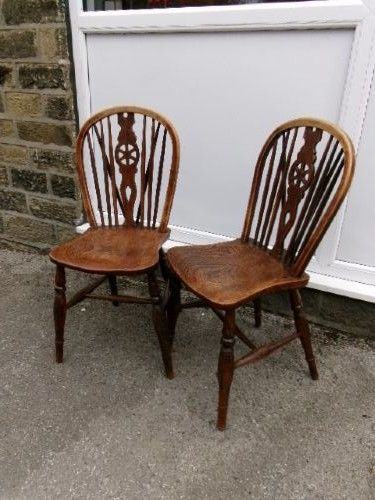
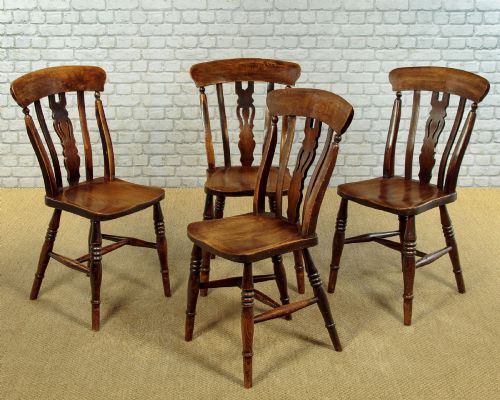
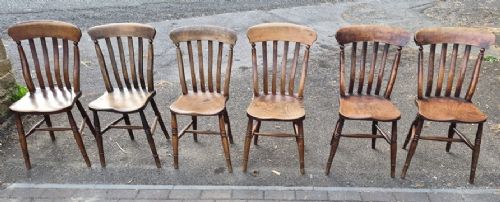
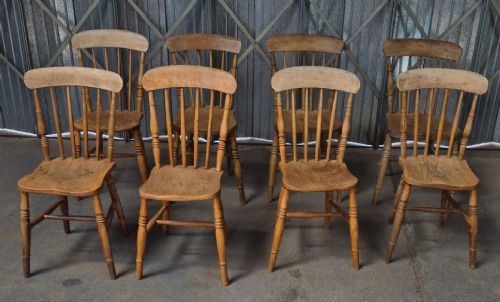
Victorian country side chairs encompass sturdy utilitarian seating produced across rural workshops during the nineteenth century. Buyers searching this phrase typically encounter Windsor forms, lathbacks, and stick backs intended for daily farmhouse and kitchen use.
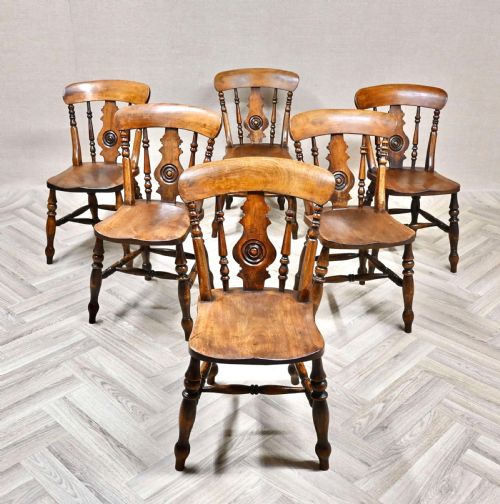
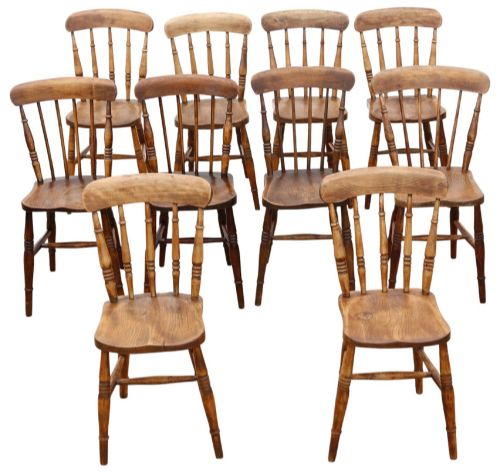
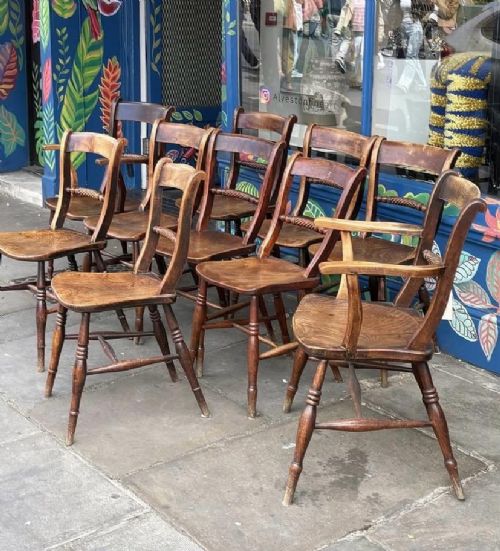
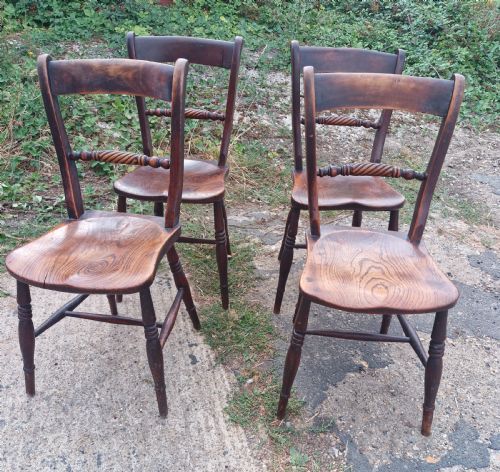
The selection ranges from single rustic pieces to substantial harlequin dining sets gathered over decades. Common regional variations include Thames Valley designs alongside simpler local vernacular chairs featuring rush or timber seats.
Materials and Construction
Maker-craftsmen built these chairs using contrasting native timbers, pairing durable elm or ash seats with turned beech or birch legs and spindles. This thoughtful selection of wood placed dense timber where wear was heaviest while keeping uprights light and resilient.
Traditional joinery relied on wedged through-tenons and steam-bent components to withstand constant movement and heavy household service. Many examples feature woven rush seating or saddle-sculpted solid wood panels designed for functional longevity.
Several dining sets arrive with double stretchers beneath the seat, built specifically to survive generations of restless feet leaning back during long kitchen suppers.
Distinctions in Grade
Quality rests on the depth of the seat carving, the crispness of the spindle turnings, and the harmony of an assembled set. Superior examples display well-matched grain patterns and retained original surface patination rather than over-sanitised modern stripping.
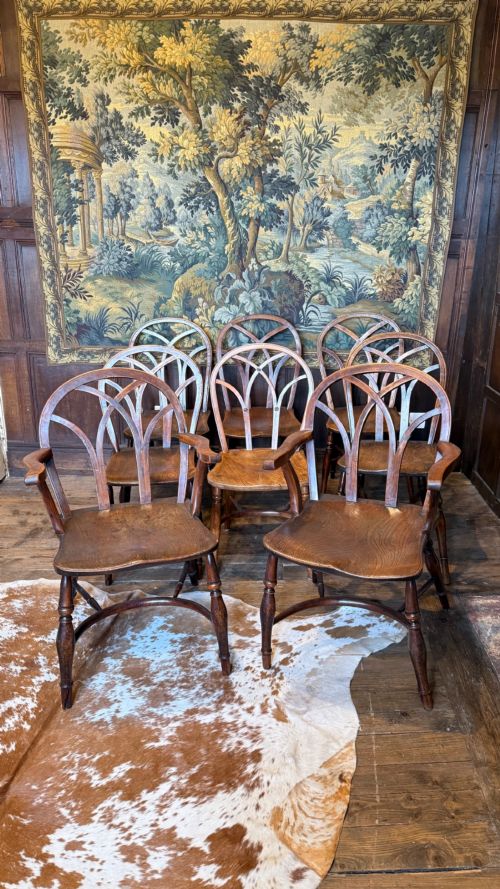
Structural integrity depends on the tightness of the original wedged joints and minimal replacement of structural undercarriage components. Greater refinement appears in regional details such as pierced splats, crinoline stretchers, and sculptural arm or back bows.
Worksop
The Victorian Country Side Chairs Glossary
- Windsor chair
- A traditional wooden chair featuring a solid sculpted seat into which the legs and back spindles are directly joined.
- Lathback
- A backrest design incorporating horizontal wooden slats framed by vertical uprights.
- Harlequin set
- A collection of dining chairs sharing similar vernacular styles and periods assembled to form a matched group.
- Rush seat
- A traditional woven bottom made from dried marsh grasses twisted around a sturdy frame.
- Thames Valley
- A regional style known for particular spindle arrangements and high-quality elm and ash construction.
Victorian Country Side Chairs: Frequently Asked Questions
What defines a Victorian country side chair?
These pieces are robust nineteenth-century wooden seats built in regional workshops for everyday domestic use.
They rely on practical vernacular forms rather than formal court styles, prioritising utility and comfort.
Are harlequin sets authentic?
Harlequin sets consist of individual chairs sharing similar periods, materials, and regional styles gathered together.
This method of collection reflects historical practice when households acquired chairs incrementally over time.
How do I care for rush seats?
Rush seats require dry indoor conditions and occasional dusting to prevent the natural fibres from becoming brittle.
Direct sunlight and excessive moisture should be avoided to maintain the strength of the woven plant material.
What timbers were used most often?
Cabinet makers utilised native hardwoods such as elm for durable seats and ash or beech for turned spindles.
Oak and alder also appear frequently depending on the specific regional traditions of the workshop.