



Country Cottage Dining Chairs
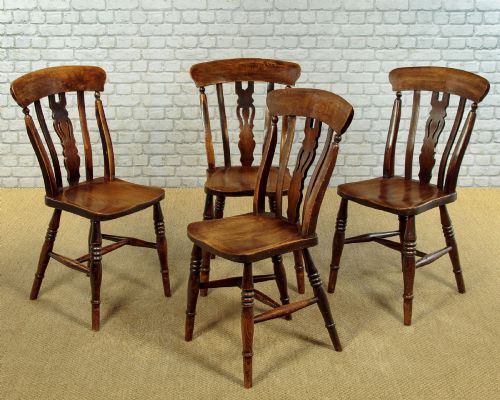
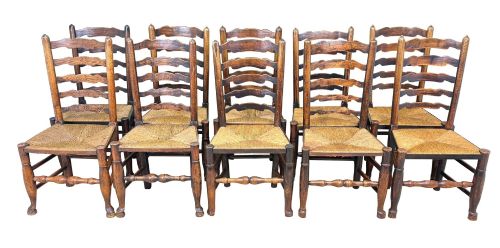
Country cottage dining chairs bring vernacular charm to a room, offering sturdy wood and rush construction spanning the Georgian, Victorian and later periods.
Country Cottage Dining Chairs
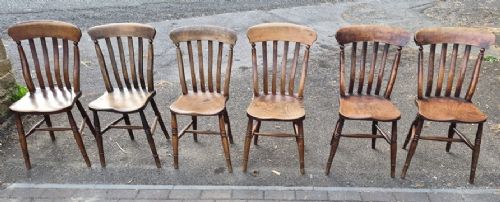
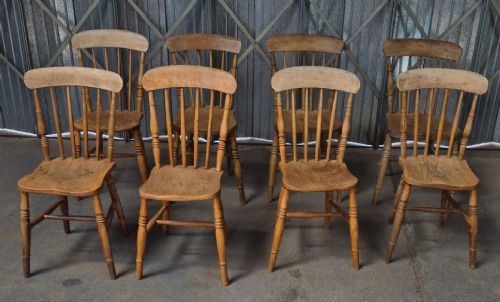
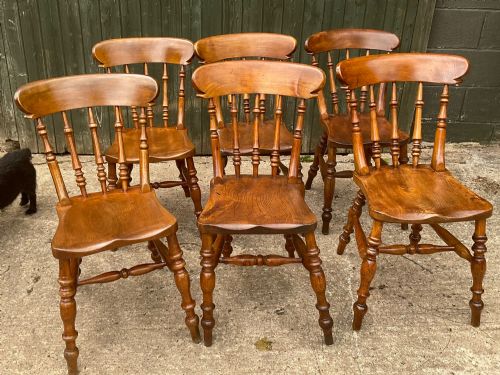
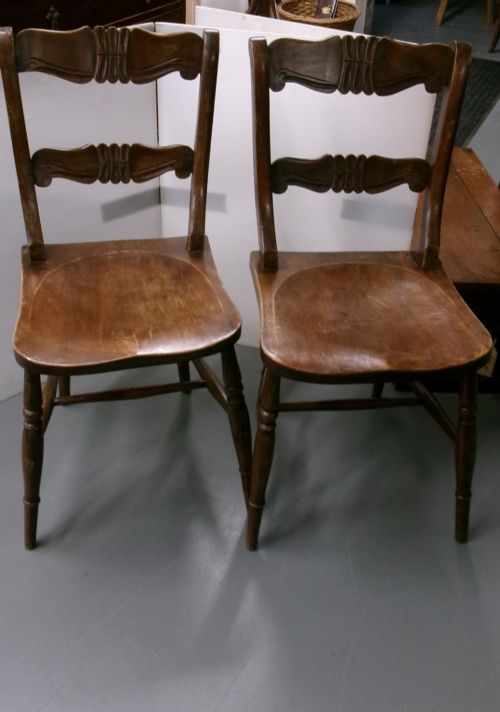
Country cottage dining chairs encompass traditional forms built for everyday domestic use, frequently appearing as matched sets or harlequin groups. When searching for country cottage dining chairs, buyers encounter practical seating designed with straightforward vernacular lines rather than formal courtly ornamentation.
The selection ranges from robust kitchen chairs to rush seat dining chairs originating from regional British traditions. Surviving examples date from the eighteenth century through the Victorian era and into the twentieth century, reflecting the work of provincial joiners and regional workshops.
Materials and Construction
Local timber forms the backbone of these pieces, with elm, beech, ash, alder and oak selected for their strength and availability. Makers often combined timbers within a single frame, using tough woods like elm for solid seats and ash or beech for bent parts and spindles.
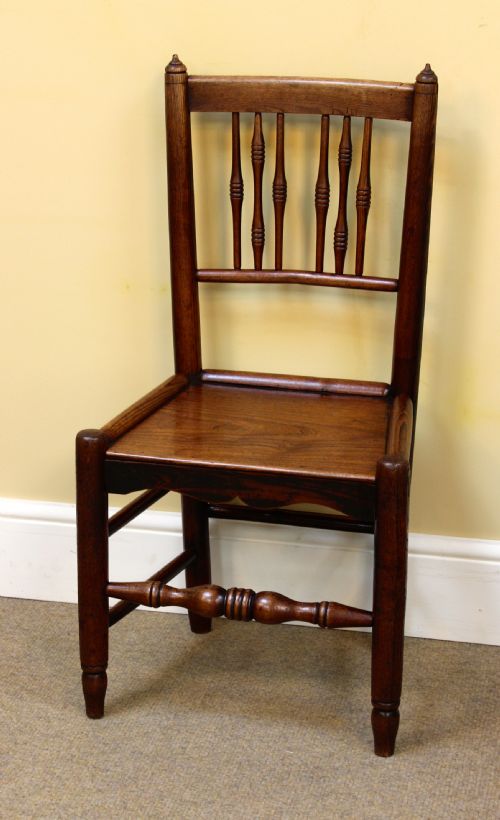
Traditional methods include steam bending for bows and rails, alongside pegged joints and turned components. Seating surfaces frequently utilise woven rush or plaited straw, while others rely on solid sculpted wood planks.
Country Cottage Dining Chairs Retail Price Guide 2026
Typical asking prices for country cottage dining chairs among the pieces listed under this phrase on Sellingantiques today, from the lower quarter to the upper quarter. They describe what is for sale here now, not the wider market.
Assessing Quality and Character
Quality rests in the integrity of the timber selection and the harmony of the assembled group, particularly in larger sets where matching grain and colour elevate the whole. Superior pieces display confident turning on legs and spindles alongside sound structural joinery.
Patina accumulated through decades of domestic use distinguishes better examples, showing smooth wear on wooden seats and tight, even tension in rush work. Harlequin sets demonstrate quality through thoughtful pairing of related vernacular shapes rather than random assemblage.
Worksop Allsop·Heals
The Country Cottage Dining Chairs Glossary
- Lathback
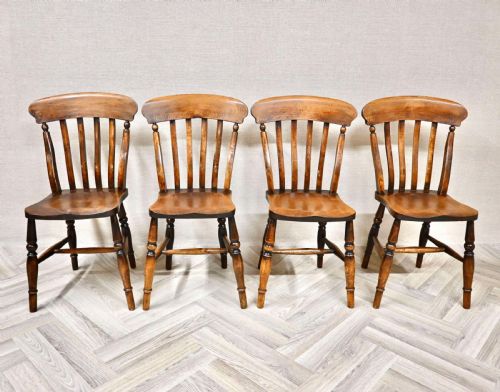
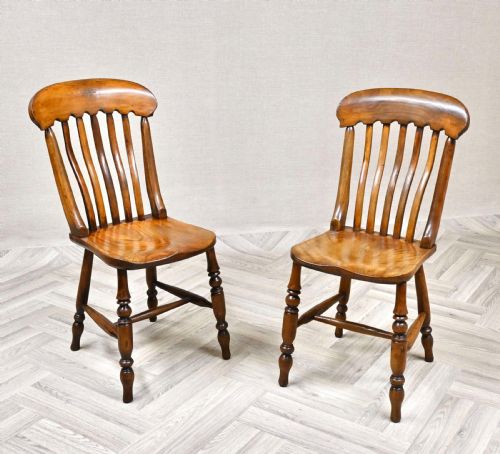
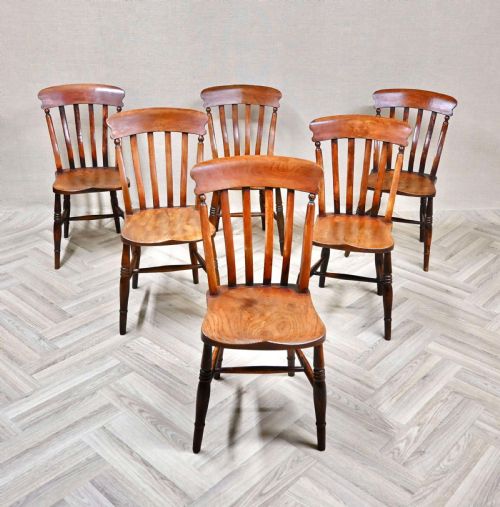
- A chair back featuring flat vertical wooden slats or laths arranged between the top rail and the seat. This design offers robust support and appears frequently on nineteenth-century kitchen seating.
- Windsor
- A traditional chair constructed with a solid wooden seat into which the legs and back spindles are separately bored and wedged. Thames Valley and provincial makers produced numerous variations of this form.
- Rush seat
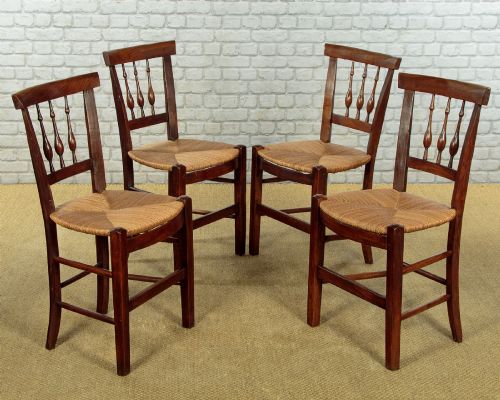
- A seating surface woven from dried marsh rushes around a wooden frame. It provides a resilient and comfortable base found on traditional country chairs.
- Harlequin set
- A collection of chairs that share a similar style, period or region but were not originally made as a single set. Dealers and collectors assemble these groups to match larger dining tables.
- Vernacular
- Architecture and furniture built by local craftsmen using traditional regional methods and local materials, without reference to high-style metropolitan fashions.
Country Cottage Dining Chairs: Frequently Asked Questions
What is a lathback chair?
A lathback chair incorporates flat wooden slats across the backrest rather than turned spindles. This construction provides sturdy support for daily dining.
Such chairs belong to the broader vernacular tradition found in farmhouses and cottages throughout the nineteenth century.
How do I care for rush seats?
Rush seats require a dry environment and occasional gentle cleaning with a soft brush to remove dust. Excessive moisture damages the natural fibres.
Keeping them away from direct heat sources prevents the dried marsh grass from becoming brittle over time.
What makes a harlequin set?
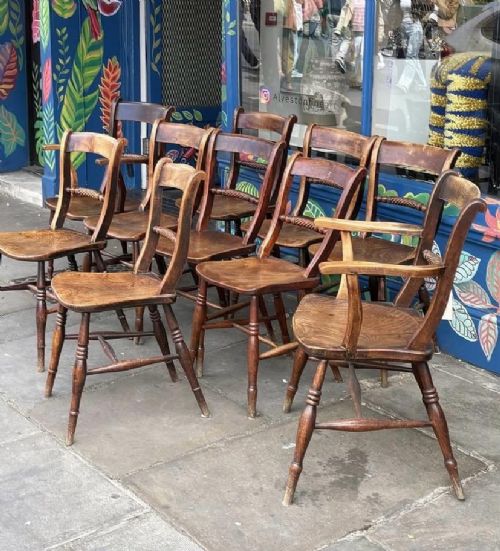
A harlequin set consists of individual chairs that share common design traits, such as elm seats or stick backs, but originate from slightly different sources. These groups provide a practical solution for larger dining tables.
Matching chairs of the same period creates a cohesive look while accommodating the reality of surviving antique stock.
How can I date these chairs?
Dating relies on construction details, tool marks, timber choice and design evolution. Earlier pieces from the eighteenth century often feature hand-turned components and distinct joinery.
Victorian examples frequently employ industrial assistance for turning while retaining traditional regional forms.