


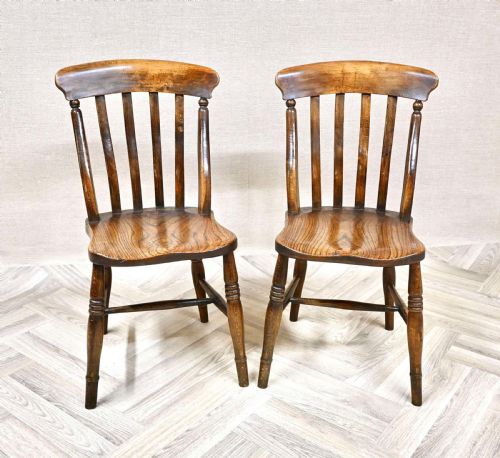
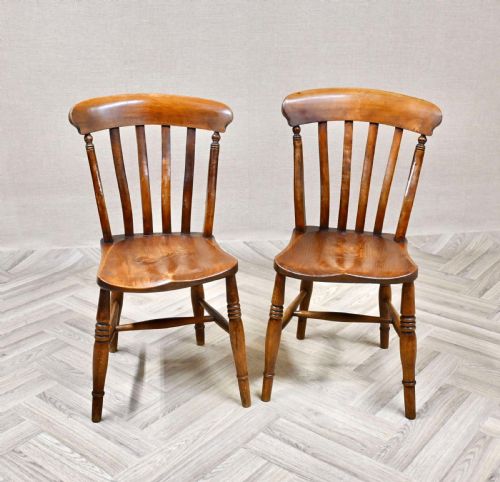
Pair Wooden Chairs
These pair wooden chairs span centuries of domestic seating, offering matched proportions and timber grains that anchor a room.
Pair Wooden Chairs
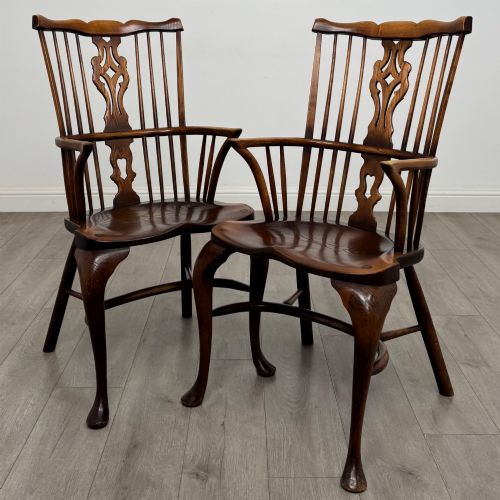
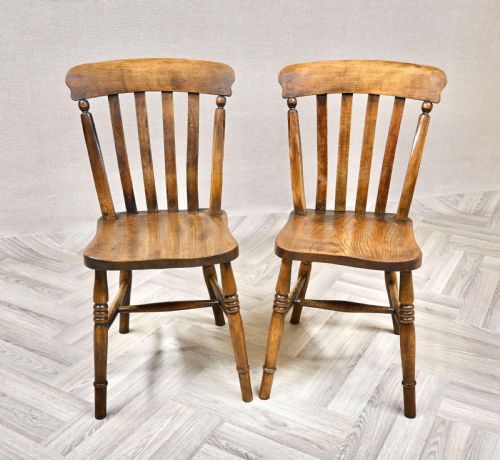
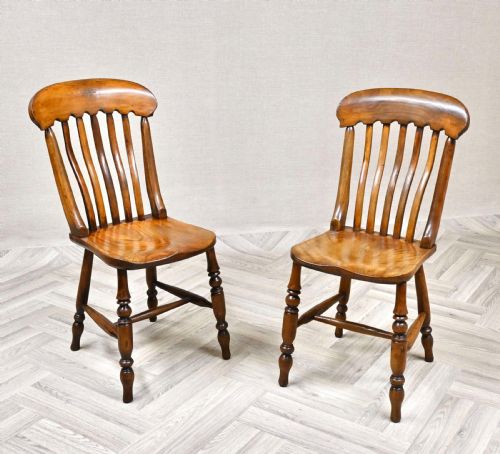
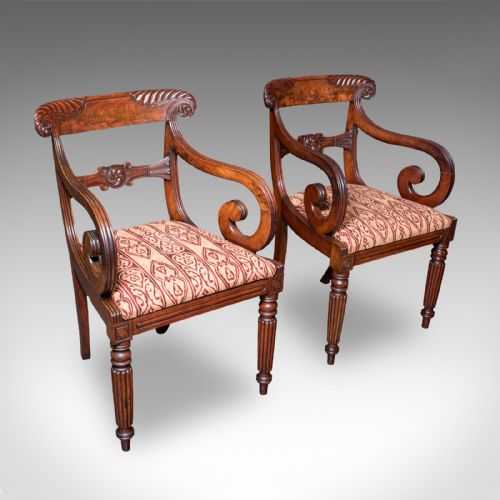
When you search for pair wooden chairs, you encounter a diverse array of seating designed for dining, reception rooms, and country kitchens. The selection ranges from robust kitchen Windsors to formal hall chairs and carved walnut armchairs.
Most examples hail from the eighteenth and nineteenth centuries, taking the form of side chairs, armchairs, and corner seating. English oak, elm, and mahogany predominate among these domestic seating arrangements.
Regional variants appear frequently, including Welsh and English country designs alongside continental European styles. These seating pairs served both functional daily use and formal display in period interiors.
Materials and Construction
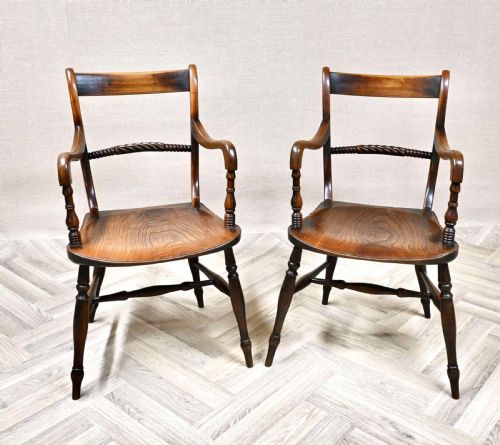
Joinery methods rely on traditional techniques such as bobbin turning, pegging, and Windsor construction where spindles are wedged into solid timber seats. Timbers like elm, oak, mahogany, and walnut provide the structural integrity required for daily domestic use.
Surface treatments and upholstery include leather, fabric, and Aubusson tapestry coverings fastened to frames of beech, birch, and pine. Carved ornamentation, inlay, and wood turning add decorative detail to structural wooden elements.
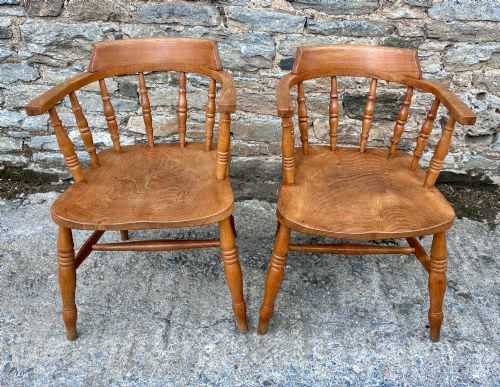
Smokers bow chairs provided comfort for nineteenth-century gentlemen who needed sturdy armrests while dozing.
Distinctions in Quality
Quality rests on the selection of timber and the crispness of carved or turned details. Denser grain patterns in woods like yew, elm, and walnut elevate the visual presence of a pair.
The integrity of the original joinery and the survival of a pleasing surface patina distinguish superior examples from heavily restored or replaced elements. Matching grain and uniform wear across both items confirm a genuine pair rather than a later assembled match.
The Pair Wooden Chairs Glossary
- Windsor
- A traditional chair type featuring a solid wood saddle seat into which the legs and back spindles are tenoned directly. These sturdy seats became staples of English country kitchens.
- Hall chair
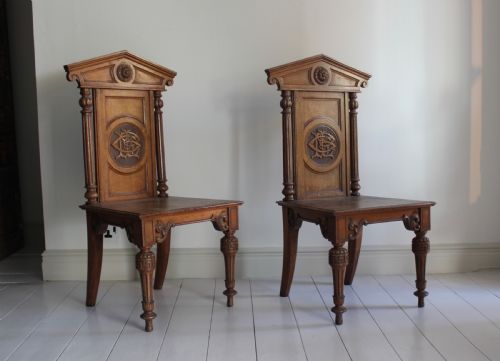
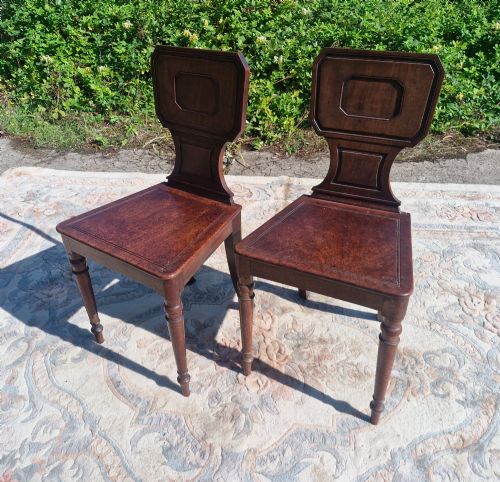
- A rigid wooden seat, often with a solid panel back, designed for placement in an entrance hallway rather than prolonged sitting. They frequently display painted or carved armorial crests.
- Bobbin turned
- A style of furniture leg or stretcher shaped on a lathe to resemble a series of wooden bobbins or spools linked together. This decorative turning method appears frequently on seventeenth and eighteenth-century seating.
- Sgabello
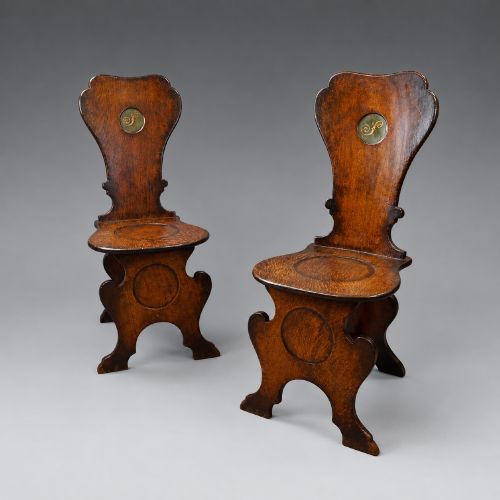
- A Renaissance style of lightweight wooden chair featuring a high back and trestle supports instead of conventional legs. These ornamental seats were traditionally used in Italian hallways.
- Carver
- An armchair designed in the same style as a set of dining side chairs, usually positioned at the head of a table. They provide broader armrests while matching the dining seating.
Pair Wooden Chairs: Frequently Asked Questions
How do I know if they are a genuine pair?
Examine the timber species, grain patterns, and tool marks on both frames to check for consistent construction methods. Genuine pairs share identical dimensions, turning details, and wear characteristics developed over decades of side-by-side use.
Look closely at the underside of the seats and joinery points for matching maker signatures or structural idiosyncrasies. Assembled matches often reveal subtle discrepancies in wood colour or carving depth upon close inspection.
How do I care for antique wooden frames?
Maintain stable indoor humidity levels and keep wooden seating away from direct heat sources to prevent timber splitting. Regular dusting with a soft, dry cloth preserves the historic surface finish without stripping the patina.
Apply a microcrystalline wax sparingly if the timber appears dry, buffing gently after application. Avoid silicone-based sprays, which can penetrate porous historical finishes and damage the wood.
What is a Windsor chair?
A Windsor chair is a distinct seating form constructed with a thick wooden saddle seat that holds steam-bent back pieces and turned legs. Elm and yew were traditional choices for these robust country seats.
They evolved into various regional styles including lathbacks, barbacks, and wheelbacks. Their ergonomic saddle seats made them enduringly popular for kitchens and informal rooms.