


Pair Kitchen Chairs
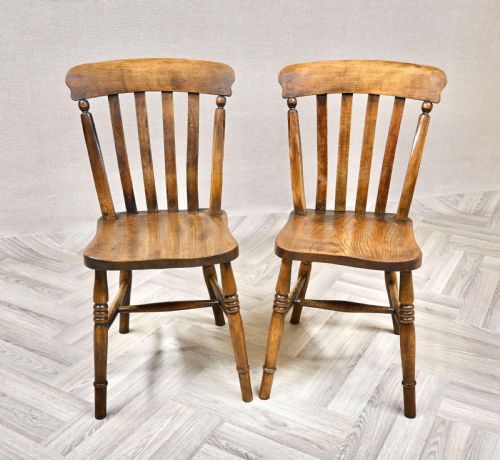
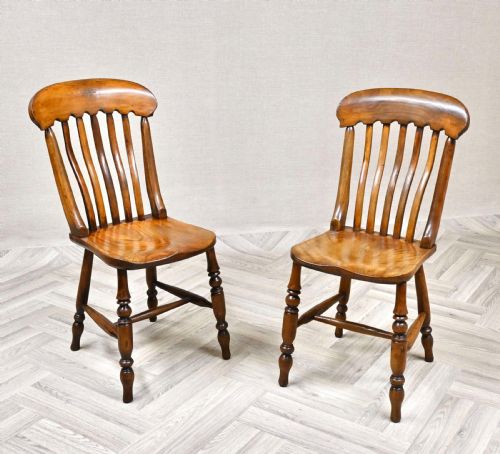
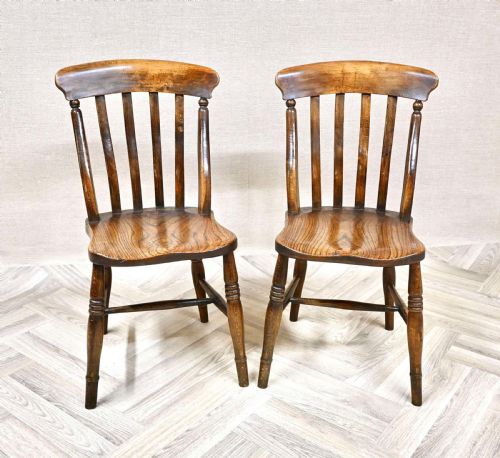
Pair kitchen chairs bring durable, honest vernacular seating into modern dining rooms and domestic spaces.
Pair Kitchen Chairs
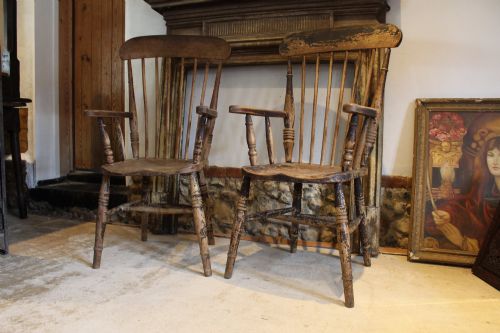
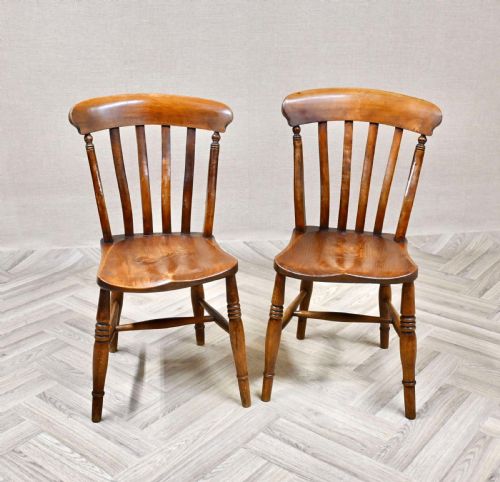
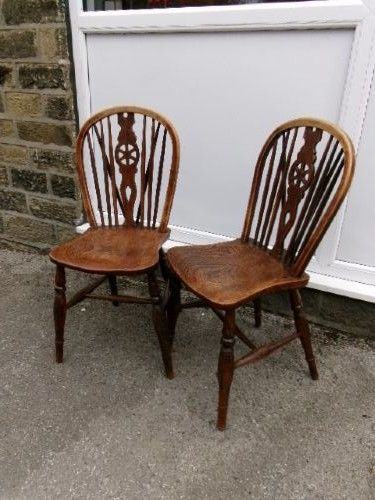
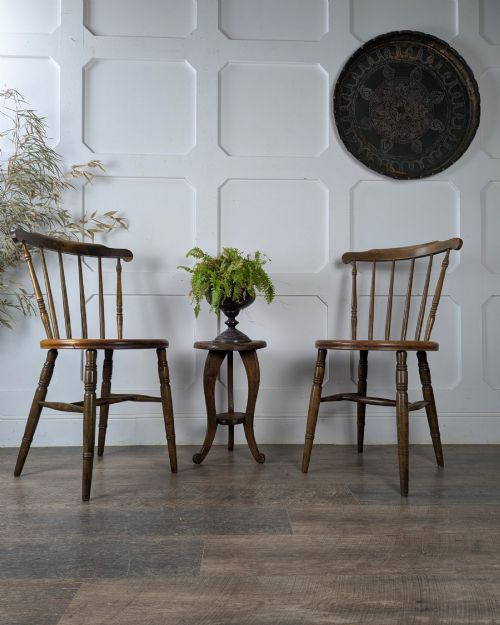
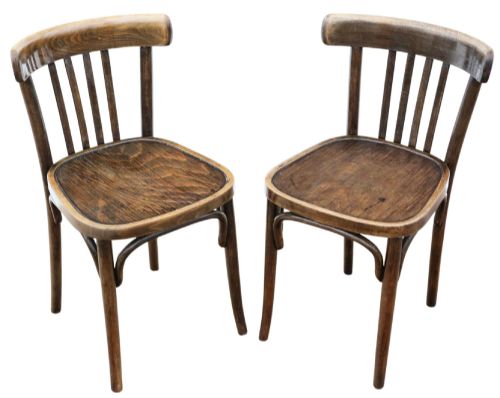
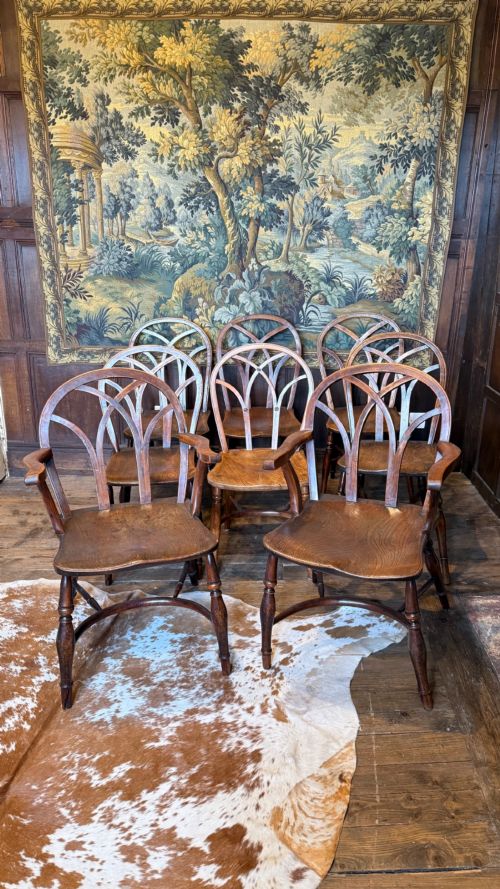
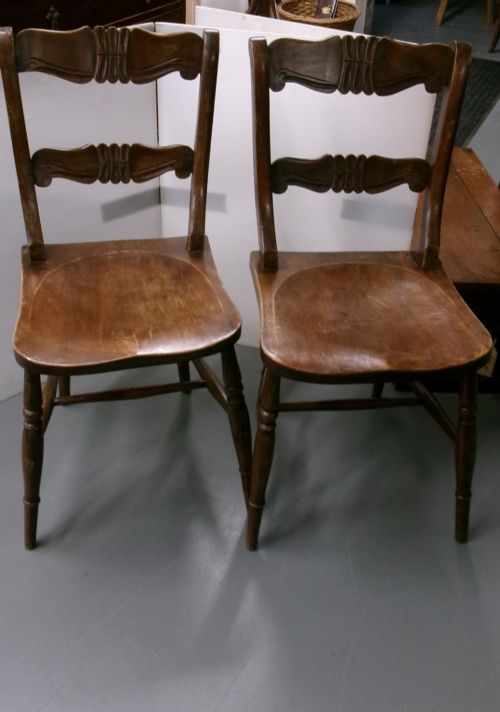
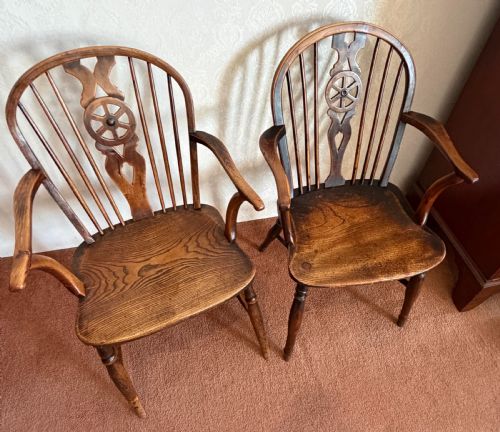
When you search for pair kitchen chairs, you encounter robust seating designed for practical daily use across past centuries. The listings frequently centre on Windsor forms, featuring distinct stick backs, wheelbacks, lathbacks, and hoop backs.
Materials and construction
Traditional makers combined different timbers within a single frame to utilise the specific strengths of each wood. Solid elm seats received turned legs of beech or ash, while flexible yew or ash formed the bent bows of Windsor backs.
Joinery relied on wedged tenons and stretcher frames to ensure long-term stability under heavy daily domestic service. Surfaces were often left bare, waxed, or treated with early paint layers that wore down naturally through generations of use.
Some chairs carry tiny pencil tallies under their seats, recording forgotten chores from Victorian kitchens.
Distinctions in craftsmanship
Quality separates pairs by the balance of their proportions and the sculptural depth of their carved elm seats. Superior chairs display well-defined turnings on their spindles and legs, alongside matching grain patterns across both matched or near-matched items.
Structural integrity and minimal replacement parts determine the standing of surviving pairs. Untouched original surfaces and retained maker marks elevate specific examples well above standard utilitarian counterparts.
Thonet·Dinco·W Brear Addingham
The Pair Kitchen Chairs Glossary
- Windsor
- A traditional chair construction featuring a solid wooden seat into which the legs and back spindles are directly tenoned. These versatile forms developed distinct regional variations across England.
- Wheelback
- A Windsor chair variation featuring a pierced splat carved in the shape of a wagon wheel. This decorative motif gained wide popularity during the nineteenth century.
- Stick back
- A minimalist chair design where plain turned spindles form the backrest without a central splat. They offer robust simplicity and structural lightness.
- Rush seat
- A woven seating surface constructed from dried marsh rushes twisted into cords. This traditional method provides a resilient and comfortable organic texture.
Pair Kitchen Chairs: Frequently Asked Questions
What is a near pair of chairs?
A near pair consists of two chairs that share identical styles, periods, and dimensions but were not originally manufactured as a single set. They exhibit very close visual harmony, making them suitable for matching around a dining table.
Collectors often assembled near pairs from separate domestic environments where the original companions did not survive. They offer the character of matched seating without the strict uniformity of factory production.
How do I care for antique elm seats?
Antique elm requires minimal intervention, benefiting primarily from occasional applications of natural beeswax to nourish the dry timber. Avoid placing these chairs near direct heat sources or modern radiators, which can cause the old wood to split.
Keeping the environment at a stable humidity preserves both the timber and the traditional pegged joinery. Gentle dusting with a dry cloth is sufficient for routine maintenance.
Were these chairs used only in kitchens?
While designated as kitchen or farmhouse seating in records, these chairs served multipurpose roles throughout historic homes. Families utilised them in parlours, bedrooms, and workshops alongside daily dining duties.
Their sturdy construction made them indispensable for hard work before specialised seating became common in domestic spaces. This versatility explains their wide survival across different rooms today.
How do I distinguish nineteenth century stick backs?
Nineteenth-century stick backs display hand-turned spindles with subtle irregularities that reveal human craftsmanship rather than machine precision. The timber patination shows deep oxidation and wear patterns developed over generations of continuous handling.
Examining the underside reveals adze marks on the solid elm seat and tapered wedged tenons securing the legs. These physical markers help separate authentic period seating from later revival pieces.