

Victorian Corner Display
A victorian corner display turns neglected wall junctions into focal points, offering tiered shelving and glazed storage designed to maximise light and floor space in period rooms.
Victorian Corner Display
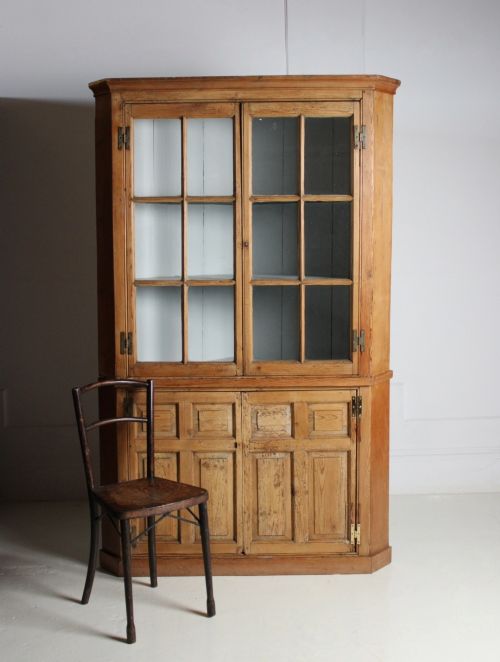
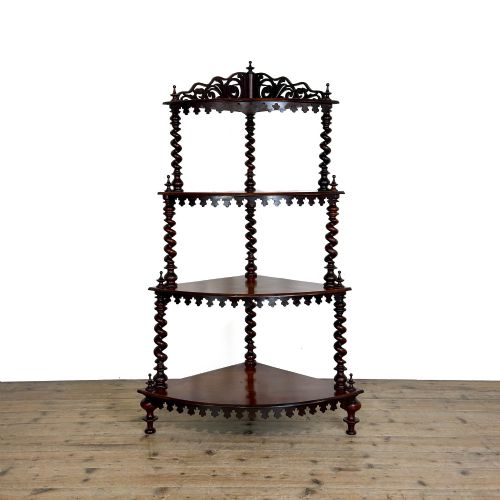
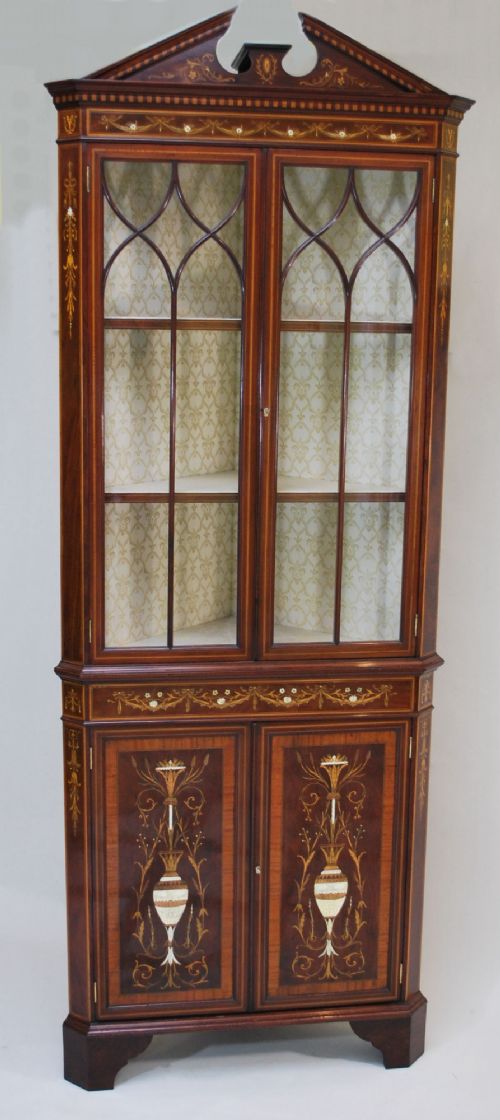
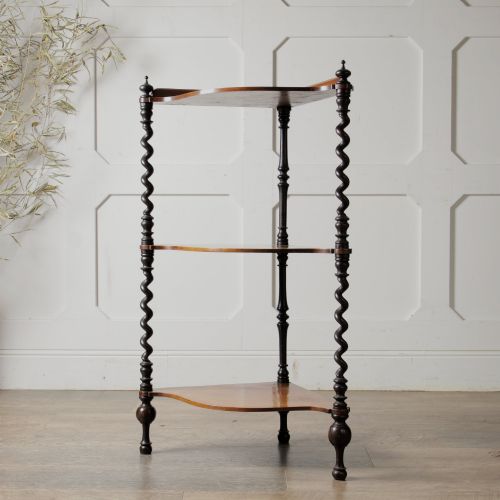
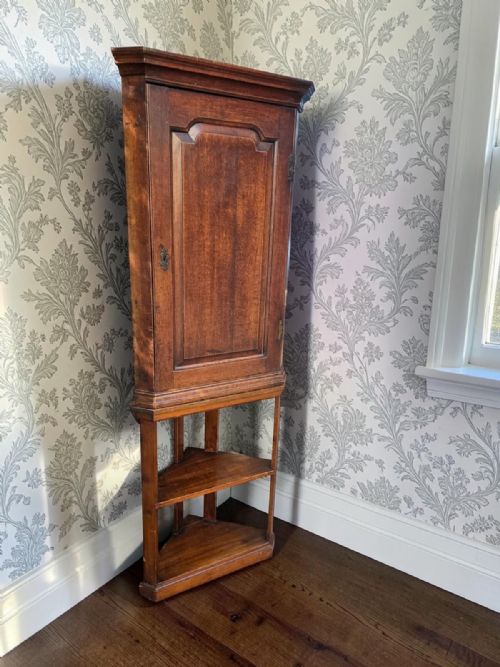
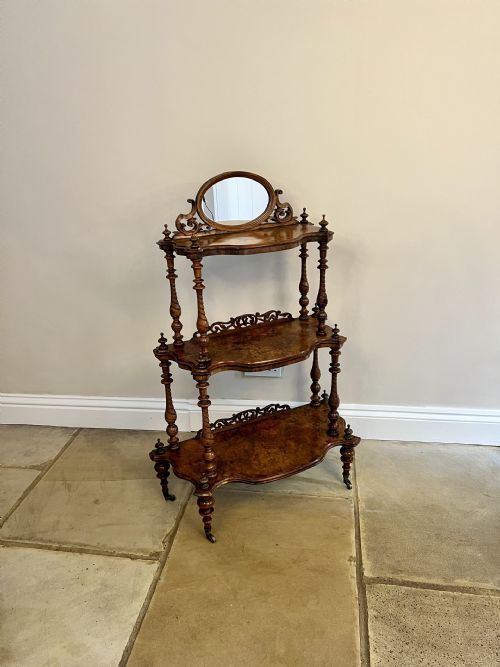
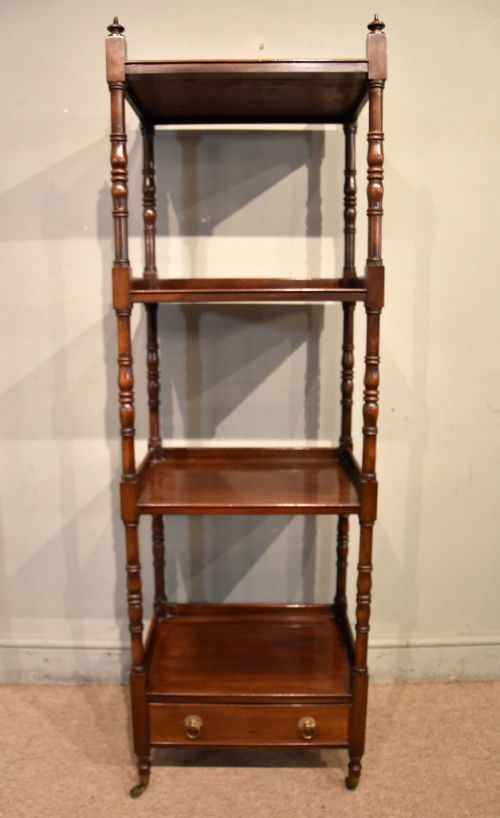
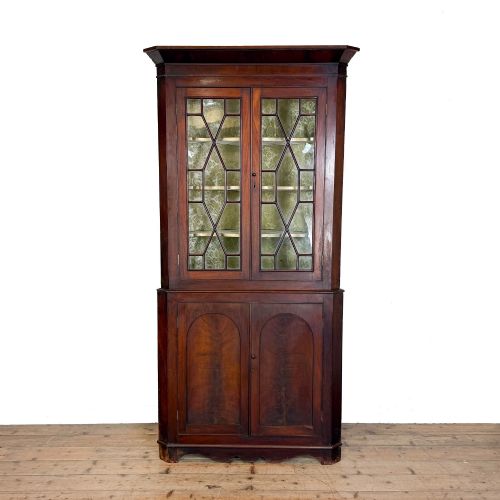
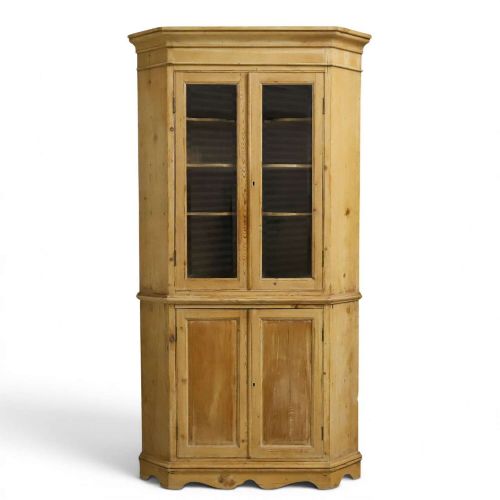
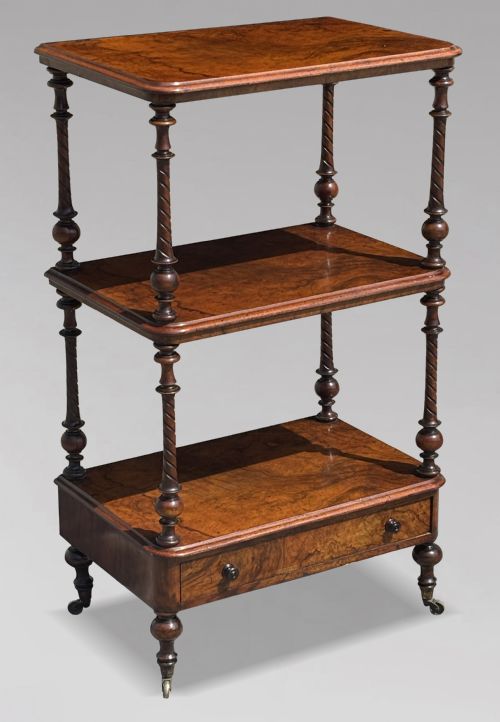
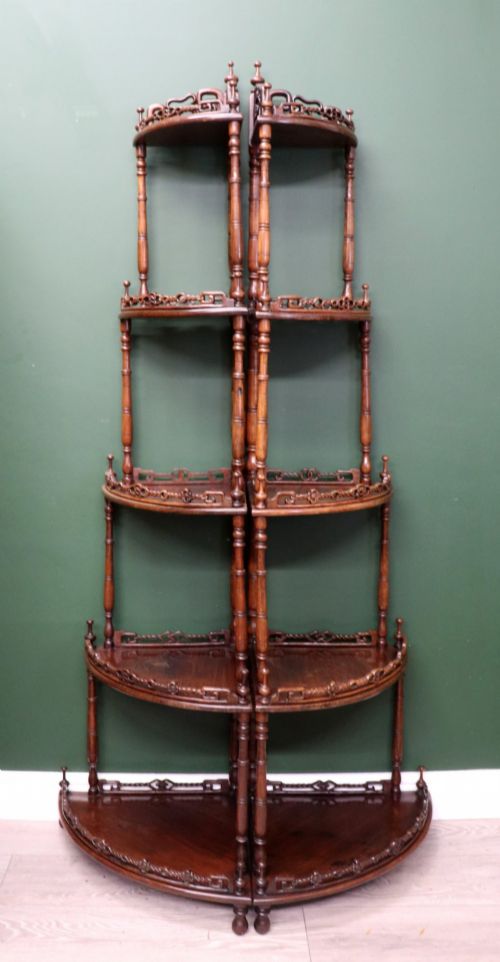
A victorian corner display encompasses multi-tiered whatnots, freestanding cabinets, and wall-mounted cupboards designed specifically for room angles. These pieces originate predominantly from the nineteenth century, spanning from the eighteen-fifties through to the late victorian decades.
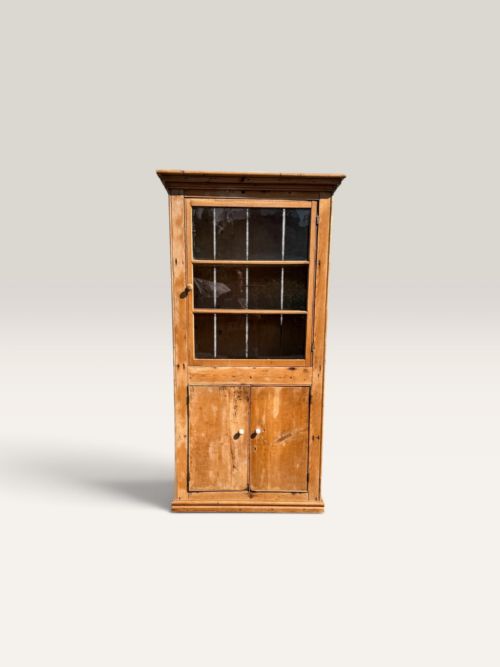
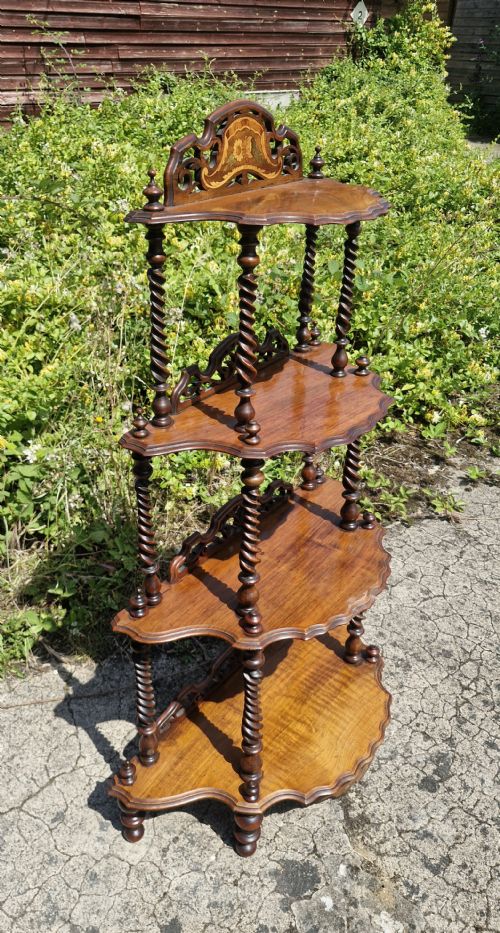
Forms vary from open shelf étagères and barley twist stands to bow-fronted cupboards with glazed doors. Timber choices lean heavily toward rich mahogany and burr walnut, alongside utility pine and decorative ebonised finishes.
Makers adapted these units for domestic drawing rooms and parlours, utilising otherwise wasted spatial intersections to exhibit ceramics, books, and curiosities.
Materials and Technique
Cabinetmakers constructed carcasses using solid timbers such as oak, mahogany, and pine, often applying veneers of burr walnut, rosewood, or birdseye maple to prominent exterior surfaces. Joinery relied on precise angle-fitting and dovetail construction to ensure stability within room corners.
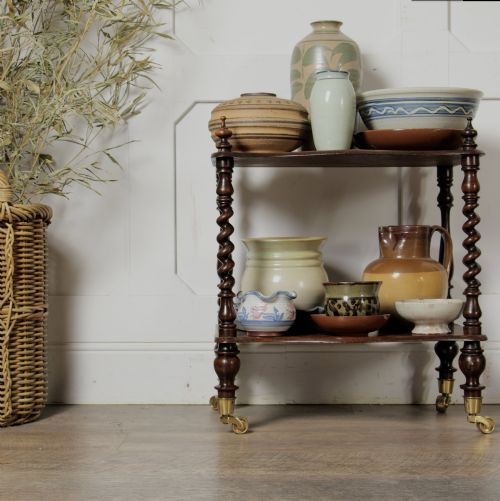
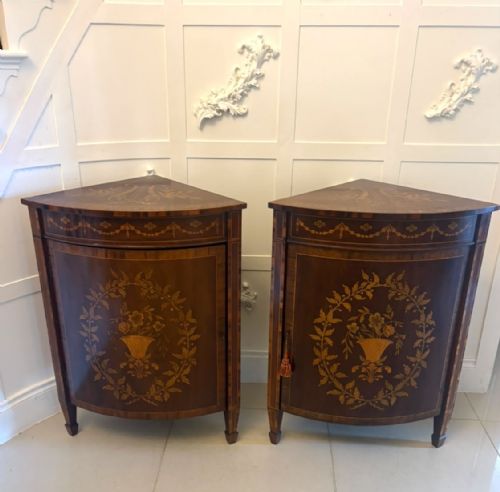
Decorative embellishments included marquetry inlay, brass hardware, glazed door panels with astragal bars, and turned elements like barley twist supports. Some pieces incorporated hand-painted interiors or gilt metal mounts to reflect the aesthetic tastes of the period.
Some victorian corner displays even housed taxidermy birds, proving that Victorians truly brought the outdoors inside.
Judging Quality
The distinction between standard utility cupboards and exhibition-grade pieces rests in the selection of timbers and the precision of ornamentation. Superior examples display meticulously matched burr walnut veneers, delicate marquetry, and original glass panes without distortion.
Structural integrity also dictates worth, seen in tight corner joints, well-hung doors that close flush, and substantial tier supports that bear weight without sagging.
Edwards & Roberts·Garnett & Sons·John Stow Ltd
The Victorian Corner Display Glossary
- Whatnot
- An open-tiered shelving unit designed for displaying ornaments, books, or small objects. These pieces typically feature three or more tiers supported by turned columns.
- Étagère
- A French-derived term for a piece of furniture consisting of a set of open shelves for displaying small articles. They often feature in polite reception rooms from the period.
- Marquetry
- Decorative veneer work where pieces of wood, ivory, or shell are fitted into a wooden panel to form pictorial or geometric designs. This technique frequently highlights the doors of high-end cabinets.
- Astragal
- A moulding profile used to hold glass panes within a door frame. Fine examples utilise slim wooden bars to create intricate geometric glazing patterns.
Victorian Corner Display: Frequently Asked Questions
Where should I place a corner cabinet?
These units suit awkward room angles and dead corners where standard rectangular furniture fails to fit. They draw the eye upward and anchor empty wall junctions effectively.
Position them away from direct heat sources and strong sunlight to protect aged wood veneers and historic glass panes.
How do I identify a nineteenth-century piece?
Examine the timber shrinkage, interior construction methods, and hardware style. Hand-cut dovetails and original backboards indicate older craftsmanship.
Period pieces often display subtle irregularities in wood grain and hand-turned supports that differentiate them from modern revivals.
Can these cabinets hold heavy books?
Open shelving units and whatnots work best for lighter decorative objects, ceramics, and small display items. Enclosed base cupboards constructed from solid oak or mahogany can handle heavier loads.
Check the weight distribution across the corner brackets and shelf supports before loading heavy volumes.