


19th Century Showcase
These 19th century showcase designs offer glazed enclosures to display treasured objects, uniting practical preservation with decorative splendour.
19th Century Showcase
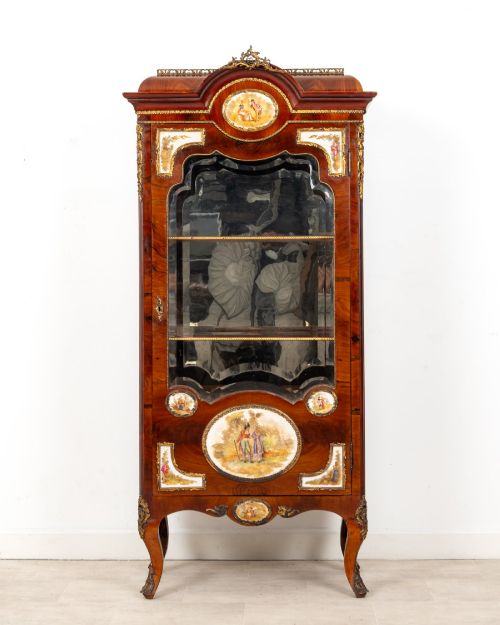
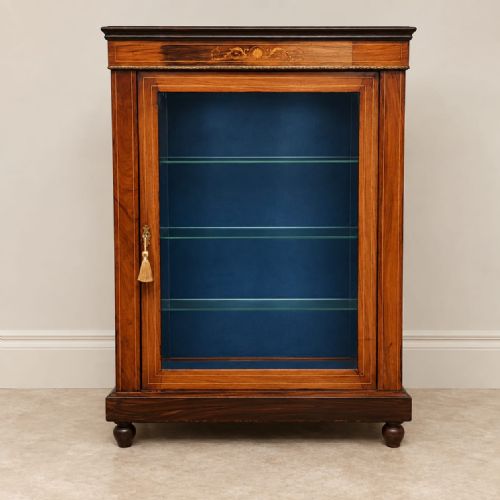
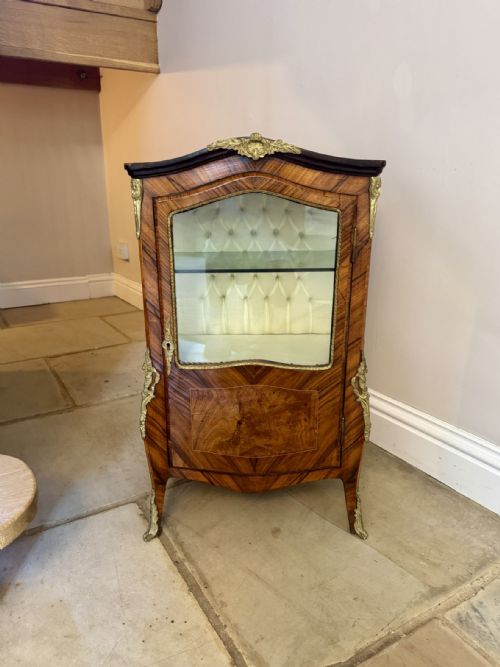
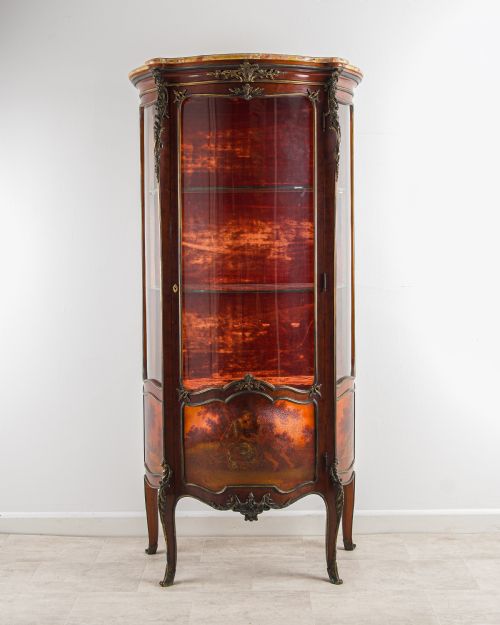
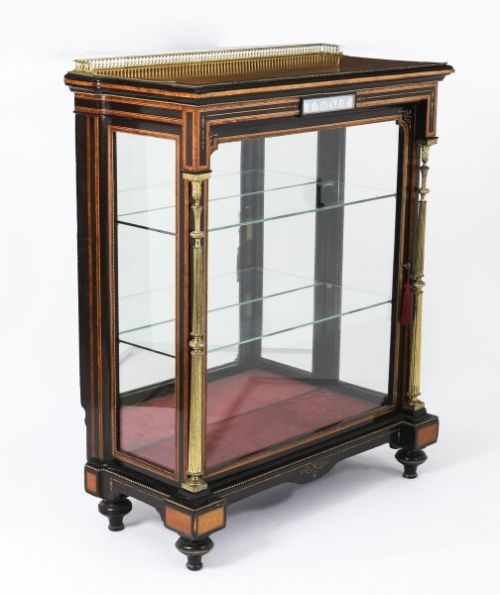
A 19th century showcase encompasses freestanding vitrines, pier cabinets, corner cupboards and table forms designed to protect and exhibit precious items.
French workshops and Victorian English makers shape these pieces using woods such as mahogany, walnut, kingwood and satinwood.
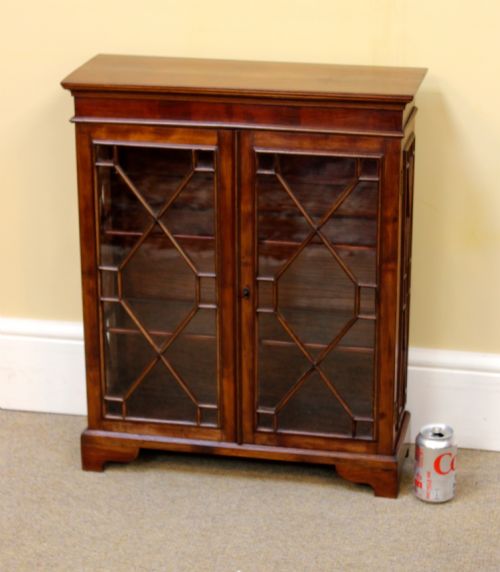
Buyers meet variations ranging from compact table cases to tall cabinets fitted with glass panels and shelves.
Materials and construction
Cabinetmakers build structural frames in solid or veneered hardwoods, integrating glazed doors and sides to maximise light penetration.
Ormolu mounts, giltwood and brass details decorate the exterior whilst fabric or velvet often lines the interior display surfaces.
Materials appearing across these listings include glass, ormolu, brass, mahogany, kingwood, fabric, velvet and walnut.
Distinctions in quality
Superior examples demonstrate meticulous parquetry, finely chased ormolu mounts and balanced proportions derived from French Louis revival styles.
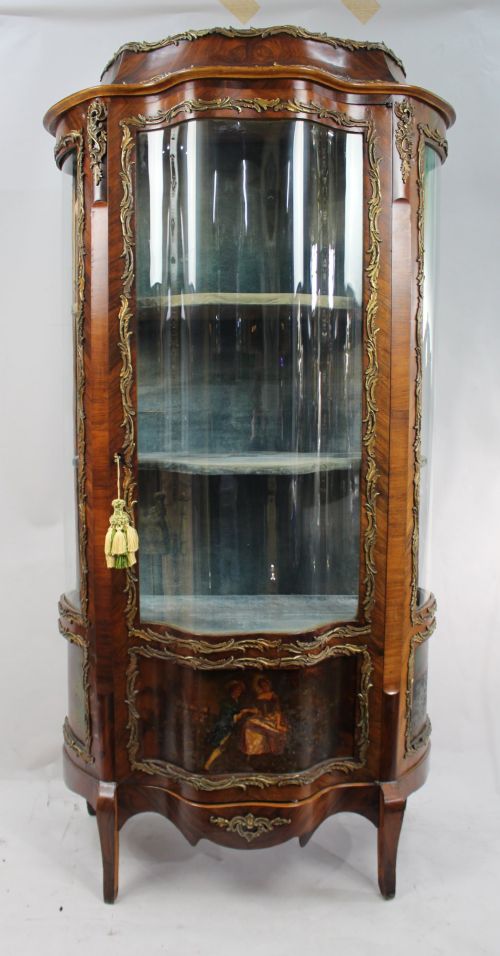
The refinement of hand-carved details, the selection of figured timbers and the integration of curved glass panels separate exceptional pieces from standard production.
François Linke·Angela Kaufman
The 19th Century Showcase Glossary
- Vitrine
- A glass-fronted cabinet designed specifically for displaying fine porcelain and curiosities. These pieces often feature glazed sides to illuminate the interior from multiple angles.
- Bijouterie table
- A glazed display table with a hinged lid, created to showcase jewellery and small valuables. These items usually sit on slender legs within formal reception rooms.
- Pier cabinet
- A low freestanding cabinet proportioned to fit the wall space between windows. Such items frequently incorporate marquetry inlay and a single glazed door.
- Ormolu
- Gilded bronze ornamentation applied to furniture for decorative emphasis. The technique requires mercury gilding on cast brass or bronze bases.
- Vernis Martin
- A simulated Japanese lacquer technique developed in France, utilised to adorn panels with painted scenes. This finish appears on several elaborate display cabinets.
19th Century Showcase: Frequently Asked Questions
What is a vitrine?
A vitrine is an enclosed cabinet featuring glass panels designed to exhibit decorative objects and porcelain collections safely.
These pieces protect delicate items from dust whilst maintaining full visibility from outside.
How were bijouterie tables used?
Bijouterie tables served as drawing-room furniture where hosts could display personal trinkets and jewellery beneath glass tops.
Guests would inspect the arranged items at close range during social gatherings.
Where do pier cabinets go?
Pier cabinets fit into the architectural wall spaces situated directly between windows in traditional rooms.
Their narrow footprints make them suitable for displaying collections without obstructing natural light or pathways.
What is Vernis Martin?
Vernis Martin is a decorative lacquer finish developed to replicate Asian lacquer work on European furniture.
Cabinetmakers applied multiple translucent varnish layers over painted scenes to achieve a glossy depth.