

Victorian Cobalt Porcelain
Victorian cobalt porcelain brings deep blue glazes and rich gilding together in vessels, plates and decorative items designed for nineteenth-century interiors.
Victorian Cobalt Porcelain
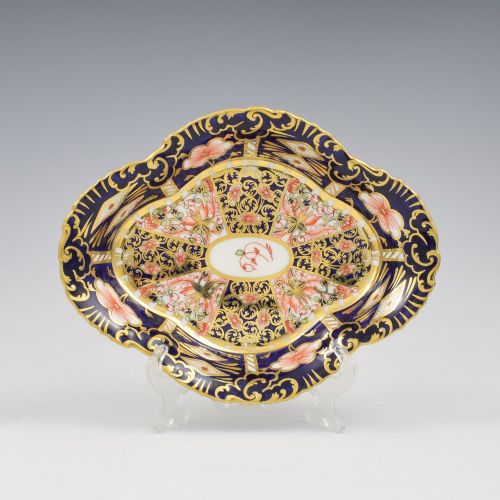
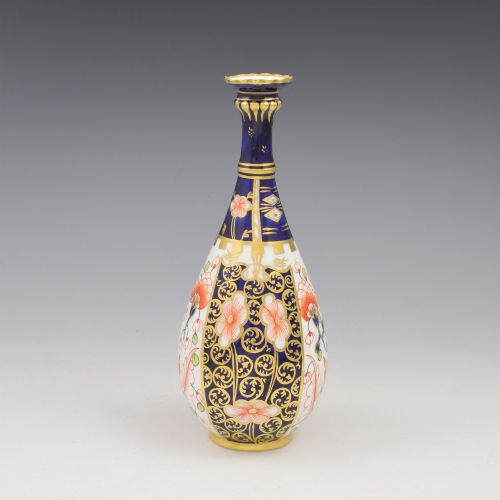
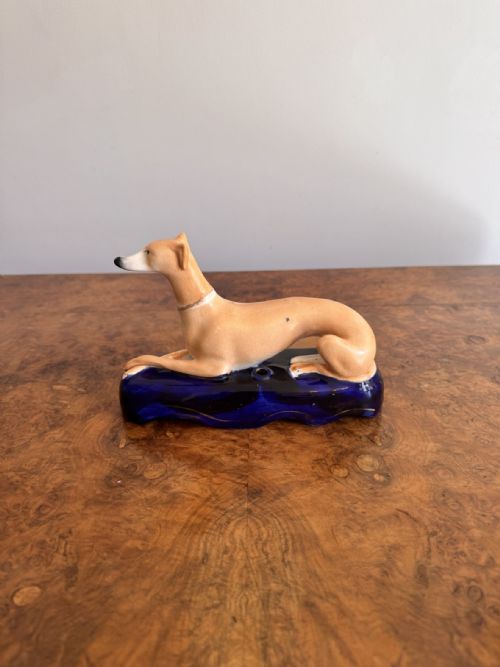
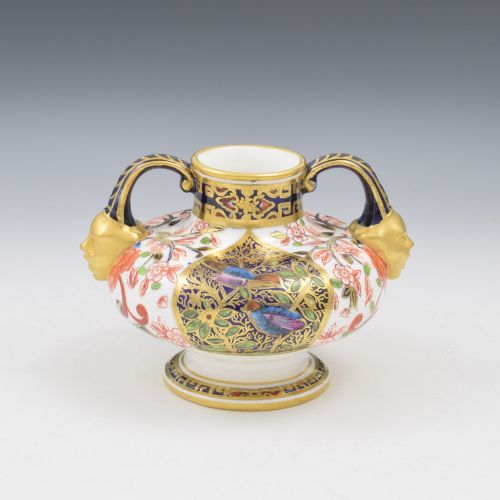
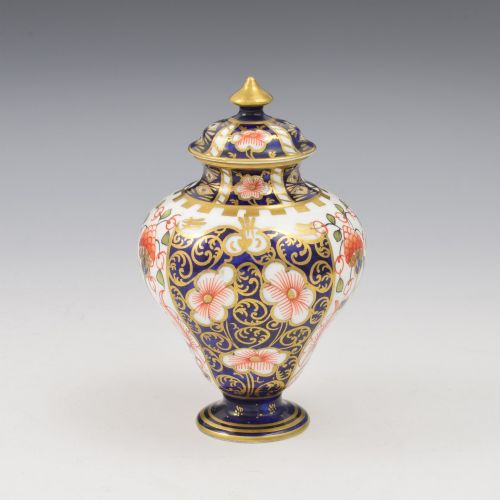
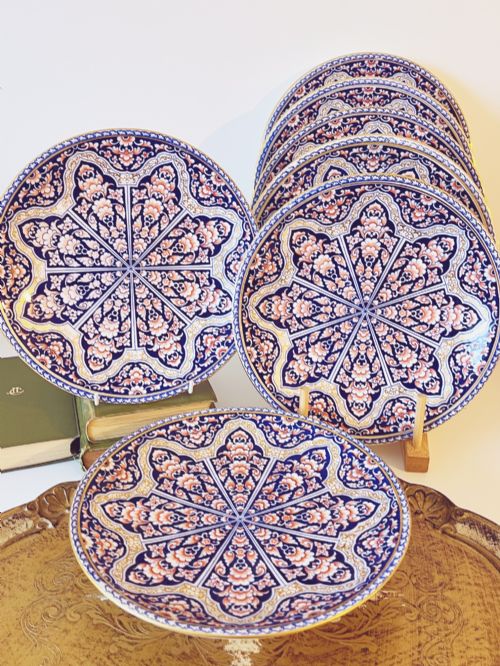
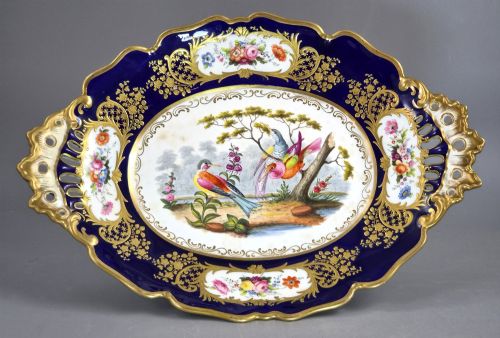
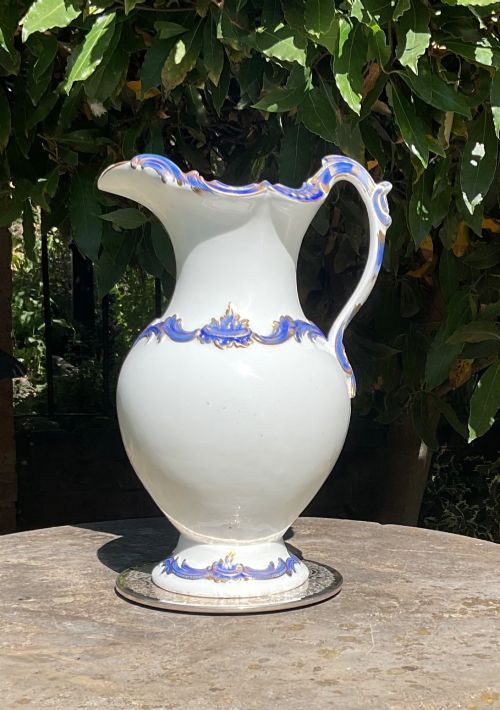
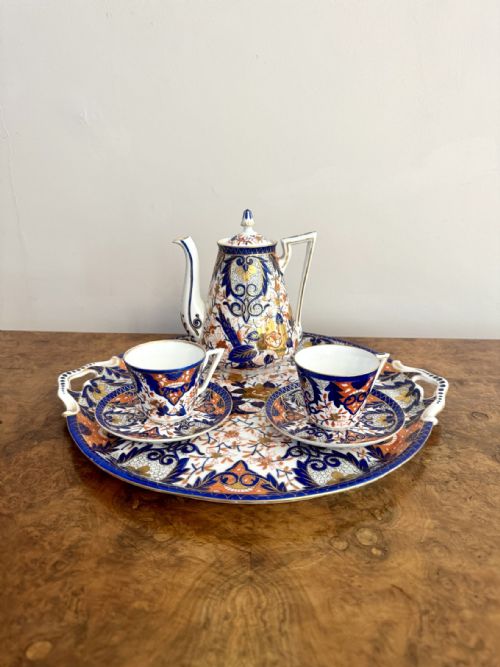
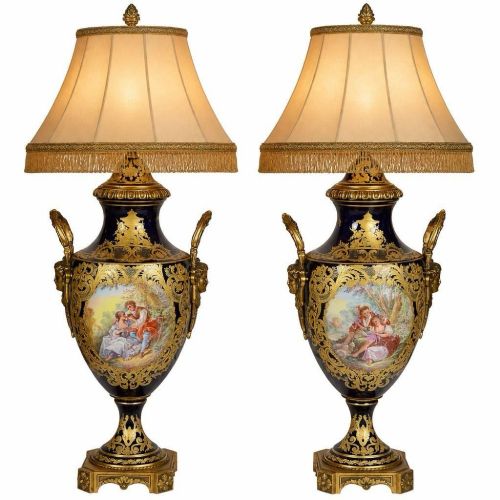
Victorian cobalt porcelain encompasses a wide variety of functional and decorative items, from large chargers and cabinet plates to vases, jugs and complete tea or dessert services. These pieces draw on nineteenth-century design trends, frequently incorporating rich blue grounds alongside contrasting motifs.
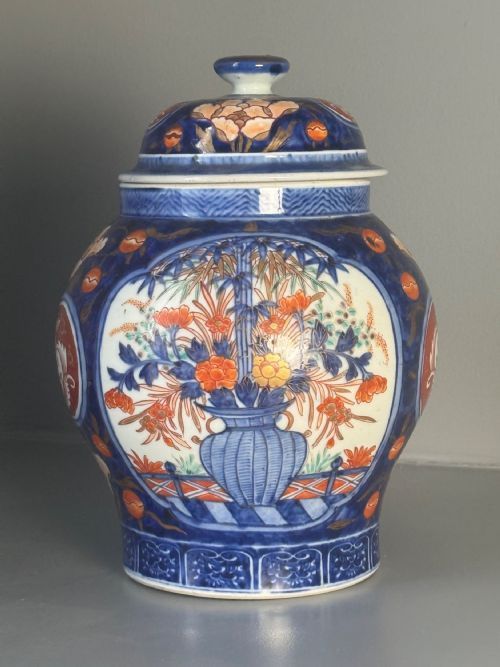
The selection ranges from domestic English pottery and bone china to continental French and Japanese export wares created in the broader Victorian period. Collectors encounter everything from individual cabinet pieces to paired garniture vases and multi-piece dining services.
How they were made
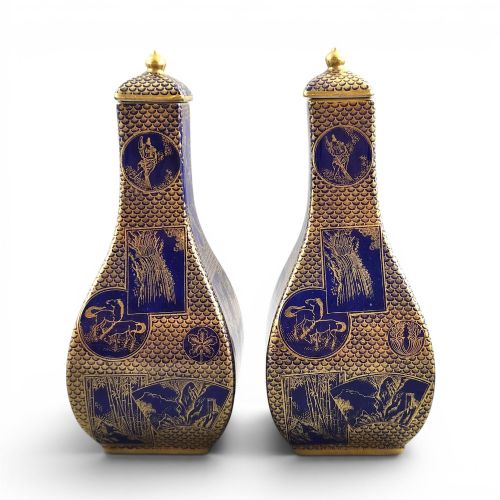
Makers applied cobalt blue colour directly to the porcelain body or suspended it within the glaze before firing, achieving deep, saturated tones across the surface. Many pieces then received intricate additions of gold leaf or hand-painted enamel details in subsequent low-temperature firings.
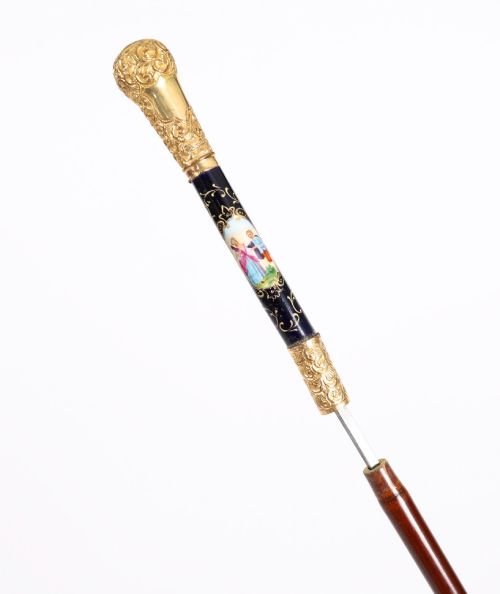
Manufacturers utilised porcelain, bone china and ironstone as bases for these decorated items, shaping them into Rococo Revival curves, classical urns or traditional round forms. Artisans also combined the fired ceramics with metal mounts, gilt bronze trim or bespoke wooden fittings.
Listings feature items from the nineteenth century, incorporating porcelain, bone china, ironstone, enamel and gold leaf across diverse styles.
What varies in quality
Quality rests significantly on the depth and evenness of the cobalt ground alongside the precision of the hand-applied gilding and enamel painting. Finer examples display crisp detail in figurative scenes or botanical motifs, whereas lesser pieces show softer lines and simpler transfer-printed outlines.
The refinement of the underlying ceramic body also dictates the tier of the piece, with delicate translucent porcelain sitting above heavier ironstone and earthenware forms. Furthermore, the presence of registered factory marks or attributed artist signatures elevates the standing of individual items.
Royal Crown Derby·Coalport·Jacob Petit·Mason·Doulton Burslem
The Victorian Cobalt Porcelain Glossary
- Cobalt
- A deep blue mineral oxide used to colour glazes and ceramic bodies before firing. It withstands high temperatures without losing its rich hue.
- Gilding
- The application of gold leaf or powdered gold to the surface of porcelain. It highlights rims, handles and decorative panels.
- Imari
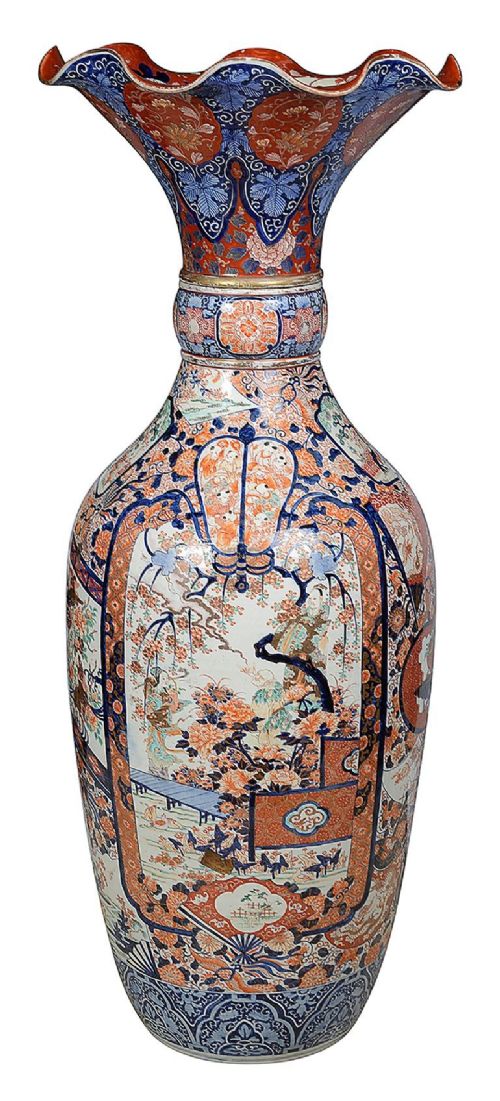
- A style of Japanese and European decoration featuring cobalt blue, iron red and gold. It appears frequently on nineteenth-century plates and vases.
- Ironstone
- A durable type of heavy earthenware patented in the nineteenth century. It offered a robust alternative to standard porcelain for utilitarian vessels.
- Charger
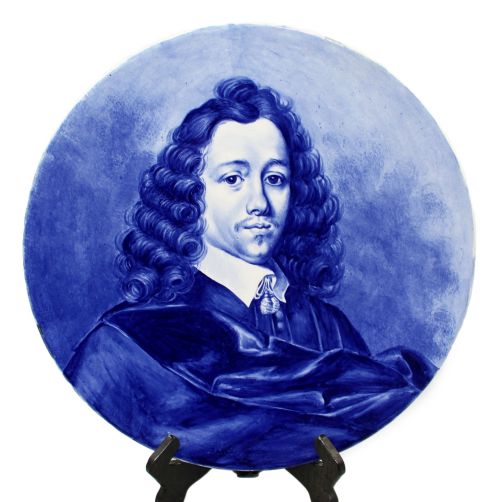
- A large decorative plate intended for display on a wall or sideboard rather than for dining use. These items often showcase elaborate hand-painted scenes.
Victorian Cobalt Porcelain: Frequently Asked Questions
How do I identify cobalt porcelain?
Look for a deep, saturated blue background colour that sits beneath or within the clear glaze. This intense blue often serves as a contrasting ground for gilt highlights and enamel painted motifs.
Examination of the base frequently reveals manufacturer stamps, pattern numbers or factory marks dating from the nineteenth century. These underlying ceramic properties help distinguish true porcelain from heavier ironstone or earthenware bodies.
Were these pieces used daily?
Many items, such as tea services, dessert sets and jugs, were designed for active dining and entertaining in Victorian households. Practical forms endured regular handling during formal meals and afternoon gatherings.
Conversely, large chargers, cabinet plates and ornate vases served purely decorative functions within the home. These display pieces remained on mantelsides, sideboards or walls to showcase household refinement.
Can I display them in sunlight?
Direct sunlight can cause certain overglaze enamel colours to fade over many years of continuous exposure. Placing pieces away from intense south-facing windows preserves the vibrancy of the pigments.
Stable indoor environments also protect delicate metal mounts and older ceramic bodies from sudden temperature fluctuations. Thoughtful placement ensures these antiques survive intact for future generations.