

Victorian Circular Breakfast Table
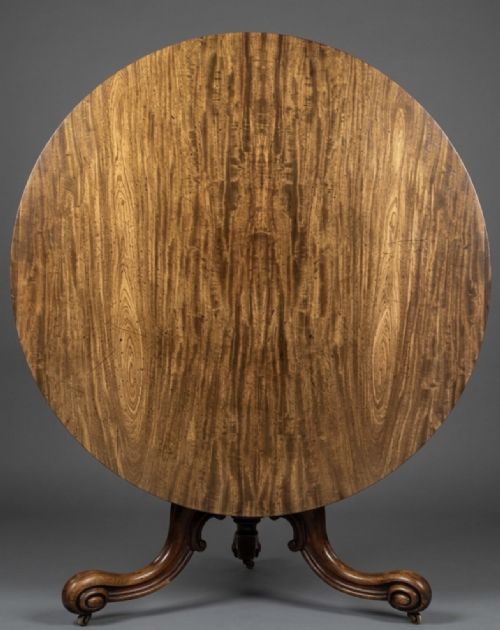
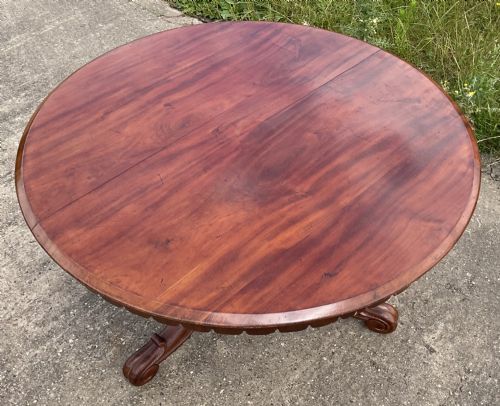
A victorian circular breakfast table brings sociable warmth and rich timber grain to a room.
Victorian Circular Breakfast Table
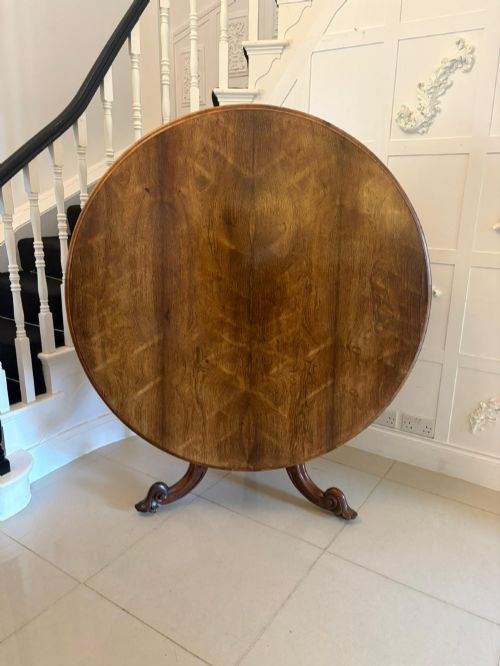
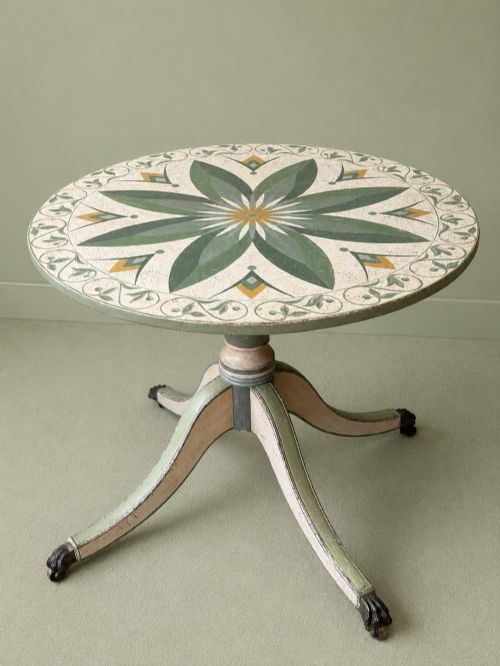
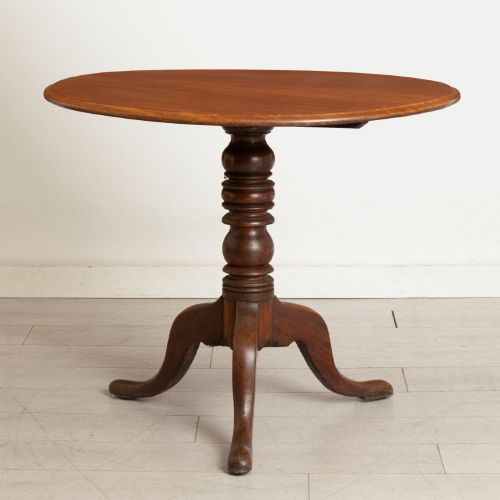
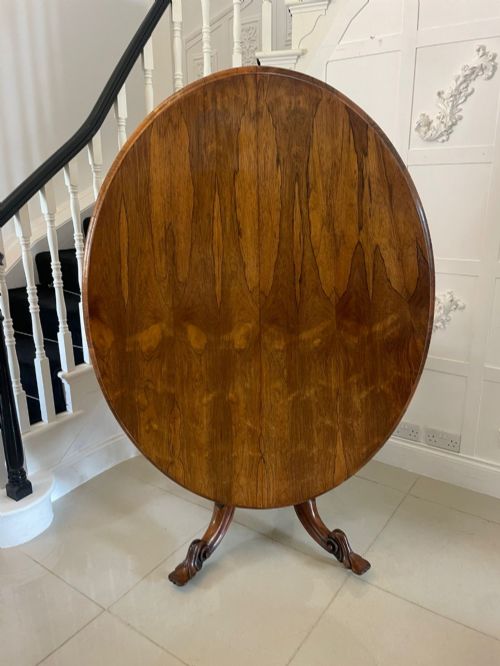
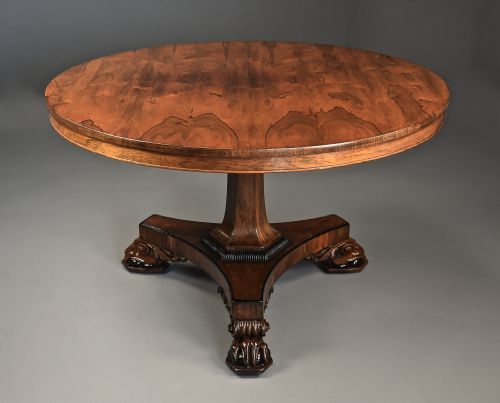
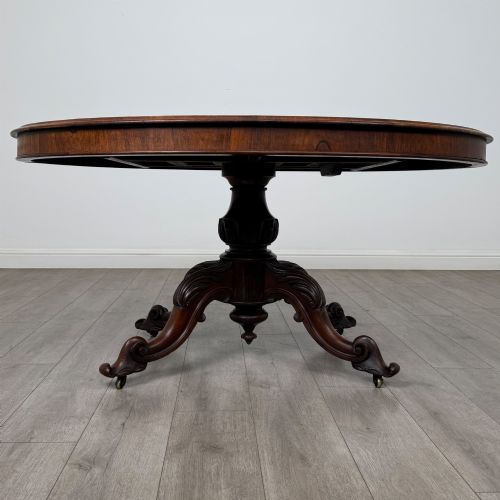
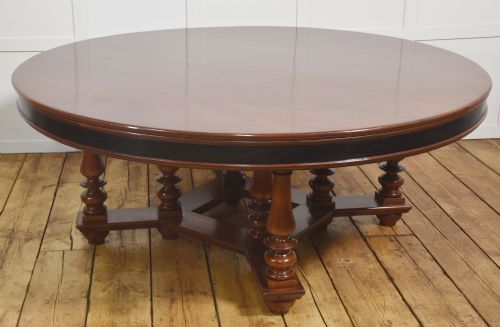
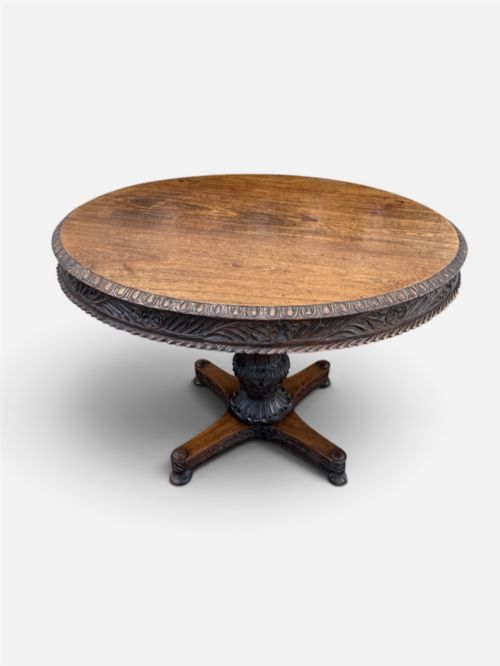
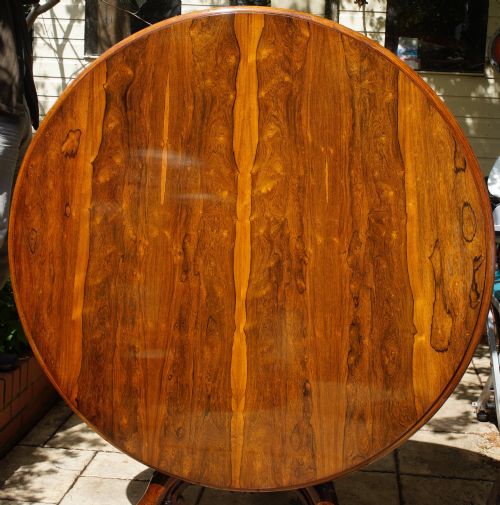
Rosewood and mahogany dominate the available pieces, often framed by a circular top supported on a pillar and carved tripartite or quadrupartite base. Buyers will frequently encounter examples from the mid-nineteenth century, alongside related centre and occasional tables sharing the same round silhouette.
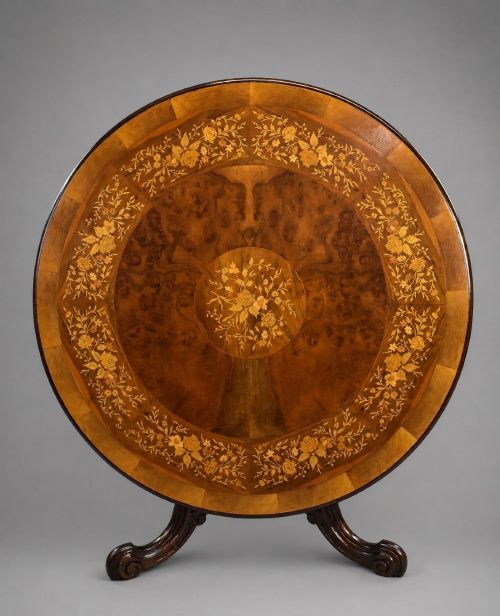
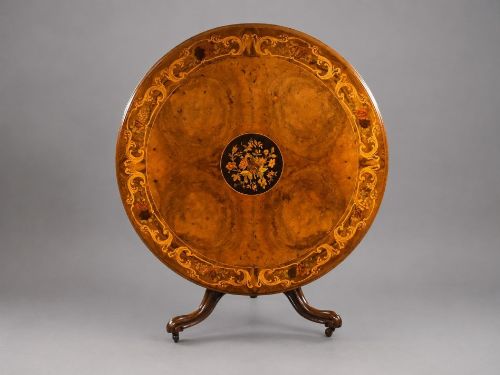
The assortment spans formal dining proportions down to smaller tilt-top formats, reflecting how houses of the period adapted round furniture for libraries, boudoirs and breakfast parlours. Many incorporate clever snap-top mechanisms or intricate marquetry borders to elevate their utility into decorative display.
Materials and construction
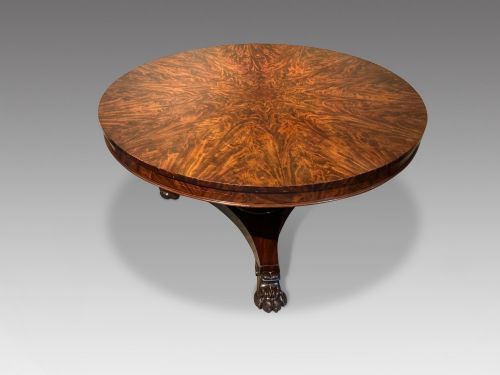
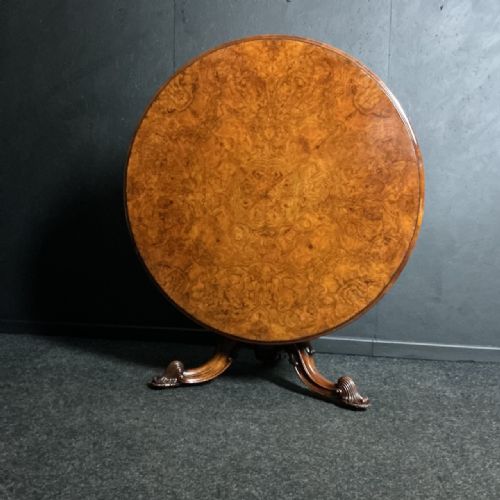
Cabinet makers built these tables using dense hardwoods like mahogany and rosewood, frequently applying burr walnut or flame mahogany veneers across the wide circular surfaces to create striking natural patterns. Solid timbers formed the robust central pedestals and supportive feet, which often feature carved scrolls or cabriole shaping.
The tilt-top or snap-top action relied on specialised brass locking catches fitted beneath the block, allowing the heavy top to pivot smoothly on a sturdy pivot pin. Marquetry inlay appeared on select walnut and rosewood tops, requiring precise hand-cutting of contrasting woods like satin birch to form floral or geometric motifs.
Some tables tilt so reliably you might suspect they were designed by an enthusiastic gymnast.
Judging the range
Quality reveals itself in the choice of timber veneer and the crispness of the hand-carving on the central pillar and feet. Finely figured rosewood or burr walnut with symmetrical grain patterns distinguishes top-tier examples from simpler mahogany or pine pieces.
The integrity of the tilt mechanism and the stability of the central pedestal connection dictate the structural merit of each piece. Superior execution shows in tight marquetry inlay work and joints that hold the heavy circular top level without wobble.
The Victorian Circular Breakfast Table Glossary
- Tilt-top
- A table mechanism featuring a hinged block that allows the circular surface to pivot vertically into a space-saving position against a wall.
- Marquetry
- Decorative veneer work formed by fitting pieces of contrasting woods together into elaborate patterns such as floral motifs or geometric borders.
- Snap-top
- A spring-loaded or brass catch system designed to lock a pivoted table top securely into the horizontal position during use.
- Pedestal
- The central vertical pillar supporting the heavy circular surface, typically resting on a carved tripod or quadrupartite platform base.
- Figured timber
- Wood grain possessing natural patterns, such as flame or burr formations, prized by cabinet makers for decorative table surfaces.
Victorian Circular Breakfast Table: Frequently Asked Questions
How were breakfast tables used?
These tables served wealthy households for morning meals in private rooms before dining rooms were fully utilised for the first meal of the day. Their portable nature meant they could be moved near a window or fireplace and tilted away afterwards.
Over the course of the nineteenth century, they transitioned into general-purpose centre tables for reading, writing and holding lamps in reception rooms. The tilt mechanism preserved valuable floor space when the room was needed for other activities.
What is a tilt top?
A tilt top incorporates a hinged mechanism beneath the surface that allows the heavy circular timber top to swing from a horizontal position into a vertical plane. This clever design let servants store large tables flat against the perimeter walls.
The metal catch or wooden pin locks the surface firmly in place when lowered for dining. Many surviving examples retain these original operational iron and brass fittings.
How do I date a table?
Dating relies on observing the combination of timber choices, base carving styles and the engineering of the undercarriage. Earlier pieces from the William IV and early Victorian periods tend to feature heavy rosewood pillars with bold scroll feet.
Mid to late Victorian examples often introduce burr walnut veneers, marquetry inlay, or lighter mahogany proportions. Comparing the grain and leg configuration against documented nineteenth-century forms provides a reliable guide.
Can I use one daily?
These tables are robust enough for daily dining or as a primary living room centrepiece, provided the top is treated with care against moisture and heat. The solid timber pedestals and heavy bases offer exceptional stability for everyday modern life.
Regular polishing with appropriate wax keeps the historic rosewood or mahogany finishes protected. Ensuring the tilt mechanism remains properly bolted prevents unnecessary strain on the central pivot block.