


Antique Starburst Top Table
An antique starburst top table brings geometric splendour to a room, using contrasting timbers to catch the eye.
Antique Starburst Top Table
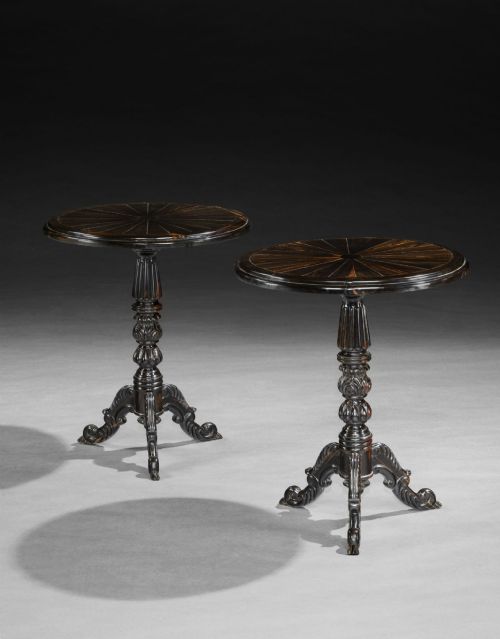
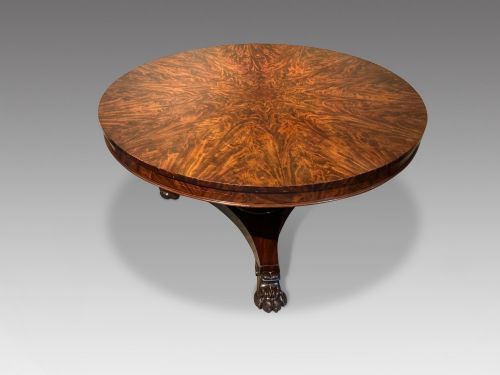
When searching for an antique starburst top table, a buyer encounters circular, rectangular, shield-shaped, and segmented surfaces resting upon various pedestal or tripod bases. The pieces span the eighteenth and nineteenth centuries, taking forms such as wine tables, occasional tables, centre tables, and dining tables.
The most common version met on this page is the Victorian circular pedestal or occasional table, frequently featuring intricate specimen wood veneers arranged in radial patterns.
Origins stretch from British workshops to Continental, Irish Killarney, Anglo-Indian, and New Zealand makers, demonstrating a wide geographic spread in the historical record.
How they were made
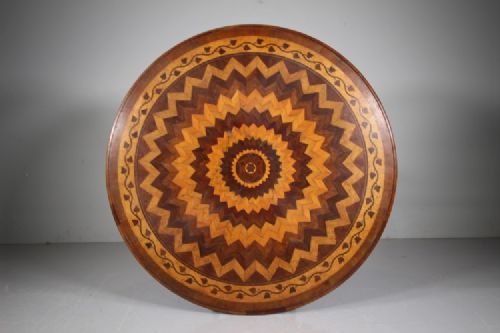
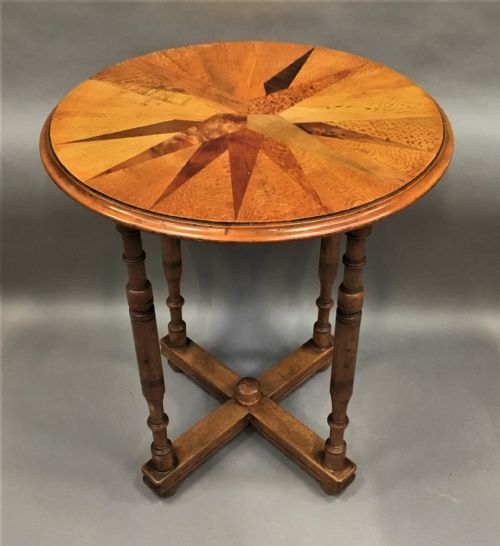
Cabinet makers utilised a rich palette of hardwoods including oak, walnut, mahogany, rosewood, ebony, and yew wood, often selecting flame or figured grains for maximum visual impact. Specimen wood veneers and arbutus wood were meticulously cut and fitted together to create the characteristic geometric starburst and parquet designs.
Many examples incorporate tilt-top, snap-top, or tripod mechanisms, requiring precise joinery to ensure the central pivot and pillar support functioned reliably while displaying elaborate hand decoration and marquetry.
Geographic origins range from Georgian Britain to Anglo-Indian colonial workshops, Victorian Killarney, and nineteenth-century New Zealand.
What varies in quality
Quality rests upon the precision of the timber matching and the intricacy of the specimen wood work, where tighter joints and a wider variety of contrasting timbers elevate a piece. The selection of the underlying carcase wood, from humble oak to rich ebony or rosewood, dictates the stature of the table.
Proportion and the execution of the pedestal base or tripod legs separate standard production from superior craftsmanship, ensuring structural harmony matches the decorative ambition of the top.
Anton Seuffert·William Norrie
The Antique Starburst Top Table Glossary
- Specimen wood
- Timber selected for its distinct colour or grain, used in combination with others to form decorative patterns. These woods often include exotic and native varieties arranged meticulously.
- Tilt top
- A table top hinged to the pedestal so it can be flipped vertical when not in use. This mechanism saved space in historical interiors.
- Tripod table
- A small occasional or wine table supported by a pillar on three legs. The design provides stable footing on uneven floors.
- Killarney ware
- Highly decorative Irish turned and inlaid wooden goods, often featuring local arbutus and madrona woods. They frequently display intricate marquetry views and geometric motifs.
- Parquet
- Geometric mosaic woodwork used for floors or table tops. It relies on precise angular fitting of multiple small wooden blocks.
Antique Starburst Top Table: Frequently Asked Questions
How do I use a tilt top table?
A tilt top table operates with a catch mechanism beneath the surface, allowing the top to pivot vertically.
This historical feature enabled easy storage against a wall when the furniture was not required for dining or display.
What woods are used in these tables?
Cabinet makers utilised walnut, mahogany, rosewood, oak, ebony, and yew, alongside specialised specimen wood veneers.
Exotic imports and native timbers were combined to achieve striking colour variations within the geometric designs.
How do I date a Victorian pedestal table?
Dating relies on combining the timber species, construction methods, and stylistic cues present in the pedestal and base.
Nineteenth-century examples frequently employ walnut or rosewood with elaborate turned columns and tripod supports.