
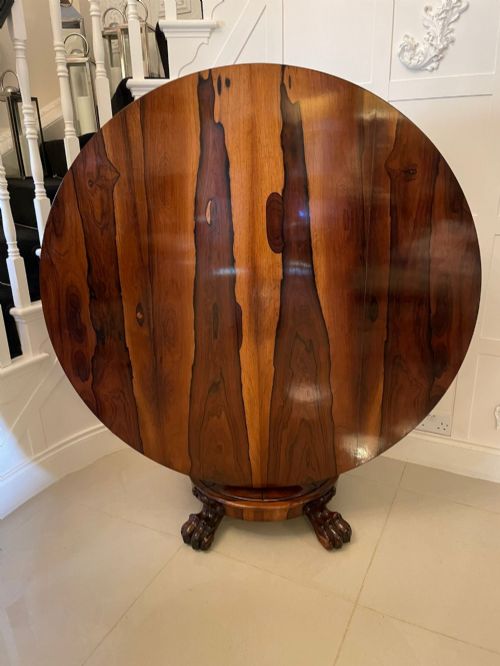


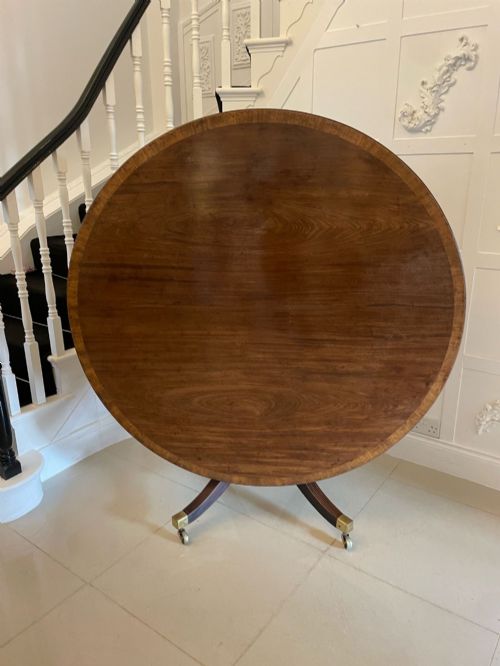
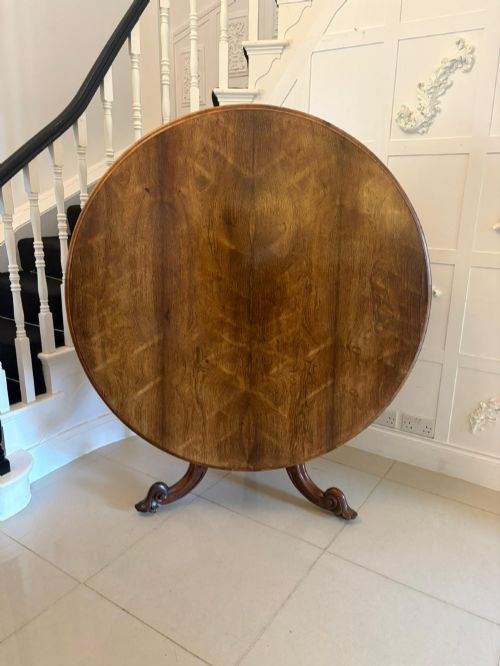
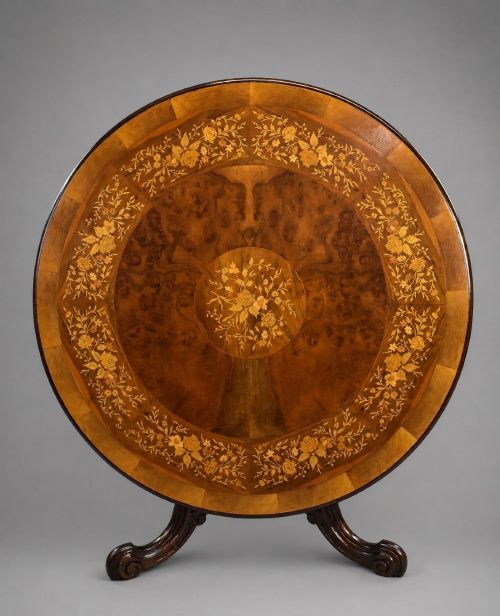
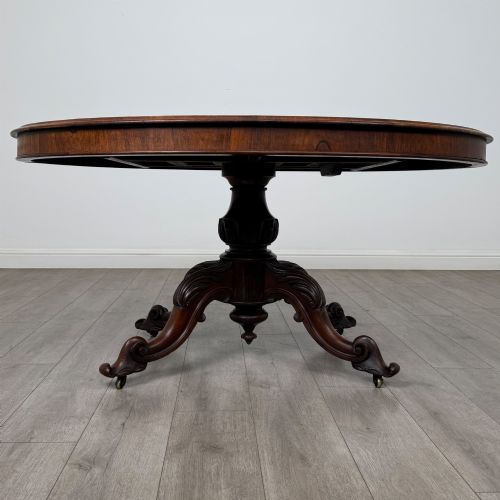
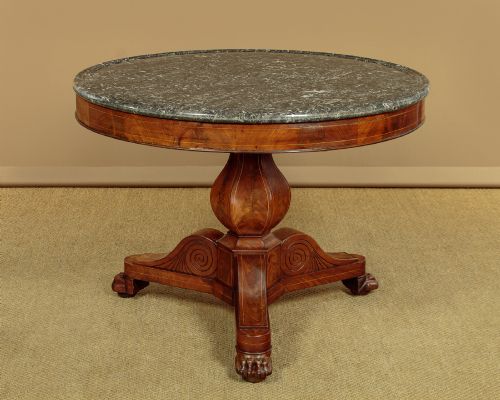
Round Pedestal Dining Table
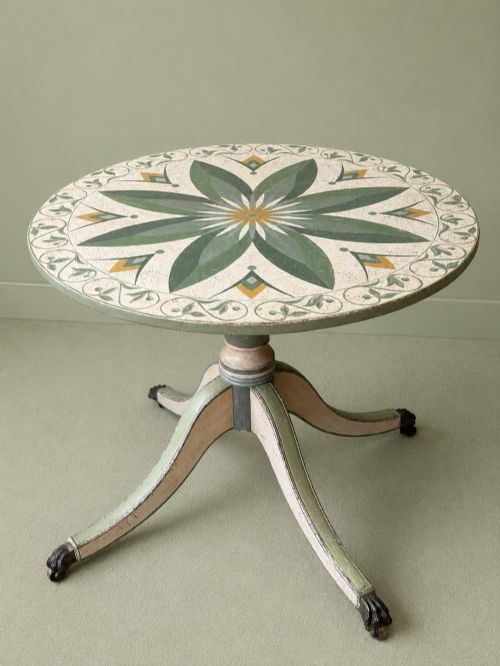
A round pedestal dining table gathers people around a single central column, offering a generous surface without the hindrance of corner legs.
Understanding the form
A round pedestal dining table brings together a circular top and a robust central support, creating an efficient and sociable arrangement for dining rooms. The evidence records examples originating from the nineteenth century, including specific pieces dated to around 1830 and 1860, alongside later twentieth-century iterations.
These pieces appear across several distinct historical periods, most notably the Victorian era, William IV, and Regency styles. Makers of the past utilised this pedestal construction to maximise legroom and allow diners to sit comfortably around the entire perimeter.
Forms range from intimate four-seater tables to larger designs intended to seat six or eight, sometimes accompanied by matching chairs. Variations include tilt-top mechanisms, segmented timber tops, and extendable configurations that adapt from round to oval shapes.
Materials and construction
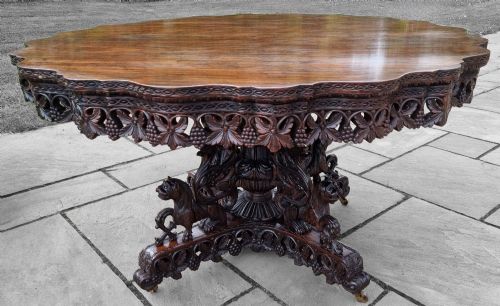
Makers relied heavily on dense hardwoods, constructing these tables predominantly from mahogany, flame mahogany, oak, walnut, and rosewood, with occasional examples in cherrywood and ash. These timbers provided the structural integrity required to support a large circular top upon a single central pillar and base.
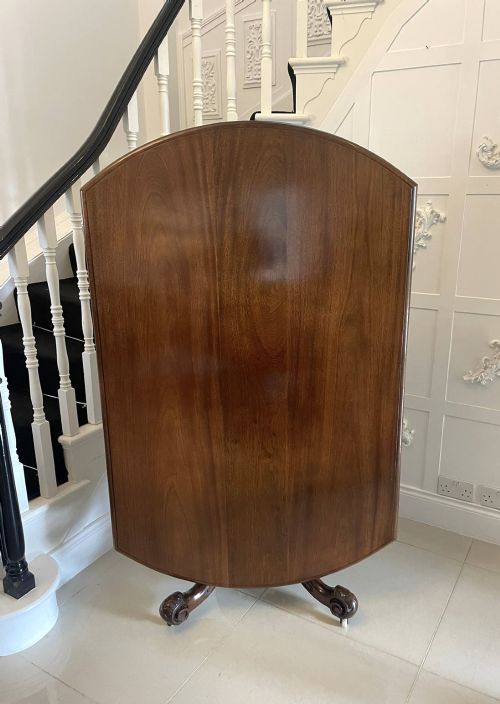
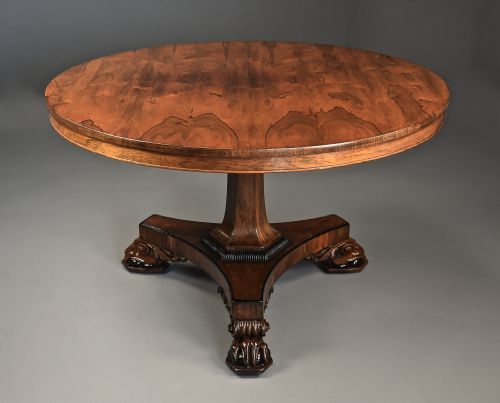
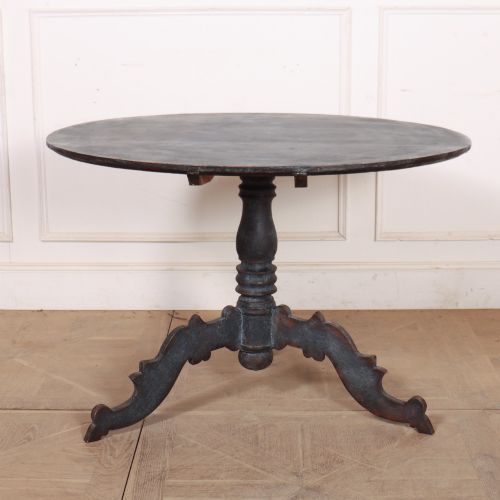
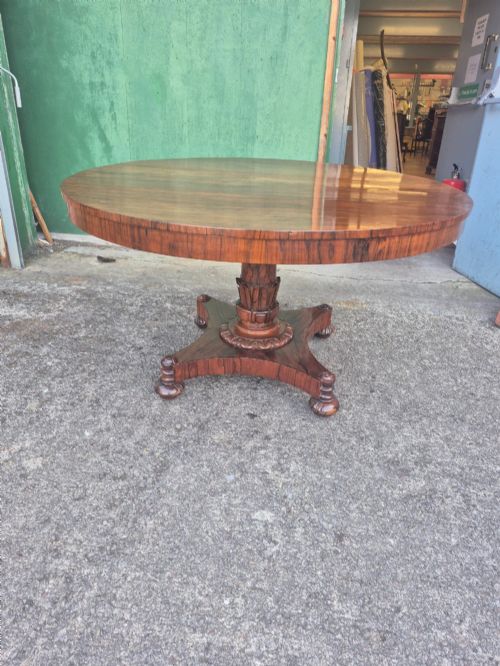
Construction techniques often involved tripod or platform pedestal bases, frequently carved or polished to highlight the natural grain of the wood. Many nineteenth-century items incorporate tilt-top or snap-top mechanisms, allowing the surface to fold vertically when not in use.
Retail Price Guide 2026
Typical UK retail prices for round pedestal dining table, calculated from the Sellingantiques database of over a million retail prices indexed since 2003. This retail price guide relies exclusively on Sellingantiques data; no external sources or auction records are used, so the figures do not describe the wider market.
Listings demonstrate a strong preference for mahogany across nineteenth-century and Victorian eras, alongside walnut, oak, cherrywood, and ash.
Distinctions in craftsmanship
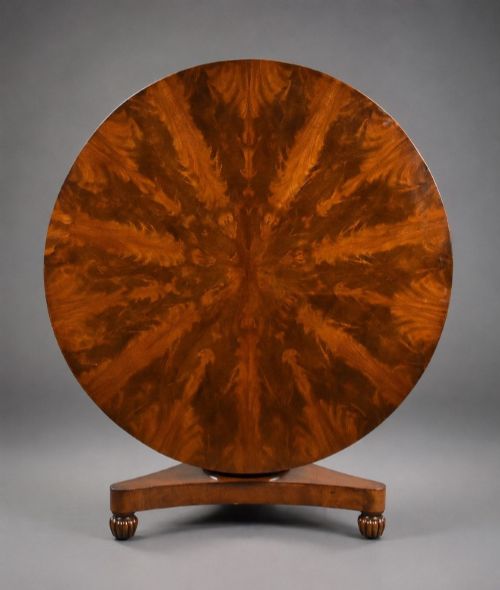
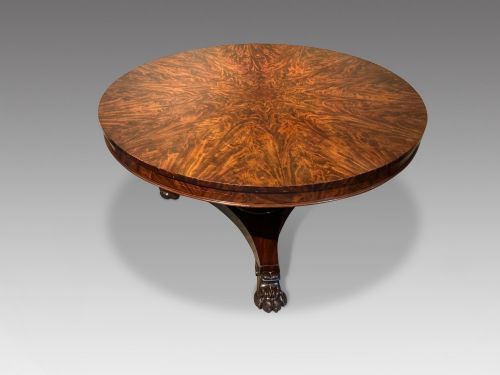
The standard of a round pedestal dining table depends significantly on the selection of timber veneers, particularly where figured flame mahogany or walnut is matched across a segmented top. Superior pieces display thoughtful grain alignment that radiates evenly from the centre.
Structural stability at the junction between the top, the central pedestal, and the base feet dictates longevity. Finer examples maintain a rigid, plumb column without wobble, even when employing complex tilt-top mechanisms or pull-out extending frames.
The Round Pedestal Dining Table Glossary
- Pedestal
- A single central support column replacing traditional four-corner legs. This design provides unimpeded legroom for diners seated around the perimeter.
- Tilt-top
- A hinged mechanism allowing the table top to pivot to a vertical position. This clever feature enabled tables to be stored flat against a wall when not in use.
- Flame mahogany
- Timber veneer cut from where a branch meets the trunk to create a distinctive flickering flame pattern. Cabinet makers prized this figure for prominent table surfaces.
- Snap-top
- A spring-loaded or catch mechanism that secures a tilt-top table in its horizontal dining position. It prevents the top from pivoting unexpectedly during use.
- Segmented top
- A table surface constructed from multiple distinct pieces of timber arranged symmetrically. This method displayed the natural grain to decorative effect.
Frequently Asked Questions
How do I seat six people around a round table?
A round pedestal dining table naturally accommodates diners without corner legs obstructing chairs. Selecting a diameter sufficient for six diners ensures adequate elbow room.
Positioning the chairs evenly around the central pedestal allows everyone to face inwards towards the centre of the table.
What is a tilt-top table used for?
Historically, tilt-top mechanisms allowed large tables to be tipped vertically and pushed against a wall when the dining room needed to be cleared. This practical feature saved valuable floor space in nineteenth-century homes.
Today, the tilting action also assists with moving or positioning heavy timber furniture through narrow doorways.
How can I tell a Victorian table from a Regency one?
Regency and William IV pieces often exhibit bolder architectural carving, heavier scrollwork on the pedestal base, and darker rosewood or mahogany timbers. Victorian examples frequently display rich mahogany veneers with simpler turned or carved central pillars.
Examining the construction methods underneath the top often reveals clues regarding the manufacturing date and period.
Do these tables extend for larger gatherings?
Certain nineteenth-century designs incorporate pull-out mechanisms that allow the round top to expand into an oval shape with the addition of leaves. This engineering provided flexibility for hosting larger dinner parties.
Non-extending versions maintain a fixed circular footprint suited to everyday dining spaces.