



Antique Oak Breakfast Table
An antique oak breakfast table brings sturdy timber and generous proportions to the room, offering a practical surface built to last centuries.
Understanding the antique oak breakfast table
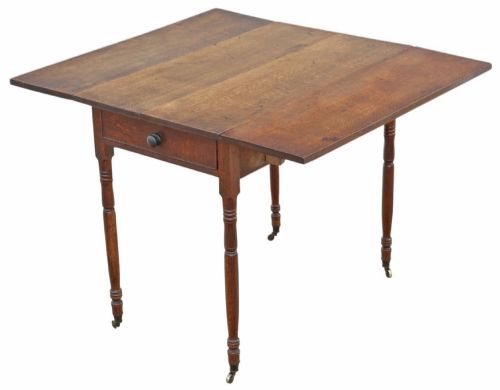
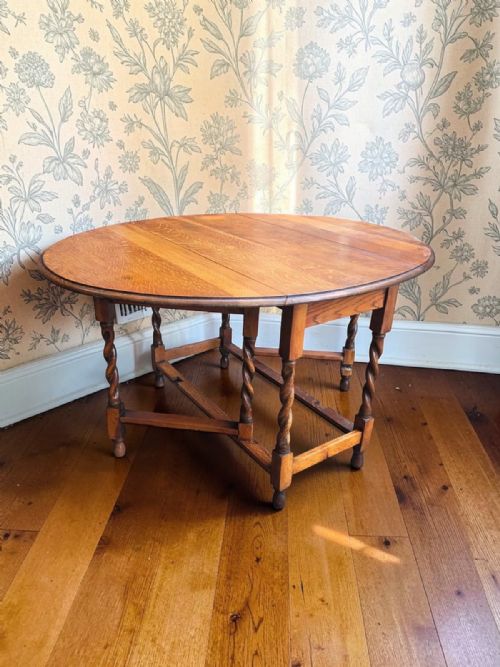
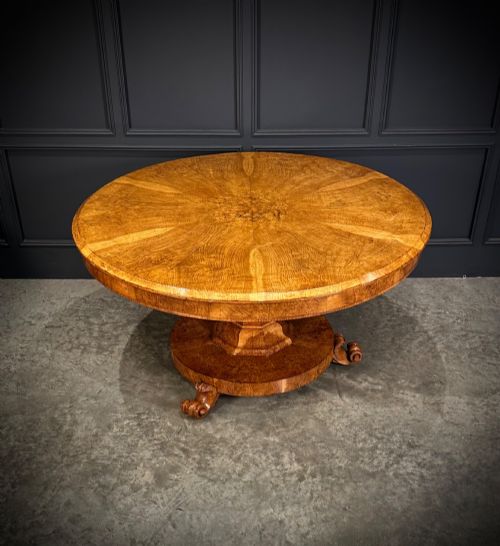
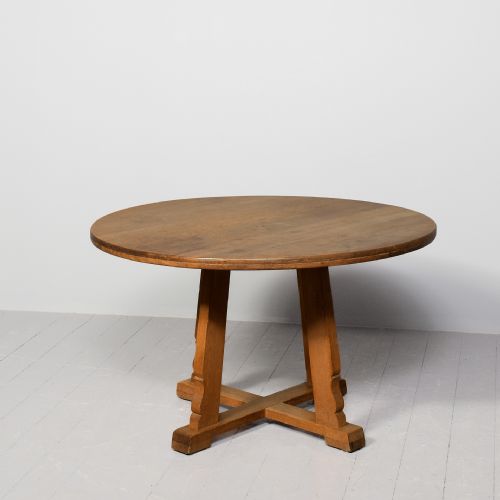
The antique oak breakfast table encompasses pieces designed for dining and morning gatherings, typically featuring robust timber construction from the eighteenth and nineteenth centuries. Examples on this page range from nineteenth-century Dutch centre tables to pollard oak round dining tables and tripod pedestal designs.
Buyers encounter various forms including tilt-top tripod tables from the Georgian era and smaller farmhouse variants suited for four seats. These tables reflect diverse regional influences, bridging formal dining requirements and everyday domestic use.
Materials and construction methods
Makers utilised solid oak and figured pollard oak veneers to build these tables, often incorporating iron fittings for stability in tilting mechanisms and structural joints. Timber selection determined both the load-bearing capacity of pedestals and the decorative grain patterns visible on table tops.
Carpenters employed traditional joinery techniques to construct tripod bases, pedestal columns and aprons that supported heavy wooden tops. Surface finishing enhanced the natural colour and texture of the wood without obscuring its intrinsic grain.
Tilt-top mechanisms let these tables double as impromptu room dividers, proving our ancestors appreciated clever space-saving engineering just as much as we do.
Assessing quality and craftsmanship
Superior examples display exceptional timber selection, such as richly figured pollard oak veneers or carefully matched solid oak boards with mellow colouration. The sophistication of the pedestal carving and the stability of the tilting mechanism separate fine cabinet work from simpler utilitarian pieces.
Proportion and balance dictate the overall success of the design, particularly in tripod tables where leg placement must securely support the top. Finer pieces demonstrate precise joinery and sympathetic surface treatments that preserve the character of the wood.
The Antique Oak Breakfast Table Glossary
- Pollard oak
- Oak timber harvested from trees that were pollarded, producing highly decorative and mottled grain patterns. Cabinet makers utilised these distinctive veneers for high-status table tops.
- Flip top
- A hinged table top mechanism that allows the surface to rotate and lock vertically for compact storage. This design is frequently found on nineteenth-century tripod breakfast tables.
- Tripod base
- A support structure featuring three legs radiating from a central column. It provides stable floor contact for round breakfast tables.
- Centre table
- A freestanding table finished on all sides intended to stand in the middle of a room. Nineteenth-century Dutch examples often showcase this versatile placement.
Frequently Asked Questions
What is an antique oak breakfast table?
An antique oak breakfast table is a wooden dining or centre table dating from earlier centuries, built primarily from oak or pollard oak.
These tables were designed for morning meals or general domestic use, appearing in various formats including round pedestal designs and rectangular farmhouse tables.
What is pollard oak?
Pollard oak comes from trees pruned near the trunk to encourage dense branching, which creates unusual and highly figured wood grain.
Craftsmen prized this material for decorative table tops, where the swirling patterns added visual depth and luxury to the piece.
How do I care for an oak table?
Protect the timber by avoiding direct sunlight and excessive moisture, using coasters and placemats during daily use.
Regular polishing with traditional beeswax helps maintain the mellow colour and nourishes the historical grain without building up synthetic residues.