
Antique Circular Tables
These antique circular tables bring versatility and rich timber grain to any room, offering everything from compact tripod lamp stands to large dining centerpieces.
Antique Circular Tables
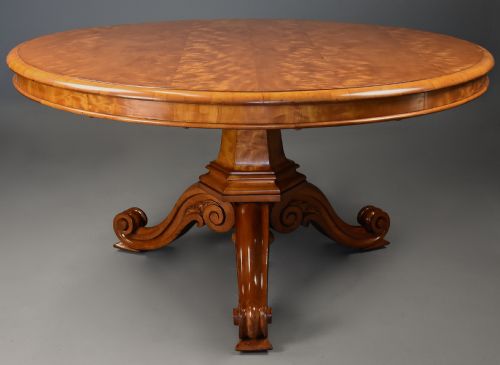
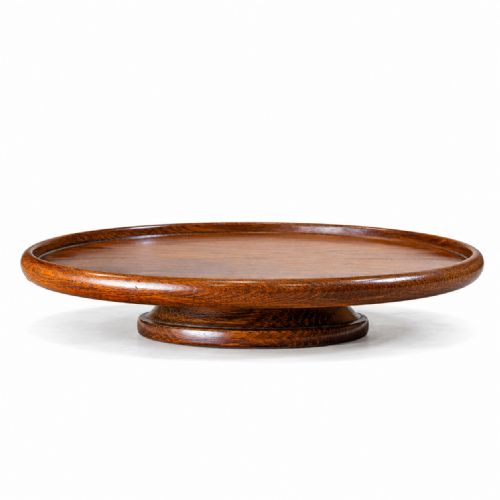
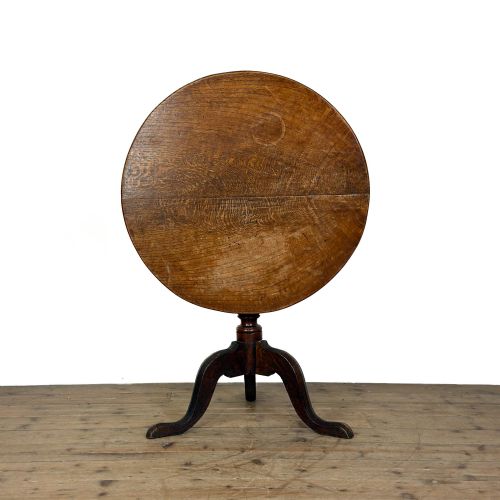
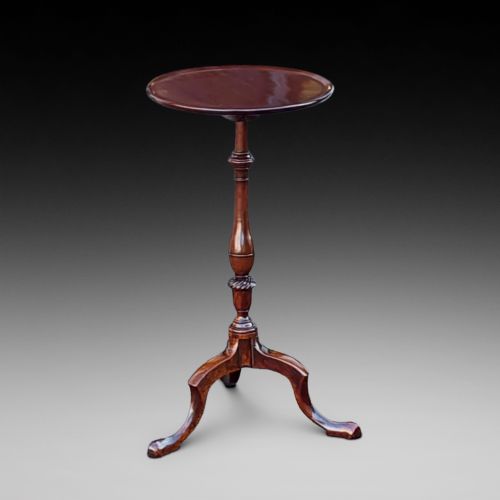
When you search for antique circular tables, you encounter a remarkably broad spectrum of domestic furniture spanning several centuries. The selection ranges from small Georgian wine tables and tilt-top lamp stands to grand Victorian dining tables and intricate Edwardian pieces.
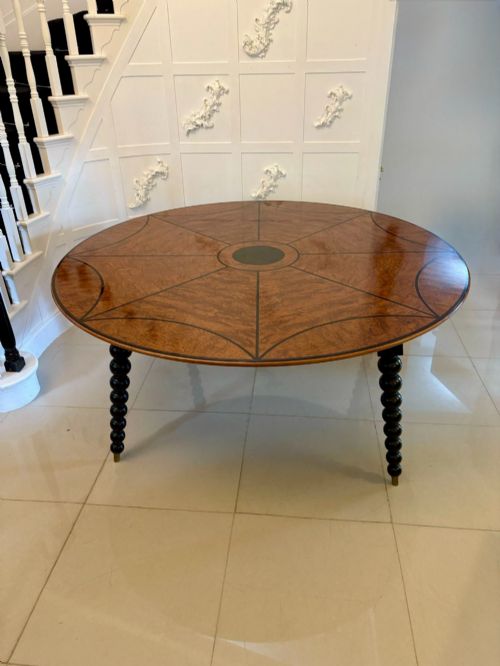
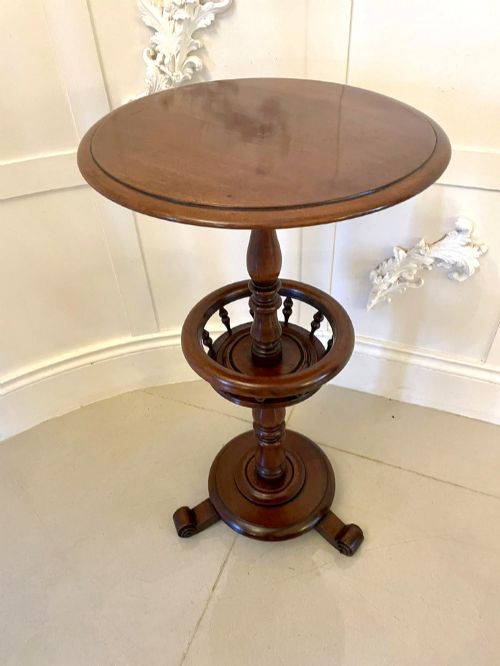
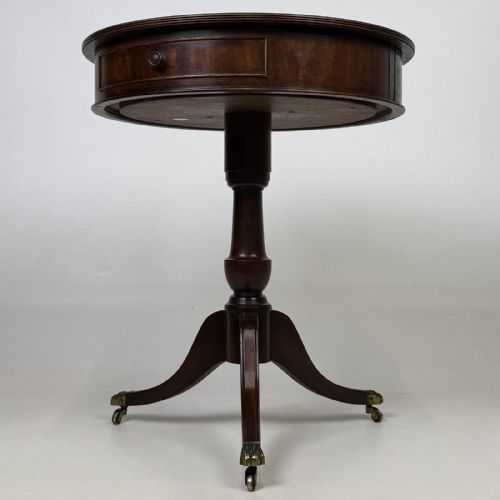
The forms vary considerably according to their original domestic function. Occasional, wine and lamp tables provide compact surfaces, while centre tables, drum tables and dining tables anchor larger rooms with substantial pedestals or tripod bases.
How they were made
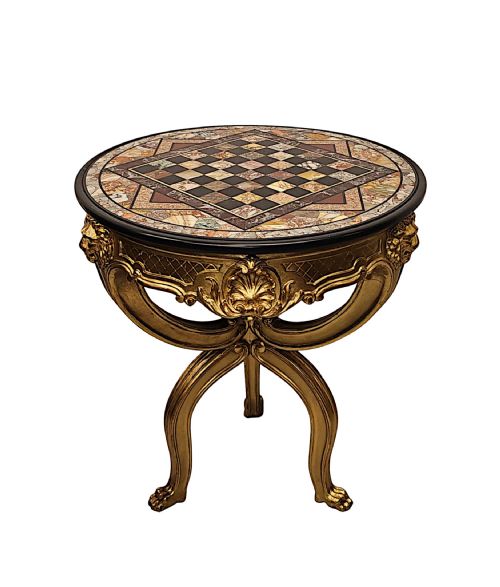
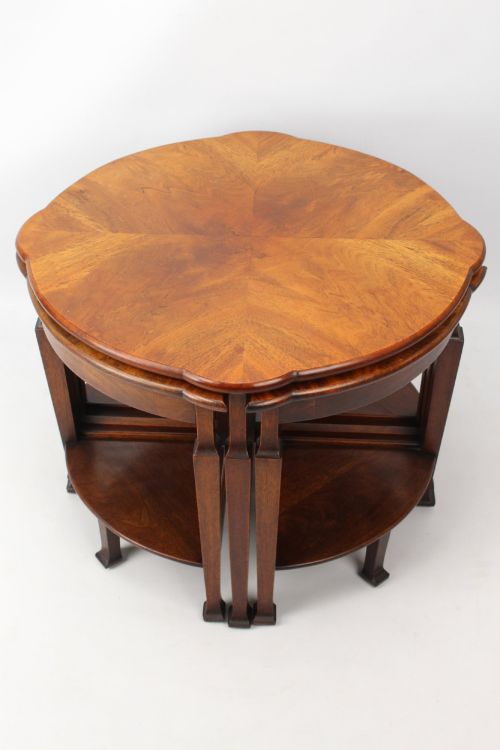
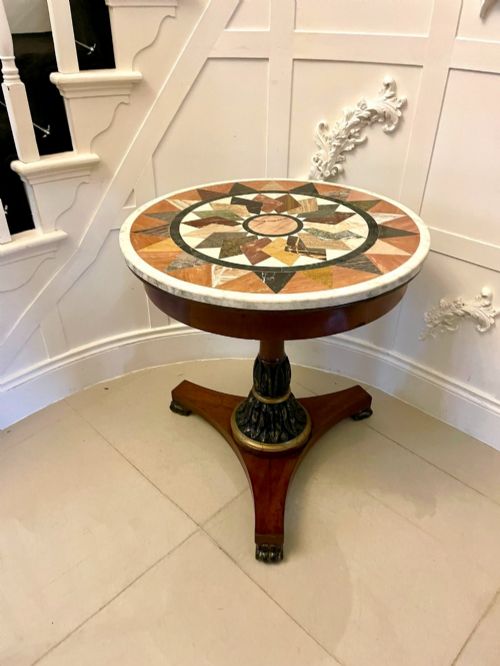
Cabinetmakers relied heavily on rich timbers such as mahogany, rosewood, walnut, and oak to construct these pieces. Frequently, they utilised burr walnut, burr maple, or marquetry and parquetry inlays to create decorative visual patterns across the round tops.
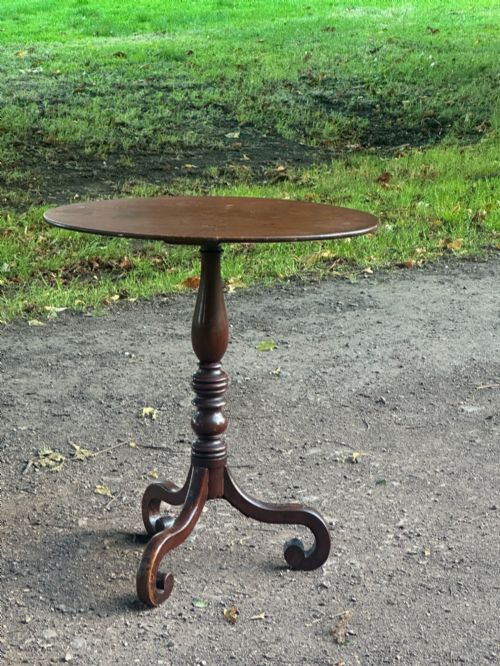
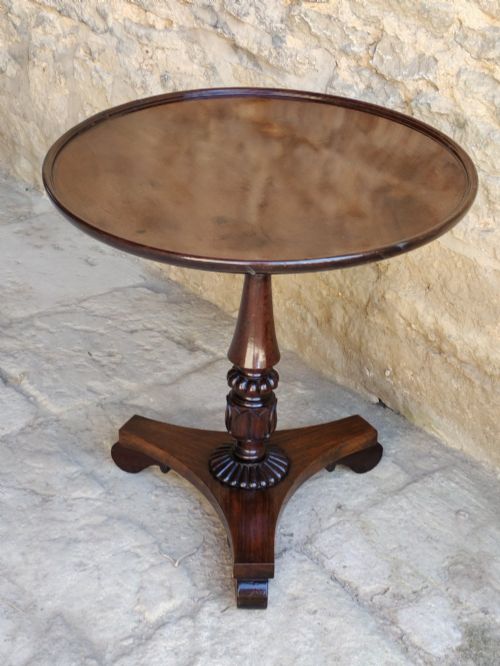
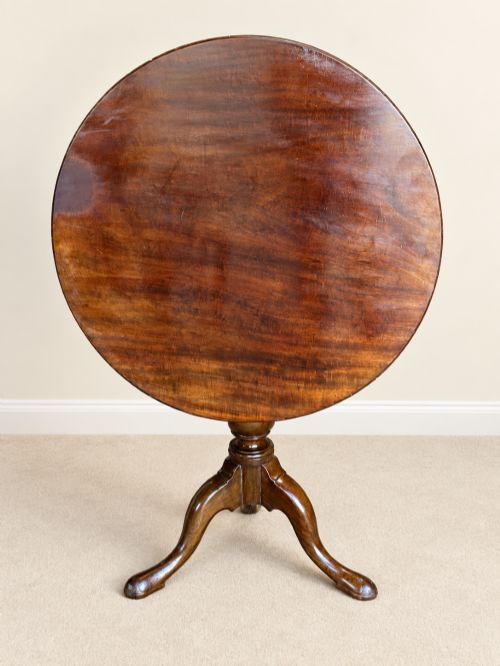
Support structures typically involved stable three-legged tripod bases, central pillars with brass castors, or carved pedestals. Many earlier examples incorporated tilt-top mechanisms allowing the round surface to be folded away vertically when not in use.
Several tables retain their original castors, ensuring they can still wheel smoothly across the floor just as they did centuries ago.
What varies in quality
The distinction between ordinary and exceptional examples rests upon the selection of timber figures, such as figured mahogany or burr walnut, and the precision of the cabinetwork. Subtle details like brass inlay, carved pillar work, and the integrity of the tilt-top mechanism dictate the standing of a piece.
Origin and stylistic ornamentation also shape the character of the work. Italian marquetry, French carving, and Regency brass detailing reveal the specific ambition of the maker and the refinement of the era.
Gillows·Francois Linke
The Antique Circular Tables Glossary
- Tilt-top table
- A table with a hinged top that pivots to a vertical position for storage. This mechanism allowed round tables to be placed against walls when not in use.
- Tripod base
- A three-legged support structure commonly found beneath smaller occasional and wine tables. It ensured stability on uneven historical floorboards.
- Drum table
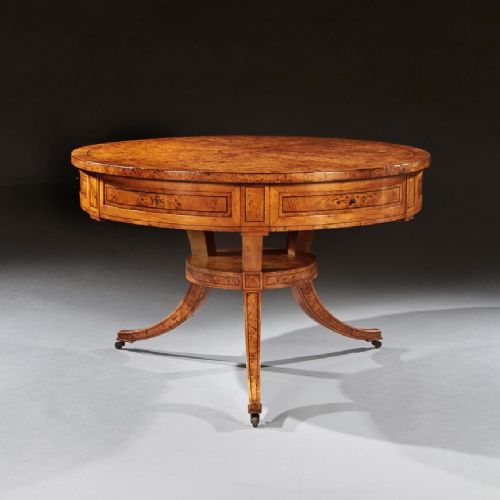
- A heavy, circular library table featuring a wide top and multiple drawers around the circumference. They often stood on a central pillar with a splayed base.
- Marquetry
- Decorative veneer work arranged in pictorial or geometric patterns using various coloured woods. It frequently adorned the tops of fine occasional tables.
- Gueridon
- A French term for a small circular table or stand, usually supported by a single central column. They became popular for holding lamps or decorative objects.
Antique Circular Tables: Frequently Asked Questions
What is a tilt-top table used for?
Tilt-top tables served primarily as occasional or lamp tables during the evening and were folded away against the wall during the day to save floor space.
Their flexible design made them practical additions to Georgian and Victorian parlours where rooms needed to adapt quickly for different activities.
How do I identify a Regency circular table?
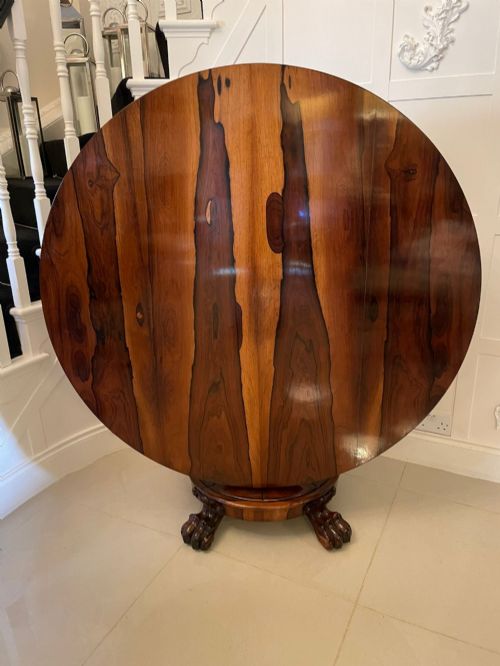
Regency tables often feature dark mahogany or rosewood timbers, frequently accented with precise brass inlay or gilt mounts. They tend to stand on robust central pedestals with substantial paw feet or castors.
Looking underneath reveals the construction methods and timber ageing typical of the early nineteenth century.
Where should I place an antique drum table?
Drum tables work well as freestanding centrepieces in a study or library because their circular shape and surrounding drawers remain accessible from all sides.
Their generous top surfaces also suit an entrance hall when paired with a central lamp or floral arrangement.
How do I tell an Edwardian wine table apart from a Georgian one?
Edwardian wine tables often display lighter mahogany frames and machine-milled components reflecting the production standards of the early twentieth century.
Georgian equivalents generally show deeper timber patination, hand-turned pillars, and structural joinery consistent with eighteenth or early nineteenth-century handcraft.