
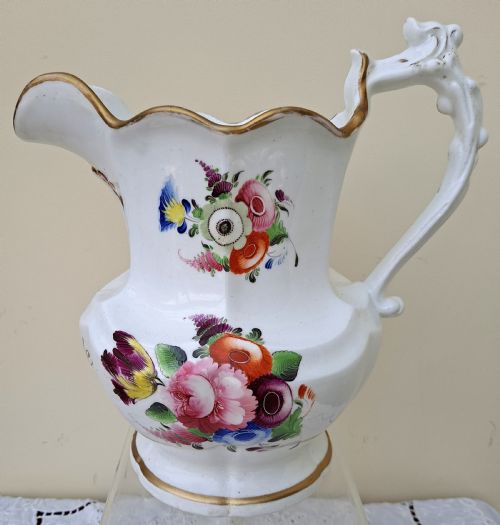
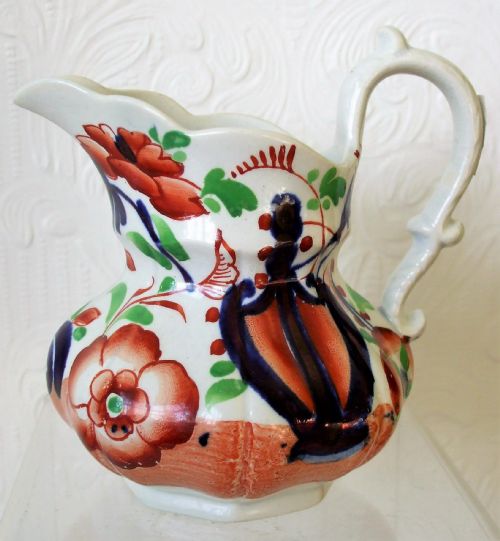


Victorian China Pitcher
A victorian china pitcher brings heavy ironstone and delicate porcelain to the washstand or table, offering lasting charm for daily use.
Victorian China Pitcher
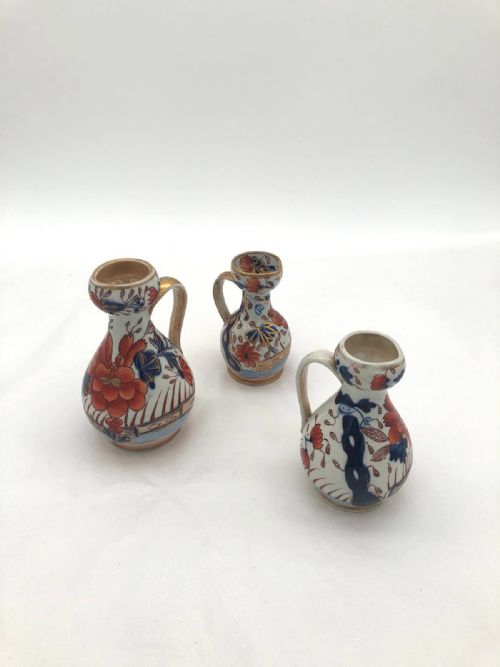
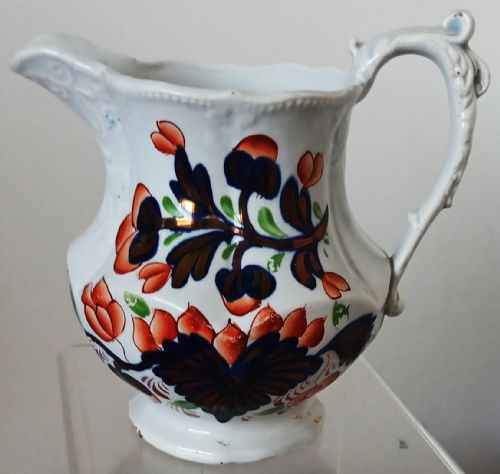
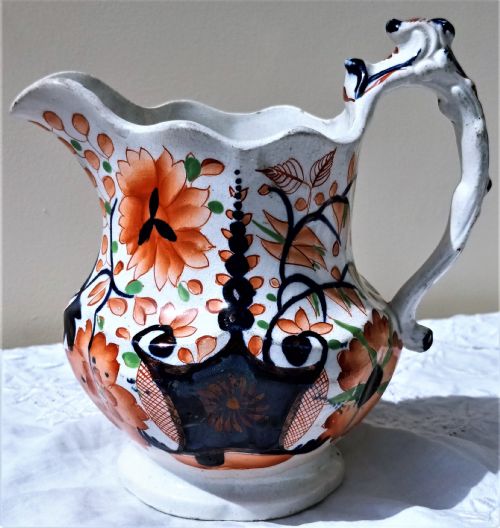
When you search for a victorian china pitcher, you encounter substantial ceramic vessels that served nineteenth-century households for washing and pouring. The most common forms on this page include sturdy ironstone jugs alongside hand-painted earthenware and porcelain examples.
Makers produced these pitchers in diverse patterns, ranging from gaudy welsh pagoda motifs to ornate chinoiserie and imari designs. Many pieces survive today as part of complete wash jug and bowl sets or as standalone decorative pitchers.
The material spans heavy ironstone china, earthenware, and refined porcelain, often enriched with gilt accents or enamel colours. These vessels bridge utilitarian needs and decorative display within the nineteenth-century domestic interior.
How they were made
Potters shaped ironstone and earthenware bodies by press-moulding or casting, applying glazes to seal the porous clay. Ironstone provided a durable, dense fabric well suited to large wash jugs and basin sets.
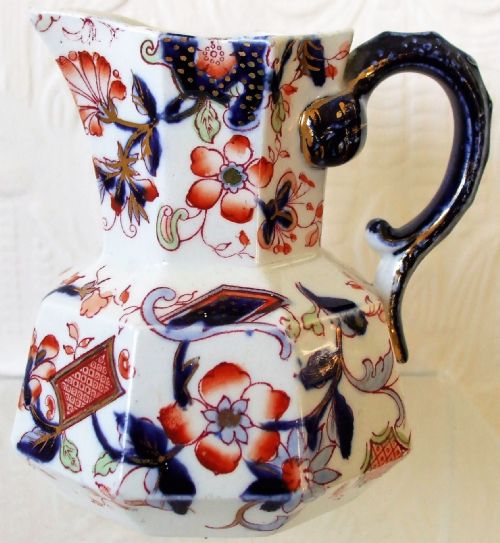
Painters applied enamel colours and gold leaf over or under the glaze, often adding transfer-printed outlines before final kiln firing. Specific forms such as the hydra jug required specialised moulding for their characteristic serpent handles.
Listings feature nineteenth-century ironstone, porcelain, and earthenware alongside decorative styles including aesthetic movement and rococo revival.
What varies in quality
The crispness of moulded relief work and the precision of hand-painted enamels separate standard utility vessels from exceptional pieces. Potteries like Mason's and Doulton Burslem achieved superior weight and denser ironstone bodies.
The preservation of original gilding and vibrant enamel colours determines the visual impact of each pitcher. Intricate decorative styles such as rococo revival or aesthetic movement patterns reflect greater artistic ambition.
Mason's·Keeling & Co.·John Baley·Livesley Powell & Co·Davenport·Doulton Burslem·Coalport·Royal Worcester·Staffordshire
The Victorian China Pitcher Glossary
- Ironstone
- A dense, durable ceramic perfected in the nineteenth century to resist chipping while mimicking fine porcelain. It forms the heavy body of many large pitchers and basin sets.
- Earthenware
- A porous pottery fired at lower temperatures, commonly used for nineteenth-century painted jugs. It requires a vitreous glaze to hold liquids.
- Gilt
- A thin layer of gold or gold leaf applied to ceramic surfaces for decorative highlights. It often accents rims, handles, and painted motifs.
- Hydra jug
- A specific pitcher form featuring a moulded serpent handle, produced by English porcelain and ironstone makers. The design draws inspiration from classical antiquity.
- Enamel
- Opaque vitreous colours fused to the ceramic body in a kiln. It provides the vibrant hues found on gaudy welsh and chinoiserie patterns.
Victorian China Pitcher: Frequently Asked Questions
How were wash pitchers used?
Victorian households placed these pitchers alongside matching basins on bedroom washstands for morning ablutions. Servants filled them with fresh water daily.
Today, these vessels serve as flower vases or decorative tabletop displays, bringing historical character to modern interiors without requiring a matching basin.
What is ironstone china?
Ironstone is a heavy, durable ceramic patented in the nineteenth century to provide a sturdy alternative to porcelain. It withstands daily use while maintaining a refined appearance.
Pitchers made from this material feel notably weighty and typically display thick walls covered in clear glaze.
Are these pitchers safe for liquids?
Most nineteenth-century pitchers feature glazed interiors that safely hold water and other cold liquids. However, antique enamels and gilt surfaces benefit from gentle hand washing rather than automated cleaning.
Using them for fresh flowers or serving water remains a practical way to enjoy these historical ceramics.