


Victorian Floral Water Jug
These Victorian floral water jugs bring hand-decorated botanical charm to washstands and sideboards alike.
Victorian Floral Water Jug
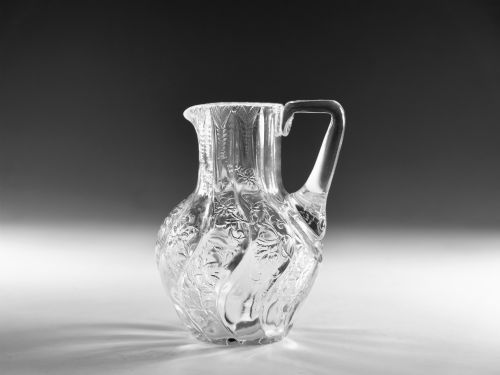
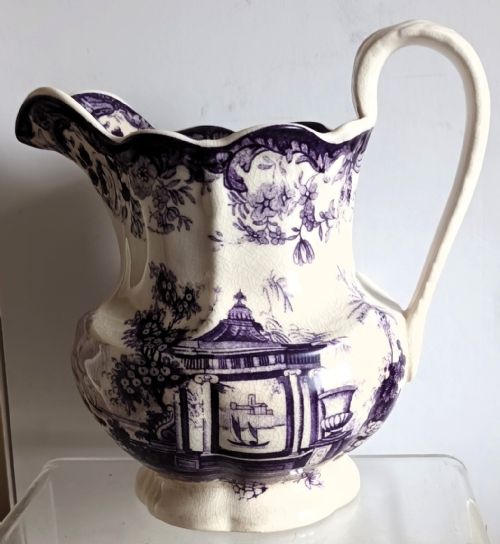
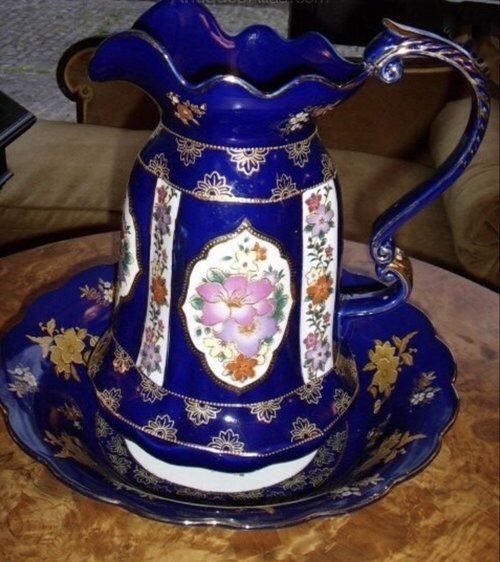
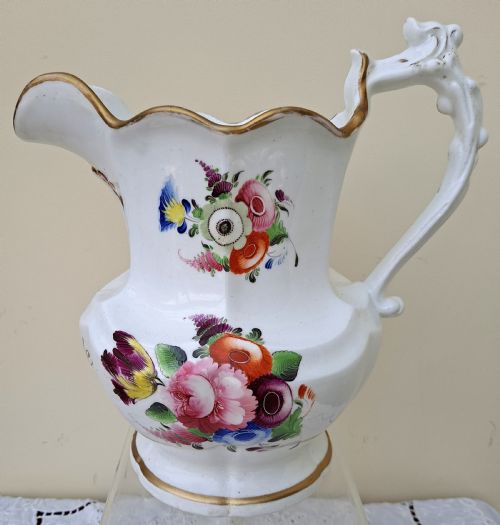
A victorian floral water jug serves as both a functional vessel and a decorative display piece, frequently appearing within washstand sets alongside matching basins. When searching this phrase, buyers encounter earthenware, porcelain, and glass pieces adorned with hand-decorated flower designs, transfer-printed patterns, and enamel painting.
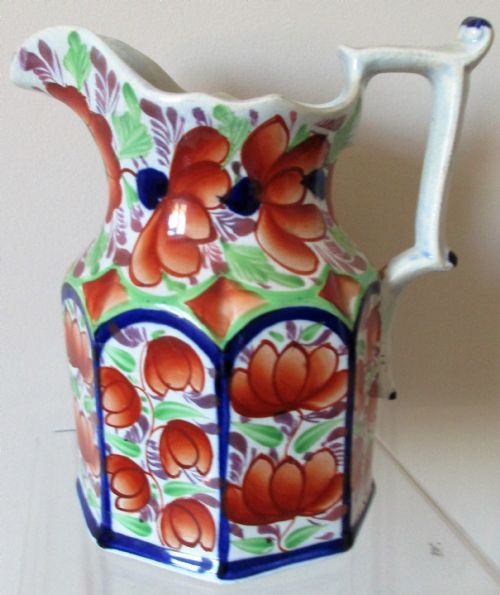
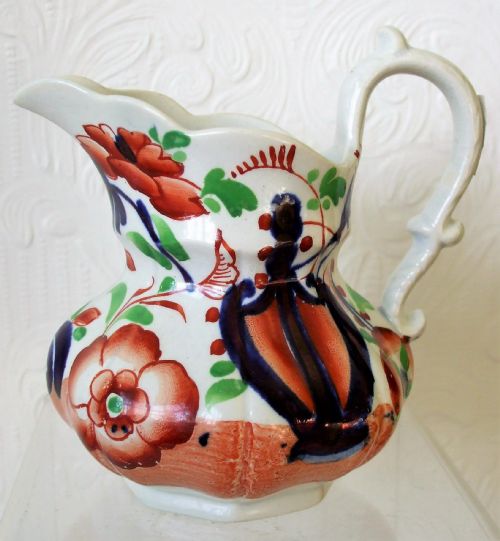
The selections span the nineteenth and twentieth centuries, incorporating Victorian, Edwardian, and Aesthetic Movement styles alongside Gaudy Welsh pottery patterns. Forms range from standard jugs and pitchers to decorative ewers and commemorative pieces bearing floral motifs.
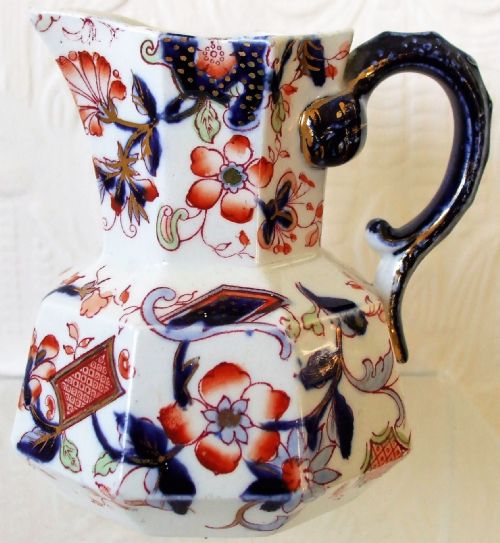
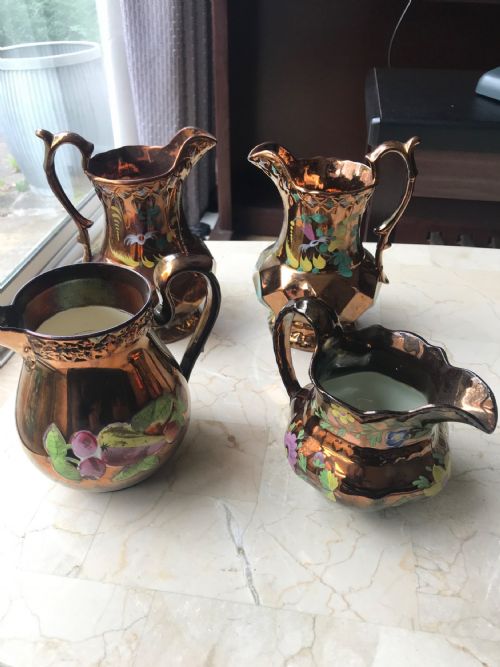
Many examples originate from notable English potteries and glasshouses, displaying cobalt blue glaze, copper lustre, or hand-engraved floral surfaces.
Materials and methods
Pottery and porcelain bodies form the foundation of most pieces, shaped into jugs, ewers, and wash basin sets using traditional ceramic techniques. Earthenware and ironstone provide sturdy structures for daily utility, whilst lead crystal and glass offer translucent alternatives.
Decoration relies heavily on hand-painting, transfer printing, and enamel application to render botanical motifs and floral sprays. Gilding, gold leaf, and copper lustre accents frequently highlight handles, rims, and moulded relief patterns.
Some nineteenth-century vessels proudly display a pouch-shaped belly, as though they swallowed a Sunday roast.
Assessing quality and craftsmanship
Superior examples demonstrate crisp definition in moulded details, such as the distinctive handles and relief floral motifs found on ewer forms. The precision of hand-painted enamel and the depth of cobalt blue glaze or copper lustre distinguish workshop output.
Maker attribution elevates desirability, particularly when pieces carry factory marks from established English potteries or distinguished glass manufacturers.
Stevens & Williams·Keeling & Co.·John Baley·Royal Worcester·Doulton Slater·Doulton Burslem
The Victorian Floral Water Jug Glossary
- Ewer
- A large jug with a wide spout and ornate handle, traditionally paired with a basin for washing. These pieces often feature sculptural bodies and decorative floral panels.
- Transfer print
- A decoration technique where a design is engraved on a copper plate, printed on paper, and transferred onto the ceramic surface before glazing. This method allowed consistent floral patterns across production runs.
- Gaudy Welsh
- A style of colourful pottery characterised by bright cobalt blue, copper lustre, and iron-red floral motifs on a white earthenware body. It gained popularity during the nineteenth century.
- Copper lustre
- A metallic glaze finish that imparts a coppery sheen to ceramics, often combined with hand-painted floral decorations. It reflects light warmly across the surface of the jug.
- Aesthetic Movement
- A late nineteenth-century design style that emphasised visual beauty over narrative content, often incorporating Japanese-inspired floral elements and textured surfaces.
Victorian Floral Water Jug: Frequently Asked Questions
What is a victorian floral water jug used for?
These vessels originally served practical functions on washstands, holding water for personal hygiene alongside matching basins. They also functioned on sideboards for serving water or as decorative display pieces.
Today, collectors utilise them as interior display items, umbrella stands, or large vases for dried and fresh botanical arrangements.
How do I identify a victorian floral water jug?
Look for characteristic nineteenth-century material compositions such as earthenware, heavy porcelain, or enamel-painted glass. Floral motifs, transfer-printed flower patterns, and hand-decorated botanical details are central to the group.
Check for maker marks, registration numbers, or period-specific glaze styles like copper lustre or cobalt blue underglaze to confirm origin.
Are these jugs part of larger washstand sets?
Many examples on the market originate from complete washstand sets that include matching basins, slop buckets, and soap dishes. These sets formed an essential part of nineteenth-century bedroom furnishings before indoor plumbing became universal.
Individual jugs often survived separately from their original basins, having been repurposed over time for floral displays or general decorative use.
How should I clean and care for antique ceramic jugs?
Dust surfaces gently with a soft, dry cloth to prevent accumulation in moulded details and around handles. Avoid harsh chemical cleaners or abrasive scouring pads, which can damage delicate enamel painting, transfer prints, and gold leaf gilding.
Hand wash gently with mild soap and lukewarm water only when necessary, and ensure pieces are thoroughly dried afterwards.