

English Ceramic Jug
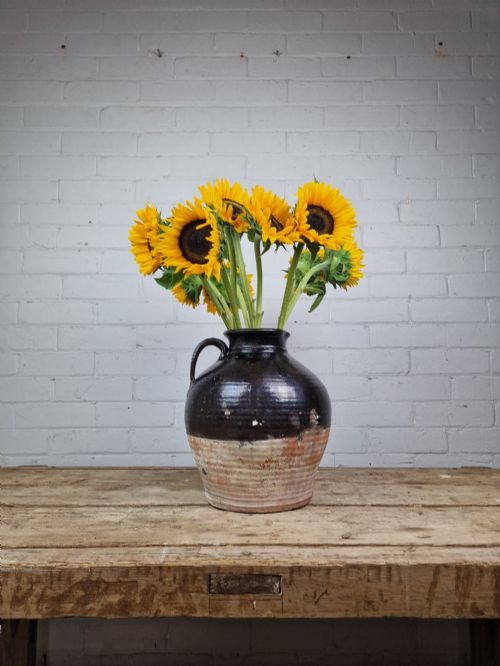
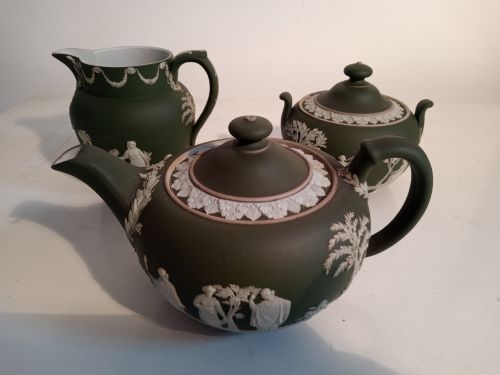
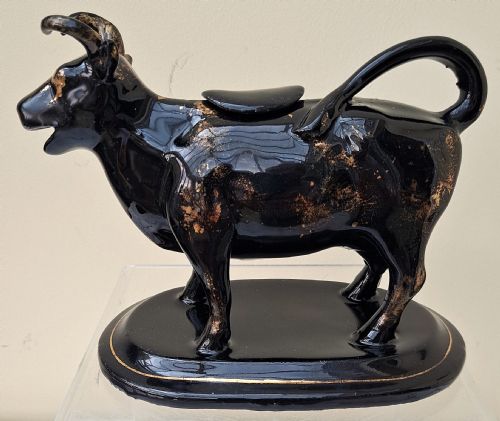
An English ceramic jug brings centuries of kiln craft to the table, offering tactile historical utility through earthenware, porcelain, and stoneware forms.
English Ceramic Jug
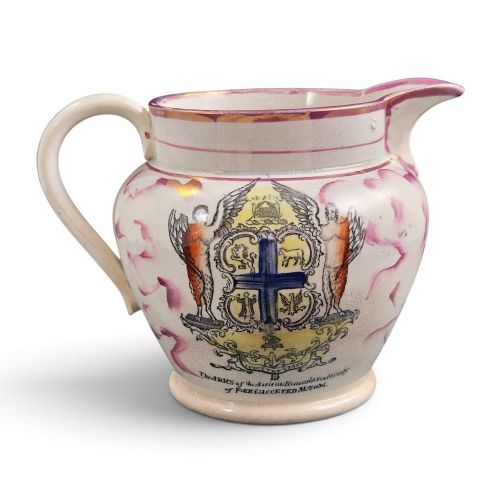
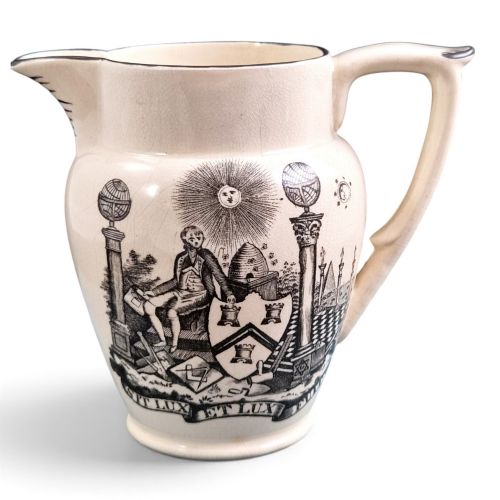
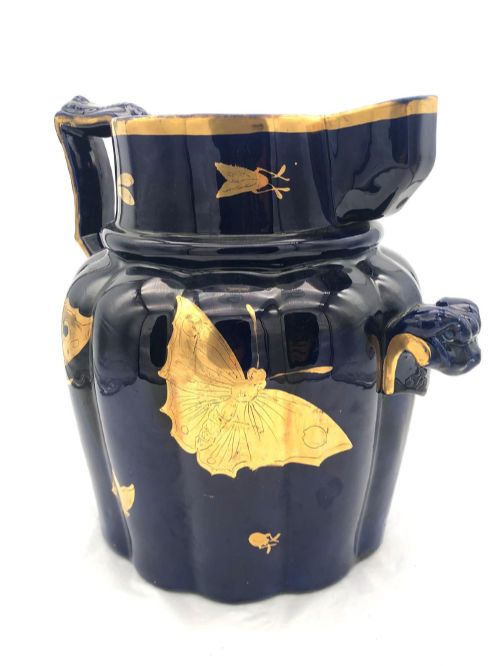
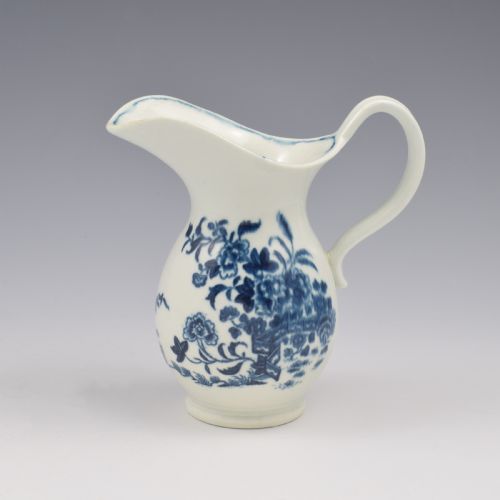
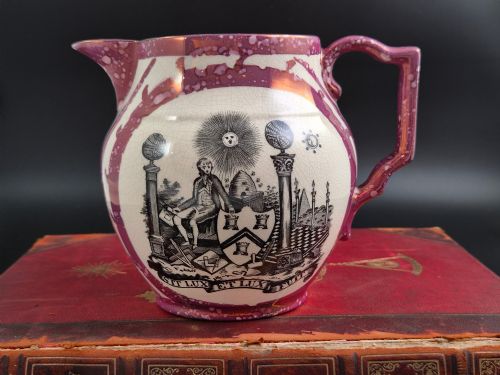
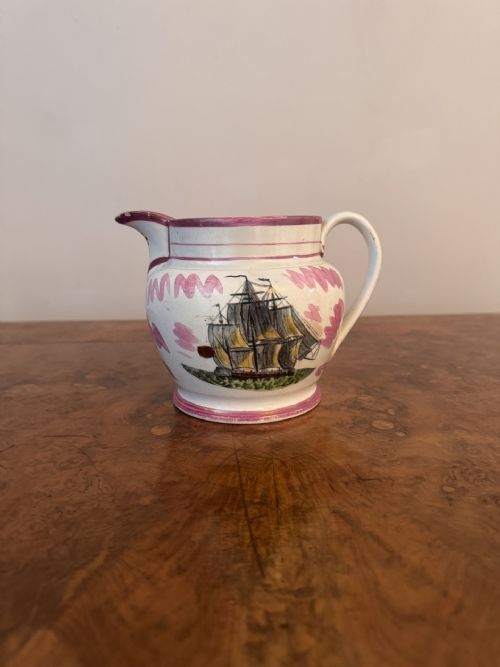
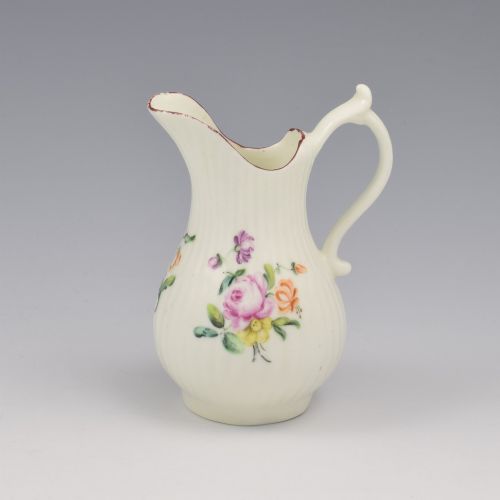
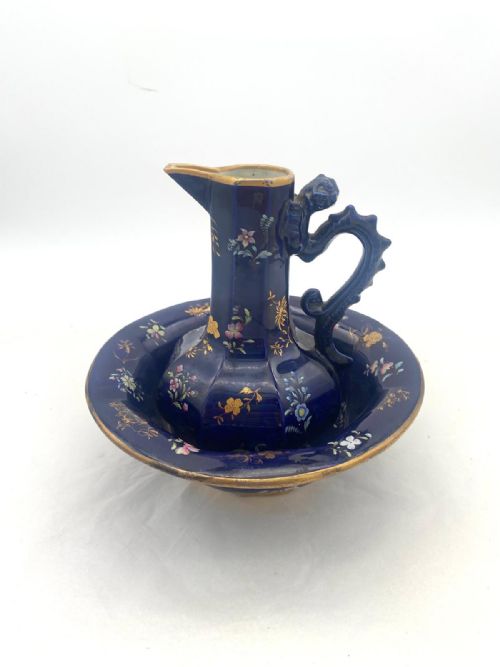
When you search for an English ceramic jug, you encounter domestic vessels spanning utilitarian cream jugs to commemorative display pieces. The listings show forms ranging from small milk ewers to large multi-quart Masonic and maritime vessels.
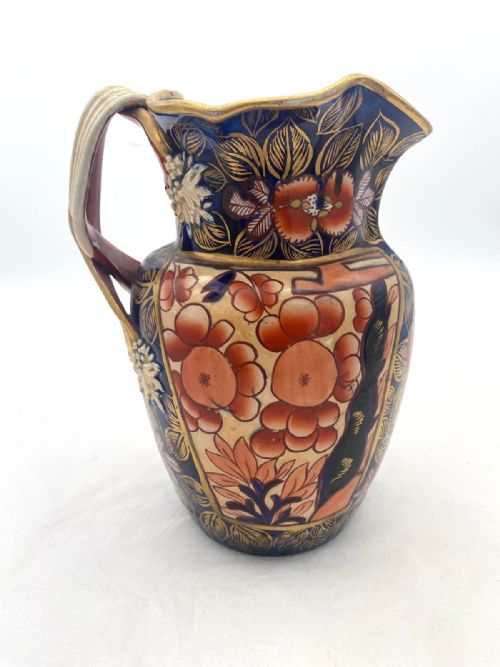
Nineteenth-century Victorian examples predominate on this page, alongside Georgian creamware and porcelain milk jugs from the eighteenth century. Makers utilised earthenware, ironstone, pearlware, and porcelain to shape pitchers for everyday service and special gatherings.
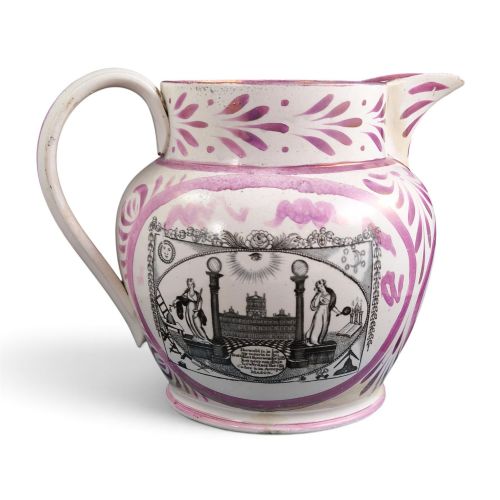
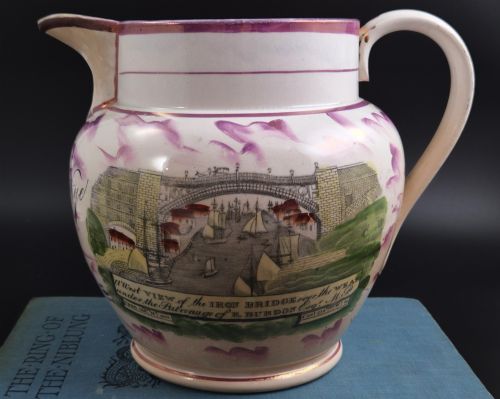
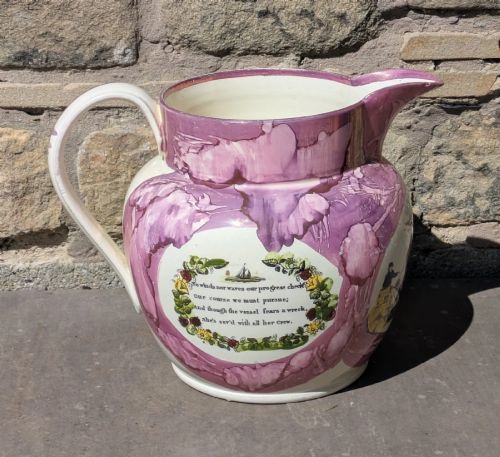
Regional potteries produced distinct regional types, notably Sunderland lustre pieces decorated with transfer prints and pink splash glazes. Staffordshire factories contributed figurative toby jugs and copper lustre wares, while Doulton Lambeth supplied salt-glazed stoneware.
How they were made
Potters shaped these bodies using local clays, refined creamwares, heavy ironstone, or delicate soft-paste and hard-paste porcelain. Many vessels received moulded relief decoration or slipware trails before drying and firing in kilns.
Glazing involved dipping the fired clay into tin or lead mixtures, sometimes adding pink splash lustre or gold leaf details. Transfer printing transferred intricate black, magenta, or polychrome designs onto the surface prior to a final low-temperature fix.
Listings feature earthenware, ironstone, and porcelain across Georgian and Victorian periods, with Sunderland lustre and Doulton Lambeth stoneware prominent.
What varies in quality
Quality rests in the crispness of the moulded relief, the evenness of the glaze, and the precision of transfer-printed or hand-painted details. Early porcelain jugs display finer body translucency and thinner walls than robust nineteenth-century ironstone.
The clarity of historical inscriptions, named dates, and transfer subjects distinguishes standard utilitarian vessels from commemorative exhibition pieces. Superior examples maintain intact gilding, unblemished lustre surfaces, and sharp handle attachments.
Derby Porcelain·Leeds Pottery·H & R Daniel Porcelain·Keeling & Co.·New Hall·Doulton Lambeth·Royal Worcester·Mason's Ironstone·Wedgwood·Emma Shute
The English Ceramic Jug Glossary
- Lustreware
- Earthenware or porcelain decorated with a metallic film that gives an iridescent sheen. Sunderland pieces frequently used pink splash lustre.
- Creamware
- A refined light-coloured earthenware developed in eighteenth-century Staffordshire by potters like those at Leeds. It replaced heavier salt-glazed stonewares for table service.
- Transfer printing
- A method of applying engraved paper designs onto pottery using copper plates and metallic oxides. This technique allowed repeatable historical or topographical scenes.
- Ironstone
- A heavy, durable patented ceramic body introduced in the nineteenth century by Mason and others. It combined earthenware and feldspar to resist chipping.
- Pearlware
- A refined earthenware with a bluish-white glaze designed to mimic Chinese porcelain. It bridged the transition from creamware to nineteenth-century white ironstone.
English Ceramic Jug: Frequently Asked Questions
What is a toby jug?
A toby jug depicts a seated stout figure, usually holding a mug and a pipe, wearing eighteenth-century attire. These pottery vessels served ale in taverns and homes.
Staffordshire potteries produced numerous variations throughout the nineteenth century, naming specific characters like Lord Nelson or local squires.
How do I date a lustre jug?
Lustre jugs are dated by examining the ceramic body, handle shape, and transfer print subjects. Pearlware bodies and simple looped handles generally point toward the early nineteenth century.
Marked commemorative dates, specific naval ships, or known bridges like the Iron Bridge over the Wear provide exact chronological anchors for Sunderland pieces.
What distinguishes ironstone from porcelain?
Ironstone is a dense, opaque, heavy ceramic body engineered for extreme durability in domestic service. It sits between earthenware and stoneware.
Porcelain is a vitrified, translucent material fired at higher temperatures. Early English pieces by factories like Derby or Worcester show light through the body when held.
How were commemorative jugs used?
Commemorative jugs marked weddings, lodge memberships, military victories, and political events. They functioned as central display items on mantelpieces or club tables rather than daily kitchen tools.
Clubs such as the Oddfellows and Masonic lodges commissioned personalized pieces featuring names, dates, and symbolic engravings.