


English China Jug
An english china jug brings practical history to the table, offering a tangible connection to eighteenth and nineteenth-century ceramic traditions.
English China Jug
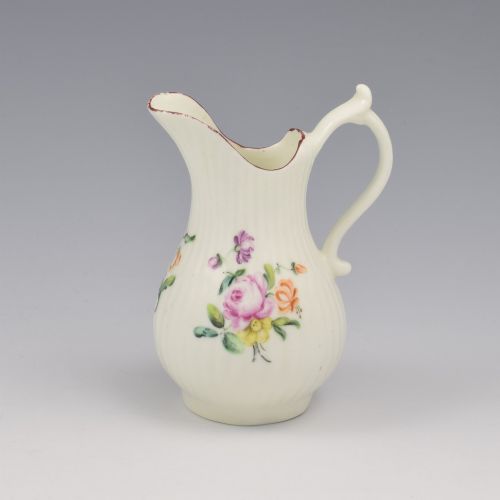
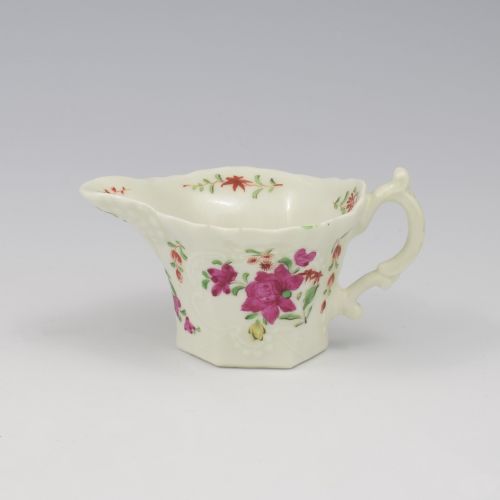
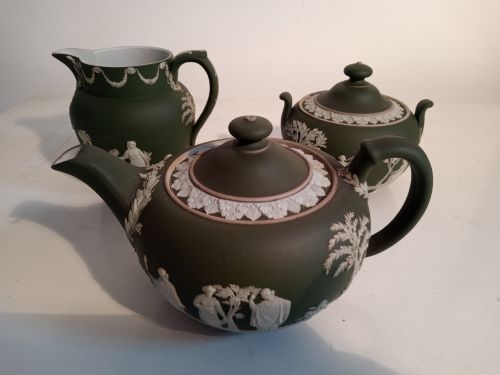
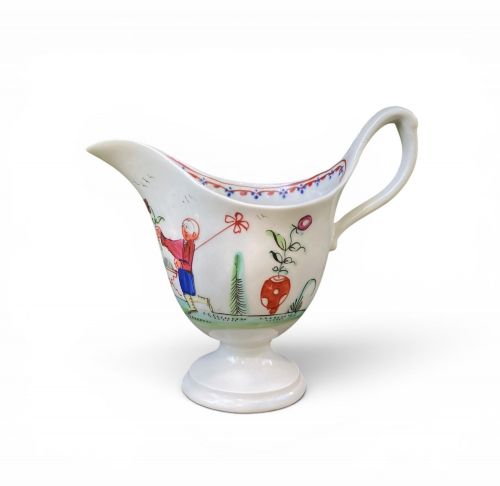
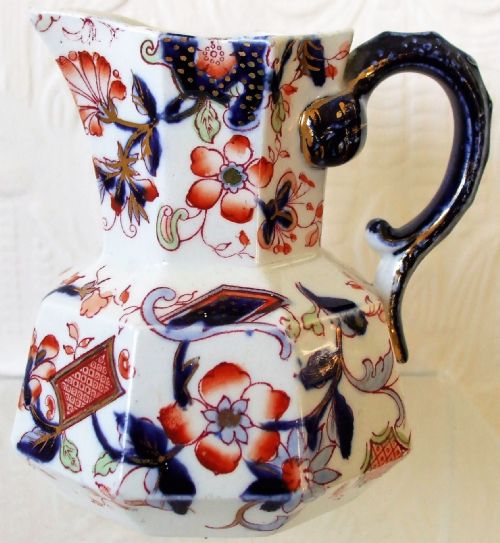
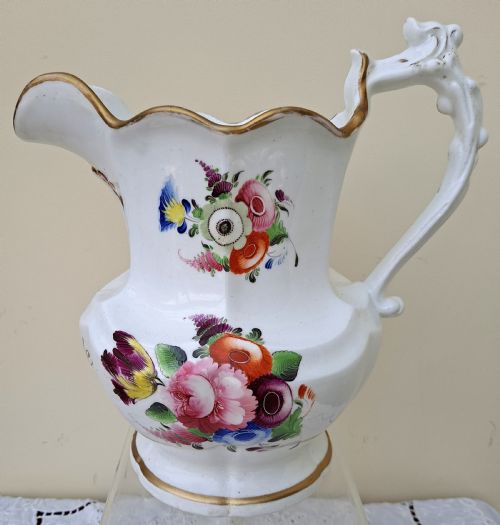
An english china jug encompasses vessels designed for serving milk, cream, and water, alongside decorative pitchers and sauce boats originating from various domestic periods. These pieces range from eighteenth-century soft-paste porcelain cream jugs to robust nineteenth-century ironstone examples and twentieth-century painted porcelain ware.
The versions most commonly met on this page span the Georgian and Victorian eras, frequently taking forms such as the classical hydra shape, the sparrow beak profile, or octagonal ironstone bodies. Alongside standalone pitchers, buyers encounter matching pieces from tea sets and commemorative vessels bearing specific dates and names.
How they were made
Potters utilised materials including porcelain, soft-paste porcelain, and durable ironstone china, shaping bodies by hand or mould before applying intricate hand-painted designs or transfer printing. Many vessels incorporate enamel decoration, botanical motifs, and floral panels.
Makers frequently highlighted details with gold leaf, gilding, and lustreware finishes, securing the pigments through multiple kiln firings to achieve lasting brilliance on the ceramic surfaces.
Early makers occasionally added painted fence and dove motifs to their jugs, bringing pastoral garden scenes straight to the tea table.
What varies in quality
Quality rests upon the crispness of the moulded form, the precision of the hand-painted or transfer-printed decoration, and the preservation of the delicate gilding and enamel work. Early porcelain examples exhibit translucency and refined potting, while ironstone versions demonstrate weight and structural robustness.
The distinction between standard domestic wares and superior examples lies in the artistic execution of the painted scenes, such as botanical studies or fruit arrangements, and the historical significance of specific makers and dated commemorative pieces.
Dr Wall Worcester·New Hall·Livesley Powell And Co·Davenport·Minton·Rockingham·Mason·Royal Worcester·Coalport·John Baley·Mayer And Newbold·Samuel Alcock
The English China Jug Glossary
- Ironstone
- A dense, durable type of ceramic patented in the nineteenth century to rival true porcelain. It combined pottery clay with slag and feldspar.
- Hydra jug
- A classic jug shape featuring a flared rim, moulded serpent or scroll handle, and a distinct spout resembling a mythical beast. This form appears frequently in Georgian and Victorian earthenwares.
- Soft-paste porcelain
- An artificial porcelain composition fired at lower temperatures than hard paste, common in eighteenth-century English factories. It produces a warm, slightly creamy body.
- Sparrow beak jug
- A small eighteenth-century cream jug characterised by a pinched, pointed spout resembling a bird's beak. These delicate vessels were designed for milk service at the tea table.
- Lustreware
- Pottery treated with a metallic film that produces an iridescent, reflective sheen upon the ceramic surface. It was often applied in copper, silver, or gold tones.
English China Jug: Frequently Asked Questions
How do I use an antique china jug safely?
These vessels serve well for holding milk, cream, or fresh flowers during gatherings. Hand washing in warm water preserves the historic glazes and delicate gold leaf.
Avoid exposing older soft-paste porcelain or ironstone to sudden temperature changes or modern dishwashers. Gentle handling ensures the painted enamel and gilding remain intact for daily enjoyment.
What is ironstone china?
Ironstone is a heavy, durable ceramic material patented in the nineteenth century to provide an affordable, sturdy alternative to imported porcelain. It resists chipping while retaining fine decorative details.
Makers utilised ironstone for domestic jugs, teasets, and large pitchers intended for robust daily use. Over time, the material developed a loyal following among collectors due to its crisp moulding and bold patterns.
Can I display these jugs in a cabinet?
Displaying these vessels in a well-lit cabinet or on sturdy shelving highlights their painted botanical panels, gilding, and varied silhouettes. Grouping different forms creates an engaging historical display.
Ensure shelves are secure and positioned away from direct sunlight to protect vulnerable enamel colours from fading over the years.