
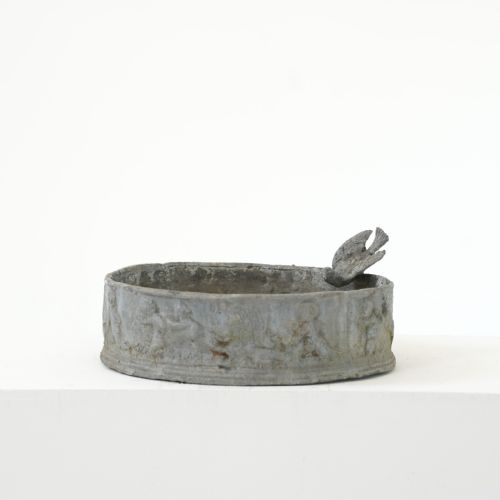


Victorian Cherub Bowl
A Victorian cherub bowl brings sculptural figural charm to a dining table, combining classical winged figures with practical vessel forms.
Victorian Cherub Bowl
When you search for a Victorian cherub bowl, you encounter a variety of table centrepieces, decorative baskets, and comports featuring sculpted putti or winged figures. These pieces date principally from the nineteenth century and span several distinct European porcelain and metalworking traditions.
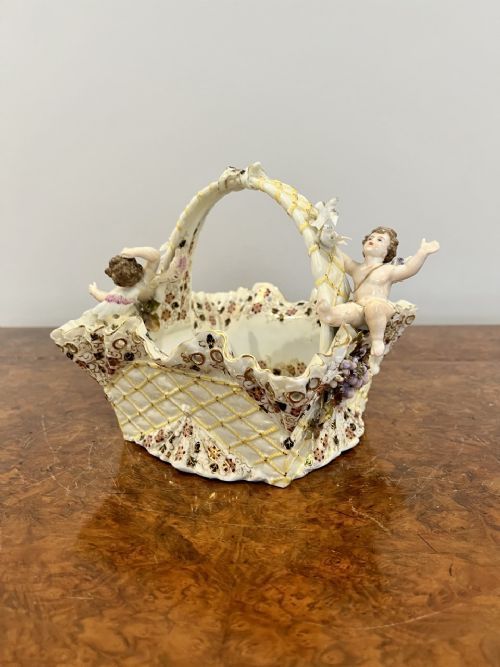
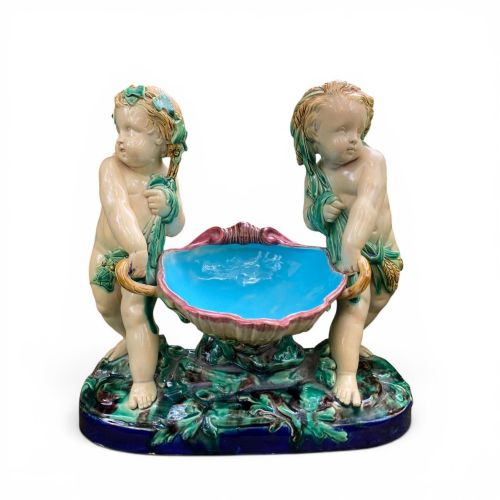
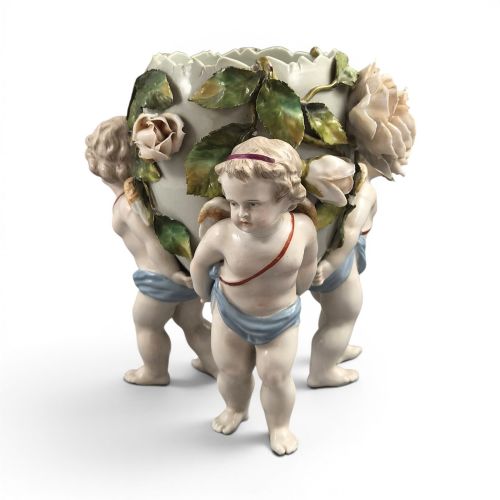
The most common examples on this page are porcelain and majolica vessels, often produced by German factories like Sitzendorf and Plaue Schierholz, or English manufacturers such as Minton. These items take the form of shell dishes, tazzas, and fruit compotes supported by or adorned with ceramic cherubs.
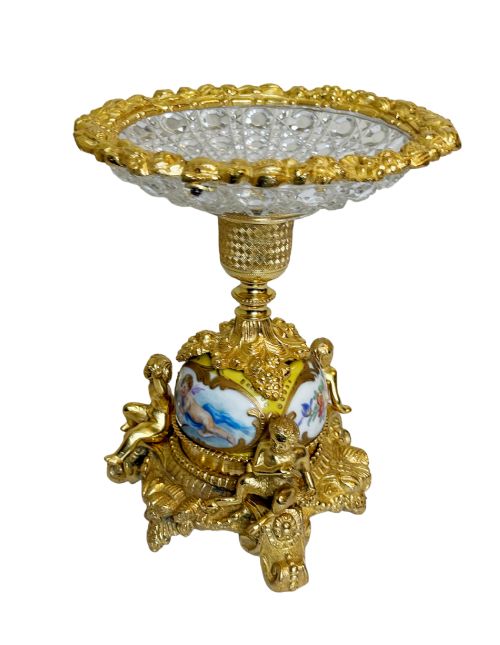
Metal vessels also appear among the selections, including gilt bronze, silver plate, and solid silver bowls paired with cut crystal or mother-of-pearl. Such pieces merge utilitarian function with the ornate aesthetic of the Rococo and Renaissance revival styles popular during the period.
How they were made
Ceramic models rely on moulded earthenware, porcelain, or majolica bodies that receive hand-painted glazes, enamel work, and occasional applications of gold leaf. Skilled artisans assembled complex figures of putti separately before attaching them to the main body of the bowl or basket prior to firing.
Metal pieces utilise cast bronze, silver plate, or sterling silver, often combined with cut crystal or mother-of-pearl to create contrasting textures. Gilt bronze mounts undergo careful chasing and gilding to achieve a bright, durable finish that complements the reflective qualities of the glass inserts.
Several pieces feature bacchanalian cupids enjoying wine alongside their customary shell-riding antics.
What varies in quality
The standard of modeling in the cherub figures largely determines the artistic merit of a piece, distinguishing stiffly cast forms from lively, deeply undercut sculpting. Hand-painted details such as facial expressions, hair texture, and floral garlands reveal the level of training possessed by the original decorator.
Material selection and structural integrity also separate standard production items from exceptional works. Heavy-gauge silver, thick cut crystal with precise facets, and well-preserved gilt finishes on bronze or ceramic indicate superior original manufacture.
Minton·Sitzendorf·Plaue Schierholz
The Victorian Cherub Bowl Glossary
- Putto
- A plump, naked male child figure frequently depicted in classical art, often mistakenly called a cherub. These figures form the sculptural focus of many nineteenth-century centrepieces.
- Majolica
- A type of earthenware coated with an opaque tin-lead glaze and painted with metallic oxide colours. It was widely utilised by factories like Minton for colourful figural vessels.
- Comport
- A decorative dish or bowl elevated on a stem and foot, used for serving fruit or sweets at the table. They frequently incorporate figural supports or shell-shaped basins.
- Tazza
- A shallow bowl or cup mounted on a pedestal, originating from Renaissance Italy. Victorian interpretations often pair this form with classical putti or mythological motifs.
- Gilt Bronze
- Bronze metal that has been coated with a thin layer of gold using fire gilding or electroplating. This technique provides a lustrous surface resistant to tarnishing.
Victorian Cherub Bowl: Frequently Asked Questions
What were these bowls used for?
Victorian dining culture placed great emphasis on elaborate table decoration, and these vessels served primarily as centrepieces for fruit, flowers, or sweetmeats during formal meals.
Smaller examples functioned as sugar bowls, comports, or decorative jardinières for domestic display rather than active dining service.
How do I identify a majolica cherub bowl?
Majolica pieces feature bright, lead-glazed earthenware surfaces with vibrant green, brown, and purple colouring applied over moulded botanical or figural designs.
They often carry factory stamps or registry marks on the unglazed base that help confirm a nineteenth-century production date.
Are these figures cherubs or putti?
Art historians distinguish between biblical cherubim, which possess wings and divine associations, and secular putti derived from classical mythology representing mischievous infants.
Victorian makers adopted both terms interchangeably, though the physical representations almost universally depict winged or wingless classical children.
How should I clean a gilt bronze and crystal bowl?
Glass and crystal components can be removed and washed carefully in warm, soapy water using a soft cloth to avoid scratching the polished facets.
Metal surfaces require dry dusting or gentle wiping with a microfiber cloth, avoiding harsh chemical polishes that might strip the delicate gilding.