


Victorian Ceramic Fruit Bowl
A victorian ceramic fruit bowl brings heavy porcelain, moulded leaves and raised figures straight onto the dining table.
Victorian Ceramic Fruit Bowl
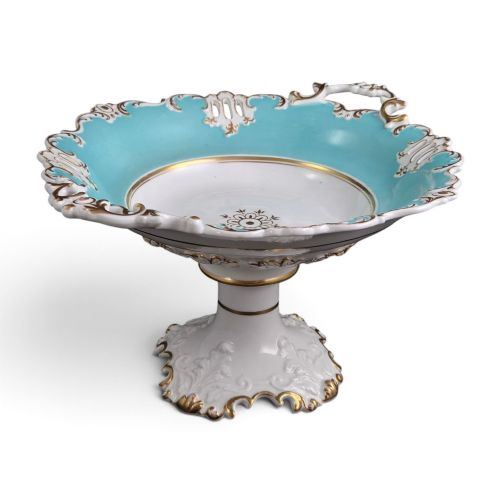
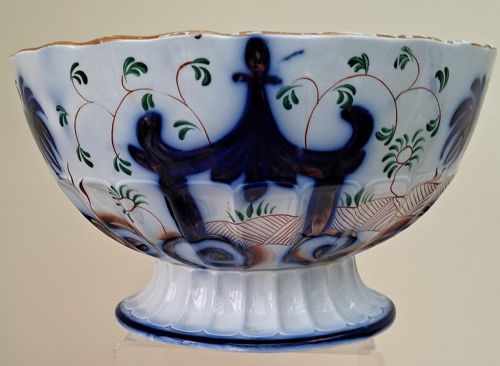
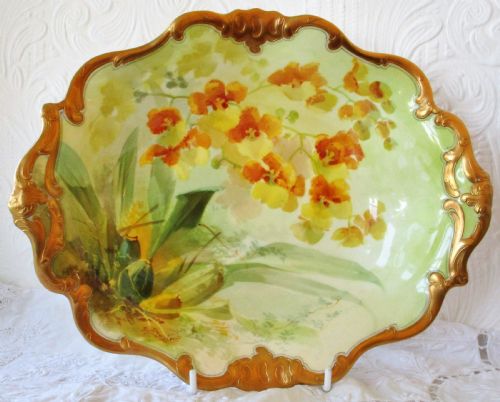
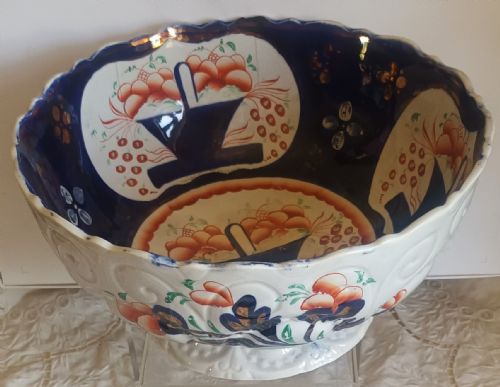
When you search for a victorian ceramic fruit bowl, you are looking at substantial table vessels designed to hold fresh produce or anchor a dining service. The selection spans decorative bowls, footed comports, tazzas, and elaborate figural centrepieces.
Most examples hail from the nineteenth century, encompassing standard Victorian production alongside earlier Regency influences and pieces stretching into the early twentieth century. You will encounter footed pottery bowls, blue and white earthenware, and cabinet dishes.
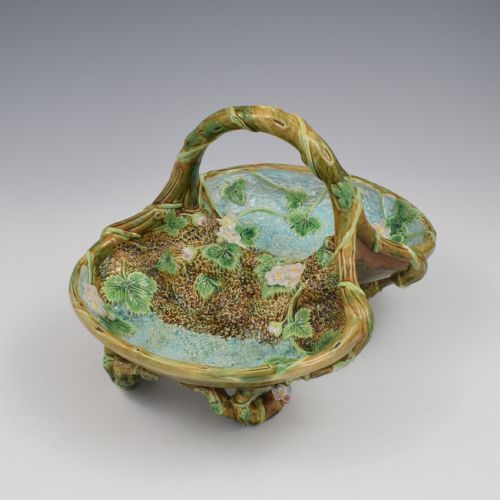
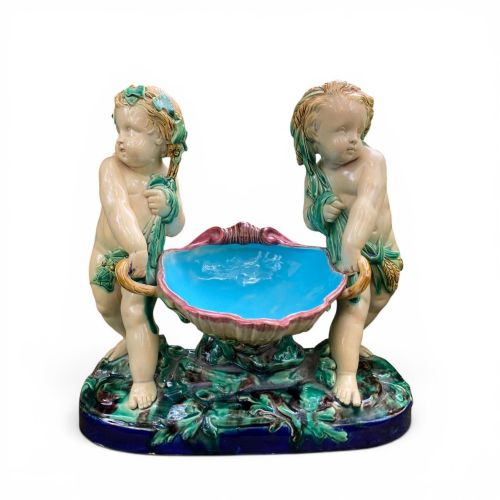
Makers utilised various traditional forms, from simple lattice baskets to elaborate centrepieces supported by cherubs and putti. The inventory leans heavily toward English earthenware and porcelain alongside continental porcelain works.
Materials and technique
Potters shaped these vessels using porcelain, ironstone, and earthenware, applying glazes and underglaze decoration to achieve durable surfaces. Many incorporate rich gilding, gold leaf, and enamel painting to highlight moulded details.
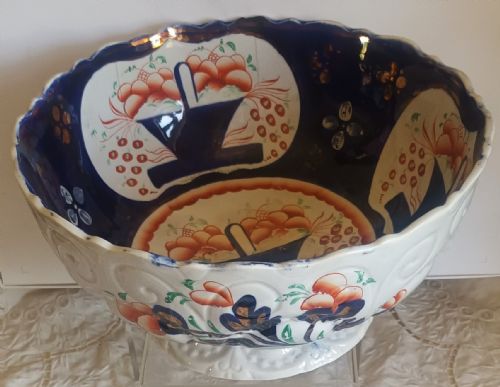
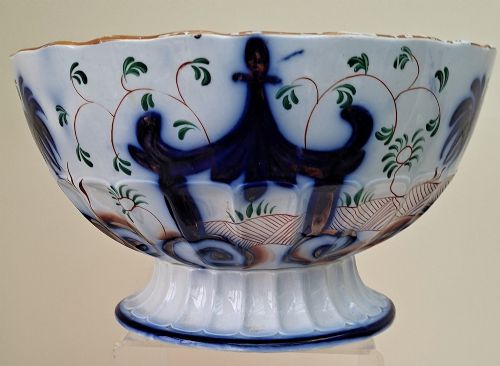
Majolica pieces rely on coloured lead glazes over moulded earthenware, often taking the form of naturalistic leaves, fruit, and basket weave textures. Ironstone provided a sturdy body for dense patterns like Gaudy Welsh and Imari designs.
Figural elements such as putti and cherubs were cast separately and applied to shells, baskets, and tazza stems before firing.
Materials span porcelain, ironstone, and earthenware, decorated with enamel, gilding, and gold leaf.
Judging the work
The weight and resonance of the ceramic body separate standard production from superior porcelain or ironstone wares. Rich application of gold leaf and well-preserved gilding elevate the status of a comport or centrepiece.
Coalport·George Jones·Royal Doulton·Doulton Burslem·Minton·Plaue Schierholz·Mason·Sevres·Royal Worcester·Royal Crown Derby·Wedgewood
The Victorian Ceramic Fruit Bowl Glossary
- Comport
- A raised dish or bowl on a foot, used for serving fruit or dessert. These pieces often form part of a larger nineteenth-century dessert service.
- Majolica
- A heavy earthenware pottery covered with an opaque coloured lead glaze. The technique produced vibrant greens, browns, and pinks popular in Victorian naturalism.
- Ironstone
- A dense, durable type of pottery patented in the nineteenth century. It combined earthenware materials to imitate Chinese porcelain.
- Tazza
- An ornamental shallow bowl or cup mounted on a stem and foot. They frequently served as centrepieces on dining tables.
- Putti
- Representations of chubby male infants, often winged, used as decorative supports on nineteenth-century centrepieces and comports.
Victorian Ceramic Fruit Bowl: Frequently Asked Questions
What is a victorian ceramic fruit bowl used for?
These vessels originally held fruit, sweetmeats, or dessert courses for formal nineteenth-century dining. They sat in the centre of the table as decorative focal points.
Today, owners utilise them to display fresh fruit on sideboards, dining tables, or open shelving. Their decorative presence makes them striking standalone objects.
How can I tell majolica from porcelain?
Majolica is an earthenware body covered in thick, colourful lead glazes that pool in recesses and create a glossy, tactile finish. It feels heavier and chunkier.
Porcelain has a finer, harder white body that often shows translucency when held to the light. It rings clearly when tapped gently, unlike earthenware.
Are these bowls safe for food?
Most nineteenth-century ceramic items contain lead in their glazes, particularly majolica and early earthenware. Historic manufacturing standards differ from modern food safety regulations.
It is safer to use these items strictly for display or to hold dry artificial fruit. Avoid serving wet or acidic foods from antique glazed vessels.