


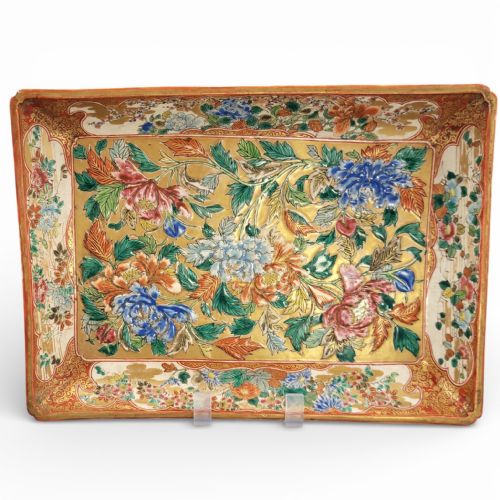


Gilded Ceramic Serving Tray
These gilded ceramic serving tray pieces combine porcelain or bone china with gold leaf or enamel, offering collectors refined serving vessels from the eighteenth to early twentieth centuries.
Gilded Ceramic Serving Tray
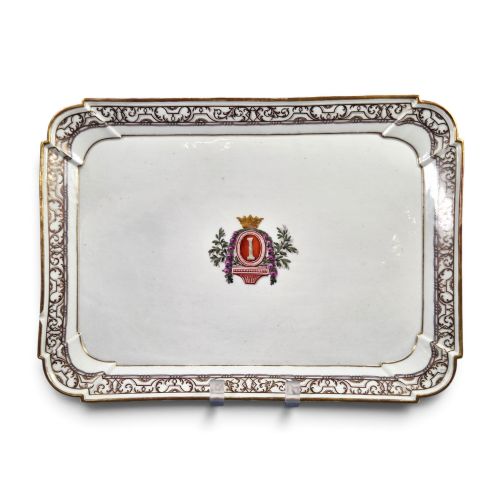
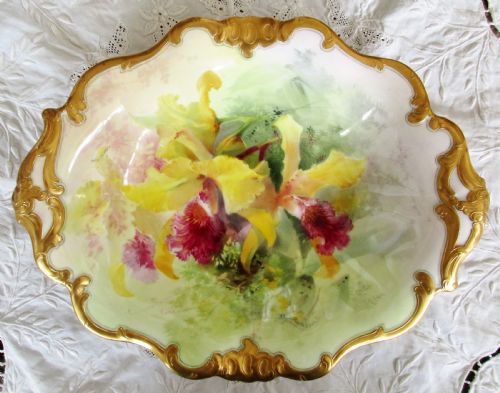
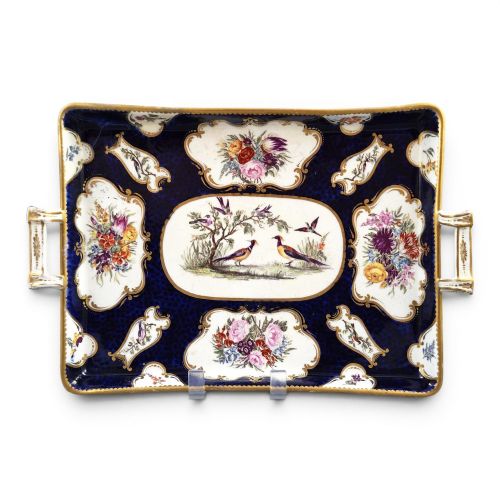
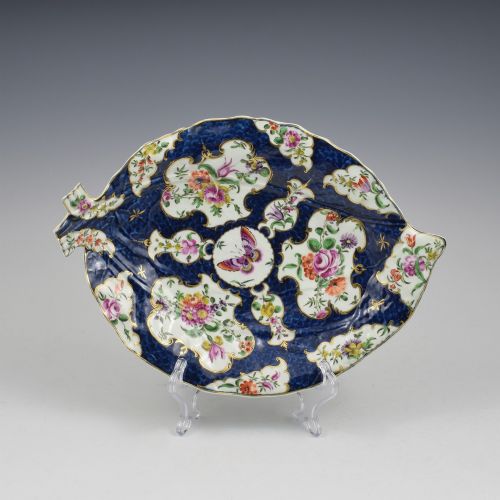
A gilded ceramic serving tray typically manifests as an oval, square, or rectangular dish designed for presentation or service. The selection spans English, continental European, and Asian manufactories, encompassing forms from simple serving platters to elaborate cabinet dishes.
Most examples originate from the nineteenth century, including Victorian and Regency periods, alongside notable eighteenth-century specimens. Makers applied these decorative items for formal dining, dessert service, or cabinet display.
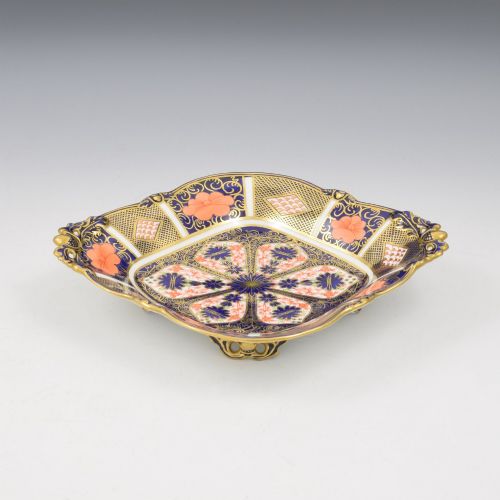
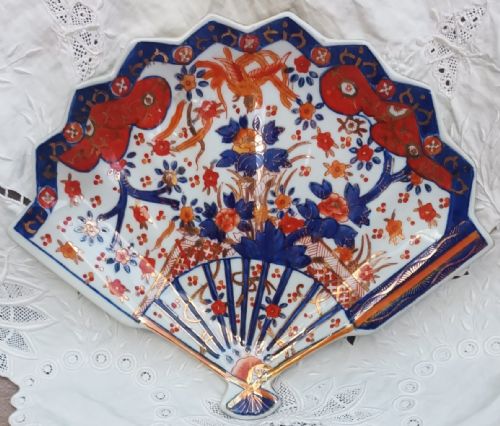
Buyers encounter various styles, ranging from Rococo Revival and English Imari to classical mythological scenes. The forms include twin-handled serving dishes, well and tree platters, and trefoil trays.
How they were made
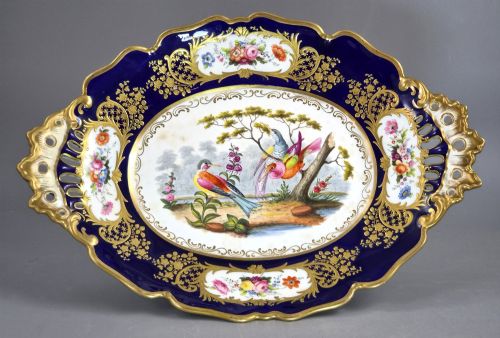
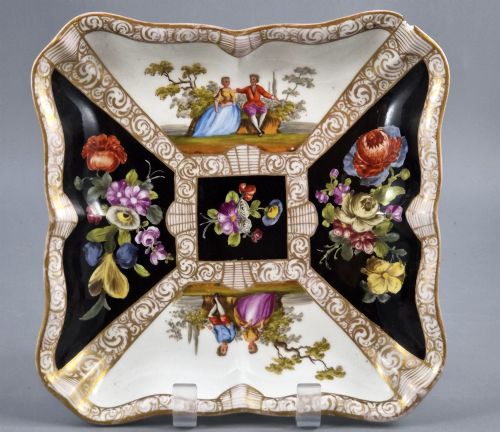
Manufactories utilised hard-paste porcelain, soft-paste porcelain, and bone china as the primary ceramic bodies, shaped by hand or moulded into specific profiles. Artisans applied cobalt blue, enamel colours, and hand-painted motifs such as exotic birds, floral bouquets, and figures before firing.
Gilding was executed using gold leaf, gilt, or gold paint applied to rims, handles, and borders to accentuate the moulded contours and painted scenes. Kiln firings set the ceramic glazes and bonded the metallic applications to the surface.
Listings feature hard-paste porcelain, soft-paste porcelain, and bone china adorned with gold leaf, enamel, and hand-painted floral or figural scenes.
What varies in quality
The refinement of the painted decoration dictates the distinction between standard production and masterwork output. Hand-painted panels depicting botanical studies, figures, or intricate Kakiemon patterns command greater technical execution than transfer-printed designs.
The precision and thickness of the gilding influence the overall grade of the object. Heavy, burnished gold leaf applied by hand to moulded porcelain bodies represents superior craftsmanship compared to flat, industrial gold paint.
Royal Crown Derby·Ludwigsburg Porcelain·Coalport·Meissen·Royal Doulton·Worcester·Minton·Carlton Ware·Kutani·Sevres·Royal Worcester·Ridgway·Spode·Vienna·KPM·Barr Flight and Barr·Wedgwood
The Gilded Ceramic Serving Tray Glossary
- Hard-paste porcelain
- A dense, vitrified ceramic compound fired at high temperatures using kaolin and petuntse. It creates a durable, translucent body that resists scratching.
- Bone china
- An English ceramic body incorporating bone ash alongside kaolin and china stone. This formula produces a warm, milky translucency suited to delicate serving vessels.
- Gilding
- The application of gold leaf, powder, or liquid gold to ceramic surfaces. Artisans burnish the metal after firing to achieve a reflective, metallic lustre.
- Imari
- A decorative style originating in Japan and imitated by European factories, characterised by underglaze blue, iron red, and abundant gold highlights. It appears frequently on eighteenth and nineteenth-century porcelain dishes.
- Cabinet dish
- A decorative ceramic plate or tray intended for display in a cabinet rather than functional dining use. These pieces often feature elaborate painted scenes by named artists.
Gilded Ceramic Serving Tray: Frequently Asked Questions
Were these trays used for food?
Many examples served functional roles during formal dining, specifically for holding desserts, fruit, or supper sets. Well and tree platters managed juices from roasted meats during nineteenth-century dinners.
Other formats, such as cabinet dishes and heavily gilded decorative trays, served primarily for display or presentation rather than everyday service.
How do I identify eighteenth-century porcelain?
Examine the unglazed foot rim for signs of wear and sand adhering from the kiln firing. Early bodies, particularly soft-paste porcelain from factories like Worcester, exhibit distinctive translucency and subtle imperfections under strong light.
Look for underglaze factory marks, workman symbols, or blue crescent signatures painted beneath the glaze. Compare the painting technique and palette against documented specimens from the same period.
What is the difference between gilt and gold leaf?
Gold leaf involves hammering gold into extremely thin sheets that artisans apply to a prepared adhesive ground on the ceramic surface. This technique produces a deep, burnished finish that catches the light.
Gilt or gold paint consists of metallic particles suspended in a medium, applied with a brush. It generally appears flatter and less reflective than applied gold leaf.
Can I display these trays on a wall?
Certain serving dishes and trays feature factory-made pierced feet or rims designed for hanging. If using wall hangers for unpierced trays, select coated wire springs that distribute pressure evenly across the rim.
Position the piece away from direct sunlight and heat sources to protect delicate enamel colours and organic binding agents in the gilding.