


Edwardian Floral Ceramic Dish
These edwardian floral ceramic dish selections offer painted blossoms across bone china and porcelain forms from the turn of the twentieth century.
Edwardian Floral Ceramic Dish
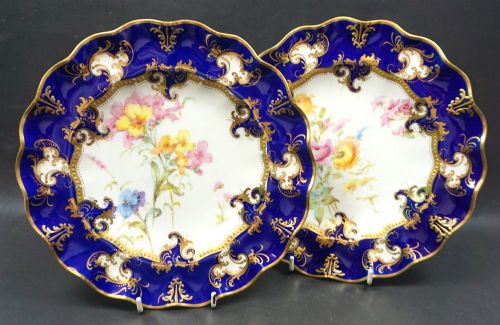
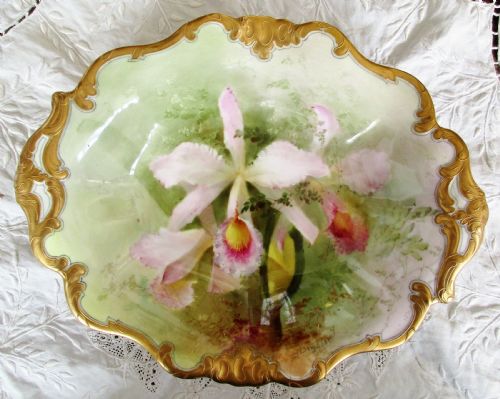
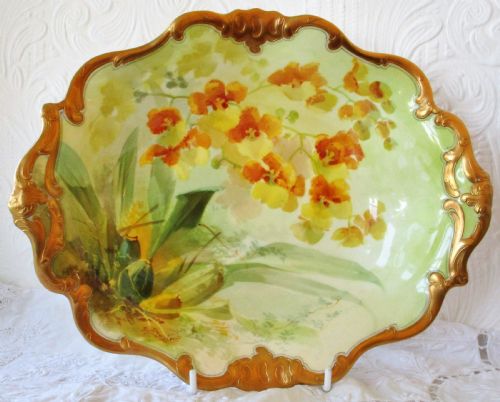
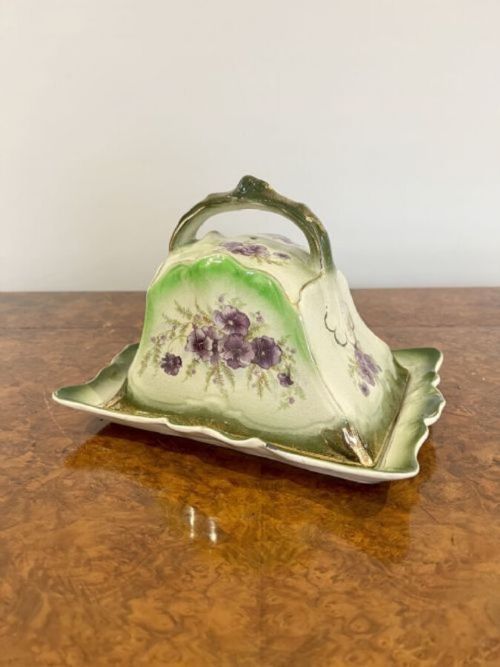
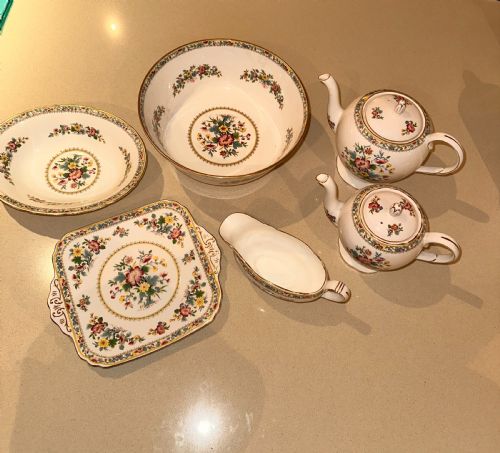
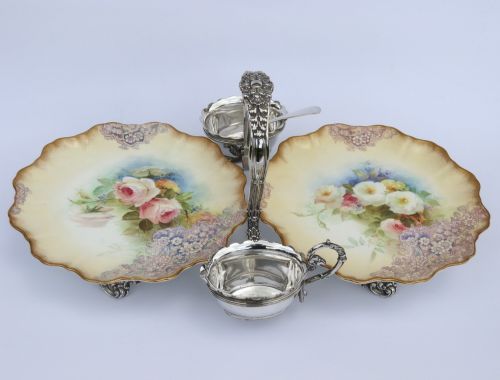
An edwardian floral ceramic dish encompasses cabinet plates, boat shaped bowls, and decorative dishes painted with botanical motifs. These pieces typically date from the Edwardian era, alongside late nineteenth century items and productions from around nineteen hundred to nineteen ten.
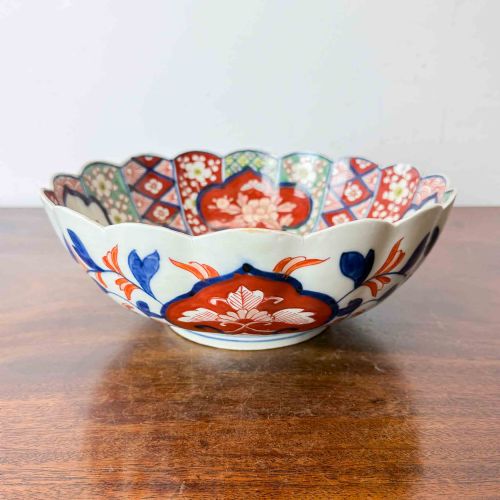
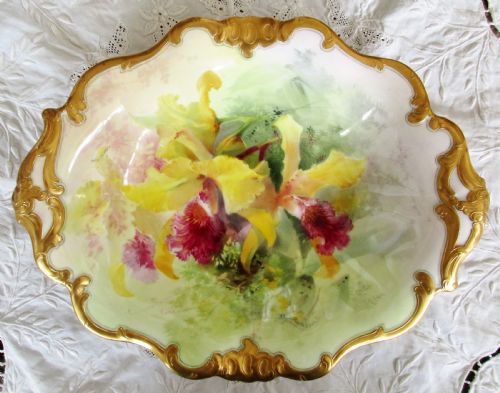
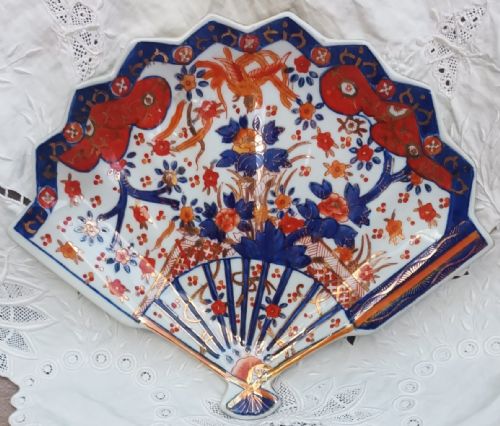
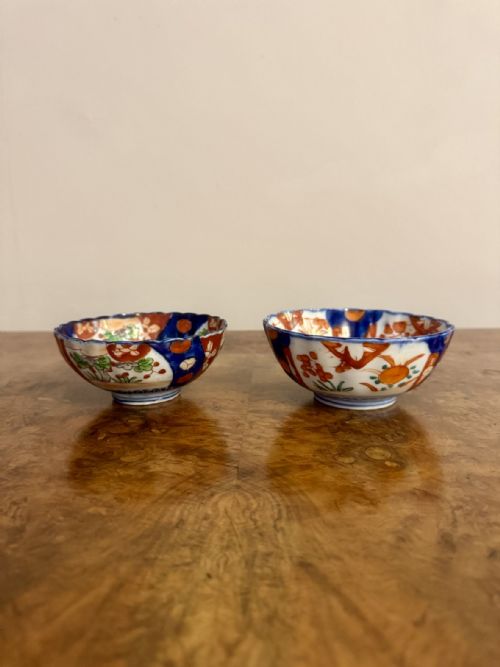
Makers such as Royal Doulton, Royal Worcester, and Wedgwood dominate the forms, alongside continental porcelain centrepieces and Japanese Imari imports. Buyers encounter hand-painted orchids, blush ivory shell dishes, and applied roses upon glazed porcelain and bone china surfaces.
The objects serve primarily as decorative items, cabinet pieces, and table service elements rather than utilitarian kitchenware. Their floral sprays and gilt edges reflect the ornamental tastes of early twentieth century households.
Materials and Craftsmanship
Potters shaped these objects from ceramic bodies including bone china and hard-paste porcelain, finished with protective glaze layers. Artisans applied hand-painted enamel colours directly onto the fired clay, often depicting botanical studies such as orchids and floral sprays.
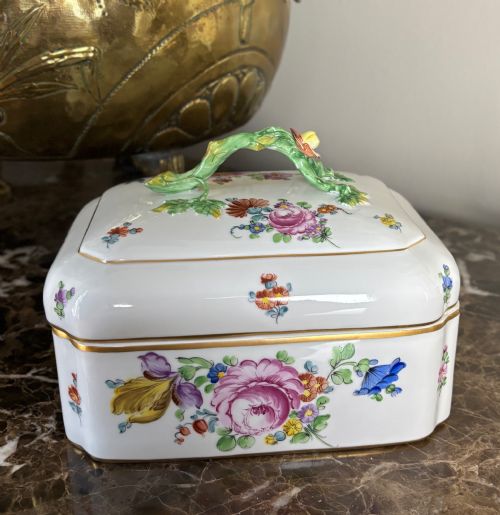
Gilding and gold leaf accent the rims and edges of plates and bowls, frequently paired with gilt edge detailing or lustre finishes. Continental workshops incorporated applied ceramic roses and moulded putti alongside hand-painted panels.
Firing techniques of the period allowed for delicate blush ivory grounds and intricate transfer-printed outlines filled with painted pigments. Master painters signed specific cabinet dishes, documenting individual artistry within factory productions.
Listings feature porcelain, bone china, and enamel materials paired with gilt and gold leaf embellishments across Edwardian periods.
Factors of Quality
The skill of the hand-painted decoration determines the standing of an edwardian floral ceramic dish within its class. Factory pieces featuring named botanical studies executed by known artists command greater attention than simple transfer-printed wares.
The crispness of the gilt edge and the preservation of the enamel colours dictate visual success. Finely modelled three-dimensional elements, such as applied roses or cherubs on centrepieces, reflect higher ambition in manufacture than flat moulded surfaces.
The integrity of the porcelain body and the complexity of the form, from scalloped edges to boat-shaped bowls, separate standard domestic output from exhibition pieces.
Royal Doulton·Royal Worcester·Royal Crown Derby·Wedgwood·Schierholz·Dresden
The Edwardian Floral Ceramic Dish Glossary
- Cabinet plate
- A decorative ceramic plate intended for display in a cabinet rather than for dining use. These pieces often feature elaborate hand-painted scenes.
- Blush ivory
- A soft, creamy ceramic glaze developed by Royal Worcester that mimics the appearance of natural ivory. It provides a muted background for floral sprays.
- Imari
- A style of Japanese export porcelain featuring deep cobalt blue, iron red, and gold. European makers frequently copied these distinct patterns.
- Lustre
- A type of ceramic glaze containing metallic oxides that produce an iridescent, reflective surface. Wedgwood utilised this technique on specialty art bowls.
- Putti
- Depictions of plump, winged infant figures used as decorative elements. They appear frequently on German porcelain centrepieces.
Edwardian Floral Ceramic Dish: Frequently Asked Questions
What is an edwardian floral ceramic dish?
An edwardian floral ceramic dish is a decorative porcelain or bone china item featuring painted plant motifs, produced around the turn of the twentieth century.
These objects include cabinet plates, scalloped bowls, and serving dishes designed primarily for visual display.
How were these floral dishes used?
Households displayed these items in cabinets, on sideboards, or used them as centrepieces during formal dining occasions.
Many pieces function as cabinet plates or decorative bowls rather than everyday tableware.
How do I identify Edwardian porcelain?
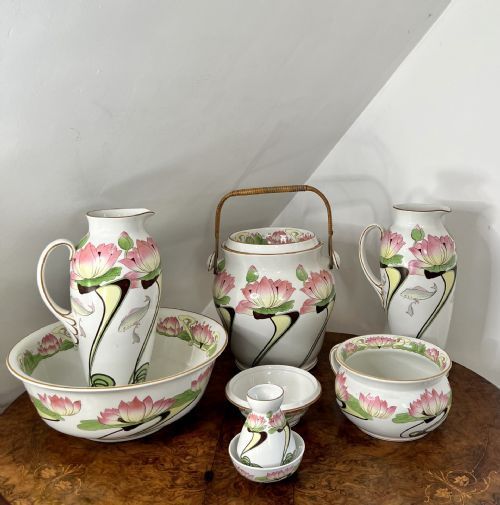
Identification relies on factory backstamps, stylistic markers like Art Nouveau influences, and characteristic pale floral colour palettes.
Dates typically align with the reign of Edward VII and the surrounding decades of ceramic manufacturing.
Who painted these ceramic flowers?
Factory artists such as David Dewsberry and J. Southall executed detailed botanical watercolours directly onto the glazed ceramic bodies.
Signature marks on the front or back of the dish often identify the specific hand.