



Imari Style Welsh Ceramic
These imari style welsh ceramic pieces bring bold palette work and striking patterns to your table, offering robust nineteenth-century character for everyday display.
Imari Style Welsh Ceramic
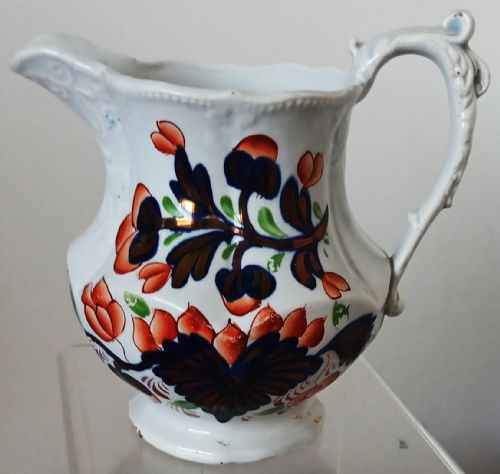
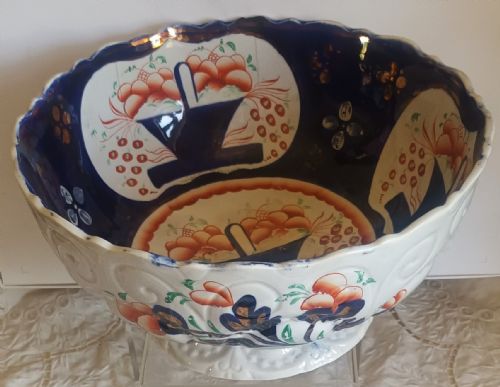
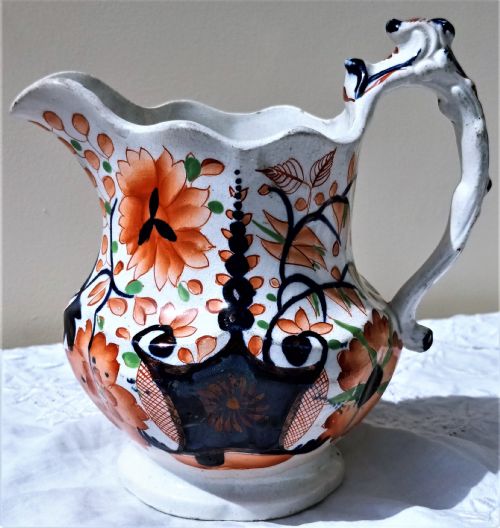
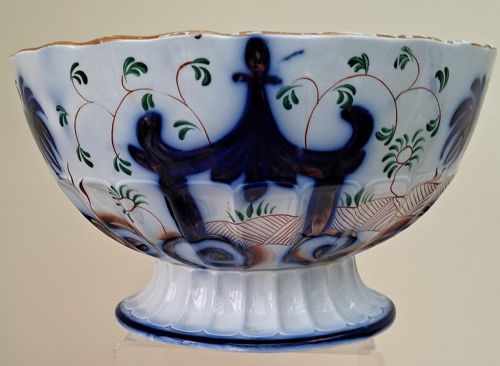
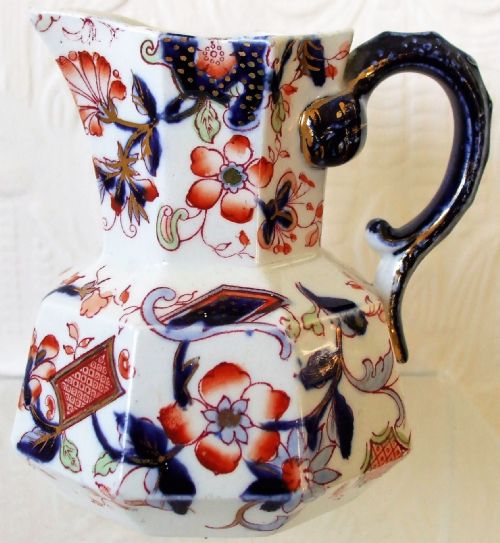
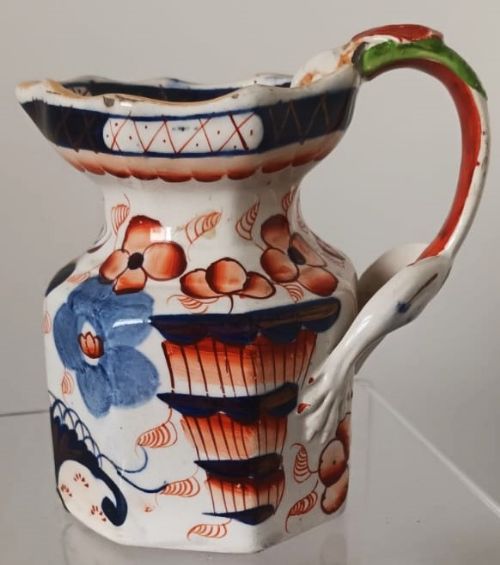
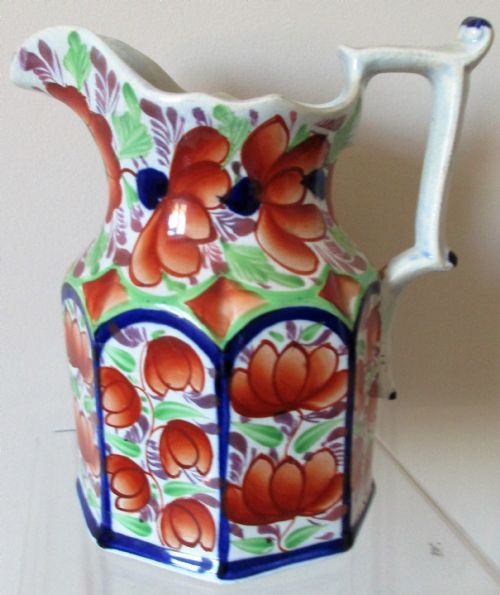
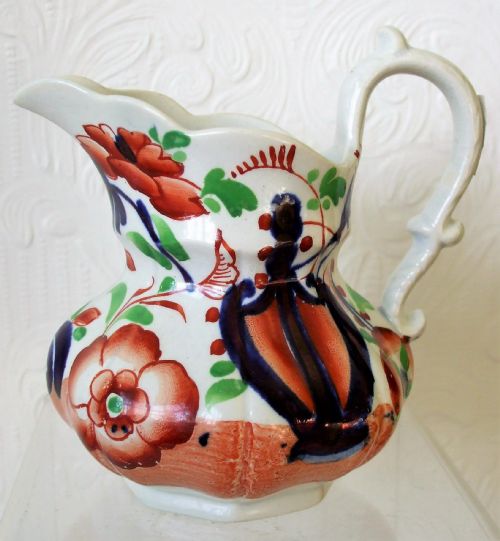
When you search for an imari style welsh ceramic, you find nineteenth-century vessels that combine traditional Japanese palette influences with regional British production methods. These domestic objects display distinct patterns such as the Bethesda, Grape, Basket of Flowers, Pagoda, Gwent, and Conwy designs across functional forms.
The pieces appearing on this page consist primarily of utilitarian jugs, pitchers, and footed bowls created during the Georgian and Victorian periods. Most examples belong to the Gaudy Welsh tradition, celebrated for incorporating rich cobalt blue, iron red, and copper lustre highlights onto earthenware or ironstone bodies.
Buyers encounter sturdy pitchers and decorative bowls shaped by nineteenth-century potting traditions, often featuring distinctive handle formations and bulbous profiles. These domestic items demonstrate how local potteries adapted orientalising motifs into robust tableware designed for regular use.
Materials and construction methods
Potters constructed these vessels using earthenware and ironstone bodies shaped to form robust jugs and footed bowls capable of withstanding daily service. Artisans applied smooth ceramic glazes over the shaped clay to provide a durable foundation for subsequent ornamentation.
Decoration relied on hand-applied enamel colours combined with copper lustre details to achieve the characteristic imari style appearance seen on nineteenth-century pieces. Firing techniques fixed these metallic and mineral pigments onto the glazed surface, producing the glossy finish preserved on surviving examples.
Current listings feature nineteenth-century items exclusively, spanning both Georgian and Victorian production periods across earthenware, ironstone, and porcelain materials.
Assessing quality in nineteenth-century ceramics
Quality separates pieces through the precision and coverage of the hand-painted enamels and copper lustre application across the surface. Stronger examples display crisp pattern outlines and rich, saturated colour pigments that remain vibrant without blurring into the surrounding glaze.
The structural integrity of the ceramic body and the neatness of the potting shape dictate the overall refinement of each vessel. Better-proportioned jugs and bowls maintain balanced weight distribution and clean handle attachment alongside evenly applied glaze layers.
Keeling And Co
The Imari Style Welsh Ceramic Glossary
- Ironstone
- A dense, durable type of earthenware patented in the nineteenth century to imitate porcelain. It provides a heavy and resilient body suitable for domestic tableware.
- Copper Lustre
- A metallic glaze finish producing a coppery, reflective sheen. It was frequently used to accent nineteenth-century ceramic patterns with bright highlights.
- Earthenware
- Porous pottery fired at lower temperatures than stoneware or porcelain. It forms the primary body material for many regional British domestic vessels.
- Enamel
- Opaque glass-like paint applied over a fired glaze surface. Artisans use these coloured pigments to create decorative patterns before a final low-temperature fixation firing.
- Footed Bowl
- A serving vessel raised on an integrated pedestal base. This construction elevates the bowl above the tabletop for better presentation.
Imari Style Welsh Ceramic: Frequently Asked Questions
What defines imari style welsh ceramic pieces?
These nineteenth-century ceramics combine traditional Imari colour palettes with regional British pottery patterns. They reflect popular nineteenth-century tastes for vibrant cobalt blue, iron red, and lustre decoration.
Most surviving examples take the form of domestic jugs and bowls produced during the Georgian and Victorian eras.
How were these nineteenth century jugs used?
Households utilised these ceramic vessels for serving liquids and displaying fruit or flowers on dining tables. Their durable ironstone and earthenware construction suited daily domestic service.
Over time, these functional items transitioned into decorative display pieces valued for their colourful patterns.
What patterns appear on these ceramics?
Common decorative motifs include named patterns such as Pagoda, Bethesda, Gwent, Conwy, and Grape. These designs often feature floral arrangements or architectural elements rendered in bold enamel colours.
Each pattern demonstrates how regional potteries interpreted orientalising aesthetics during the Victorian period.
How do I care for these antique items?
Protect these nineteenth-century pieces by washing them gently by hand in lukewarm water without harsh detergents. Avoid soaking items with copper lustre or delicate enamel decoration to preserve the surface finish.
Display or store them away from sudden temperature changes to protect the historic ceramic body and glaze.