


Victorian Cast Iron Stand
When you search for a victorian cast iron stand, you meet robust hallway furniture and garden items made to hold umbrellas, plants, or coats.
Victorian Cast Iron Stand
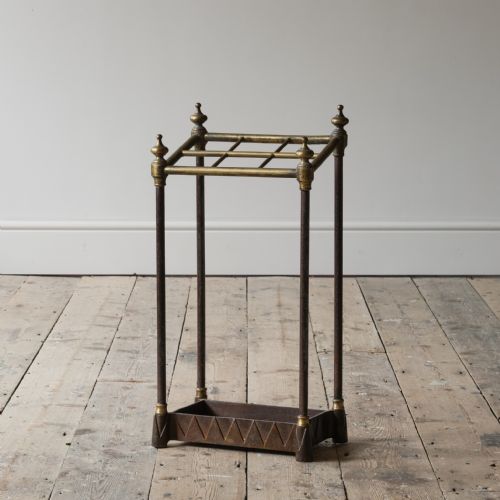
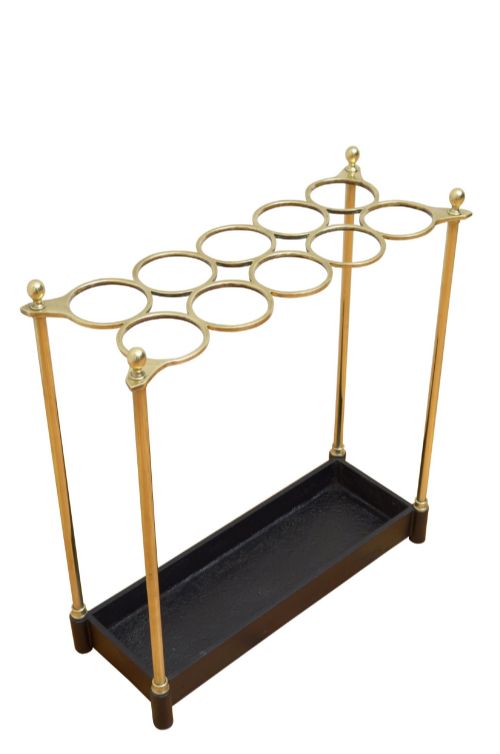
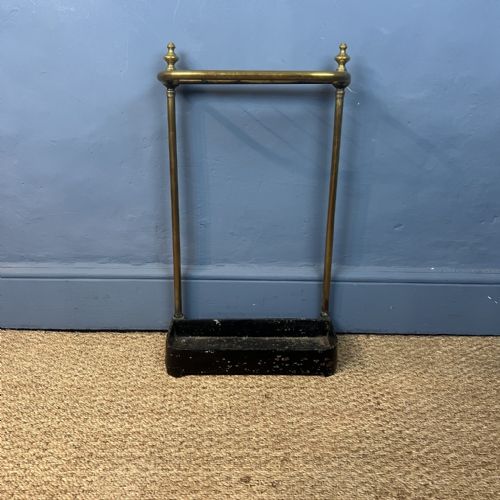
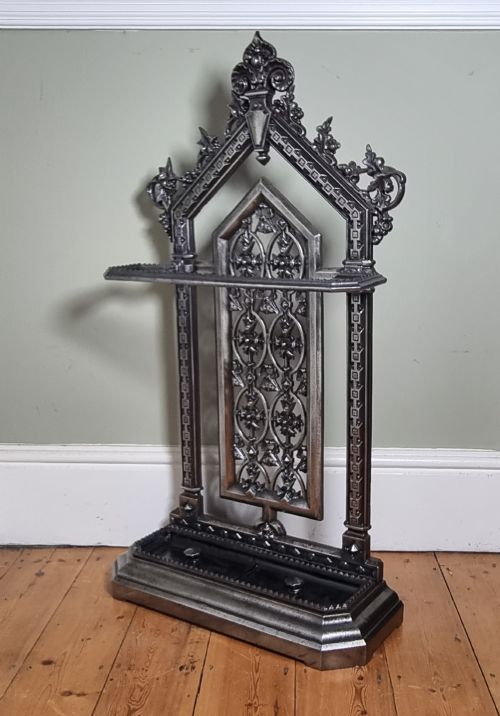
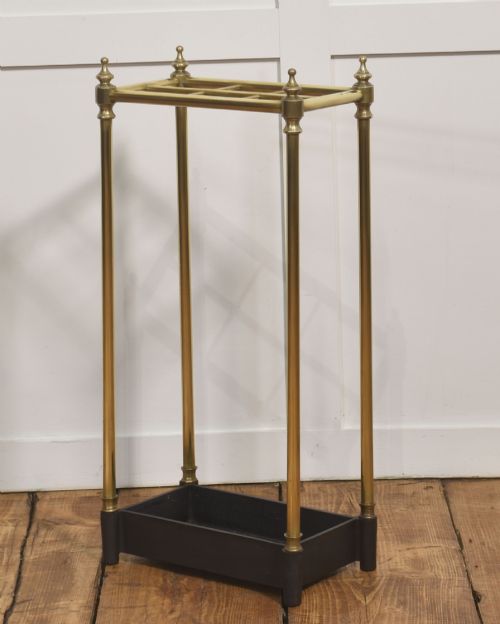
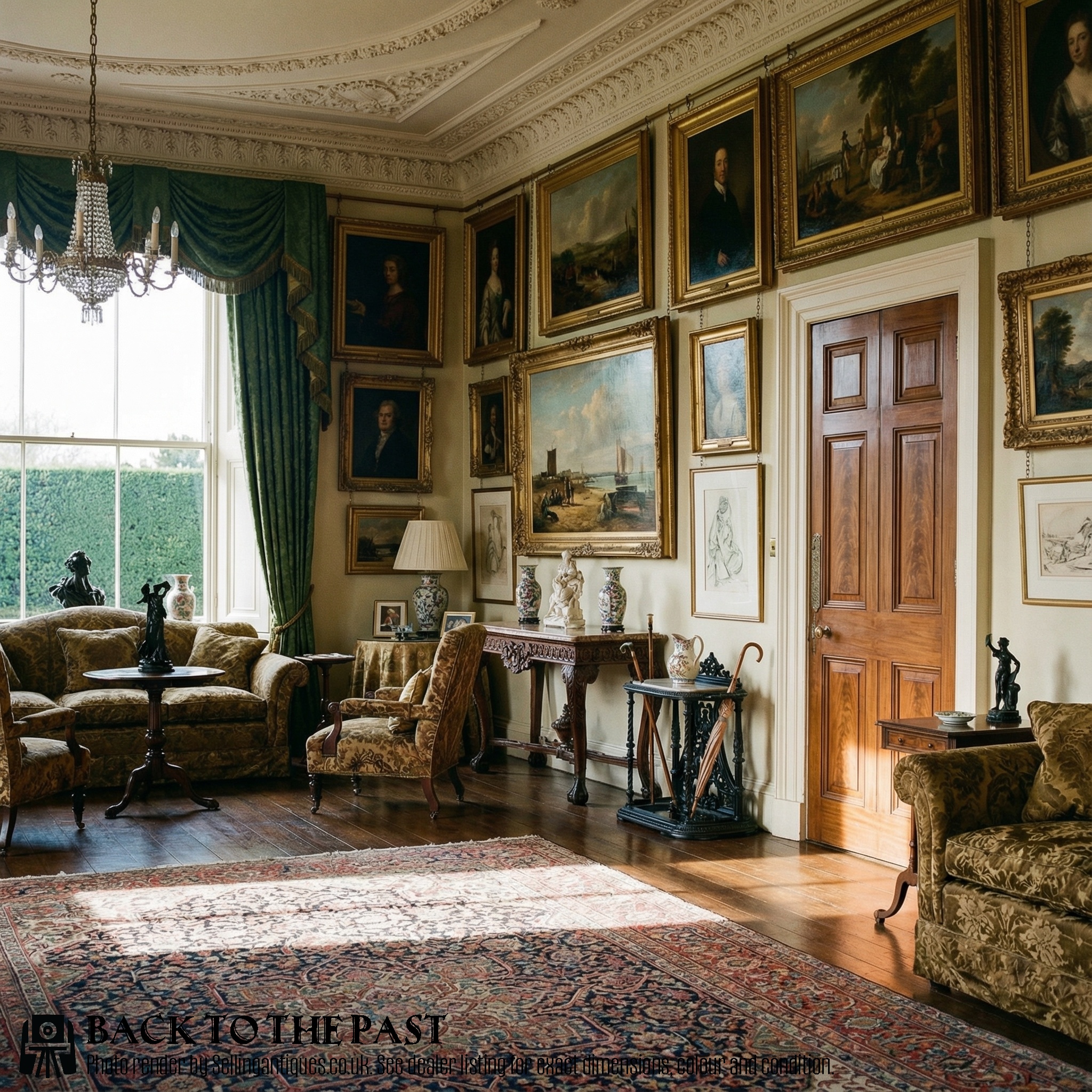
A victorian cast iron stand serves primarily as a utilitarian item for the entrance hall, garden, or parlour. The pieces you encounter most frequently on this page are umbrella and stick stands designed to keep wet weather gear organised.
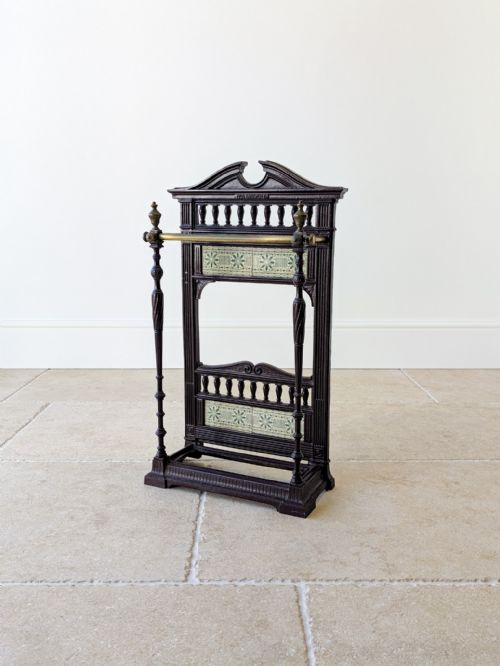
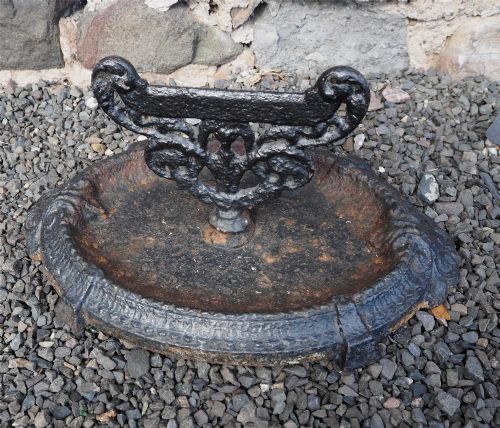
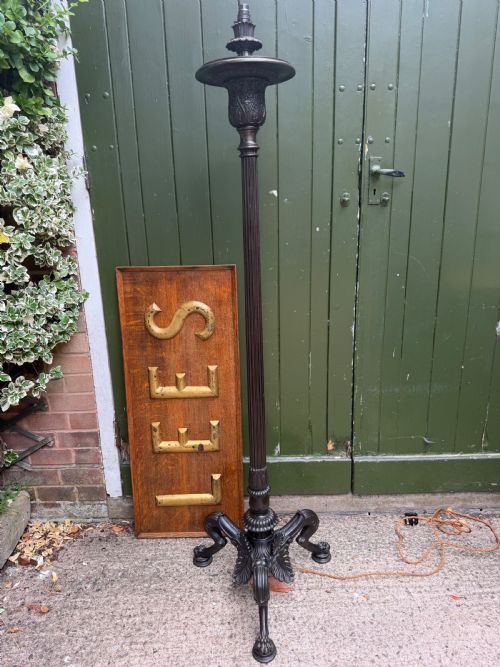
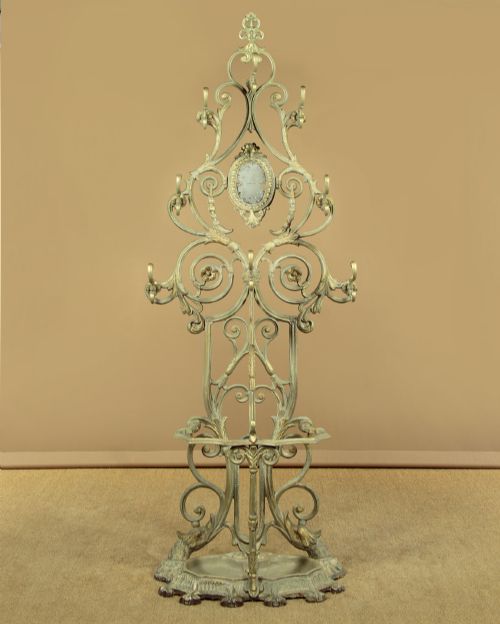
Beyond hall furniture, the category extends to plant stands, boot scrapers, and larger hall stands combining coat hooks with umbrella trays. These objects originate mainly from the nineteenth century, spanning periods from the early Victorian era through to Edwardian times.
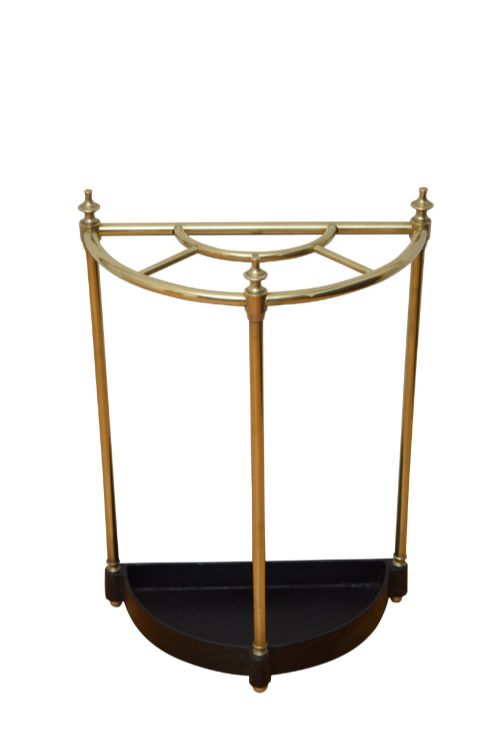
Makers utilised durable metals and often combined cast iron frames with brass rails or drip trays to manage water runoff. Their presence reflects the domestic requirements of period homes where heavy outerwear and walking equipment needed robust storage.
How they were made
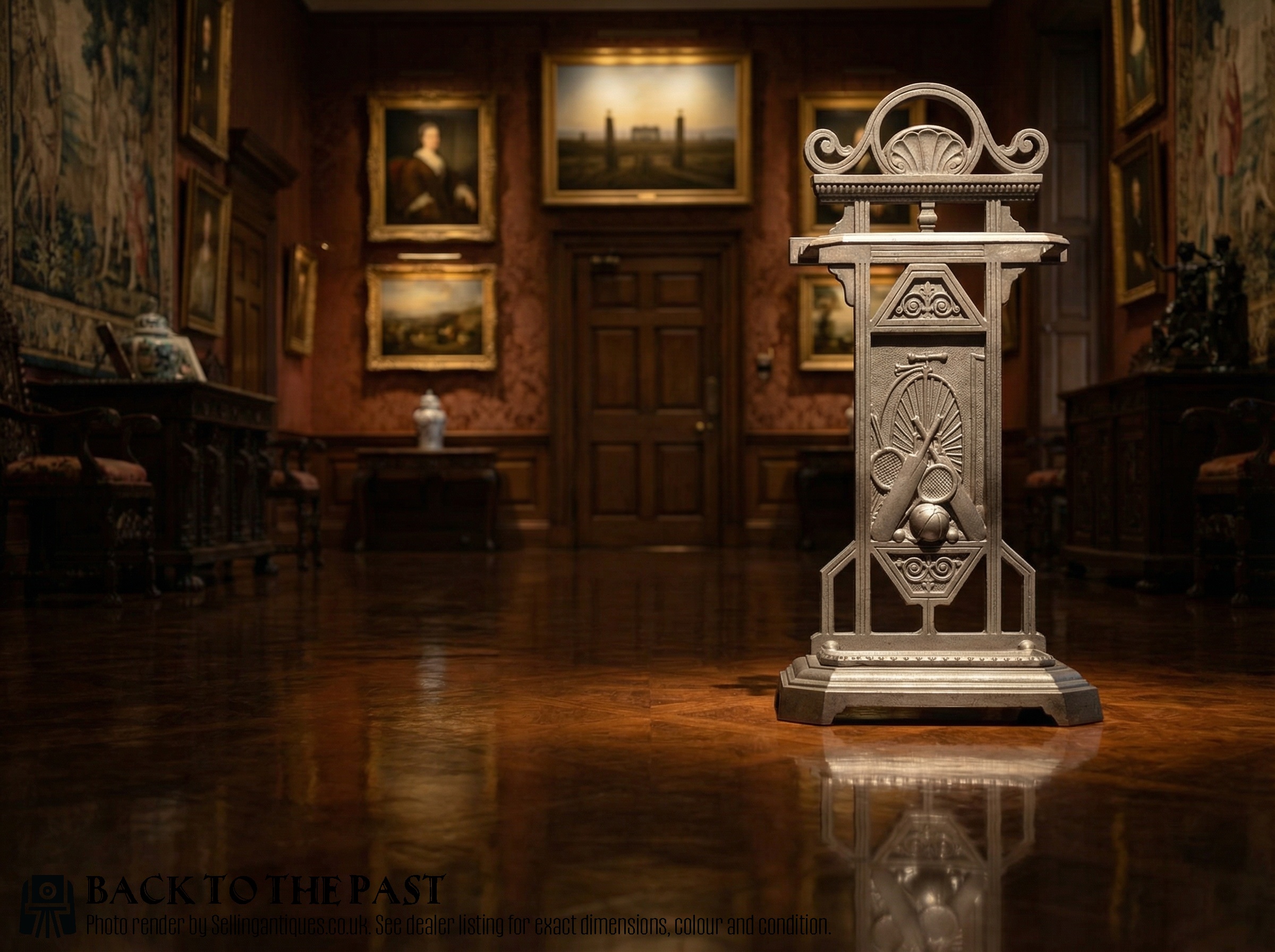
Foundries produced these items by pouring molten metal into sand moulds, a process that allowed for intricate openwork patterns, Gothic tracery, or naturalistic plant motifs. Cast iron formed the heavy load-bearing frames and bases, providing stability for tall walking sticks and heavy umbrellas.
Manufacturers frequently paired this dark metal with bright brass details, such as finials, rails, or removable drip pans, creating a sharp contrast in colour and texture. Some examples also incorporate secondary woods like mahogany or pitch pine, or employ wrought iron elements for structural support.
Victorian Cast Iron Stand Retail Price Guide 2026
Typical asking prices for victorian cast iron stand among the pieces listed under this phrase on Sellingantiques today, from the lower quarter to the upper quarter. They describe what is for sale here now, not the wider market.
Cast iron spaniels and pug dogs occasionally watch over your hallway from the base of a nineteenth-century stick stand.
What varies in quality
The sophistication of the casting work dictates much of the standing of an individual piece, separating standard utility items from foundry showpieces. Crisp relief in ornamental details and clear registry of patterns indicate careful mould preparation by skilled artisans.
The integrity of the construction and the completeness of original components, such as matching removable drip trays and brass finials, influence the overall standard. Greater artistic ambition in design, such as figurative castings or specific movement styles, distinguishes finer examples.
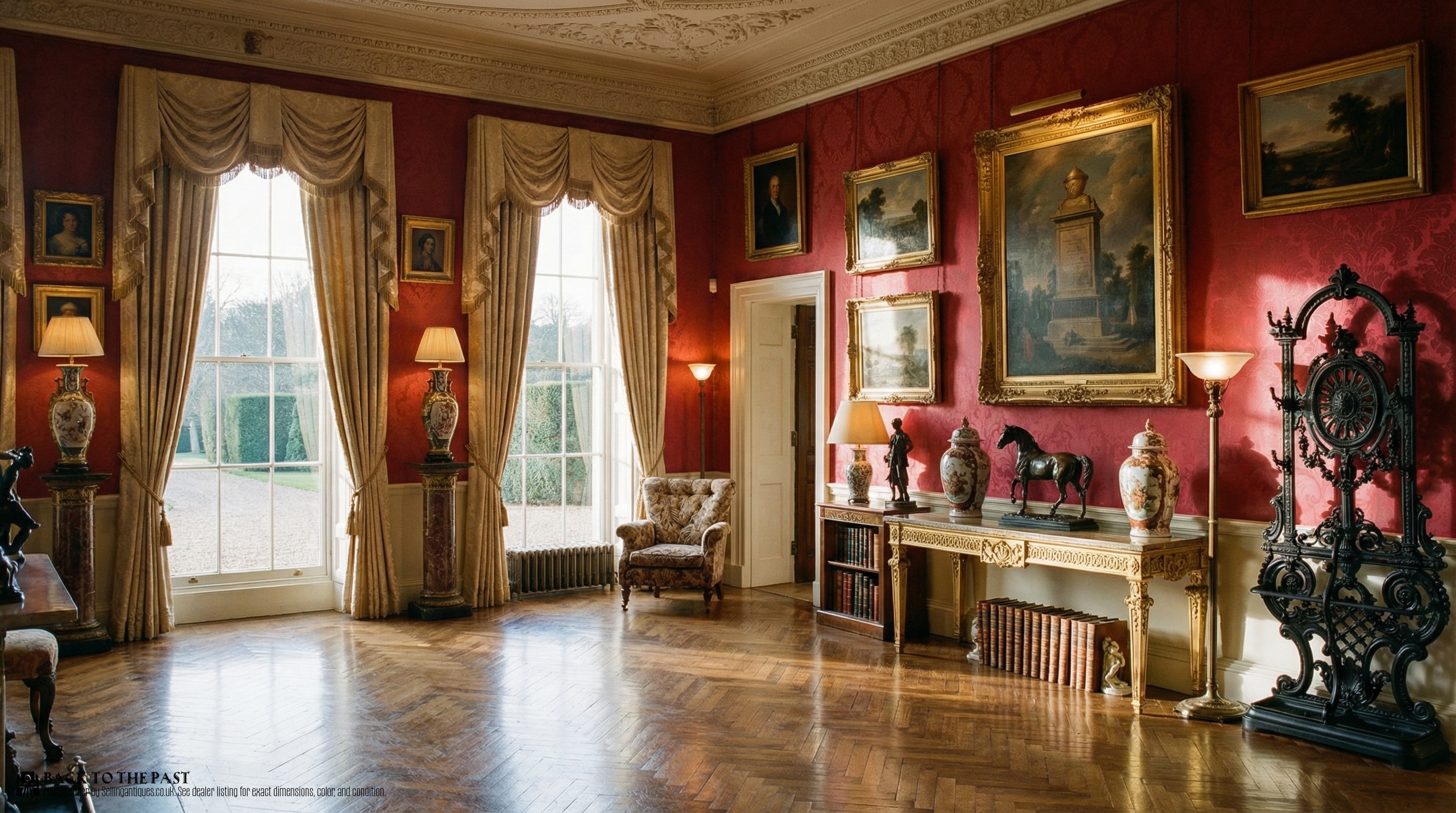
Coalbrookdale·Thomas Jeckyll·Osborne Garrett And Co·Tanns Defiance London
The Victorian Cast Iron Stand Glossary
- Coalbrookdale
- A prominent ironworks foundry in Shropshire known for producing decorative cast iron furniture and architectural items during the nineteenth century. Their pieces often bear registration marks or manufacturer stamps.
- Drip tray
- A shallow metal basin placed at the base of an umbrella stand to catch water runoff from wet walking sticks. These trays are frequently removable for emptying and cleaning.
- Demi lune
- A half-moon shape utilised for hall stands and umbrella racks designed to sit flat against a wall in narrow entryways. This footprint maximises floor space in domestic hallways.
- Boot scraper
- A stationary iron device fixed near an entryway for removing mud from footwear before entering the house. They often feature side blades and decorative scrollwork frames.
Victorian Cast Iron Stand: Frequently Asked Questions
Where were these stands used in the home?
Victorian households positioned these stands primarily in entrance halls, boot rooms, and porches to manage outdoor gear.
They provided a designated place for guests and family members to store walking sticks, umbrellas, and heavy coats upon entering the house.
How do I clean a cast iron stand?
Dust the surface regularly with a soft dry cloth to prevent the accumulation of dirt within the cast crevices.
Avoid using harsh chemical cleaners or excess water, which can damage any historic painted finishes or encourage corrosion on exposed metal.
Are the drip trays usually original?
Many surviving stands retain their original metal drip trays, which fit precisely into the lower frame to catch moisture.
Because these pans suffered from constant water contact and rust, replacements are occasionally fitted during restoration work.
How do I identify an Aesthetic Movement piece?
Aesthetic Movement stands often display stylised natural forms, geometric symmetry, and Japanese-inspired decorative motifs rather than heavy Gothic revival styling.
They reflect a later nineteenth-century shift towards art for art's sake in domestic furnishings.