

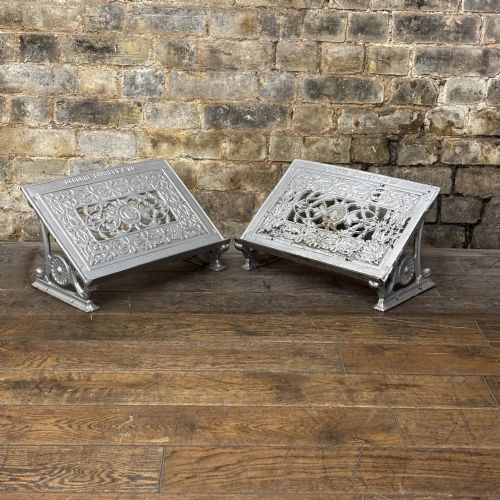


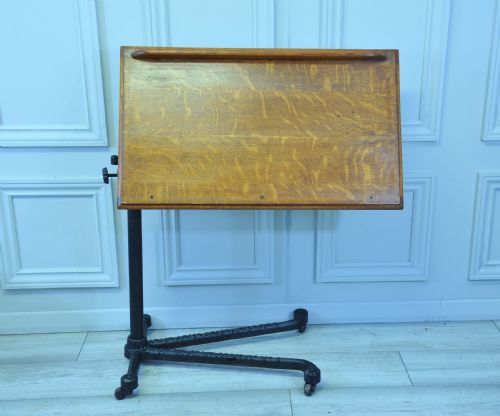


Victorian Cast Iron Desk
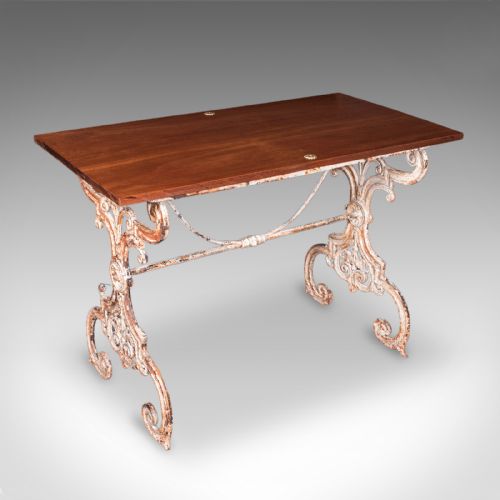
These pieces for a victorian cast iron desk bring industrial weight and sturdy utility to a study, built to last generations.
Victorian Cast Iron Desk
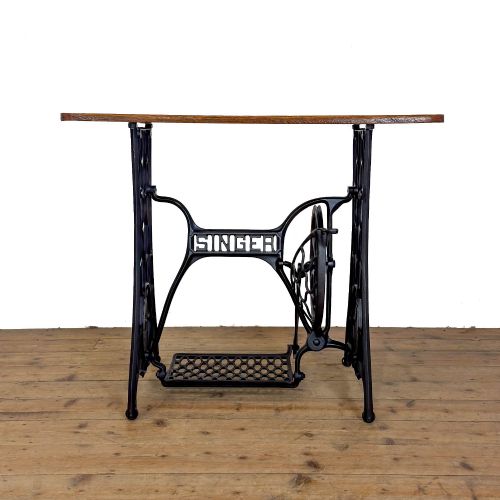
A victorian cast iron desk search brings up robust metalwork combined with timber, seen in tables, stools, and desk accessories from the nineteenth century.
You are most likely to meet heavy industrial tables, adjustable stands, and cast iron paperweights or book rests originating from the Victorian and Edwardian eras.
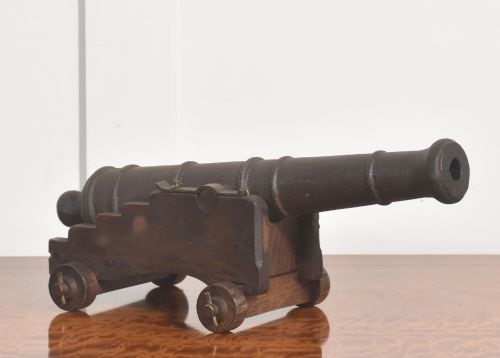
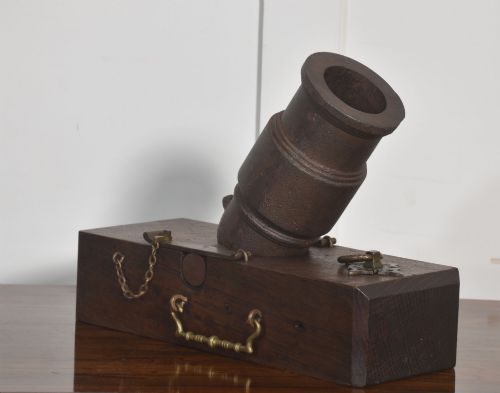
The selection ranges from utilitarian foundry work and pub tables to maritime fittings and specialised desk chairs.
How they were made
Foundries cast molten iron into intricate moulds to form rigid bases, frames, and decorative brackets, often combining the metal with oak, mahogany, or pine.
Makers integrated brass fittings, leather upholstery, and wooden tops to create functional furniture and heavy desktop objects designed for daily use.
Victorian Cast Iron Desk Retail Price Guide 2026
Typical asking prices for victorian cast iron desk among the pieces listed under this phrase on Sellingantiques today, from the lower quarter to the upper quarter. They describe what is for sale here now, not the wider market.
Listings feature items from the Victorian and Edwardian periods, utilising cast iron, oak, mahogany, brass, and leather across various functional forms.
What varies in quality
The sophistication of the casting work separates standard commercial pieces from finer examples, showing sharper detail in the moulded iron and cleaner finishing on the metal surfaces.
Quality also rests in the selection of companion materials, where dense hardwoods like oak or mahogany and well-fitted brass mechanisms elevate the piece.
Osborne Garrett & Co·Carters Of London
The Victorian Cast Iron Desk Glossary
- Cast iron
- A strong, hard alloy of iron and carbon poured into moulds to create rigid frames and heavy bases. It forms the structural foundation for much of the nineteenth-century industrial furniture found here.
- Campaign furniture
- Portable pieces designed to be easily packed and transported by military officers. These items often feature robust metal handles and sturdy construction.
- Foundry
- A workshop or factory where metal is melted and poured into moulds. These establishments produced the heavy iron bases and utilitarian objects seen in this period.
- Portico
- An architectural framework or structural support style sometimes referenced in antique tables. It denotes classical proportions adapted for nineteenth-century furniture.
Victorian Cast Iron Desk: Frequently Asked Questions
How do I clean cast iron?
Dust the iron regularly with a dry cloth to prevent grime buildup. Avoid harsh chemical cleaners that can strip the protective surface.
For stubborn marks, apply a light coat of neutral oil and buff gently with a soft cloth. Keep the metal away from damp environments to prevent rust formation.
Are these tables sturdy enough for daily work?
Nineteenth-century iron frames and timber tops were engineered for heavy daily use in offices, foundries, and homes. They offer exceptional stability.
Ensure that any adjustable mechanisms or joints are properly secured before placing heavy items on the surface.
How do I identify a Victorian piece?
Look for construction traits typical of the nineteenth century, such as heavy sand-cast iron components and traditional joinery in the timber elements. Materials like oak, pine, and brass are common indicators.
Maker marks, registry numbers, or specific foundry stamps can also help confirm the production period.
Can I use these items outdoors?
While cast iron withstands outdoor conditions better than many woods, moisture will cause untreated metal to rust. Conservatory and indoor tables are generally not weatherproof.
If placed in a garden or orangery, protect the iron with suitable conservation waxes and shield wooden components from rain.