




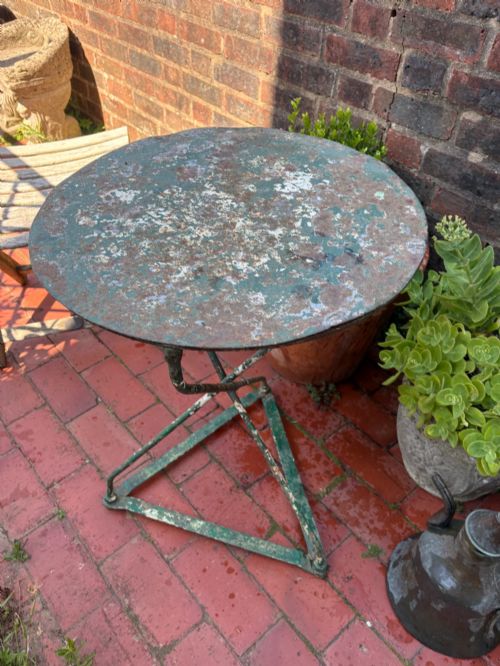


Cast Iron Planting Table
A cast iron planting table brings robust utility and enduring style to a conservatory or garden room.
Cast Iron Planting Table
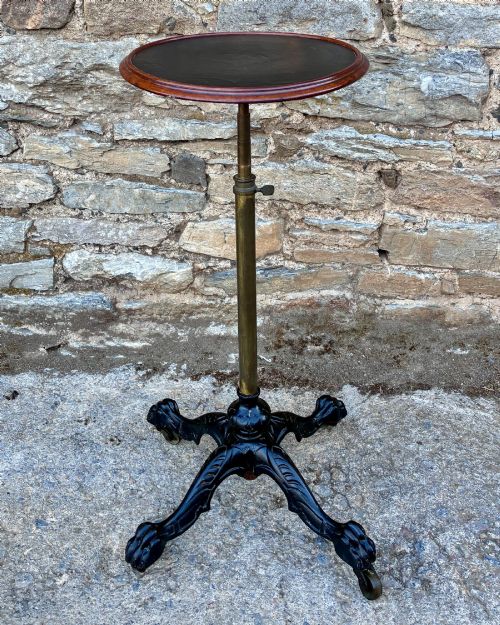
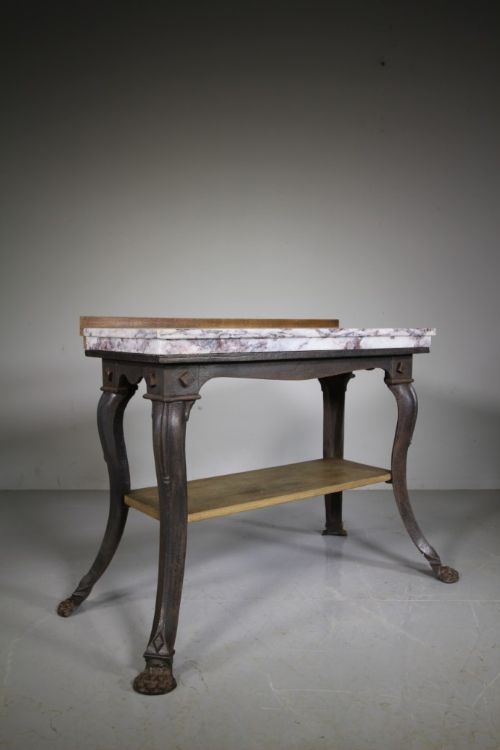
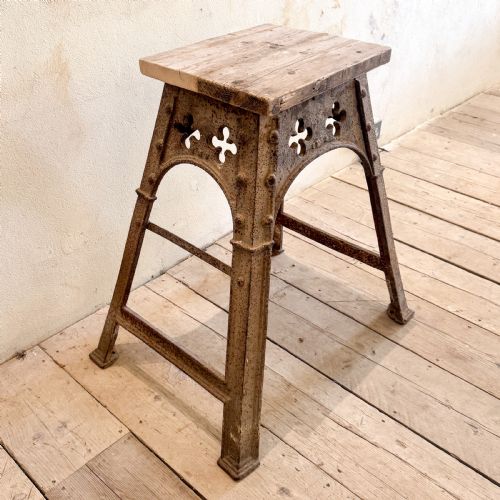
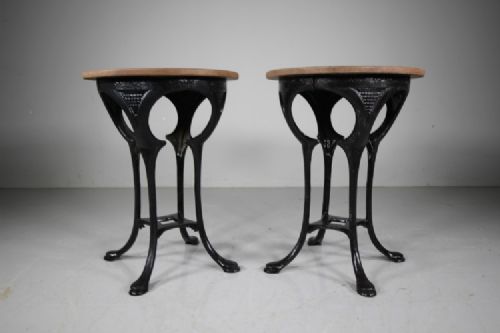
A cast iron planting table combines structural metalwork with timber or marble surfaces to serve utility spaces like conservatories and orangeries. When searching for a cast iron planting table, collectors encounter pieces spanning the Victorian period up to the nineteen thirties. These items take several practical forms including side tables, plant stands, display pedestals and garden tables.
The objects seen here reflect diverse design influences ranging from straightforward industrial manufacture to ornate Rococo Revival and Arts and Crafts styles. French Country and portico aesthetics also appear amongst English examples, showing how versatile these utilitarian tables were in domestic and garden settings.
Most examples date from the nineteenth century, particularly the Victorian era, though early twentieth century pieces up to nineteen thirty are present. Buyers typically find sturdy side tables and circular guéridon formats designed to withstand damp environments while providing a decorative surface for plants and garden implements.
Assessing quality and craftsmanship
Quality in these tables rests upon the crispness of the foundry cast and the integrity of the secondary materials used for tops. Finer pieces demonstrate precise detailing in the metalwork and well-fitted marble or hardwood surfaces that sit securely within iron frames.
The proportion and weight of the metal base separate standard utility items from more decorative architectural pieces like portico tables and display stands. Maker attribution, seen in specific Edwardian works, also elevates a piece above anonymous workshop production.
Cast Iron Planting Table Retail Price Guide 2026
Typical asking prices for cast iron planting table among the pieces listed under this phrase on Sellingantiques today, from the lower quarter to the upper quarter. They describe what is for sale here now, not the wider market.
Green painted French ironwork proves that even a humble plant stand deserves a coat of bright garden colour.
Archibald Knox
The Cast Iron Planting Table Glossary
- Cast iron
- A strong, hard alloy of iron and carbon poured into moulds to create decorative and structural furniture bases. It provides the heavy, stable foundation essential for plant stands and conservatory tables.
- Guéridon
- A small round table supported by one or more central columns, originating in seventeenth-century France. These pieces frequently feature in nineteenth-century French metalwork.
- Jardiniere
- An ornamental stand or container designed to hold plants and flowers. These items often incorporate brass and iron elements suitable for indoor or conservatory display.
- Strapp work
- Decorative metal strapwork patterns applied to furniture frames for reinforcement and visual interest. This technique appears on garden tables from the early twentieth century.
- Statuary marble
- A fine, white marble prized for its smooth texture and consistent appearance. It provides a durable, elegant top for nineteenth-century iron console and side tables.
Cast Iron Planting Table: Frequently Asked Questions
What is a cast iron planting table used for?
These tables were originally designed for practical tasks in conservatories, orangeries and gardens, providing a sturdy surface for potting plants and arranging flowers. Their durable metal frames and moisture-resistant tops made them ideal for working with soil and water.
Today, buyers use them in similar settings or bring them indoors as decorative side tables, display stands or plant pedestals that lend an industrial or traditional aesthetic to a room.
How do I date a cast iron planting table?
Dating relies on stylistic clues, manufacturing techniques and the materials paired with the iron frame. Victorian pieces often display ornate details like Rococo Revival curves, while later nineteenth and early twentieth century examples lean towards simpler industrial forms or Arts and Crafts influences.
Examining the construction of the top, whether natural timber, mahogany, or statuary marble, helps narrow down the period from mid-nineteenth century origins up to the nineteen thirties.
Are these tables suitable for outdoor use?
While cast iron is inherently robust and weather-resistant, many antique examples feature delicate secondary materials like hardwood tops, brass details or painted finishes that are vulnerable to prolonged exposure to harsh weather. They are best kept in covered areas such as conservatories, greenhouses or sheltered porches.
Protecting the table from standing water and extreme frost preserves both the metal structure and any fitted marble or wooden surfaces for daily use.
What styles are common in these tables?
The selection includes a range of aesthetic traditions from the nineteenth and early twentieth centuries. Victorian and Rococo Revival pieces offer decorative, ornate metalwork, whereas industrial items focus on straightforward, utilitarian strength.
French Country and portico designs also appear, alongside Arts and Crafts examples that emphasise craftsmanship and simpler lines. This variety allows collectors to match a table to specific interior or conservatory schemes.