


Victorian Conservatory Table
A victorian conservatory table brings robust metalwork and classic form inside, offering a sturdy surface for plants or serving.
Victorian Conservatory Table
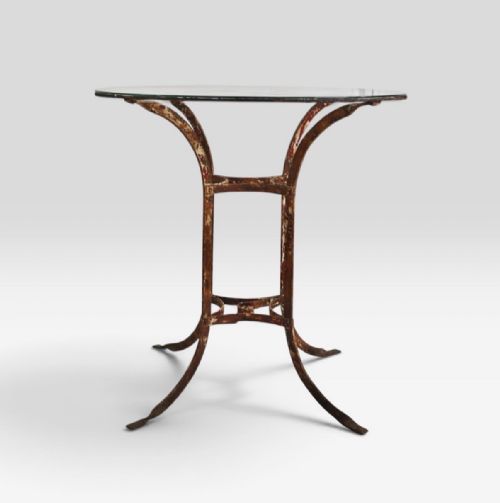
When you search for a victorian conservatory table, you encounter practical furniture designed for nineteenth-century glasshouses, orangeries and sheltered gardens. The pieces on this page span the nineteenth century and Edwardian eras, taking the form of garden tables, console tables, side tables and plant stands.
You are most likely to meet cast iron frames paired with marble tops, wood or glass. Makers combined durable metal bases with utilitarian or decorative surfaces to withstand humid garden room environments.
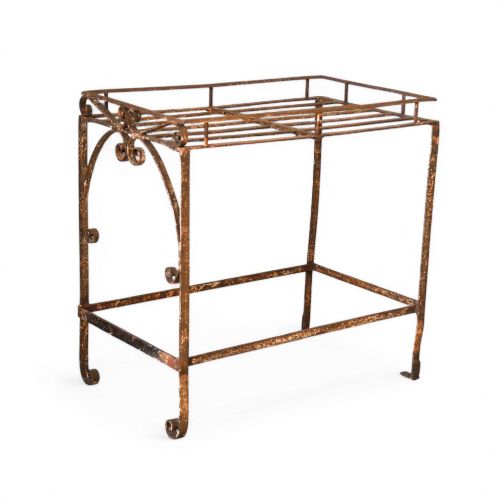
The selection includes specific regional variations, such as nineteenth century French garden tables and English estate-made pieces. Alongside standard tables, you will find wire work plant stands, occasional tables and specialised planting surfaces.
Materials and construction
Foundries utilised cast iron and wrought iron for sturdy structural frames, often incorporating scroll work, strap work and decorative scroll detailing. These heavy metal bases provided stability on uneven conservatory floors and supported substantial weight.
Tops were fashioned from marble, cedar, pine and mahogany, while others incorporated glass inserts or paint finishes. Wood components were selected for resilience, and marble slabs offered a cool, water-resistant surface ideal for potted plants.
Object forms on this page include garden tables, console tables, side tables, plant stands, occasional tables and jardiniere stands.
Assessing quality and finish
Quality rests in the crispness of the iron casting and the complexity of the scroll work or strap work. Finer examples display clean lines and well-defined decorative motifs without excessive pitting in the metal.
The choice of top elevates the piece, with heavy marble slabs or solid mahogany and cedar boards representing superior craftsmanship compared to simpler utility alternatives. Original surfaces and retained paint finishes also influence desirability.
The Victorian Conservatory Table Glossary
- Cast iron
- A strong, rigid alloy poured into moulds to create intricate frames and scroll work. It forms the heavy base of many nineteenth-century tables.
- Strap work
- Flat bands of metal arranged in geometric or interlaced patterns. This technique decorates the aprons and supports of period garden furniture.
- Jardiniere stand
- A tall ornamental stand or table designed to hold a plant container or flower pot. These pieces bring height and greenery to conservatory spaces.
- Orangery planting table
- A functional working table utilised for potting and tending tender plants. They typically feature robust wooden or stone surfaces.
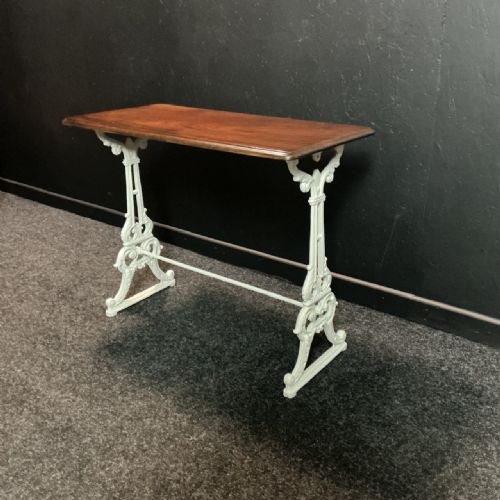
- Britannia table
- A traditional pub and garden table featuring a heavy cast iron pedestal base and a round wooden top. They offer stability in domestic and commercial settings.
Victorian Conservatory Table: Frequently Asked Questions
Can I use these tables outside?
While originally built for sheltered conservatories, orangeries and estate gardens, iron and stone components handle outdoor environments reasonably well if protected from harsh winter elements.
Wooden tops and painted finishes require more careful maintenance outdoors to prevent weathering and moisture damage over time.
How do I clean a marble top?
Wipe the marble surface regularly with a soft damp cloth and mild, neutral soap to remove dust and plant residue. Avoid acidic cleaners or harsh chemicals that can etch the polished stone.
Dry the surface thoroughly after cleaning to prevent water spots and maintain the natural finish of the material.
Are these tables heavy to move?
Most examples possess substantial weight due to the cast iron frames and marble slabs. Moving them typically requires two people to prevent damage to the floors or the piece itself.
Lighter wire work plant stands and smaller occasional tables offer easier mobility around different rooms and conservatory layouts.
How do I date a conservatory table?
Dating relies on examining the casting techniques, fastener types and material wear. Victorian pieces often feature heavier cast iron bases with distinct scroll work and stretcher designs.
Later Edwardian examples introduce lighter wire work construction and alternative stylistic influences, matching the period details recorded in the listings.