


Victorian Carved Table
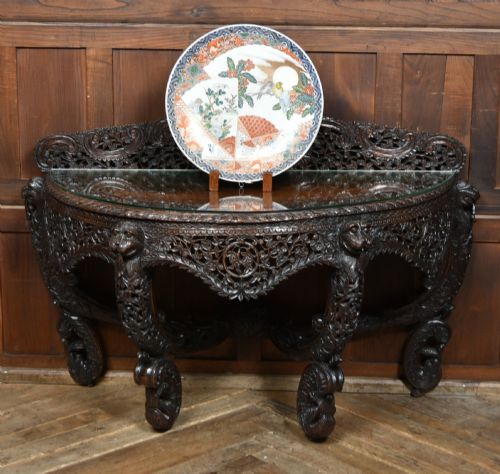
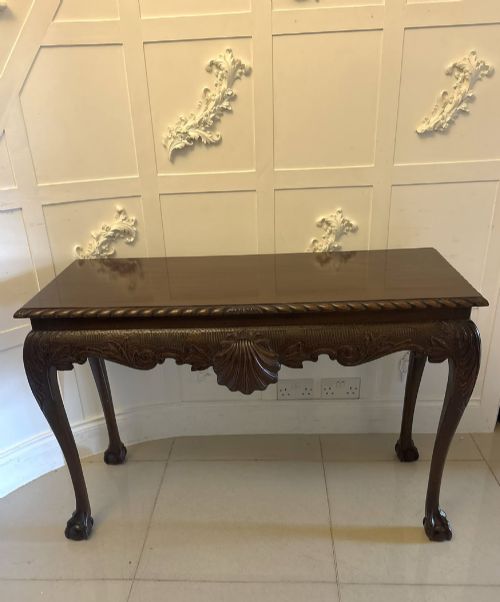
A victorian carved table brings nineteenth-century craftsmanship into a modern interior, offering solid timber construction and intricate detail.
Victorian Carved Table
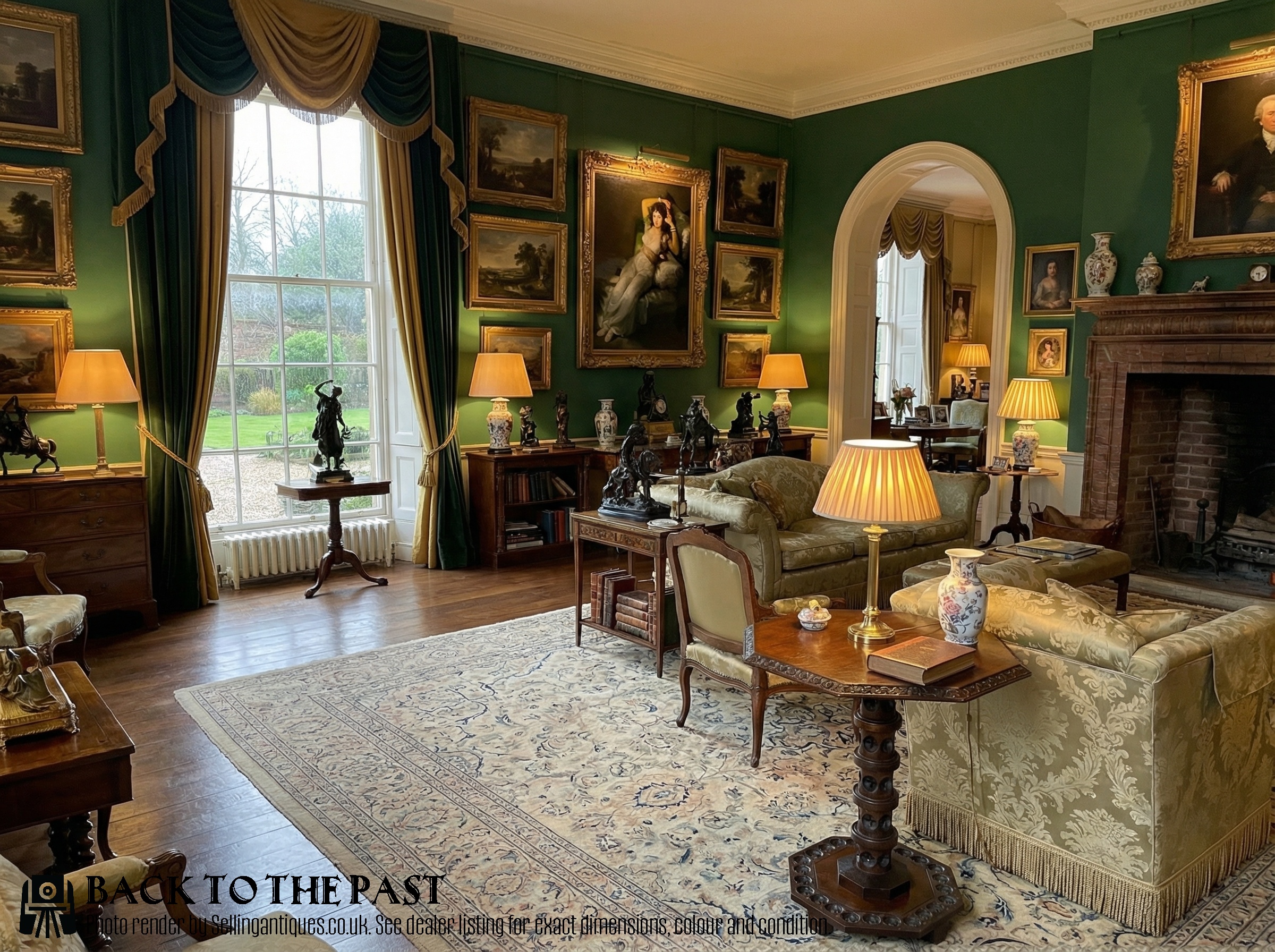
A victorian carved table encompasses a wide range of nineteenth-century domestic furniture designed for social, dining, and display purposes. These pieces emerge from the Victorian period alongside revivals of earlier historical styles.
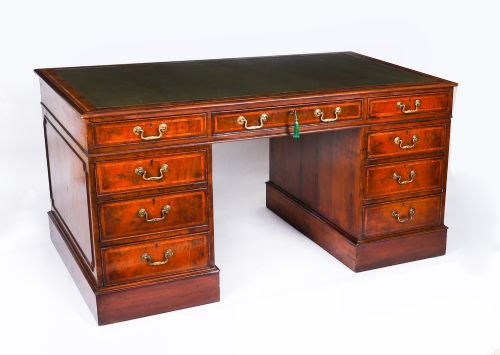
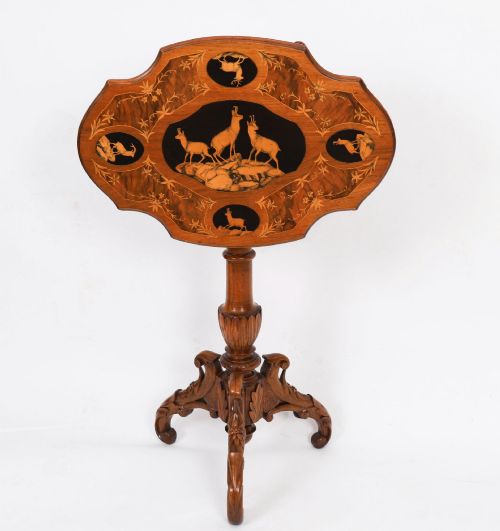
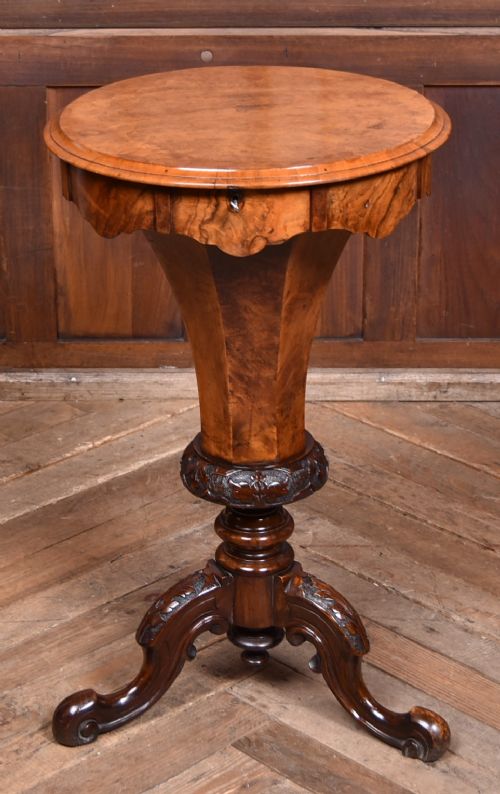
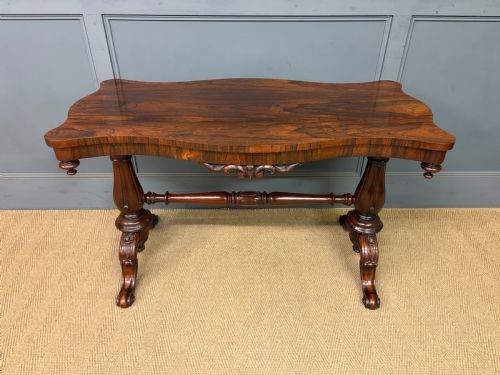
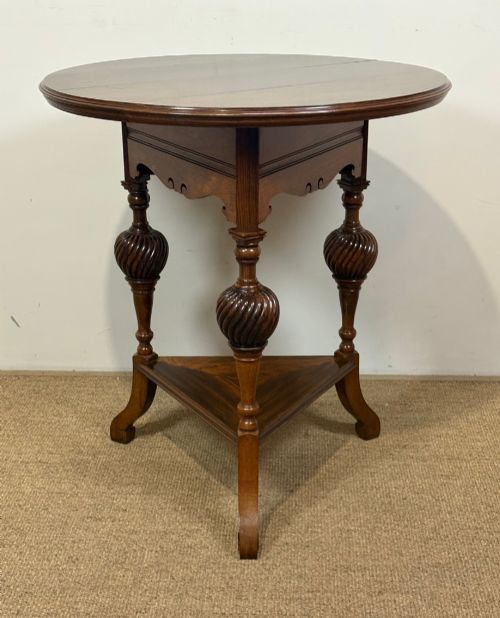
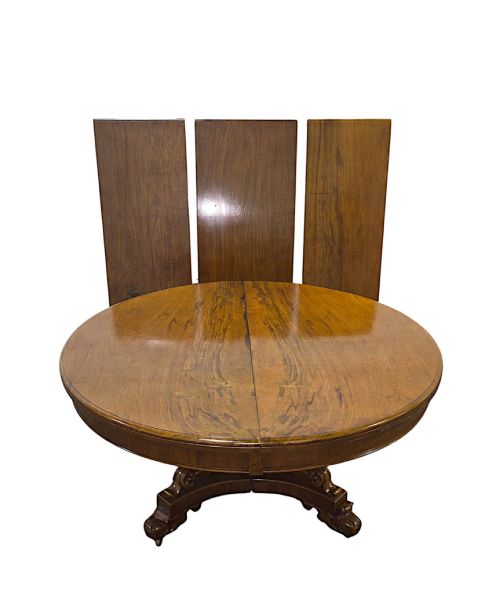
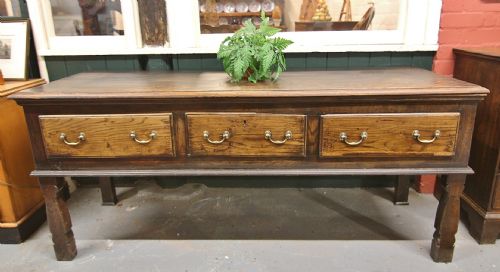
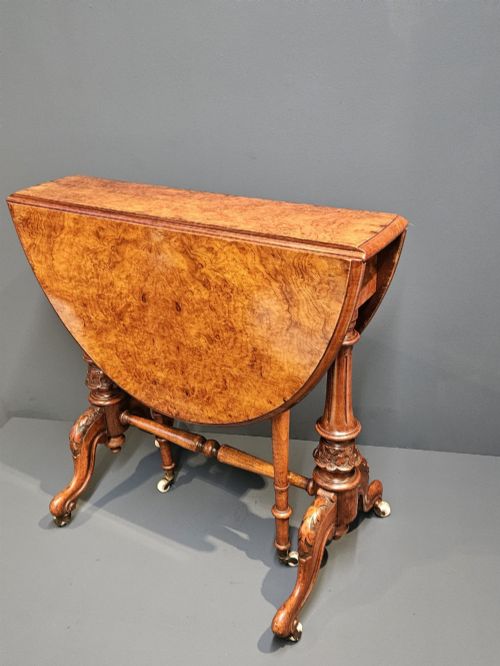
Centre tables and occasional tables dominate the selection, often featuring circular or oval tops supported by carved pedestals or tripod legs. Buyers encounter sturdy oak library desks and richly figured burr walnut fold-over card tables.
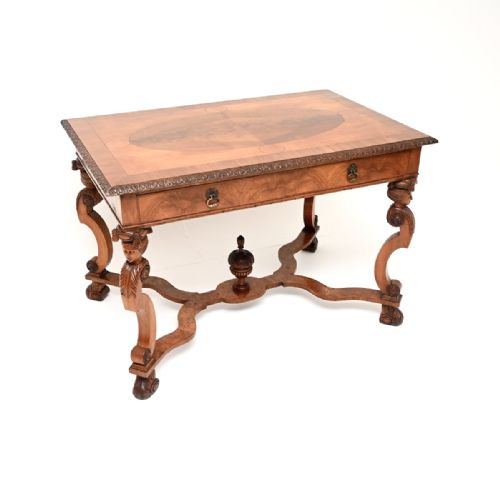
Makers utilised dense native and exotic timbers, frequently ornamenting the frames with floral motifs, scrolls, and deep linenfold or Green Man carvings. These tables served practical functions in drawing rooms, halls, and dining parlours.
How They Were Made
Joiners relied on solid hardwoods such as mahogany, oak, and walnut, frequently applying figured burr walnut veneers to table tops to create striking grain patterns. Carved elements were executed by hand, using chisels and gouges to shape acanthus leaves, animal forms, and geometric borders directly into the timber or applied mouldings.
Structural integrity was achieved through traditional mortise and tenon joinery, dovetails for drawer construction, and robust turning techniques like barley twist legs. Secondary timbers such as pine or mahogany were employed for internal framing and drawer linings.
Victorian Carved Table Retail Price Guide 2026
Typical asking prices for victorian carved table among the pieces listed under this phrase on Sellingantiques today, from the lower quarter to the upper quarter. They describe what is for sale here now, not the wider market.
Some Victorian tables hide secret wells beneath folding tops for cards or sewing.
What Varies in Quality
The standard of a victorian carved table depends heavily on the depth and crispness of the hand-carving, where sharp, undercut details distinguish superior work from shallow, mechanical moulding. Timber selection plays a critical role, with richly figured burr walnut and dense, unblemished mahogany commanding greater regard than plain secondary woods.
Engineering and proportion also determine excellence, seen in balanced pedestal bases, tight joints, and well-fitted mechanisms on tilt-top or fold-over tables. Original surfaces that retain a warm, polished patina demonstrate better preservation than stripped or heavily refinished timber.
The Victorian Carved Table Glossary
- Burr walnut
- A prized timber veneer harvested from the wart-like growths on walnut trees, yielding an intricate, swirling grain pattern. Cabinet makers used this on prominent surfaces like table tops to create decorative impact.
- Tilt-top
- A table mechanism featuring a hinged top that pivots vertically to save space when not in use. This construction often incorporates a birdcage catch beneath the top.
- Card table
- A specialised folding table designed for evening games, featuring a hinged top that opens to reveal a baize-lined playing surface. Many examples include a concealed storage well beneath the top.
- Pedestal base
- A central column support resting on carved feet, commonly found on round or oval tables. This design eliminates corner legs to allow flexible seating.
- Console table
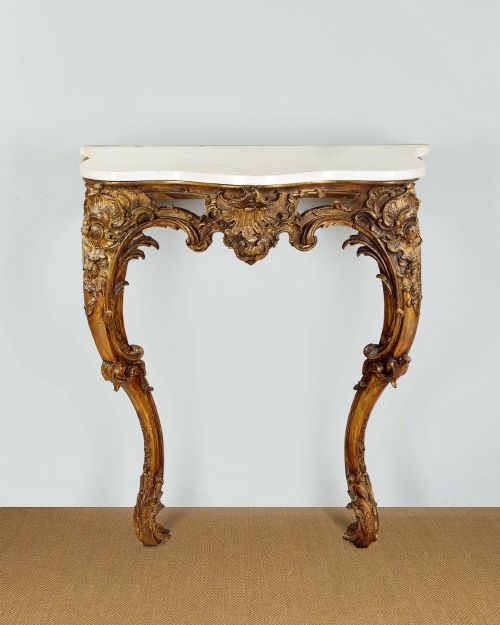
- A wall-mounted or freestanding table designed to sit flat against a vertical surface. These often feature elaborate carved bases and matching mirrors.
Victorian Carved Table: Frequently Asked Questions
How do I clean a carved wooden table?
Dust the carved crevices regularly with a soft, dry brush to prevent dirt accumulation in the recessed details. Apply a quality beeswax periodically to nourish the timber and maintain the natural sheen of the polish.
Avoid using modern liquid silicones or abrasive chemical sprays, which can degrade antique finishes over time. Keep the timber away from direct heat sources and strong sunlight to prevent warping and fading.
What is a tilt-top table used for?
A tilt-top table functioned historically as a flexible piece of furniture that could be moved against a wall when floor space was needed. The hinged mechanism allowed servants or residents to fold the surface flat.
Today, these tables serve effectively as lamp stands or display surfaces in living areas while retaining their traditional mechanical interest.
Were these tables made for dining or display?
Victorian tables served multiple domestic purposes depending on their specific form and size. Large extending tables and robust oak centre pieces accommodated family meals and formal gatherings.
Smaller occasional, lamp, and work tables were designed for drawing rooms to hold decorative objects, sewing equipment, or tea services.