




Gothic Plant Stand
These gothic plant stand designs bring vertical presence and architectural detail to interiors through revival forms.
Gothic Plant Stand
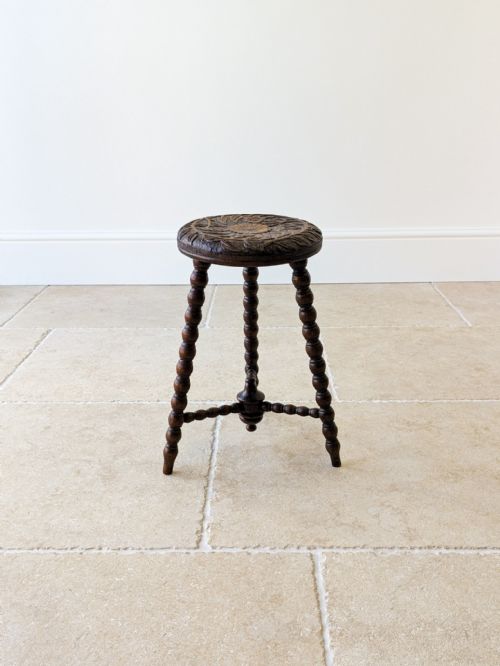
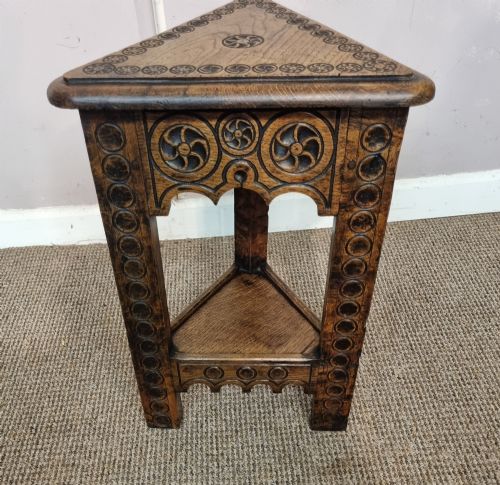
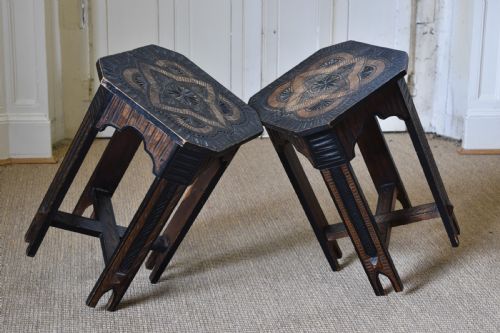
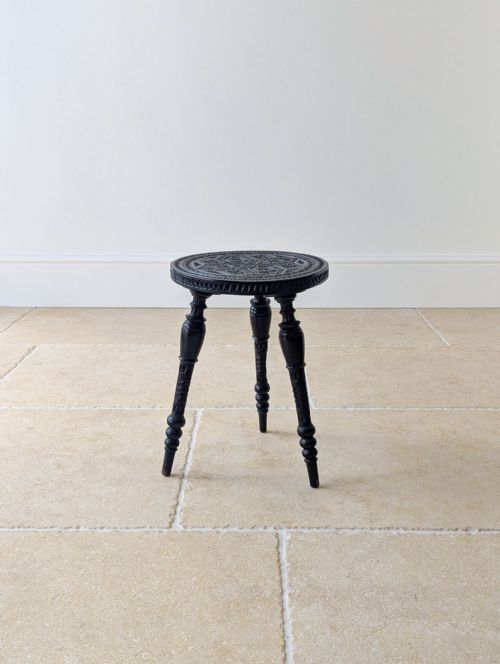
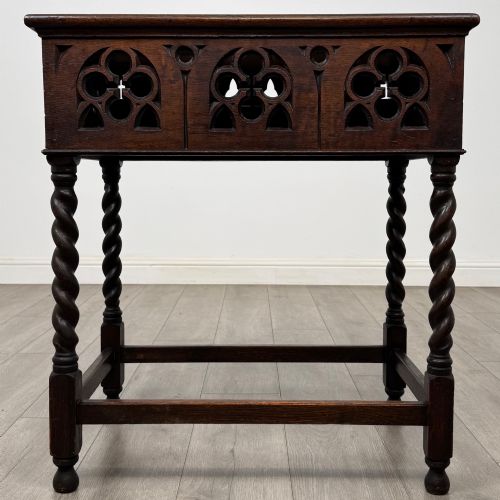
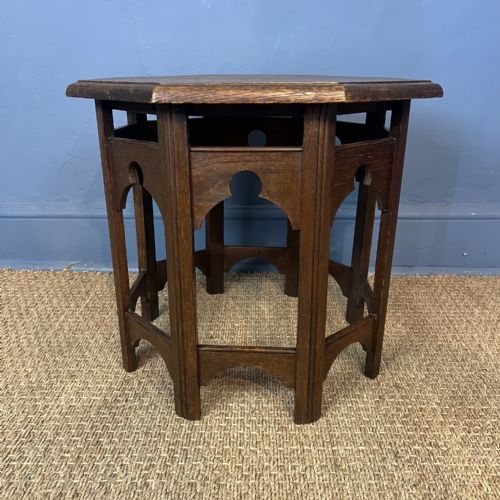
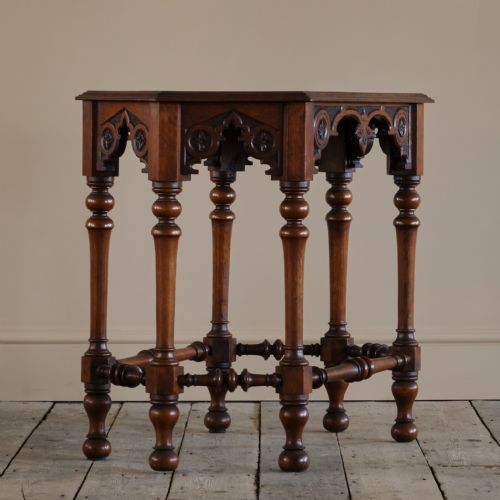
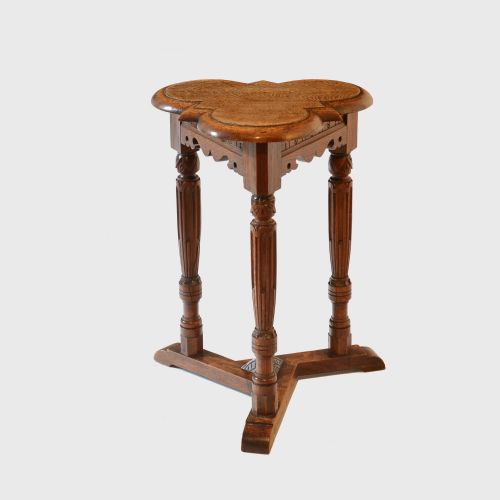
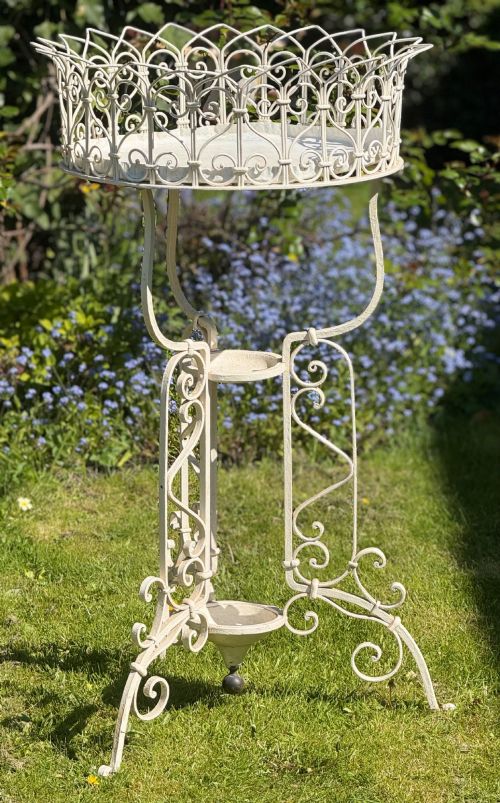
A gothic plant stand bridges domestic display and architectural revival, taking the form of pedestals, torcheres, occasional tables, and stools. The selection draws primarily from nineteenth century production, moving through Victorian variations into twentieth century interpretations.
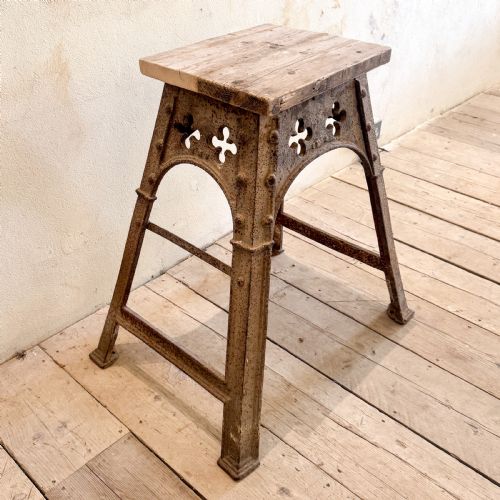
Buyers encounter oak most frequently, alongside wrought iron, cast iron, walnut, and assorted hardwoods. These pieces range from simple triangular and hexagonal tops to elaborate tiered and columned structures.
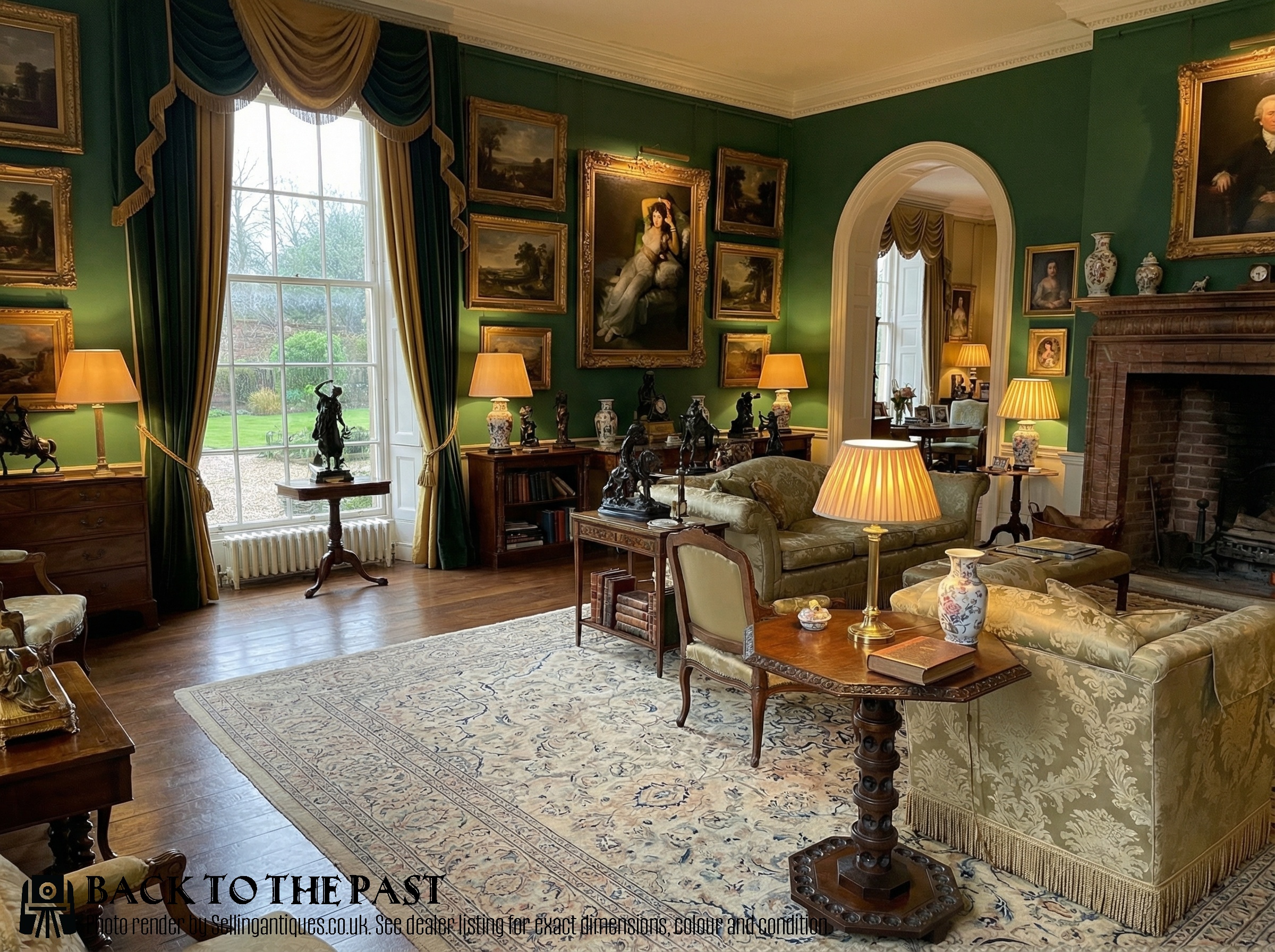
The aesthetic leans heavily on Gothic Revival, Arts and Crafts, and Victorian styles, occasionally incorporating Jacobean revival elements and industrial metalwork. Such items serve to elevate jardinieres, pots, and sculptural objects within a room.
Materials and construction
Makers utilised solid timbers like oak, walnut, and hardwood, applying chip carving, surface paint, and ebonising to articulate structural details. Joinery reflects period capabilities, from traditional wood construction to cast iron and wrought iron assembly.
Metal components involve cast iron, wrought iron, and brass, creating sturdy frames and decorative urns for garden and interior display. These materials support heavy plant pots and sculptural jardinieres without compromising stability.
Listings feature items spanning the nineteenth and twentieth centuries, dominated by oak timber and ironwork.
Assessing quality in revival stands
Quality reveals itself in the crispness of carved details, such as trefoil motifs, spiral columns, and caryatids. Superior examples demonstrate careful timber selection and tight joinery that withstands the weight of heavy displays.
The integrity of metalwork distinguishes finer pieces, with clean casting lines in iron and brass fixtures. Surface treatments, whether original paint, ebonising, or polished wood, show deliberate application rather than hasty finishing.
Baillie Scott
The Gothic Plant Stand Glossary
- Torchere
- A tall ornamental stand designed to support a lamp, vase, or plant. These slender pieces provide vertical accent points in period interiors.
- Jardiniere
- An ornamental pot or stand for holding plants or flowers. They often feature decorative metalwork or carved wood.
- Caryatid
- A carved architectural figure serving as a support pillar in place of a column. This sculptural element appears on pedestals and display stands.
- Trefoil
- A graphic ornament consisting of three overlapping rings or leaf-like shapes. This motif recurs frequently in Gothic Revival design.
- Ebonised
- Wood finished to resemble ebony through dark staining or painting. This technique creates a dramatic, dark surface popular in Victorian furniture.
Gothic Plant Stand: Frequently Asked Questions
Where should I place a plant stand?
These stands suit corners, hallway entrances, or windows where vertical elevation helps plants catch the light.
Their compact footprints allow them to occupy tight spaces without cluttering a room.
Can these hold heavy pots?
Solid timber and cast iron versions offer substantial weight capacity for large ferns and heavy ceramic containers.
Lighter wirework or delicate occasional tables require more consideration regarding the weight of the display.
How do I identify Gothic Revival style?
Look for architectural motifs such as pointed arches, trefoils, heavy turned columns, and carved tracery.
These elements draw directly from medieval ecclesiastical architecture adapted for domestic furniture.
Are these suitable for outdoor use?
Wrought iron and cast iron examples function well in gardens or conservatories, provided the metal is maintained.
Wooden pieces generally require indoor placement to protect the historic finish and timber integrity.