




Gothic Pedestal Table
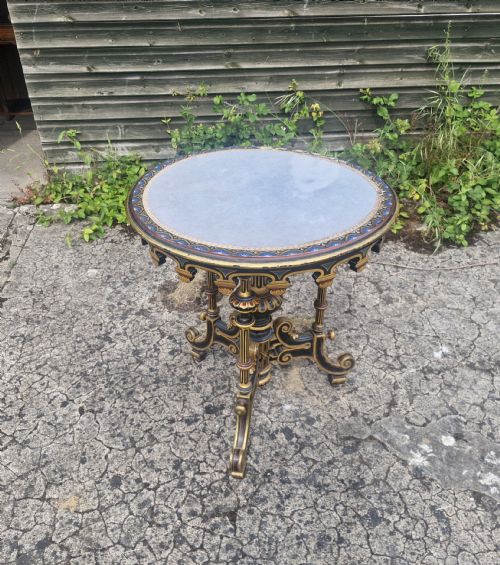
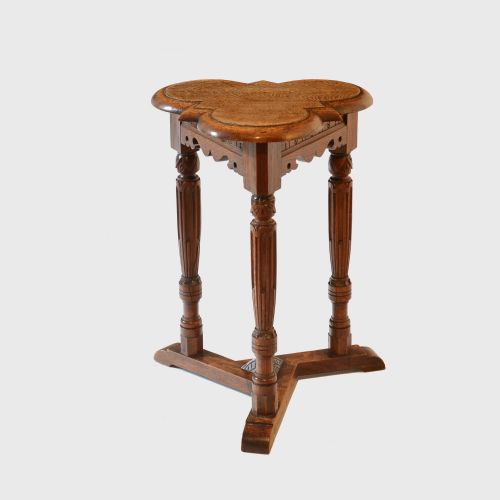
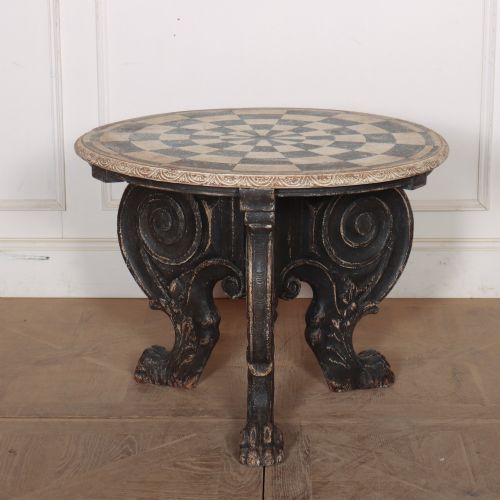
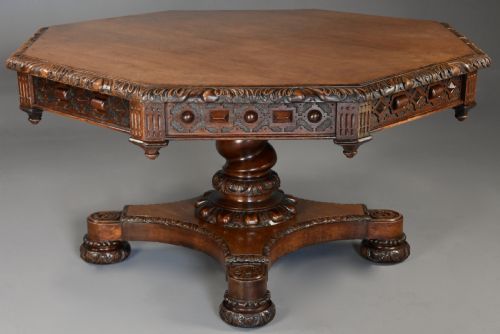
These gothic pedestal table examples bring together solid oak construction and architectural revival carving from the nineteenth century for practical placement.
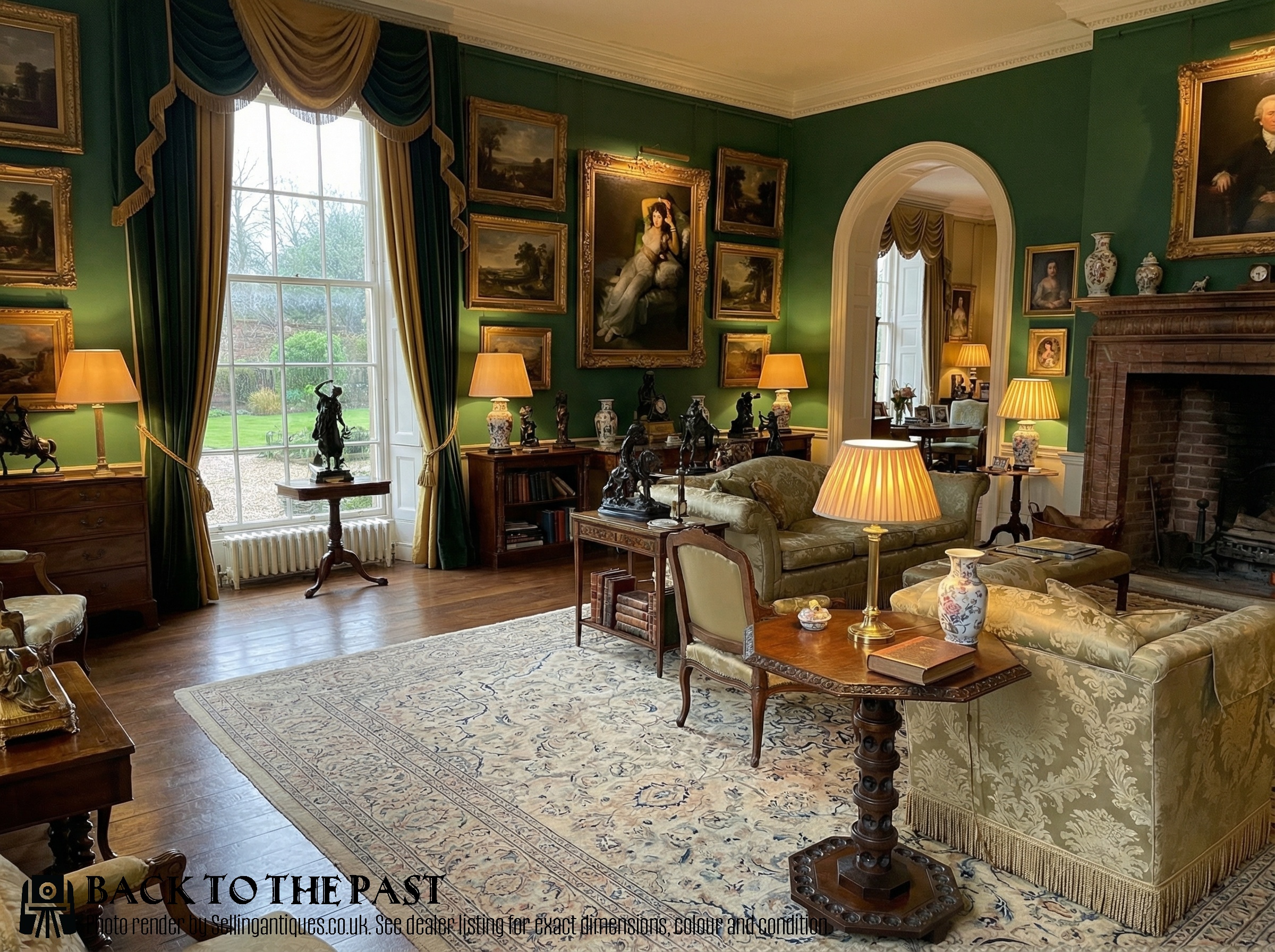
Gothic Pedestal Table
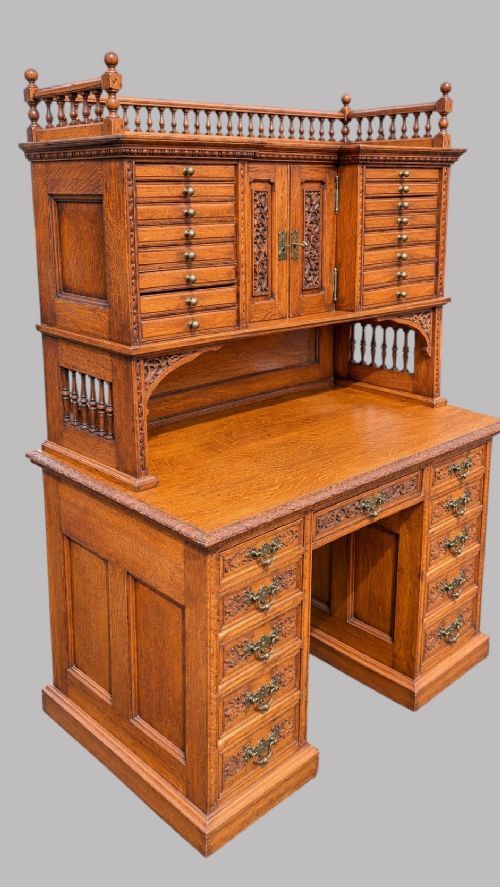
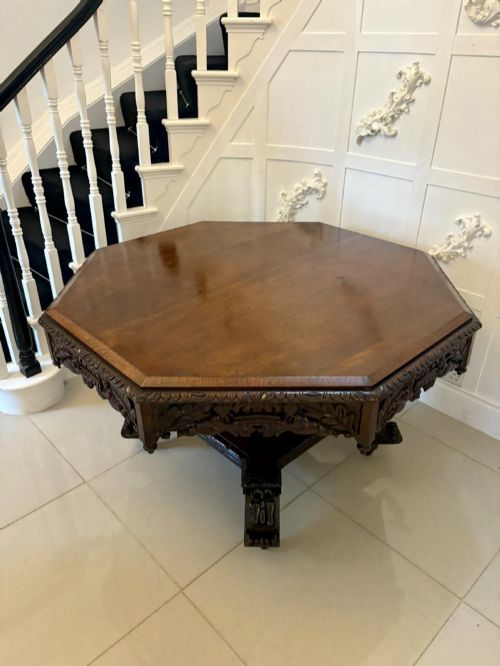
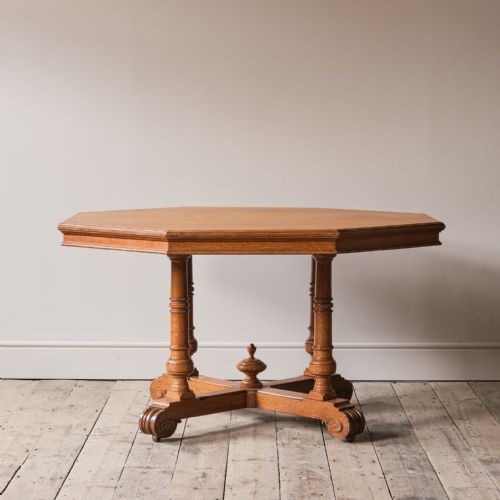
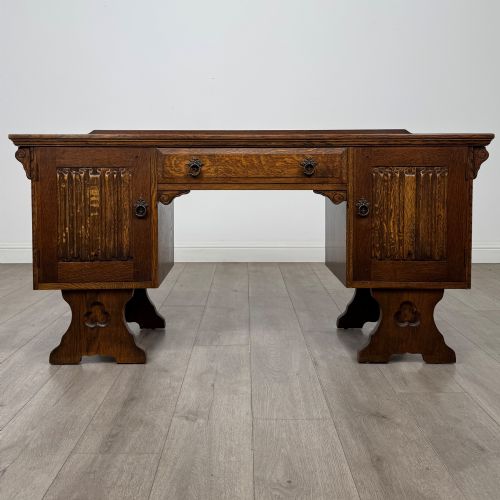
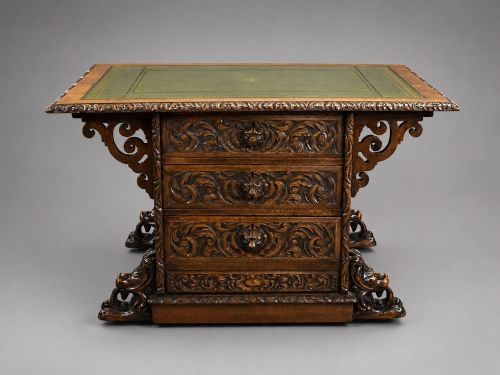
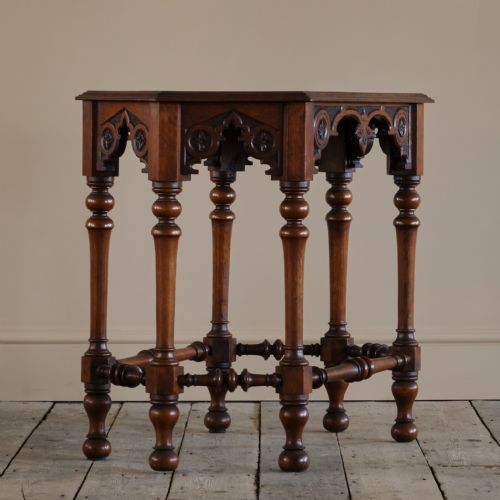
A gothic pedestal table combines nineteenth-century revival styles with sturdy central supports, appearing most frequently in oak across this selection. Pieces span from the early Victorian decades into the Edwardian era, taking forms such as octagonal library tables, occasional stands, and writing desks.
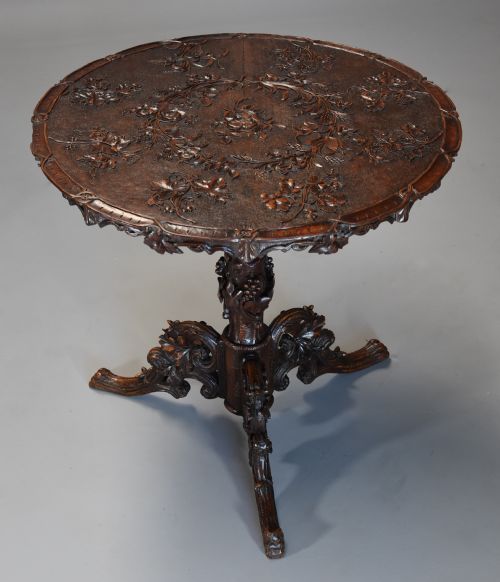
Makers drew on medieval architectural motifs, resulting in pieces with trefoil details, linenfold panels, and heavy columned bases. These items served functional roles in libraries, parlours, and studies as centre tables, reading surfaces, or bedside cabinets.
The nineteenth-century examples often display regional variations, including German and French workmanship alongside English productions. Buyers encounter standard occasional tables alongside larger library and partners writing tables built for institutional or domestic utility.
Materials and Technique
Oak dominates the construction, complemented by walnut, mahogany, pine, and linden wood. Craftsmen utilised deep carving techniques to render linenfold patterns, tracery, and figurative elements directly into the dense timbers.
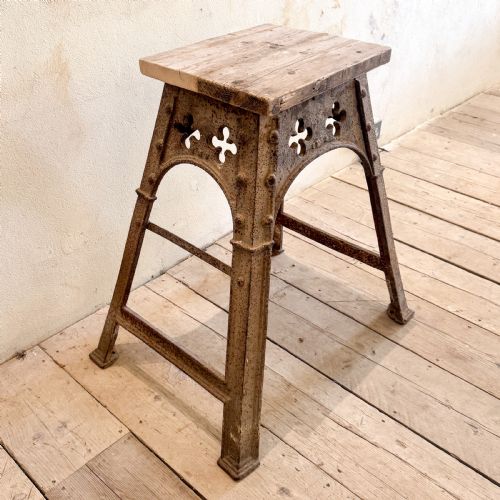
Selected surfaces incorporate contrasting insets such as tooled Moroccan leather or marble tops to provide durable writing and display areas. Structural elements frequently rely on heavy central columns, pedestals, and braced metal stands to support substantial timber tops.
Listings feature oak, mahogany, walnut, pine, and linden wood alongside marble and leather inserts.
Evaluating Execution
The depth and crispness of the carved ornamentation separate standard production items from masterworks. Profusely carved surfaces require precise chisel work that retains sharp edges along architectural motifs rather than soft, rounded profiles.
Timber selection and grain continuity across large octagonal or rectangular tops dictate the overall integrity of the piece. Superior examples retain original fitted elements like tooled leather insets and solid pedestal bases without structural modification.
Baillie Scott
The Gothic Pedestal Table Glossary
- Linenfold
- A style of wood carving that imitates folded linen cloth, frequently seen on Victorian panels and cabinet doors. This decorative treatment became central to revival furniture design.
- Trefoil
- A three-lobed ornamental design resembling a clover leaf, often pierced through woodwork or carved in relief. It appears frequently in gothic revival tracery.
- Gothic Reform
- A mid-nineteenth-century design movement promoting a return to authentic medieval construction principles and honest materials. It rejected excessive industrial ornamentation in favour of structural clarity.
- Teapoy
- A small table or stand designed to hold tea caddies, typically featuring a lidded box on a central pillar. These pieces were popular in affluent nineteenth-century drawing rooms.
- Partners Desk
- A large double-sided writing table fitted with drawers on both long sides to accommodate two users simultaneously. They are usually executed in solid oak or mahogany.
Gothic Pedestal Table: Frequently Asked Questions
How are these tables used today?
Buyers utilise them as centre tables in hallways, lamp tables in living rooms, or compact writing desks. Their sturdy central columns allow chairs to tuck in easily around octagonal or round tops.
They also function effectively as display surfaces for lighting, books, or decorative objects in period and contemporary interiors.
How do I spot a Victorian piece?
Victorian examples display characteristic revival styles such as heavy oak construction, deep relief carving, and occasional leather top insets. Construction methods typically show nineteenth-century joinery techniques without modern hardware.
Examining the underside and drawer linings reveals period-specific timber preparation and tool marks.
Are these tables solid wood?
The majority of these listings consist of solid oak, mahogany, walnut, or pine timbers rather than veneers. Craftsmen selected dense hardwoods to support the heavy architectural carving demanded by the style.
Secondary woods may appear in concealed areas like drawer interiors, adhering to traditional cabinetmaking practices.