

Victorian Carved Sofa
When you search for a victorian carved sofa, you enter a world of heavy timber frames, curved button-backs, and ornate upholstery designed for nineteenth-century drawing rooms.
Victorian Carved Sofa
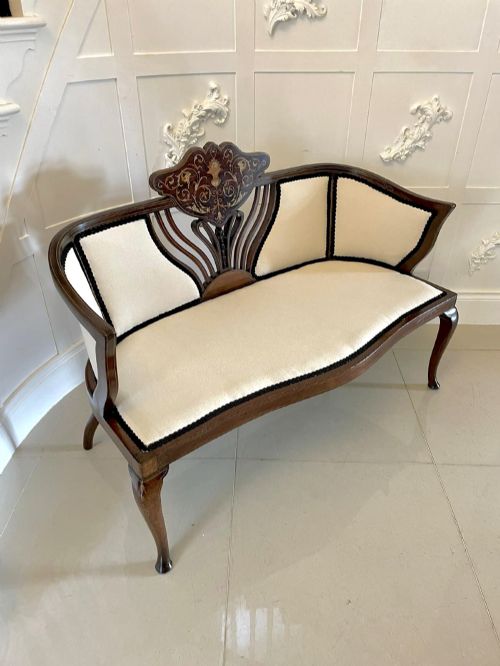
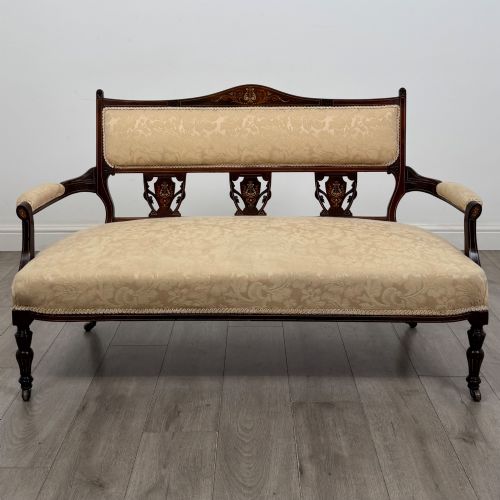
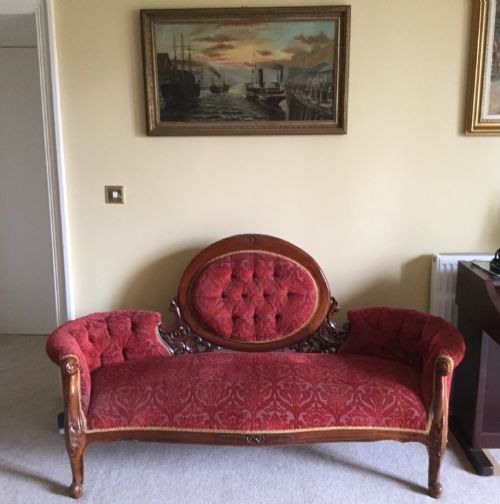
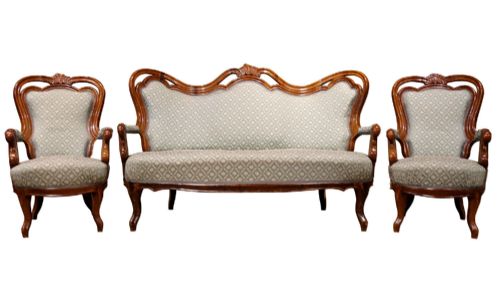
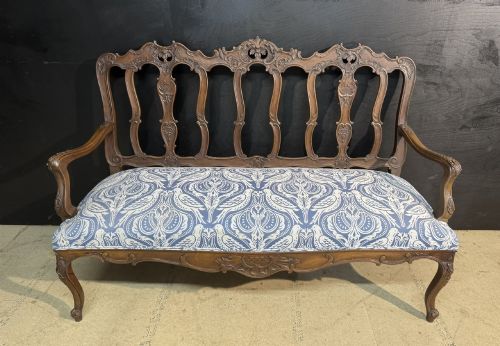
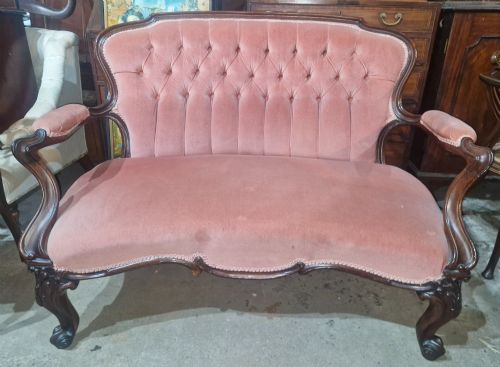
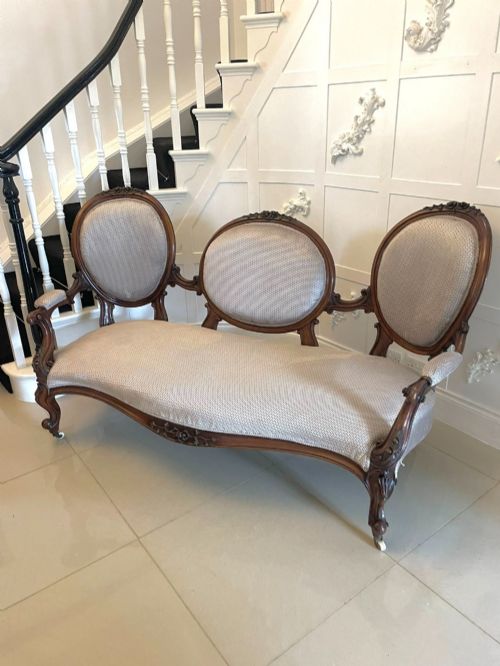
A victorian carved sofa is a seating piece built during the nineteenth century, encompassing various forms such as double spoon-back settees, cameo back couches, and salon suites. The items appearing most frequently on this page display solid timber frames with elaborate floral or scroll carvings, often accompanied by sprung bases and low profiles.
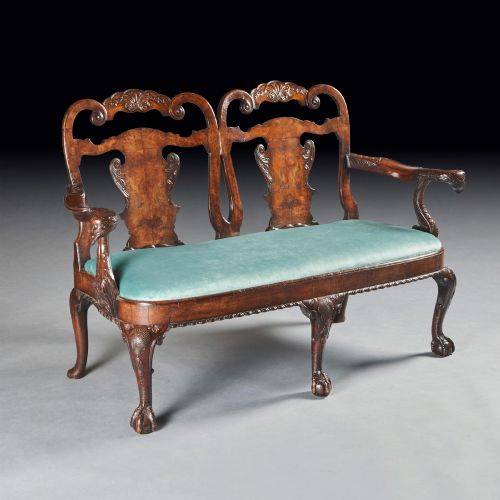
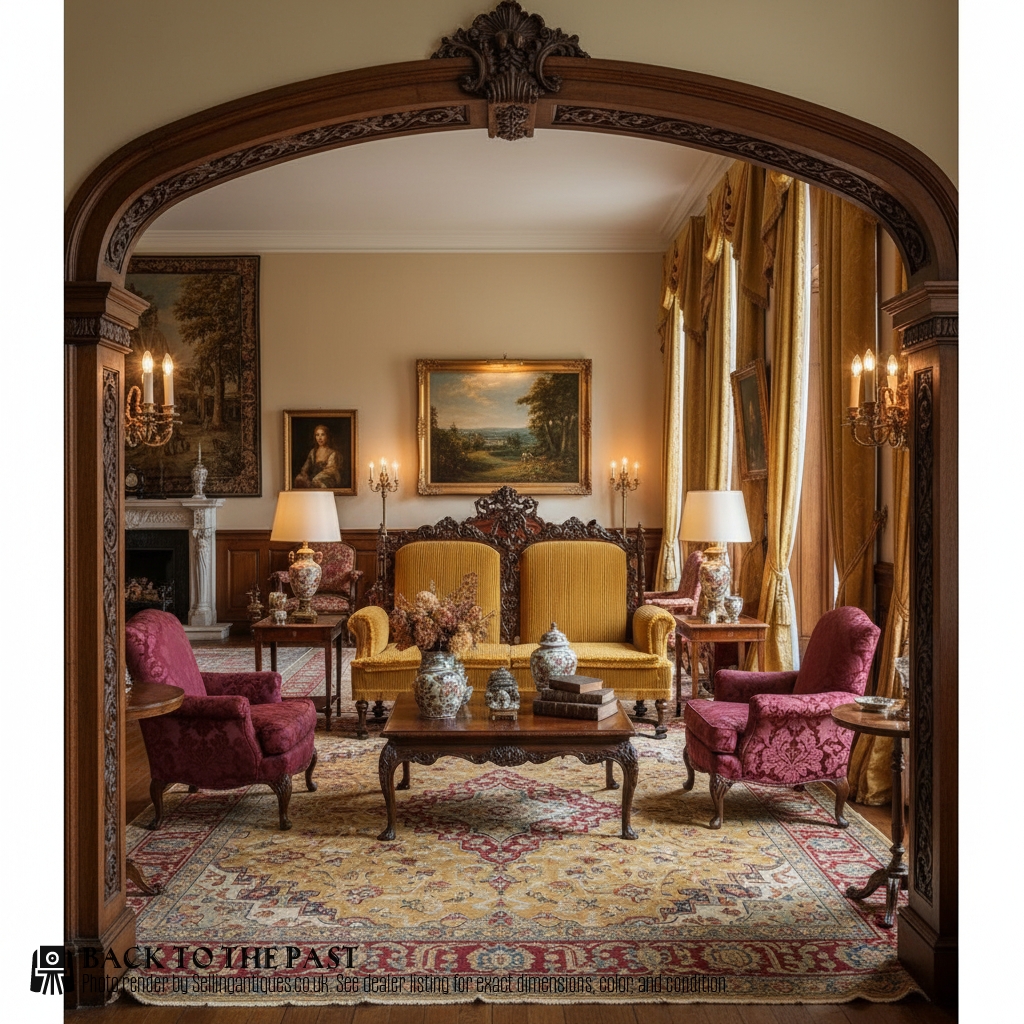
Makers and cabinet-makers of the period drew upon revival styles like Rococo, Georgian, and William IV, translating historic motifs into comfortable domestic furniture. These seats served formal entertaining spaces, frequently paired with matching chairs or centre tables within a unified drawing room layout.
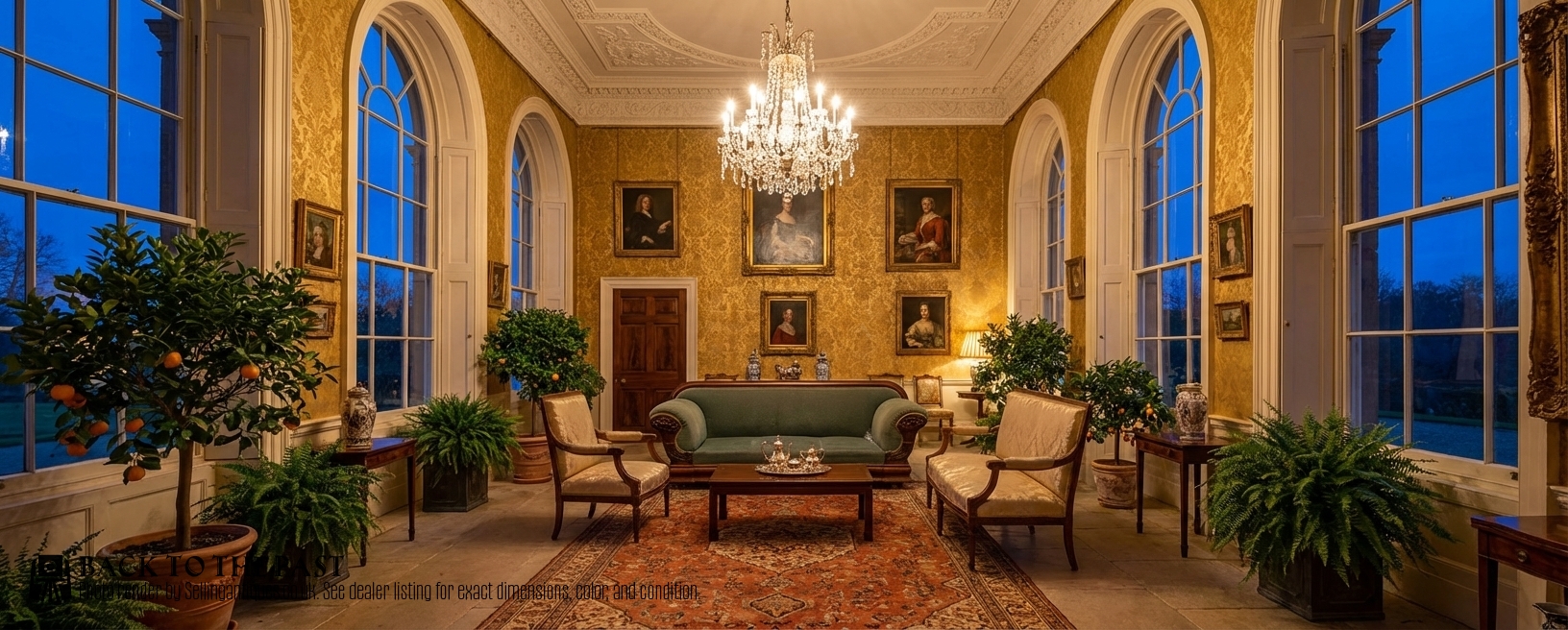
How They Were Made
Cabinet-makers constructed the structural frames of these pieces using dense hardwoods such as mahogany, walnut, rosewood, and burr walnut, selected for their strength and rich grain patterns. Timber sections were shaped, joined, and meticulously hand-carved with foliage, scrolls, or structural mouldings along the show-wood frames.
Upholstery involved deep buttoning, horsehair stuffing, and sprung bases, covered in luxury textiles like velvet, leather, and brocade. Brass castors were frequently fitted to the feet to allow movement across heavy carpets.
Victorian Carved Sofa Retail Price Guide 2026
Typical asking prices for victorian carved sofa among the pieces listed under this phrase on Sellingantiques today, from the lower quarter to the upper quarter. They describe what is for sale here now, not the wider market.
The recorded items span the nineteenth century, capturing shifts from early Victorian heavy frames to lighter late-century revival designs.
What Varies in Quality
The distinction between ordinary production and superior work lies in the depth and crispness of the hand-carving along the wooden show-frame. Master carvers produced undercut foliage and fluid scrollwork that feels integrated into the timber structure rather than shallowly applied.
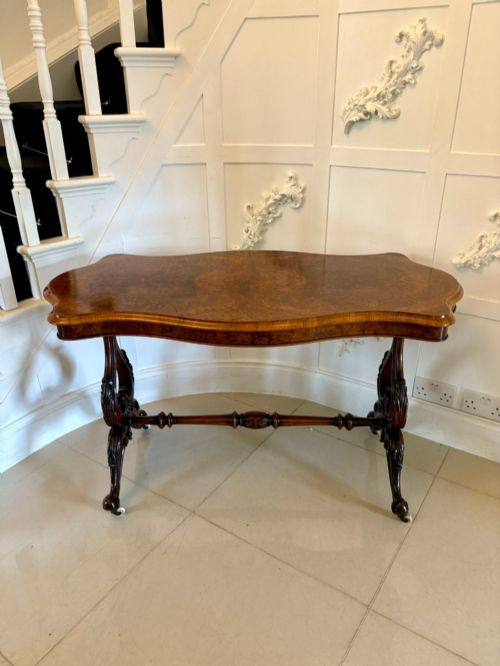
Selection of veneer also divides the range, particularly where figured burr walnut or rosewood covers the primary surfaces. Heavier structural proportions and well-balanced revival styling indicate higher-tier workshop output.
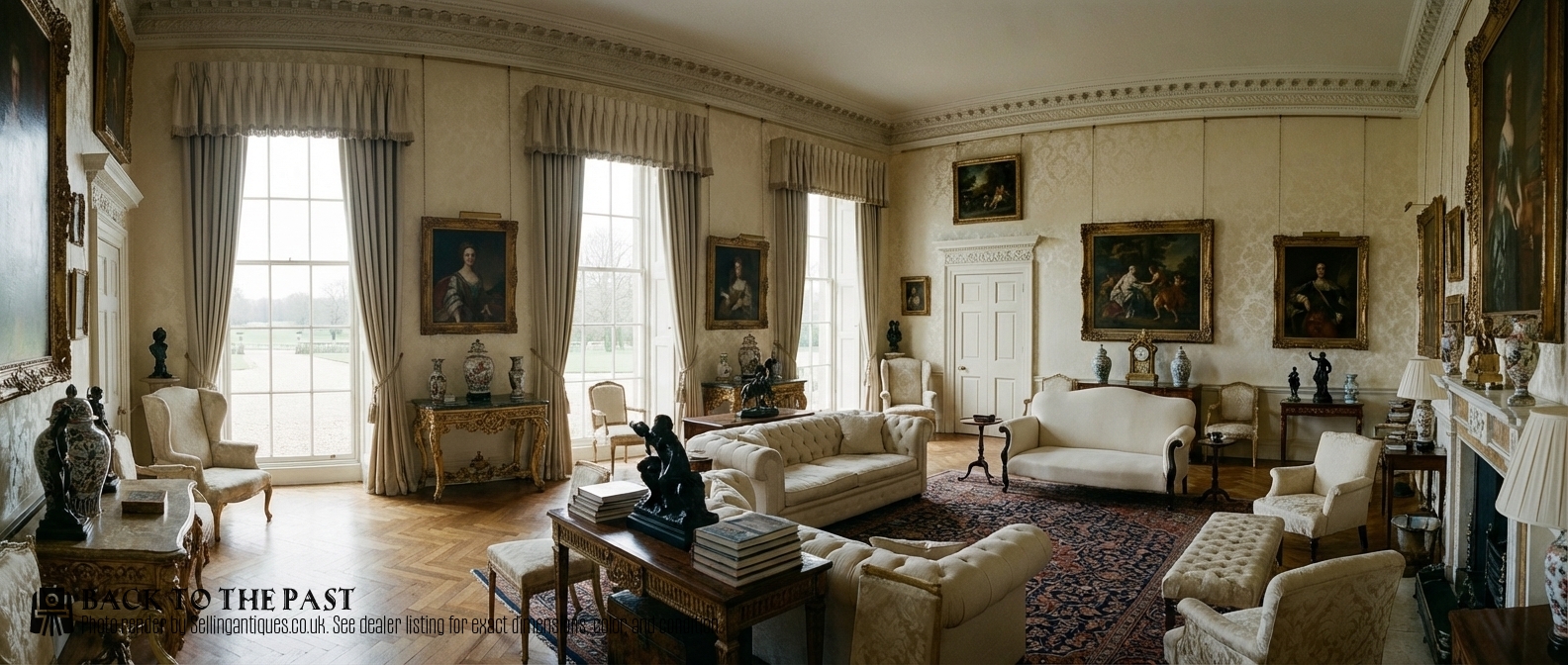
Mein of Kelso·Howard and Sons
The Victorian Carved Sofa Glossary
- Show-wood
- The exposed, polished timber frame of an upholstered seat that displays the carving and grain. It forms the visual border around the padded sections.
- Cameo back
- An oval or shield-shaped upholstered back panel resembling a carved gemstone profile. This shape appeared frequently on mid-nineteenth-century walnut drawing room seats.
- Double spoon-back
- A twin-lobed upholstered backrest shaped to support the human spine. The wooden rim curves outward like the bowl of a spoon.
- Sprung base
- An internal system of metal coils supporting the seat platform. It replaced earlier webbing and stuffing methods to increase seating comfort.
- Rococo Revival
- A decorative style mimicking eighteenth-century French asymmetry, shell motifs, and C-scrolls. Nineteenth-century versions applied these flowing curves to heavy walnut and mahogany frames.
Victorian Carved Sofa: Frequently Asked Questions
How do I date a carved sofa?
Dating relies on observing the timber choice, carved motifs, and structural lines across the piece. Walnut and rosewood dominate mid-century examples, while later decades often utilise mahogany with specific revival styling.
Examining the underlying construction methods and upholstery substructure also helps narrow the decade of manufacture within the broader nineteenth-century span.
Were these sofas meant for daily sitting?
These seats were originally built for formal reception rooms, drawing rooms, and parlours where guests were received. Their rigid frames and upright posture catered to nineteenth-century social etiquette rather than casual lounging.
Today, modern owners frequently place them in studies, hallways, or living rooms as statement furniture pieces that still accommodate regular domestic use.
What is a show-wood frame?
Show-wood refers to the polished timber portions of a sofa that remain visible around the upholstered padding. Carvers concentrated their decorative efforts on these exposed wooden borders.
High-grade examples feature intricate hand-carved floral motifs and continuous grain patterns along this exposed structural skeleton.
How do I care for antique upholstery?
Preserving the fabric requires regular gentle dusting and protection from direct sunlight to prevent fading. Leather elements benefit from periodic conditioning to maintain suppleness.
If re-upholstering is necessary, maintaining traditional stuffing materials like horsehair helps preserve the correct profile against the wooden frame.