
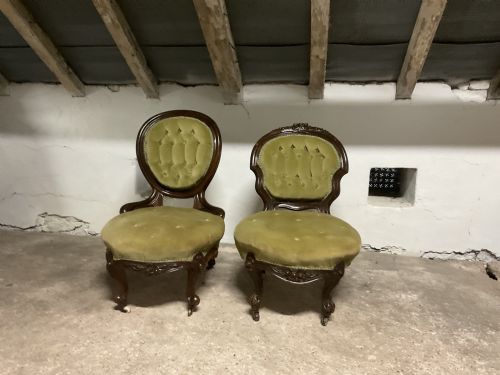
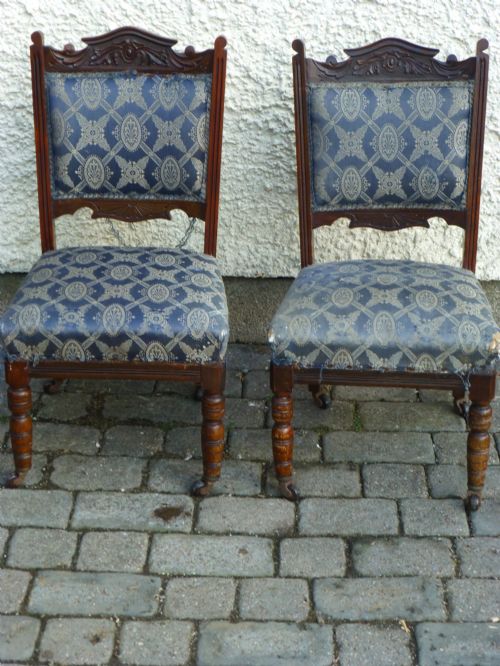
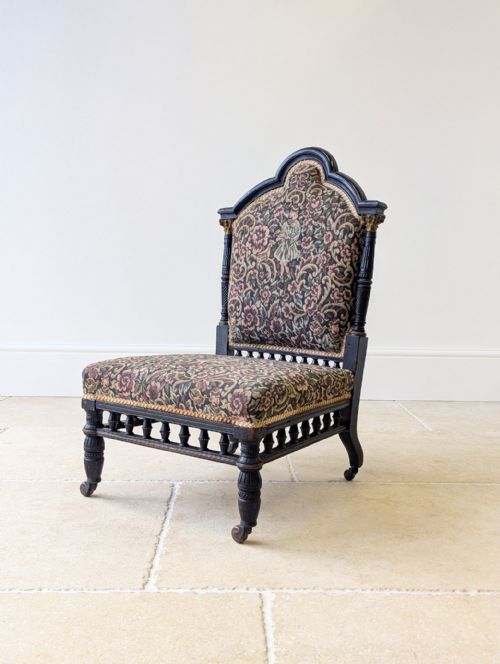
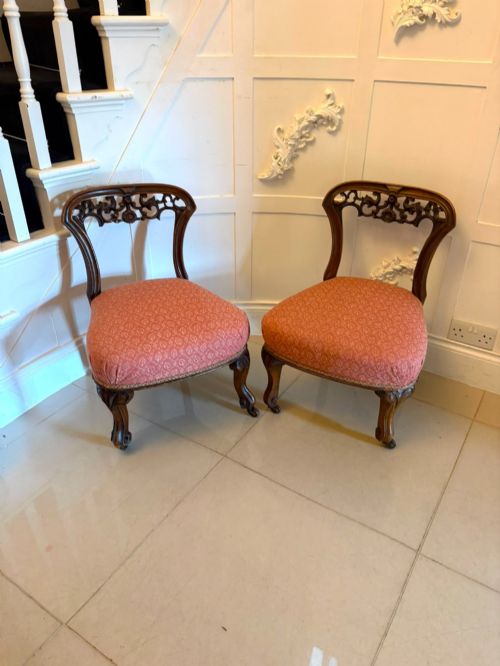
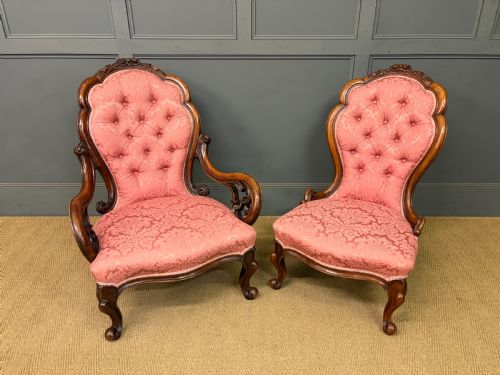
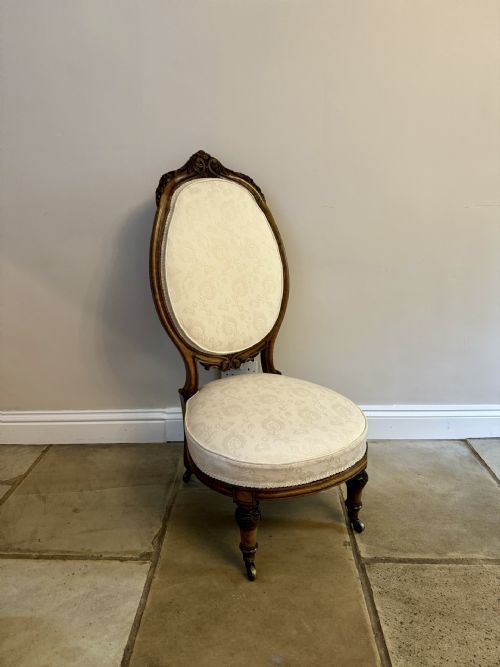
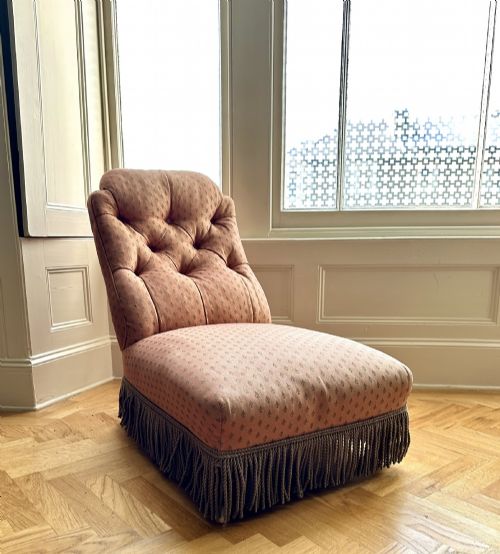


Victorian Carved Slipper Chair
These low-slung seats offer deep comfort and period character, bringing a Victorian carved slipper chair into a modern bedroom or dressing room.
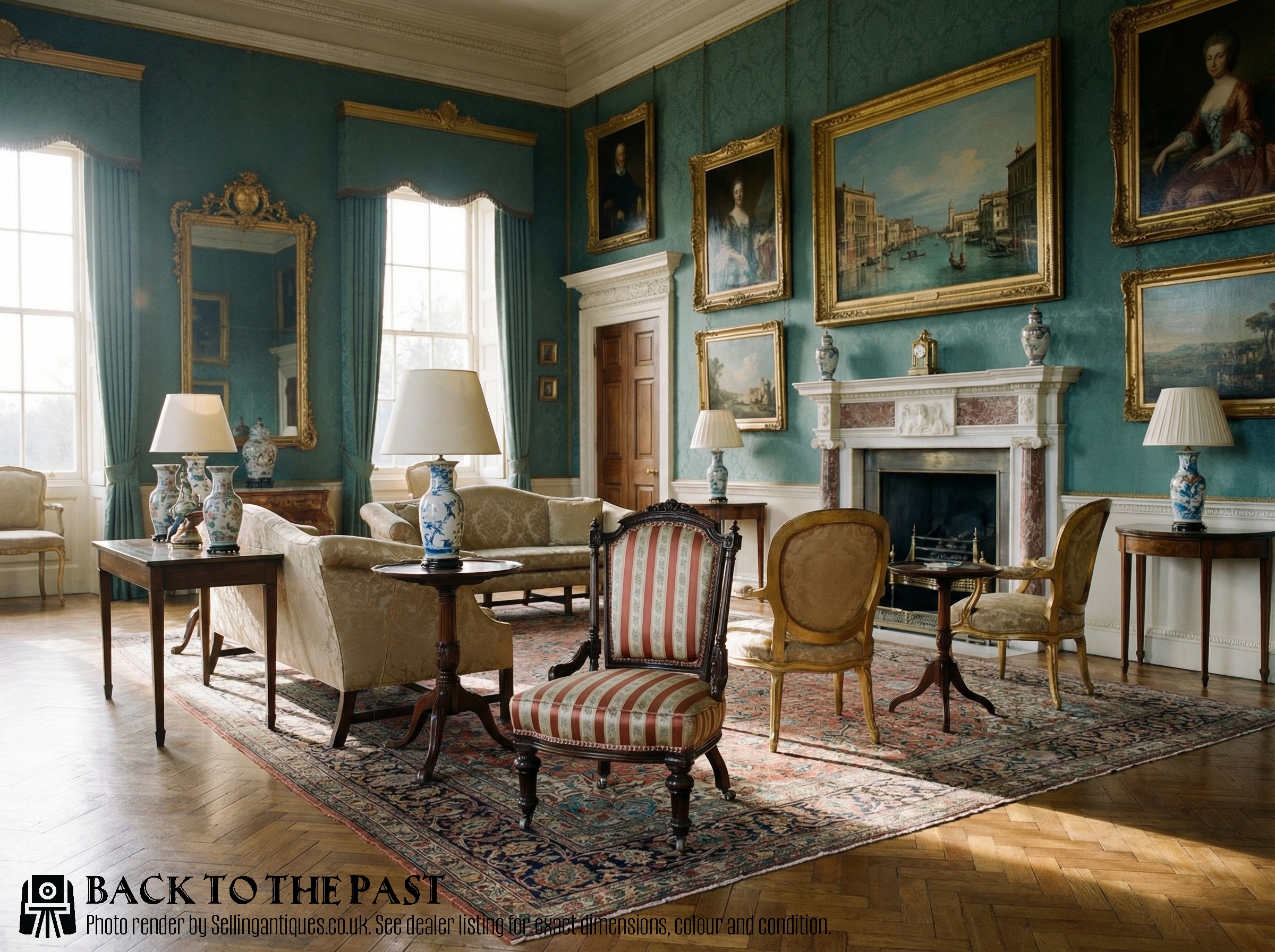
Victorian Carved Slipper Chair
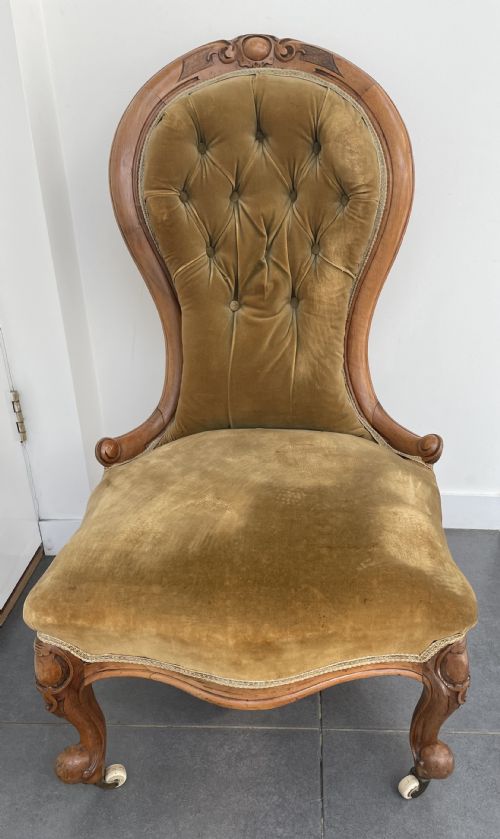
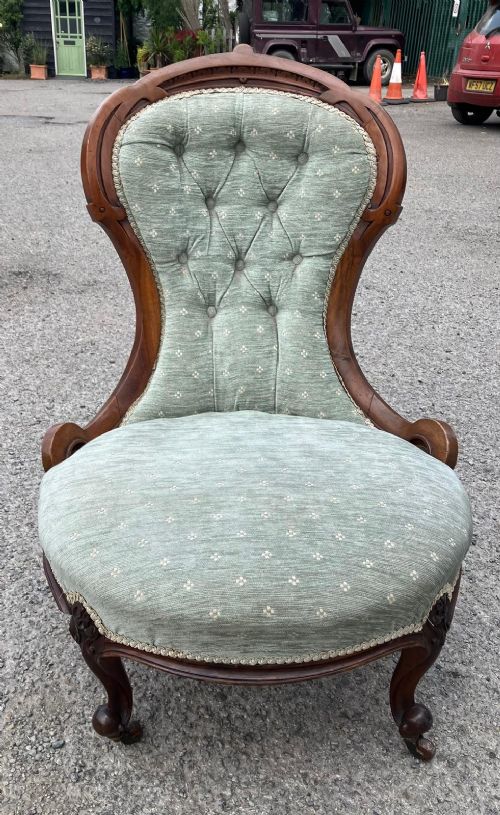
A victorian carved slipper chair sits low to the floor, designed originally for ladies to sit while putting on shoes or attending to their toilette. When searching this phrase, a buyer encounters pieces from the Victorian and nineteenth century periods alongside occasional Edwardian examples.
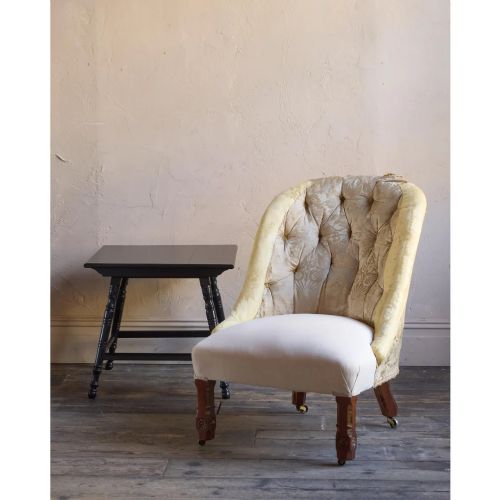
Most examples found here feature carved wooden frames supporting upholstered seats, frequently mounted on brass castors for mobility. These compact seating options serve well as accent pieces in bedrooms and smaller reception rooms.
How they were made
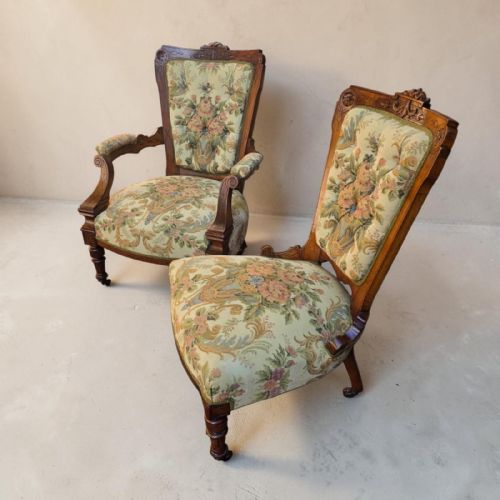
Cabinetmakers shaped the timber frames from solid walnut, mahogany, and rosewood, applying hand-carved ornamentation to the crest rails and cabriole legs. Many frames incorporate complex joinery such as spoon-backs and scroll designs.
Upholstery techniques involved traditional stuffing layered over webbing and springs, finished with fabric, velvet, or tapestry coverings and sometimes trimmed with fringe. Lower frames often incorporate ceramic or metal castors fitted to the wooden legs.
Some chairs roll on tiny ceramic teacups disguised as castors.
What varies in quality
The refinement of the timber carving dictates much of the visual distinction, with crisp, deeply undercut foliage and moulded frames separating superior examples from plain ones. Wood selection also matters, as well-figured walnut and rosewood command greater attention than standard mahogany.
Proportion and structural integrity define the remaining differences across the range. Pieces retaining their original show wood, sturdy frames, and well-balanced low proportions stand apart from heavily altered or structurally fatigued specimens.
R Whytock of Edinburgh·Lamb of Manchester
The Victorian Carved Slipper Chair Glossary
- Spoon-back
- A padded chair back shaped in a concave oval to mimic the bowl of a spoon, providing ergonomic support. This form gained immense popularity during the mid nineteenth century.
- Nursing chair
- A low-seated chair designed for women feeding infants or tending to domestic tasks close to the floor. They typically lack arms to accommodate wide skirts.
- Castor
- A small wheel fitted to the base of furniture legs to allow smooth rolling across carpets. These often combine brass mounts with ceramic wheels.
- Aesthetic Movement
- A late nineteenth century design style that rejected heavy industrial ornamentation in favour of artistic simplicity and ebonised finishes. It drew inspiration from Japanese art.
- Prie-Dieu
- A devotional prayer chair featuring a high, narrow back often topped with a small shelf for kneeling or resting books. They are frequently upholstered in tapestry.
Victorian Carved Slipper Chair: Frequently Asked Questions
Where do you put a slipper chair?
These compact seats suit bedrooms, dressing rooms, and corners of living spaces where low furniture creates an intimate scale. Their modest height keeps sightlines open.
They work particularly well paired with low dressing tables or placed beside a fireplace where standard armchairs overwhelm the floor area.
How do I date a Victorian chair?
Dating relies on examining timber choices, upholstery styles, and framing details documented across the nineteenth century. Walnut and rosewood dominated mid-period pieces, while ebonised finishes often indicate later Aesthetic Movement work.
Hardware such as brass and ceramic castors also provides chronological clues, alongside construction methods hidden beneath the upholstery webbing.
What is the difference between a nursing chair and a slipper chair?
Nursing chairs were traditionally built low to facilitate infant care, whilst slipper chairs served dressing rooms for putting on footwear. Both share a shortened seat height and armless profiles.
In practice, makers and historical listings often interchange these terms based on frame shape and upholstery style.
Can these chairs handle daily sitting?
Solid timber frames constructed from walnut and mahogany offer robust structural integrity suitable for regular use. Many surviving examples have been re-webbed and re-upholstered to modern standards.
Checking the stability of the joints and frame ensures the piece supports daily weight comfortably without shifting.