
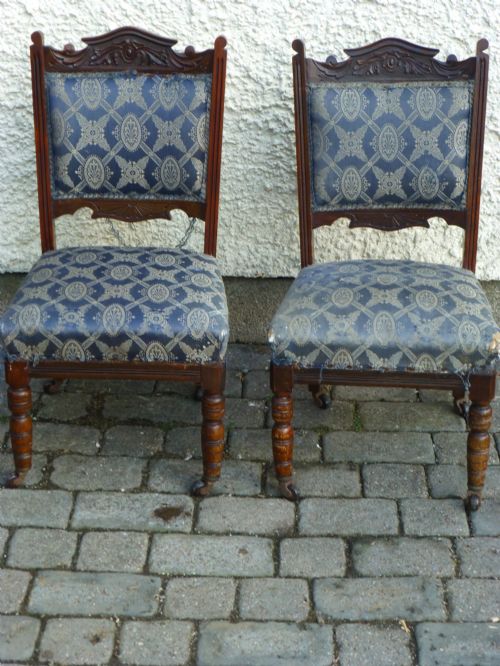


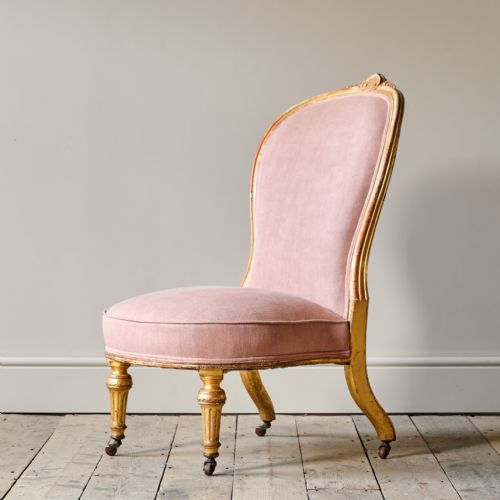


Carved Wood Slipper Chair
These carved wood slipper chair pieces combine low-slung seating with period timber frames, offering compact comfort for the modern bedroom.
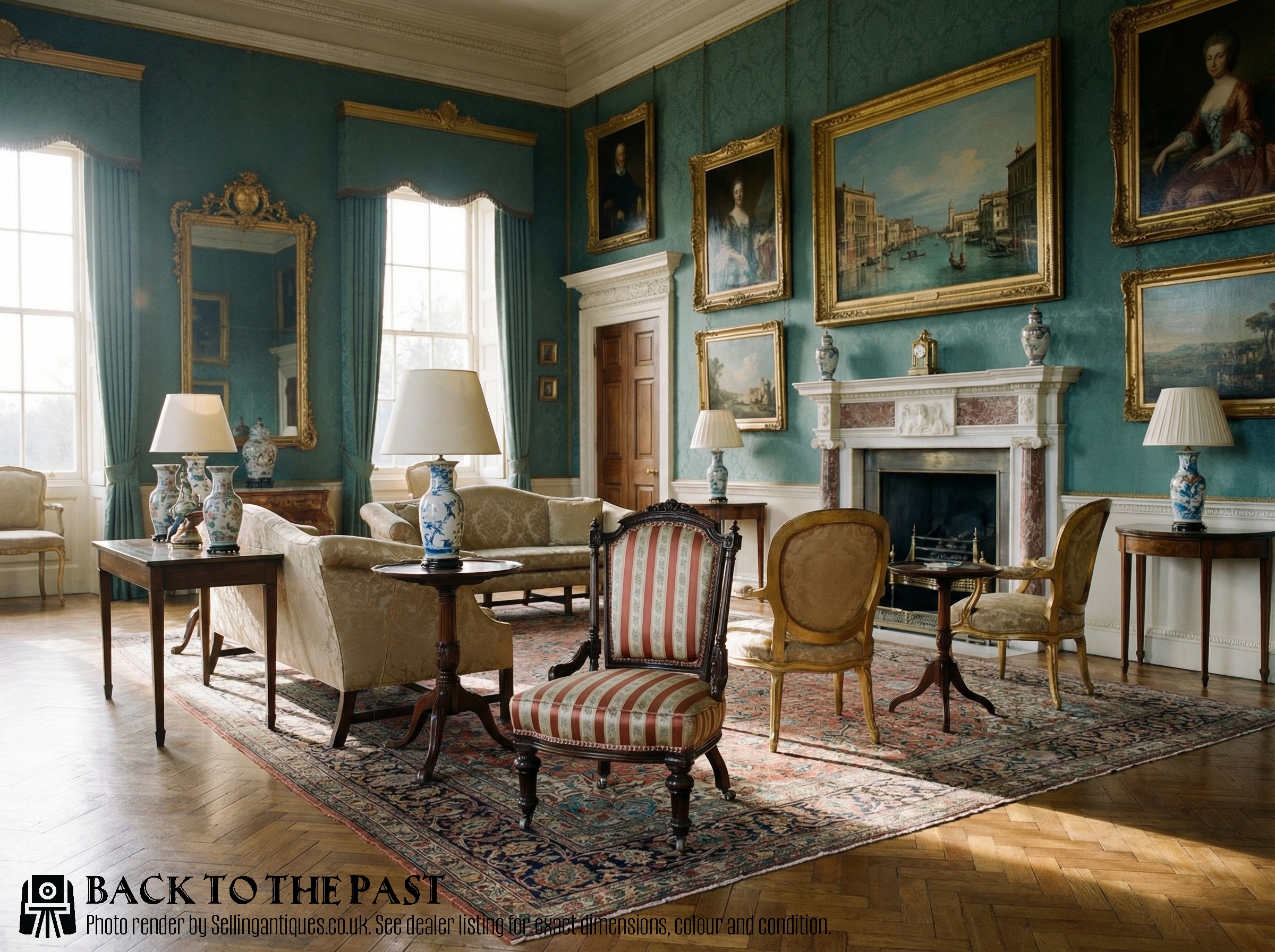
Carved Wood Slipper Chair
A carved wood slipper chair typically presents a low-slung profile designed originally for ladies to sit whilst putting on footwear. On this page, you meet these primarily as Victorian and Edwardian examples spanning the mid nineteenth century through to the early twentieth century.
The form frequently overlaps with related low seating such as nursing chairs, prie-dieu prayer chairs and bedroom side chairs. Walnut and rosewood frames dominate the selection, often accompanied by mahogany, oak, giltwood and ebonised timber.
Makers and workshops of the period utilised various revival aesthetics, including Gothic Revival and Rococo Revival, alongside Anglo-Indian carved details. You will encounter both single seats and matched pairs ready for placement or re-upholstery.
Materials and construction methods
Frames are constructed from dense hardwoods like walnut, rosewood and mahogany, which allow for intricate hand-carving along the crest rails and cabriole legs. Turnings, barley twists and giltwood enrichment frequently appear on nineteenth-century frames.
Upholstery techniques rely on traditional springing and stuffing secured to solid timber foundations, often finished with brass castors on the feet. Many pieces retain or require textile coverings such as velvet, fabric and patterned upholstery.
Object forms span nursing chairs, prayer chairs, side seats and occasional armchairs.
Assessing quality in period seating
Quality rests upon the crispness of the timber carving and the selection of fine hardwoods like figured walnut or rosewood. Superior examples demonstrate robust frame joinery and well-proportioned cabriole or turned supports.
The integrity of the original wood structure dictates value, alongside whether decorative elements like gilding or ebonising remain undisturbed. Pieces retaining maker attribution or distinct regional characteristics command closer attention from collectors.
R Whytock of Edinburgh·Lamb of Manchester·Morison and Co
The Carved Wood Slipper Chair Glossary
- Slipper chair
- A low-seated upholstered chair traditionally used in bedrooms for dressing. These pieces lack arms and sit close to the floor.
- Nursing chair
- A low-seated Victorian chair designed for comfort while nursing infants. They share similarities in scale with slipper chairs.
- Prie-dieu
- A devotional prayer chair featuring a high, narrow back often topped with a carved rail. They date predominantly to the Victorian period.
- Cabriole leg
- A furniture leg that curves out and then in, resembling an animal limb. This form appears frequently on mid-nineteenth-century seats.
- Giltwood
- Timber treated with gold leaf or gilt preparation. It is seen on decorative nineteenth-century frames and revival pieces.
Carved Wood Slipper Chair: Frequently Asked Questions
What is a carved wood slipper chair used for?
These low seats serve well as occasional bedroom chairs or dressing room seating. Their compact proportions allow them to fit easily into smaller spaces.
Historically, they provided comfortable seating for changing shoes or attending to infants. Today, they function primarily as decorative accent pieces.
How do I date a Victorian slipper chair?
Dating relies on timber choices, leg styles and upholstery foundations. Mid-nineteenth-century examples often feature rosewood or walnut with cabriole supports.
Later Victorian and Edwardian pieces introduce oak frames and different revival motifs. Castors and structural joints also help narrow down the decade of production.
Are these chairs comfortable for daily use?
Their low seats and padded backs offer a supportive sit. Many period examples benefit from modern re-upholstery to restore internal padding.
Their compact scale means they suit lounging rather than upright desk work. Proper spring restoration ensures lasting comfort in contemporary living spaces.