
Antique Buttoned Velvet Seat
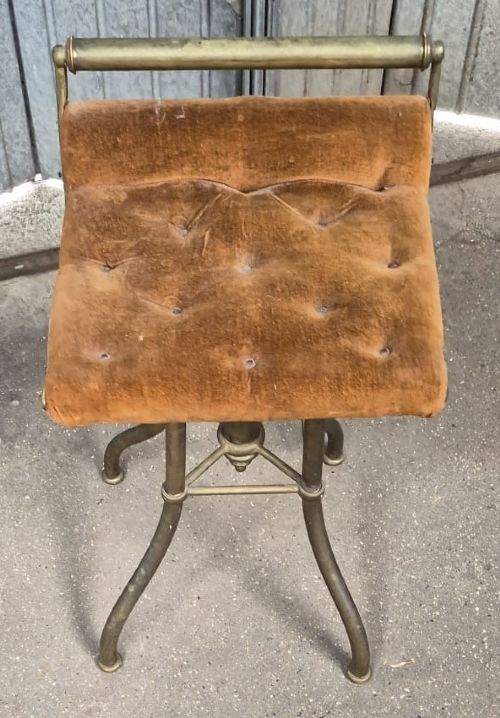
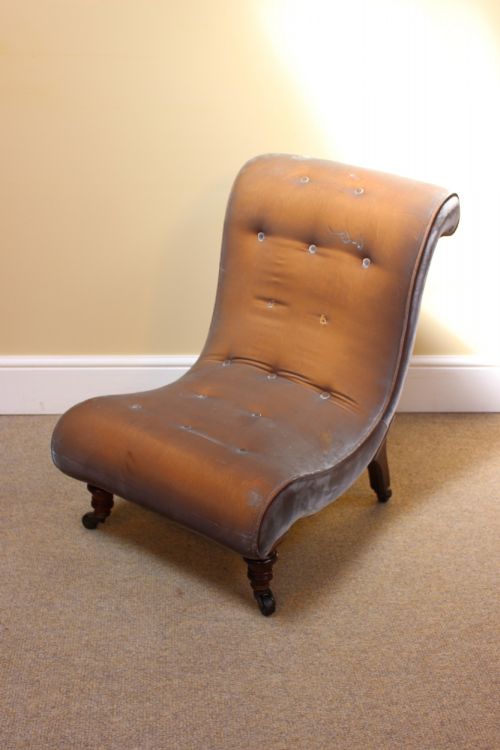
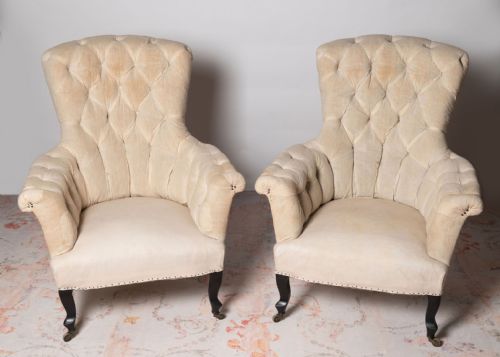
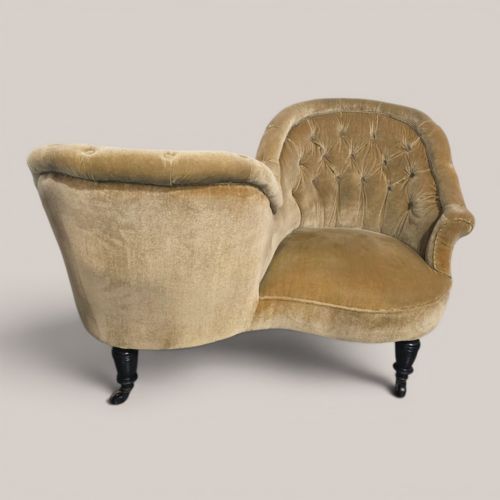
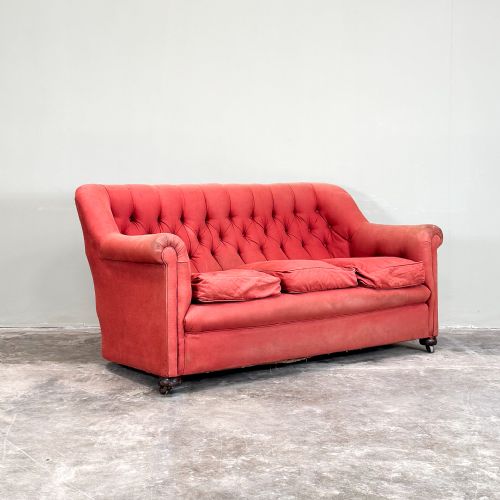
An antique buttoned velvet seat brings tactile depth and rich texture to a room, offering deep upholstery paired with turned timber frames.
Antique Buttoned Velvet Seat
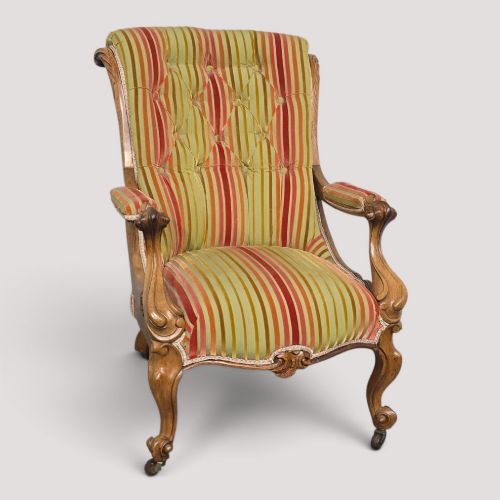
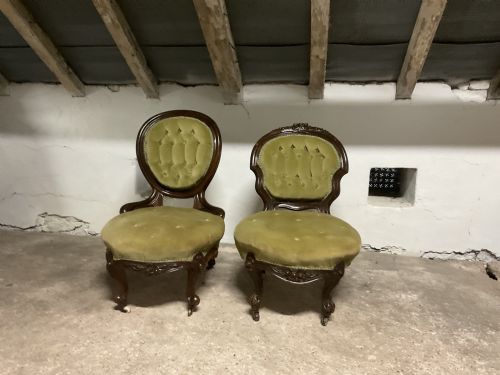
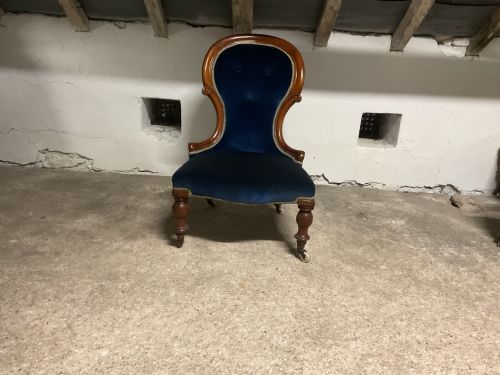
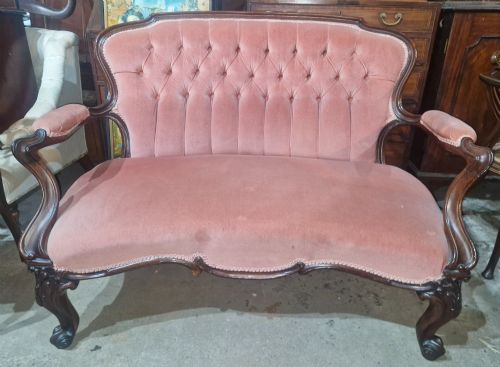
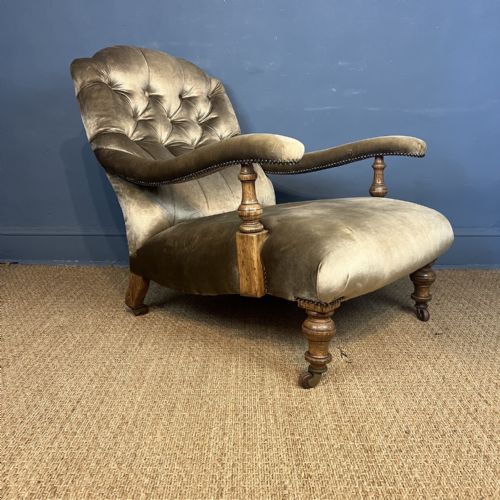
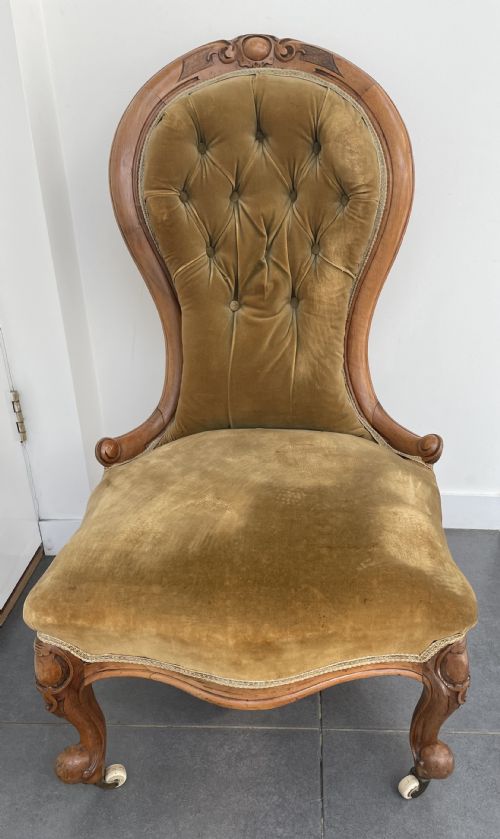
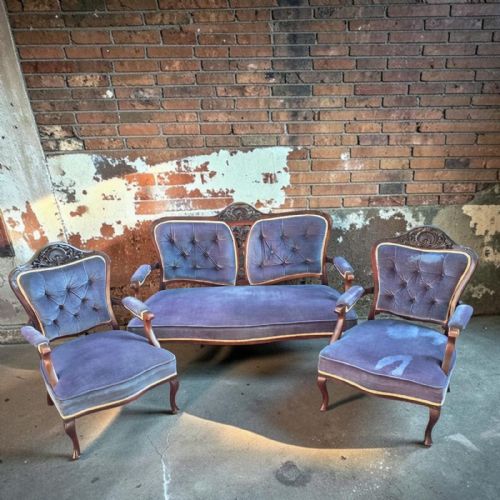
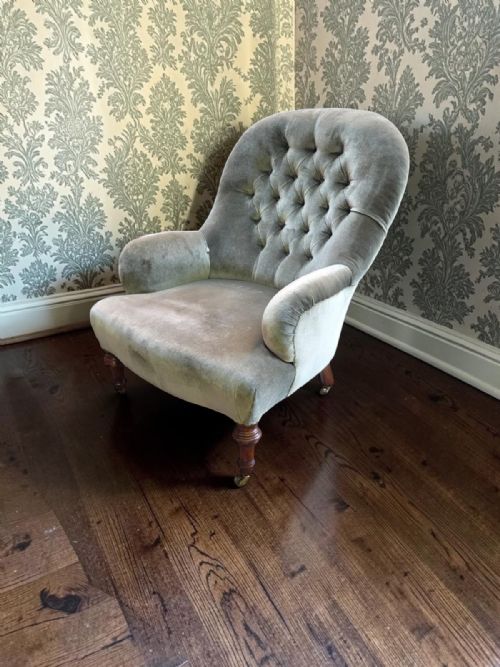
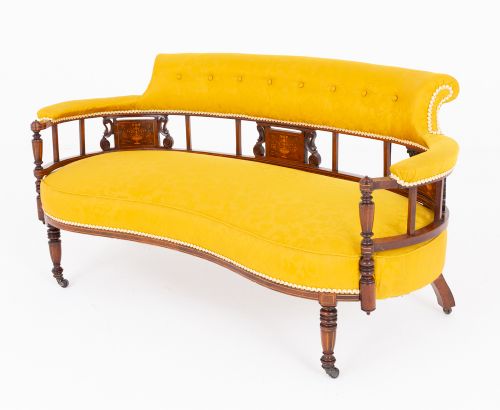
Victorian and nineteenth-century examples dominate the offerings, often featuring deep tufting paired with low profiles designed for nineteenth-century domestic spaces. Pieces range from walnut dressing table chairs to expansive salon suites and library armchairs.
Distinguishing Quality
The standard of craftsmanship shows in the crispness of timber carving, the stability of the structural frame, and the precision of the tufting work. Superior pieces exhibit harmonious proportions, tight joinery, and carefully selected wood grains beneath the textile covers.
The grade of the velvet and the execution of the buttoning dictate the visual impact of the upholstery. Finer examples maintain an even tension across the tufted grid and use robust natural timbers that support the heavy textile successfully.
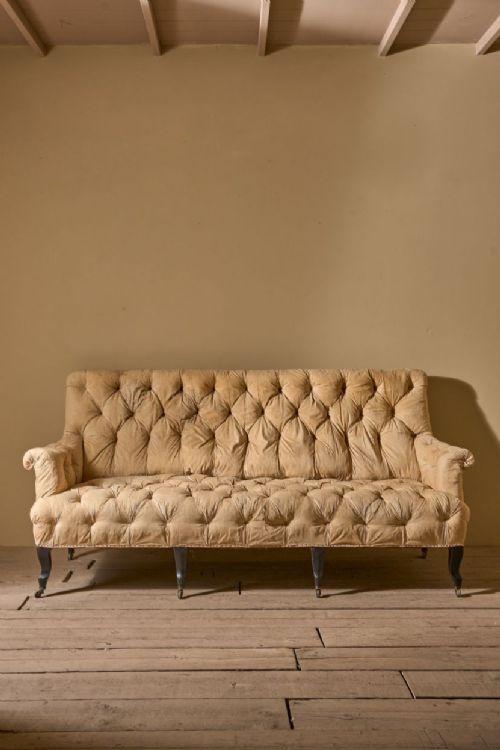
The selection spans Victorian nursing chairs, Regency library armchairs, Edwardian button backs, and Napoleon III sofas.
Blyth & Sons
The Antique Buttoned Velvet Seat Glossary
- Button back
- An upholstery method where the fabric is pulled deep into the padding and secured with covered buttons to form a quilted, faceted pattern. This technique provides structural tension as well as visual rhythm.
- Chaise longue
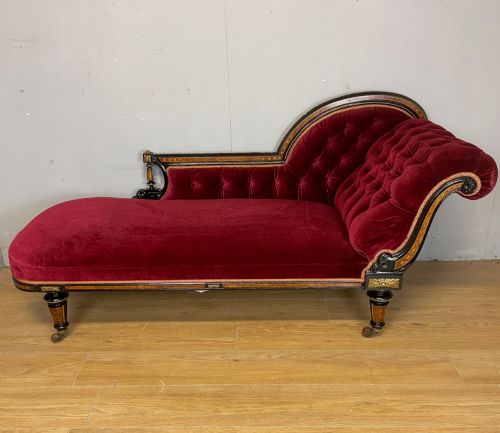
- An elongated seating form designed for reclining, combining a chair back with an extended seat. Nineteenth-century versions frequently incorporate exposed wood frames and velvet upholstery.
- Nursing chair
- A low-seated armchair originally designed for comfort in bedrooms or nurseries. These pieces often feature buttoned upholstery and compact proportions.
- Ormolu
- Gilded bronze ornamentation applied to furniture frames during the nineteenth century. It adds metallic contrast to dark woods like walnut and mahogany.
Antique Buttoned Velvet Seat: Frequently Asked Questions
How do I clean antique velvet?
Velvet requires gentle brushing with a soft-bristled brush to maintain the nap and lift away settled dust. Professional textile conservation cleaning is recommended for deeper stains.
Avoid applying water or standard domestic cleaning agents directly to the fabric, as moisture can permanently flatten the pile and damage historical fibres.
Are these seats comfortable for daily use?
Many nineteenth-century chairs and sofas offer supportive sprung or padded seating designed for long periods of relaxation. Lower models like nursing chairs suit specific seating postures.
Original internal stuffing may feel firmer or softer than modern foam depending on the historical materials used within the upholstery layers.
Where should I place a chaise longue?
A chaise longue works well floating in a spacious drawing room or positioned along a bedroom wall where its length can be fully appreciated. Ensure adequate clearance around the piece to view the detailed timber frame and upholstery.
Keep such seating out of direct, intense sunlight to protect the deep colour of the velvet pile from fading over time.