
Victorian Cabinet Furniture
Victorian cabinet furniture brings together robust nineteenth-century storage pieces and display items built from rich timbers like mahogany, walnut and rosewood.
Victorian Cabinet Furniture
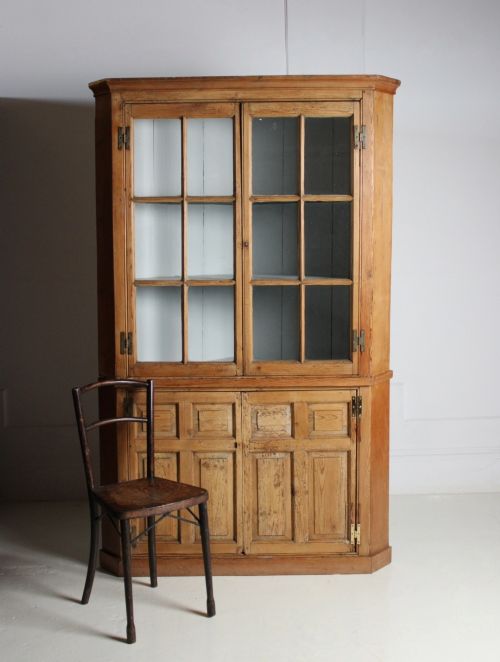
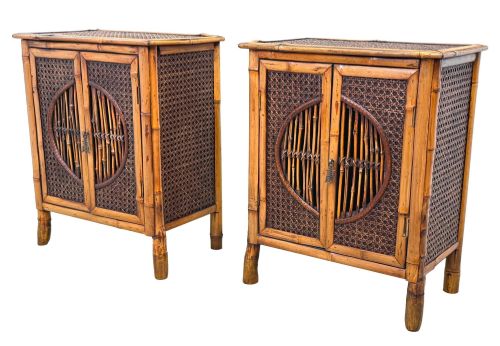
Victorian cabinet furniture spans the nineteenth century, encompassing diverse storage forms intended for domestic settings. Buyers seeking these items encounter a broad selection including bookcases, chests of drawers, sideboards and display cabinets.
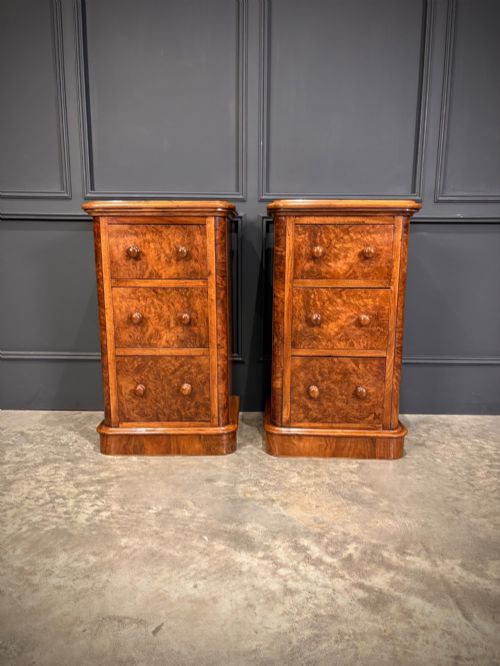
The objects originate primarily from the Victorian era alongside related nineteenth-century production. Sideboards, linen presses and bedside chests form the core of the items encountered.
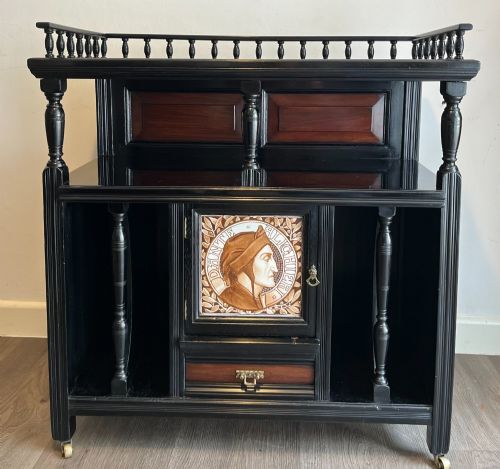
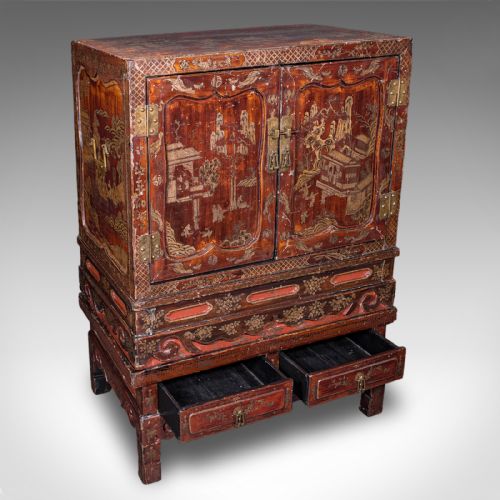
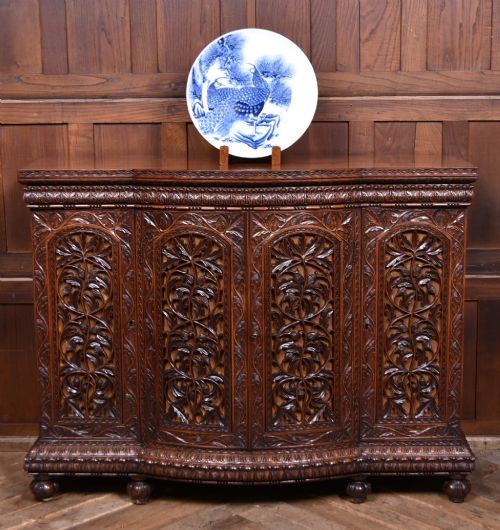
Regional and stylistic variations appear across the selection, ranging from Arts and Crafts designs to Anglo-Indian carved pieces and Sheraton Revival influences.
Materials and Construction
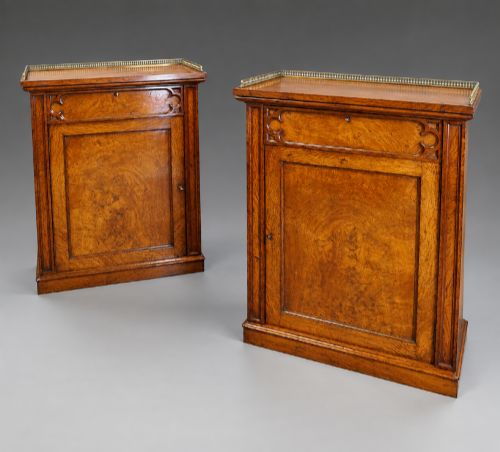
Makers utilised dense hardwoods such as mahogany, walnut, rosewood and oak for structural integrity and visual depth. Burr walnut and pollard oak veneers added distinctive grain patterns to prominent surfaces.
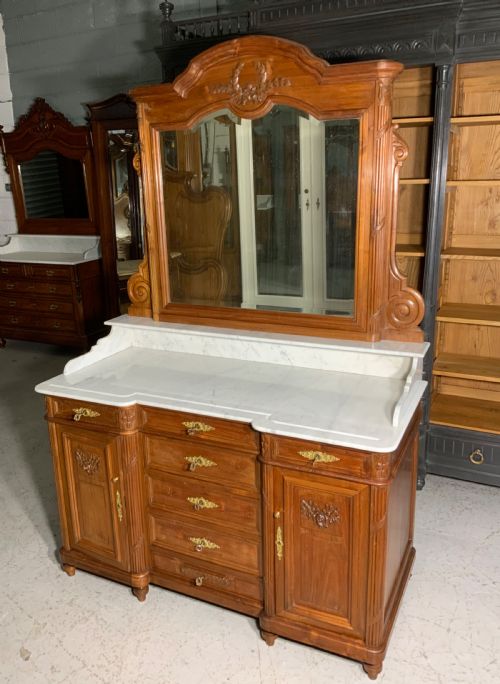
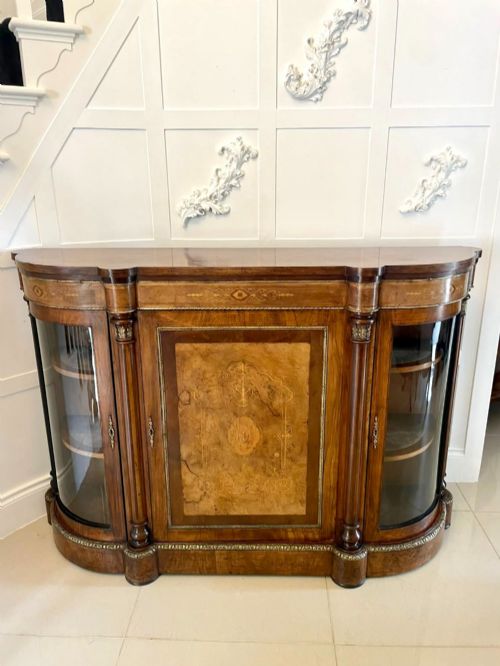
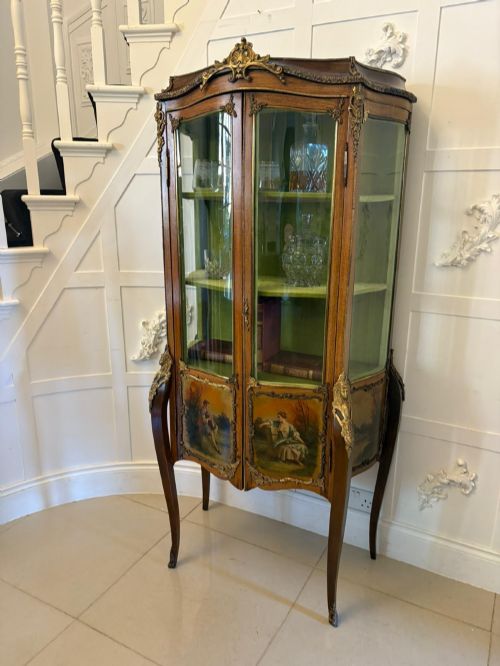
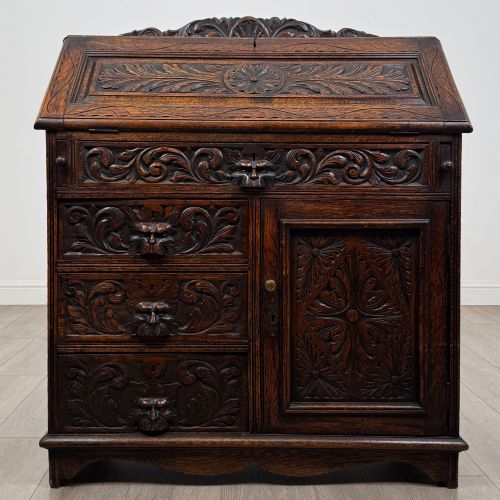
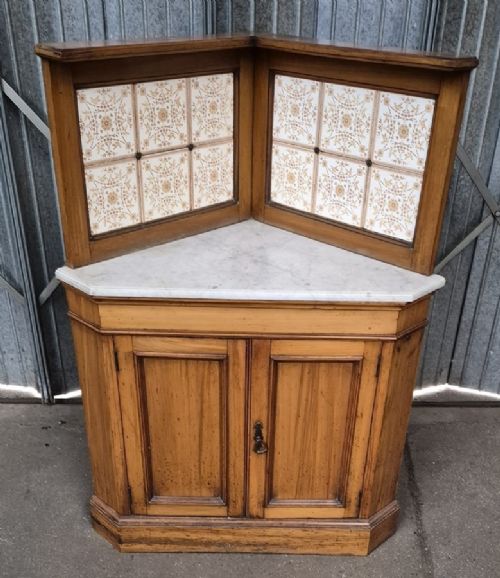
Metal mounts in brass and ormolu complemented glass panels, marble tops and intricate marquetry inlay. Carved details frequently incorporated motifs like the Green Man or traditional foliage.
Joinery methods ensured durability in large items like breakfront bookcases, wardrobes and sideboards, while smaller pieces such as apprentice chests and music cabinets received similar attention to detail.
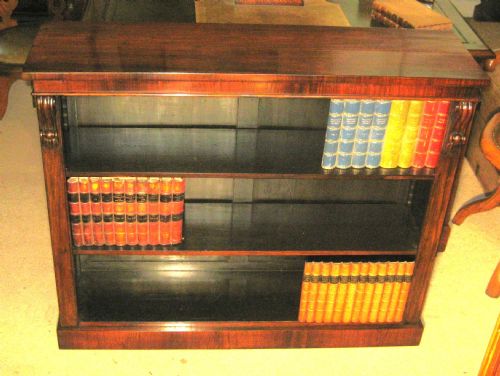
Object types include bookcases, sideboards, chests of drawers, display cabinets and miniature apprentice pieces.
Craftsmanship and Proportion
Quality rests on the selection of timber veneers and the precision of marquetry inlay work. Pieces bearing documented maker attributions command attention for superior cabinet-making standards.
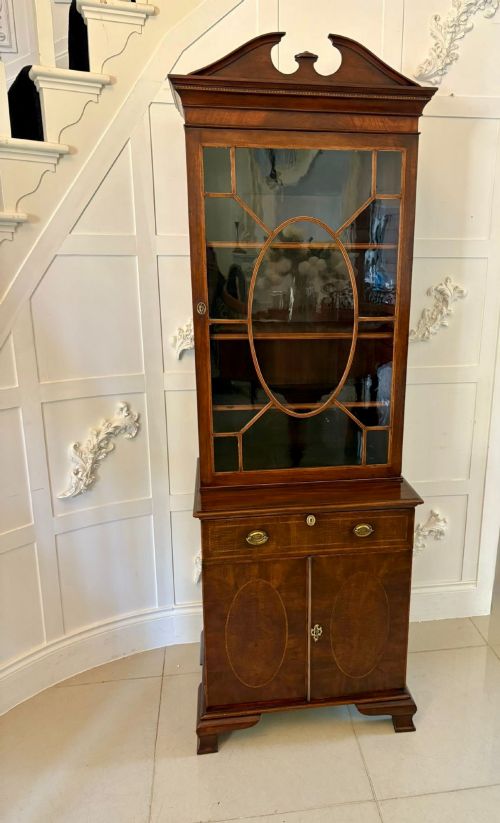
The integration of secondary materials, such as original painted decoration, glass glazing and brass hardware, influences the overall integrity of the piece. Proportion and balance in carved decoration distinguish standard production from exceptional work.
Walker And Sons·Hewetsons London·GM Elwood·JS Henry·Gabriel Viardot·Johnstone And Jeanes·Shoolbred And Co·Edwards And Roberts·Gillows
The Victorian Cabinet Furniture Glossary
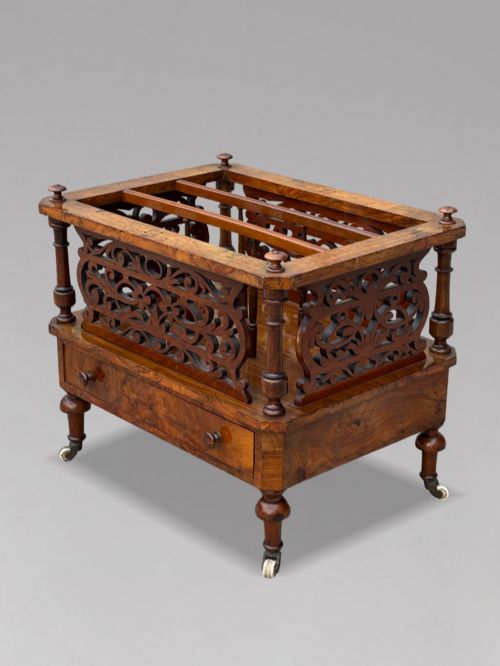
- Canterbury
- A small stand with slatted partitions, originally designed for holding sheet music or periodicals. Nineteenth-century examples often feature turned legs and lower drawers.
- Linen Press
- A tall storage cupboard featuring upper sliding trays or shelves above a chest of lower drawers. These items served to store folded linens and garments.
- Wellington Chest
- A tall, narrow chest of drawers secured by a hinged locking stile on one side. This locking mechanism held all drawers shut simultaneously.
- Marquetry
- The art of applying pieces of veneer to a structure to form decorative patterns. Makers utilised contrasting timbers to create pictorial or geometric designs.
- Ormolu
- Gilt bronze mounts applied to furniture for decorative effect. This technique added metallic contrast to dark woods such as walnut and rosewood.
Victorian Cabinet Furniture: Frequently Asked Questions
How were nineteenth-century sideboards used?
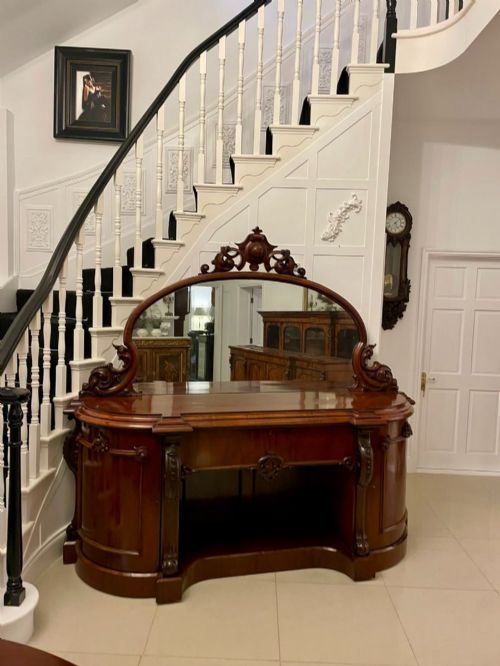
Sideboards served as functional dining room storage for serving dishes, cutlery and linens. Their surfaces provided space for displaying silver and glassware during meals.
Larger examples often incorporated enclosed cupboards and drawers below a flat top, while others featured shelving for display purposes.
Where should I place a display cabinet?
Display cabinets suit principal reception rooms or libraries where glassware, ceramics or books require enclosure. Their glazed doors protect contents from dust while maintaining visibility.
Placing these items away from direct sunlight preserves the timber veneer and any internal painted decoration over time.
How do I distinguish walnut from mahogany?
Walnut exhibits a rich brown tone with intricate grain patterns, often enhanced through burr veneers. It presents a warm, varied surface texture.
Mahogany typically displays a darker reddish-brown hue with a straighter, finer grain structure. Over time, mahogany develops a deep patina distinct from walnut.