
Victorian Buffet Cupboard
When you search for a victorian buffet cupboard, you find sturdy timber storage designed for dining rooms and halls.
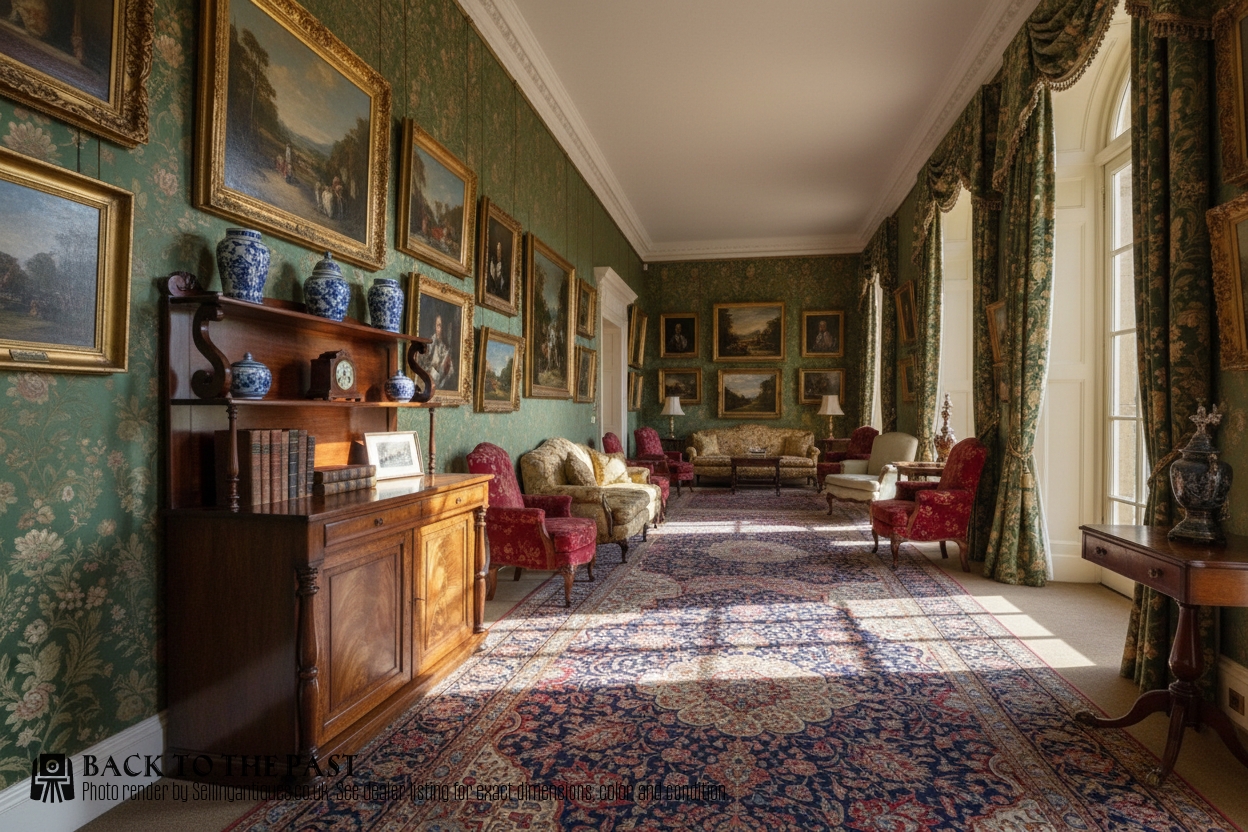
Victorian Buffet Cupboard
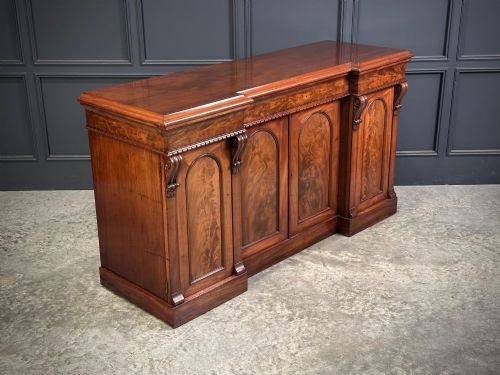
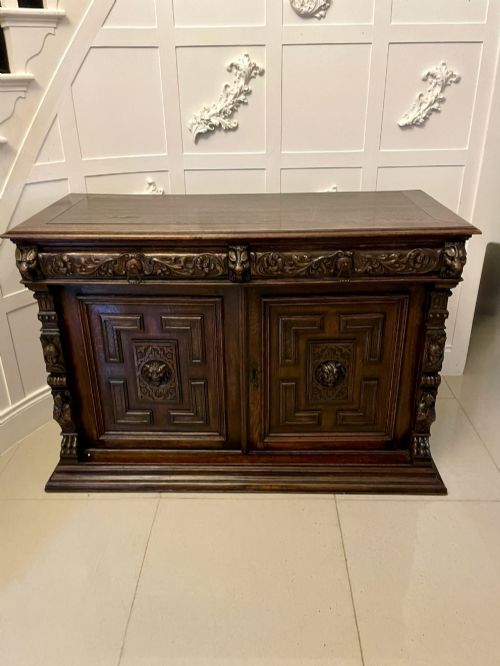
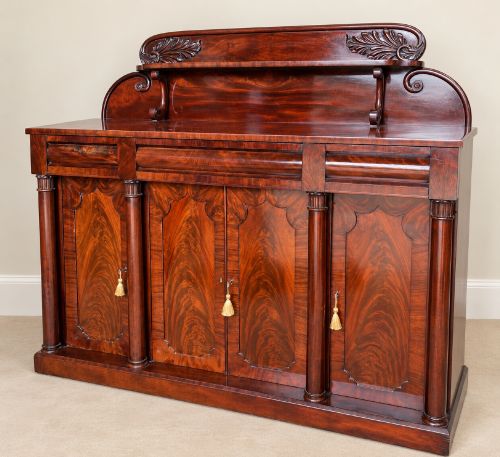
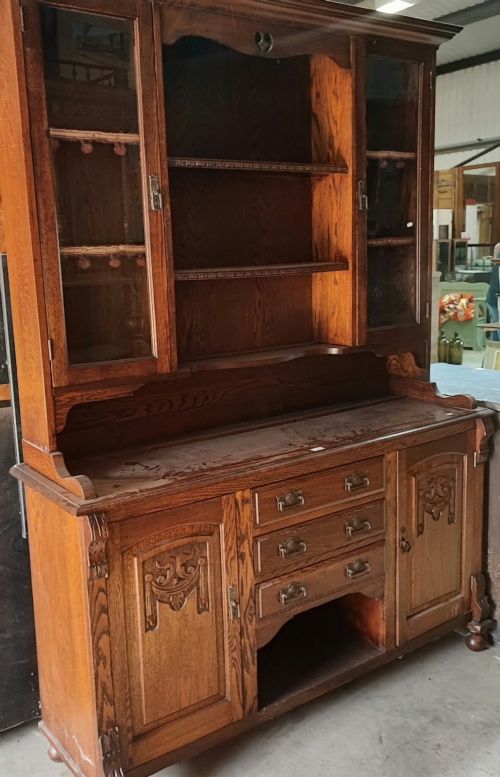
A victorian buffet cupboard is a substantial storage piece built for nineteenth-century dining rooms, combining surface display with enclosed shelving below. The items listed under this phrase span the broad Victorian era and nineteenth century, taking the form of sideboards, chiffoniers, dresser bases, and hall cupboards.
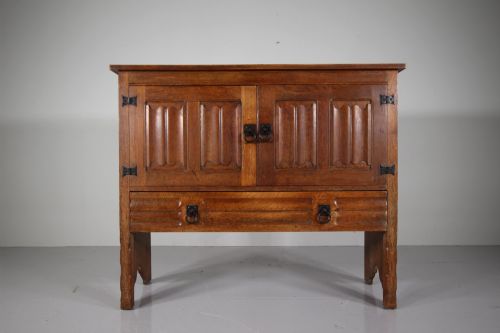
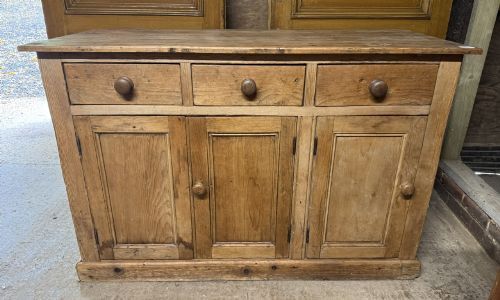
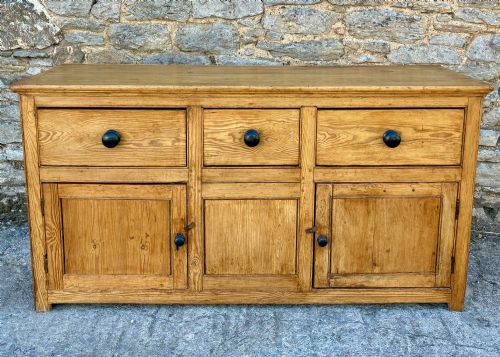
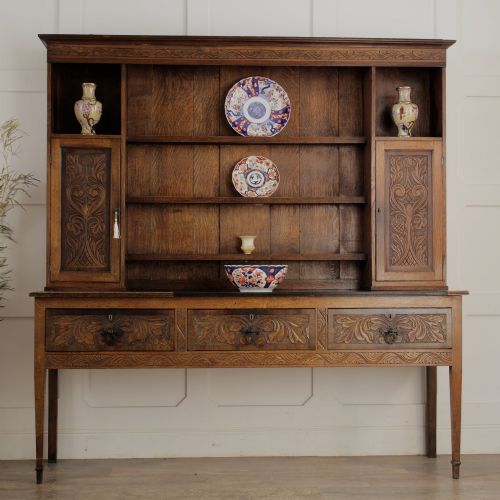
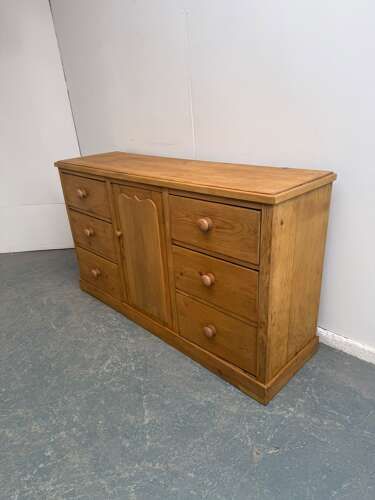
Most examples met on this page are constructed from oak or pine, reflecting the domestic utility of the period alongside more formal mahogany and rosewood server designs. Regional variations such as Welsh dresser bases and Scottish buffets appear frequently among the listings.
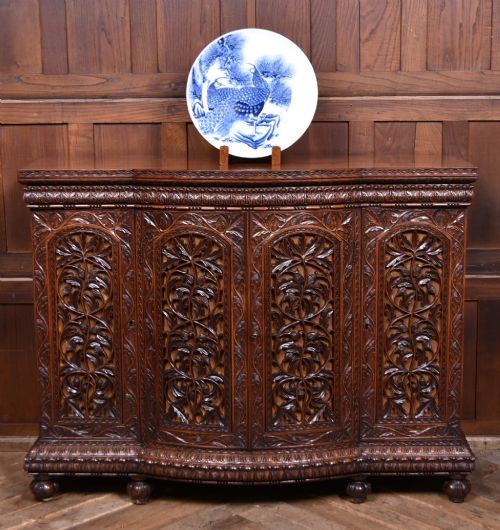
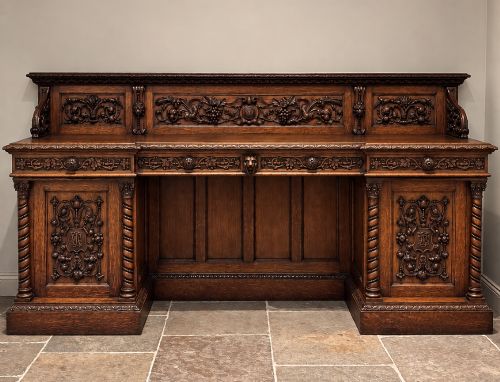
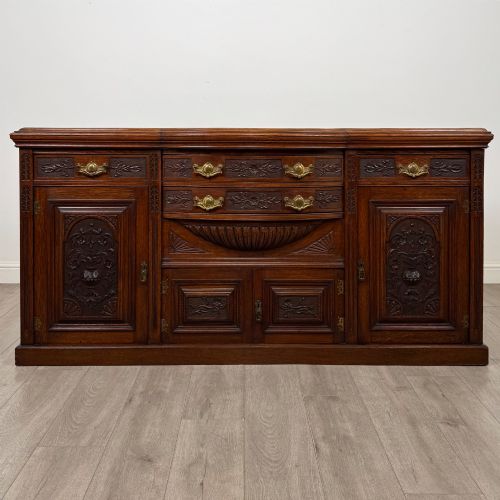
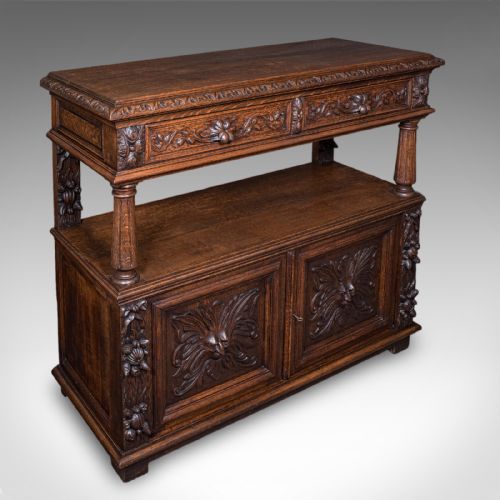
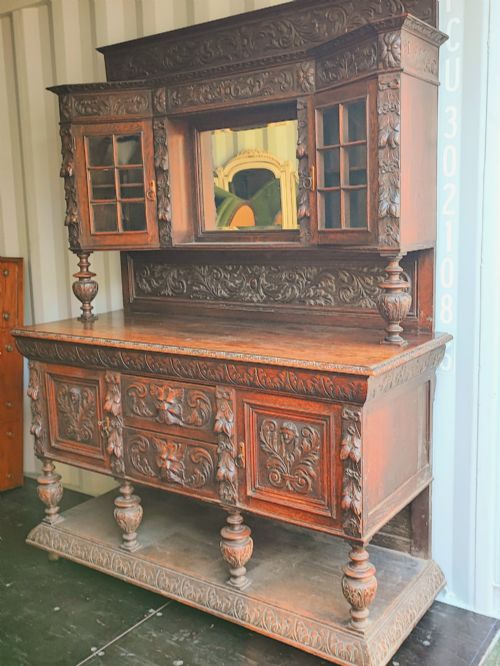
Buyers encounter everything from plain kitchen storage in original paint to heavily carved pieces displaying Gothic or Renaissance revival motifs. These units served multiple domestic roles, storing tableware and serving food during large nineteenth-century meals.
How they were made
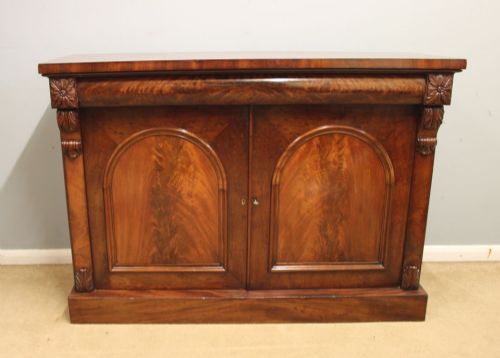
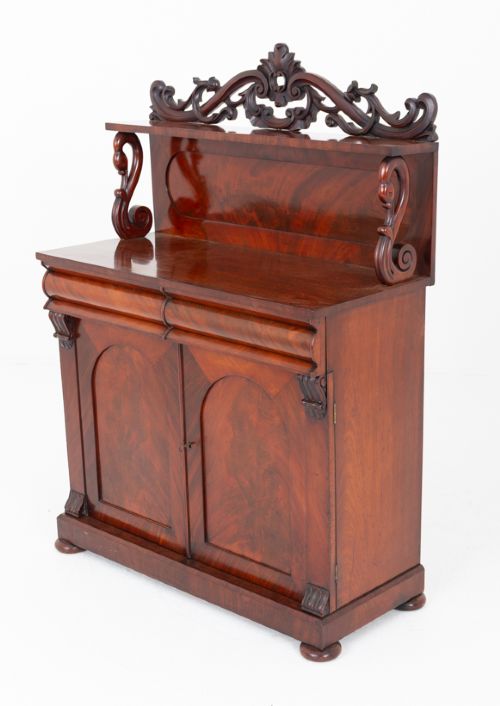
Cabinet makers relied predominantly on solid oak, pine, and mahogany, joining carcases with traditional hand-cut joints. Selected timbers like flame mahogany and tiger oak were chosen for visible drawer fronts and door panels to create strong visual grain patterns.
Carved ornament played a major role in nineteenth-century workshop production, particularly on revival pieces featuring deep relief work. Brass hardware, iron fittings, and occasional glass panels completed the construction of these functional storage units.
Victorian Buffet Cupboard Retail Price Guide 2026
Typical asking prices for victorian buffet cupboard among the pieces listed under this phrase on Sellingantiques today, from the lower quarter to the upper quarter. They describe what is for sale here now, not the wider market.
Listings span the nineteenth century, utilising oak, pine, mahogany, rosewood, brass, iron, and glass across various revival styles.
What varies in quality
The degree of hand-carved detail and the selection of timber dictate the distinction between simple utility furniture and grand reception pieces. Dense hardwoods like rosewood and figured mahogany mark out the more ambitious cabinet work.
Construction depth and proportion separate standard workshop output from exceptional architect-designed or revival examples. Original finishes, such as untouched painted pine surfaces or deep wax patination on oak, preserve the integrity of the piece.
The Victorian Buffet Cupboard Glossary
- Buffet cupboard
- A low sideboard or storage unit designed for dining rooms, used to hold crockery and serve meals.
- Chiffonier
- A compact nineteenth-century sideboard featuring enclosed cupboards below, often topped with a shelf or mirror.
- Dresser base
- The lower portion of a kitchen or dining dresser containing drawers and cupboards without upper plate racks.
- Breakfront
- A cabinet design where the central section projects forward from the flanking outer cupboards.
- Gothic Revival
- A nineteenth-century design style incorporating medieval architectural motifs such as pointed arches and heavy tracery.
Victorian Buffet Cupboard: Frequently Asked Questions
Where did people put a victorian buffet cupboard?
These pieces stood predominantly in dining rooms or entrance halls to hold heavy ceramics, silver, and table linen.
Servants used the flat top surface to lay out dishes before bringing them to the main dining table.
How do I clean a waxed pine cupboard?
Apply a traditional beeswax polish sparingly with a soft cloth and buff gently along the grain of the wood.
Avoid modern liquid sprays containing silicone, which can penetrate porous historic timber and damage the finish.
Are these cupboards suitable for modern kitchens?
Pine dresser bases and low oak cupboards provide practical counter space and deep storage for contemporary tableware.
Their standard nineteenth-century heights fit well beneath modern kitchen counters or serve as standalone island units.
How can I tell a mid-Victorian piece from a later one?
Mid-century pieces from the 1850s and 1860s often display simpler mahogany or rosewood veneers and restrained joinery.
Later examples from the 1880s and 1890s frequently feature heavier oak carving, mirror-backs, and revival styling.