





Victorian Bronze Panel
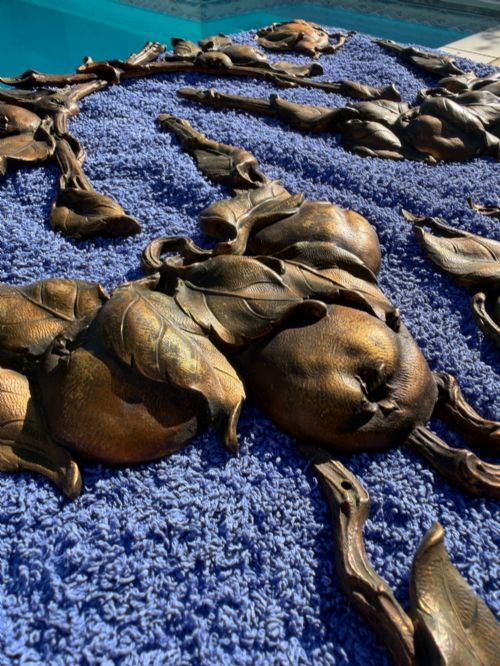
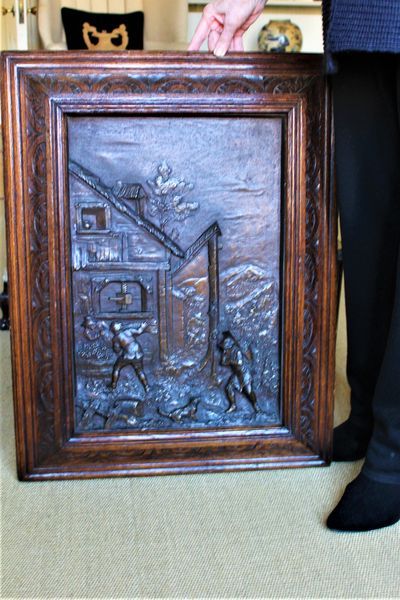
These nineteenth-century pieces of a victorian bronze panel bring heavy metal relief and decorative casting into domestic interiors.
Victorian Bronze Panel
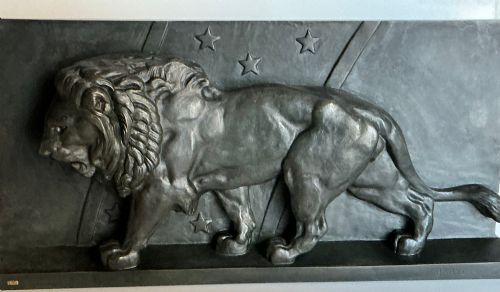
A victorian bronze panel is a cast metal relief, wall plaque, or decorative furniture mount from the nineteenth century. These objects include lion bas-reliefs, classical hunting scenes like Diana the huntress, architectural views of Castello Sforzesco, and intimate figural studies such as a mother holding her child.
Most examples originate from French workshops or British foundries, often integrating into mantel clocks, crystal regulators, jewellery caskets, and candle holders. They appear alongside porcelain plaques, Sevres plates, enamel, and micro mosaic work within larger decorative schemes.
The form spans straightforward wall reliefs and complex gilt appliques designed to frame mirrors, furniture, or clock faces. Buyers encounter them as standalone mounted wall panels or as integral decorative components of French Second Empire and Victorian Neoclassical items.
Assessing quality in cast panels
The richness of the fire gilding, patination, and the integration of auxiliary materials like porcelain or micro mosaic dictate the tier of the piece. Master founders achieved superior contrast through careful hand-finishing and controlled chemical patination.
Victorian Bronze Panel Retail Price Guide 2026
Typical asking prices for victorian bronze panel among the pieces listed under this phrase on Sellingantiques today, from the lower quarter to the upper quarter. They describe what is for sale here now, not the wider market.
Diana the huntress keeps watch from a copper relief while a bronze mother holds her child nearby.
Barbedienne·Poix Blin·Coalbrookdale·JP Delettrez·AB Paris
The Victorian Bronze Panel Glossary
- Bas-relief
- A sculptural technique where the figures project only slightly from the background plane. This shallow depth creates subtle shadow play across the metal surface.
- Ormolu
- Ground metallic gold applied to a bronze object through a mercury amalgam process. It yields a distinctive warm, durable golden lustre.
- Applique
- An ornamental metal fitting fixed to the surface of furniture, clocks, or architectural woodwork. These decorative mounts highlight structural corners and panels.
- Chasing
- The manual tooling of a metal casting with punches and hammers to sharpen details and clean up the surface after the mould is removed.
Victorian Bronze Panel: Frequently Asked Questions
What is a bronze panel?
A bronze panel is a cast metal relief or plaque designed for wall hanging, framing, or mounting onto furniture and clocks. These objects display figural scenes, heraldry, or decorative motifs.
They serve primarily as visual focal points within nineteenth-century interiors, combining sculptural depth with metallic patination.
How were they displayed?
Many panels hung independently on walls as framed art or relief sculptures. Others were integrated directly into the architecture of mantel clocks, jewellery caskets, and large furnishings.
Interior settings often grouped them with porcelain plaques and decorative mirrors to create layered nineteenth-century displays.
How do I care for bronze?
Bronze requires gentle dusting with a soft, dry brush to prevent dirt accumulation in the recessed areas of the relief. Avoid using abrasive metal polishes that strip away historical patination and gilding.
Keep the metal away from excessive moisture and direct sunlight to preserve the original surface finish.
Are they French or English?
The listings show a strong concentration of French manufacture, particularly from Paris workshops associated with clockmaking and decorative metalwork. English production is also represented through foundries such as Coalbrookdale.
Stylistic markers, stamps, and foundry signatures help distinguish between French Second Empire work and Victorian English output.