


19th Century Relief
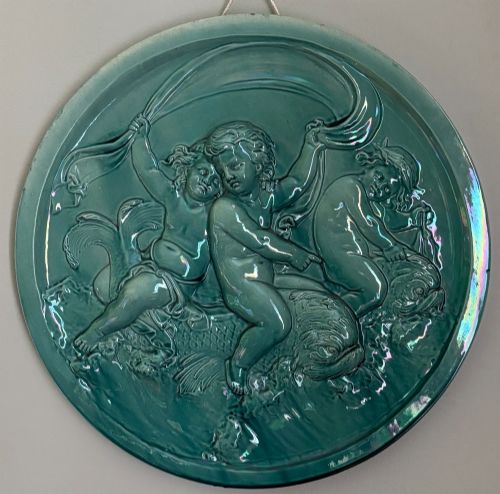
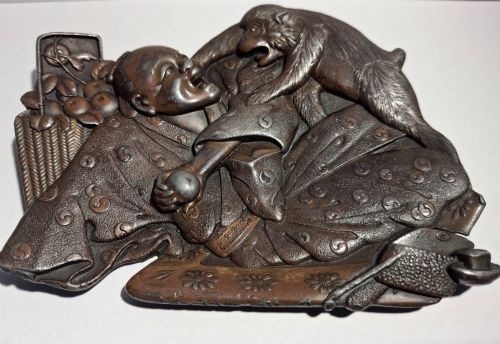
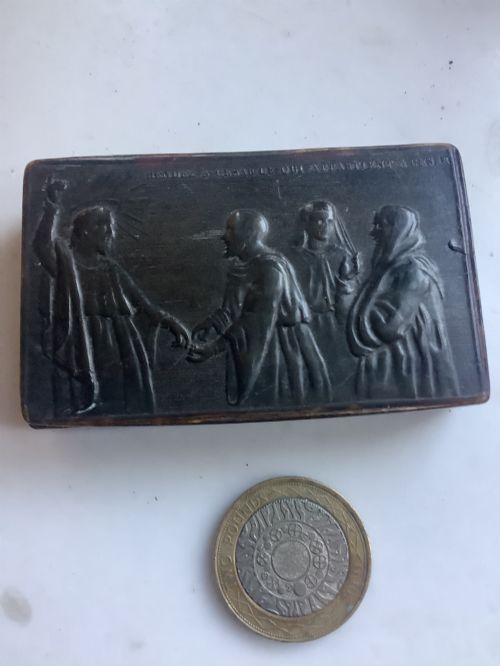
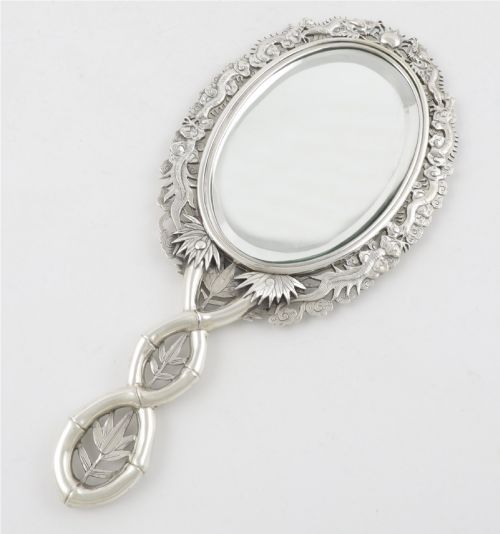
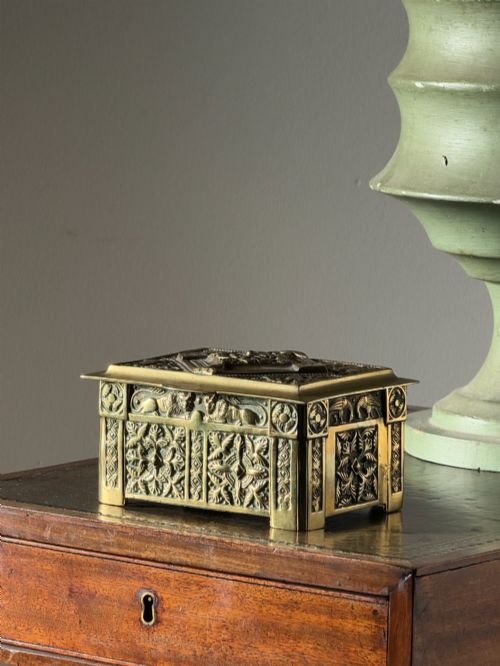
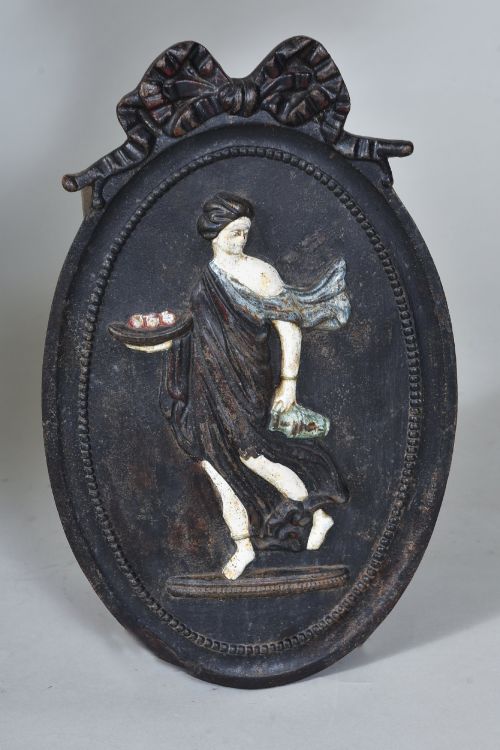
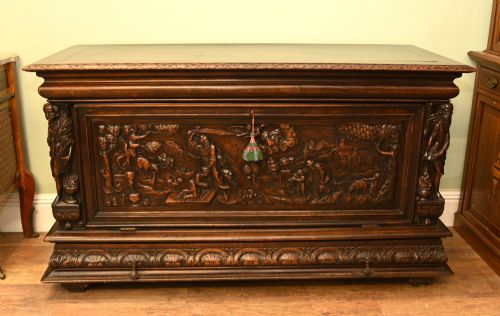
These pieces of 19th century relief bring sculptural depth and historical ornament directly to a wall or table.
19th Century Relief
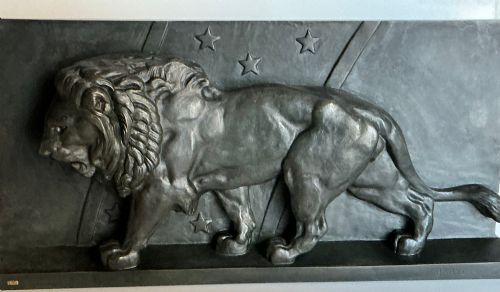
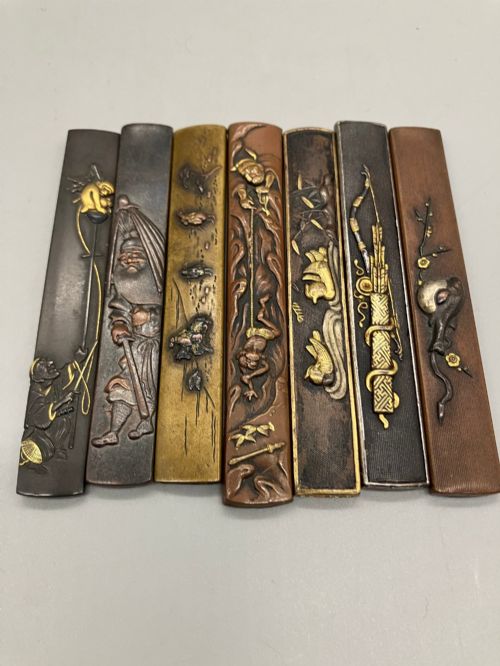
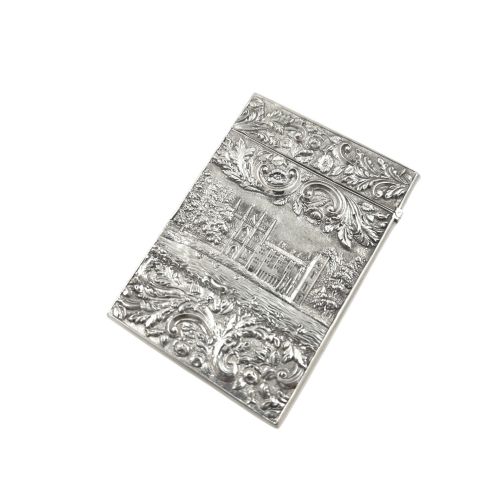
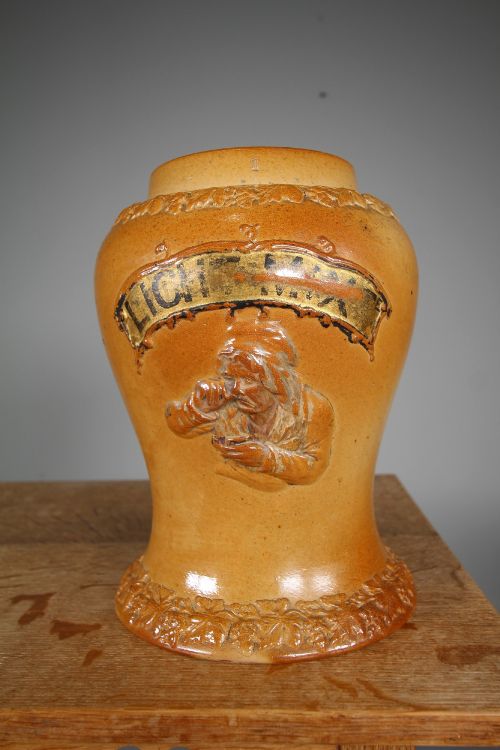
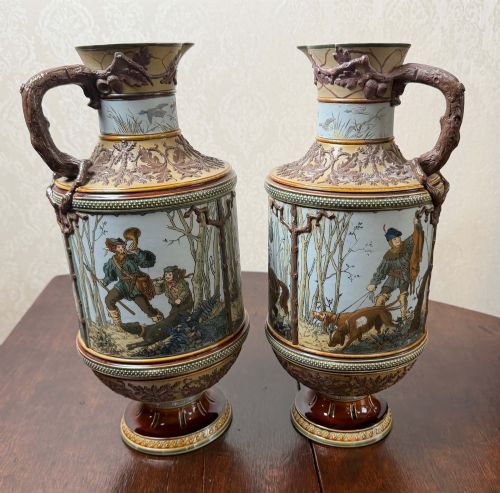
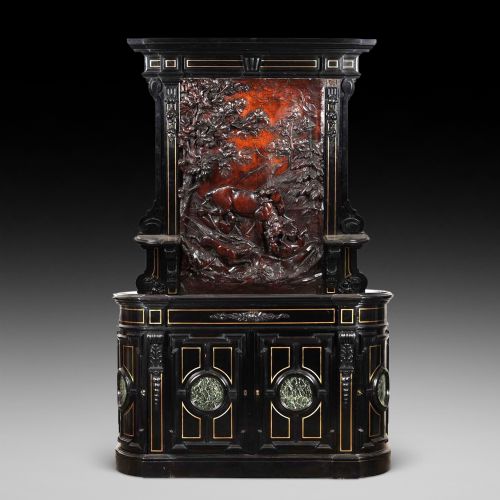
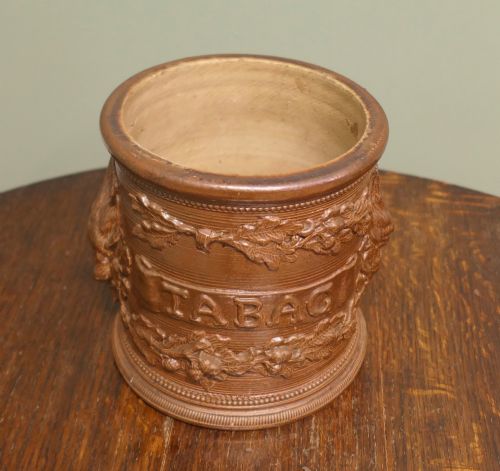
When you search for 19th century relief, you encounter works that project outward from a flat background across various decorative and sculptural objects. The selection spans wall art, plaques, framed intaglios, and carved panels produced during the Victorian and preceding decades.
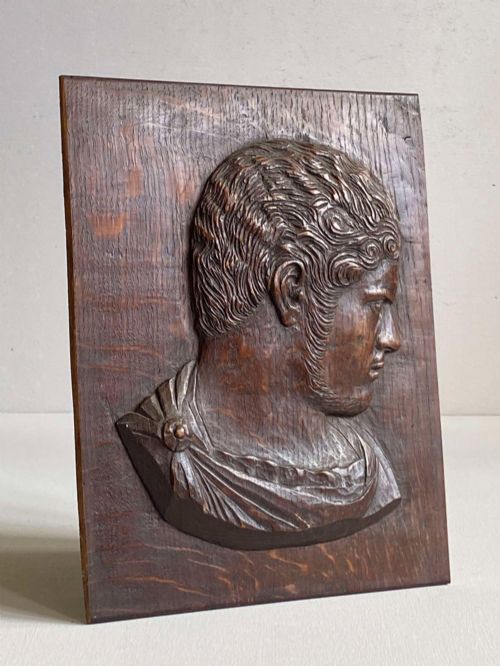
You are most likely to meet framed plaster intaglios, carved oak panels, and metal plaques displaying classical, heraldic, or portrait subjects. These items draw on Neoclassical, Renaissance Revival, and Grand Tour influences that dominated nineteenth-century taste.
Makers and artisans utilised materials ranging from plaster and wax to bronze, brass, and carved lindenwood to create these dimensional scenes. The forms include small cabinet specimens as well as monumental architectural panels.
How they were made
Carving in wood and casting in metals or plaster represent the primary techniques recorded in these works. Artisans shaped oak, lindenwood, and ivory with chisels, while founders poured bronze, brass, and iron into intricate moulds.
Moulders pressed plaster and wax into matrices to produce crisp Grand Tour intaglios and portrait reliefs. Guilders then applied gold finishes to bronzes and frames to enhance the dimensional shadows.
19th Century Relief Retail Price Guide 2026
Typical asking prices for 19th century relief among the pieces listed under this phrase on Sellingantiques today, from the lower quarter to the upper quarter. They describe what is for sale here now, not the wider market.
Listings feature materials such as bronze, brass, plaster, oak, stoneware, and glass across the nineteenth century.
What varies in quality
The crispness of the modelling and the depth of the undercut separate superior examples from simpler production. Master carvers and founders achieved subtle facial expressions and sharp drapery folds that lesser hands missed.
The integrity of the frame and the preservation of the surface material govern the standing of a piece. Original patination on bronzes and intact wax or plaster casts retain the intended visual impact better than heavily restored surfaces.
Antoine Louis Barye·Barbedienne·Clement Messier·Cum Shing·Guichard Carriès·Giovanni Liberotti·Poix Blin·Gillows
The 19th Century Relief Glossary
- Relief
- A sculptural technique where the sculpted elements remain attached to a solid background of the same material. High relief projects significantly, while low relief stays flatter.
- Intaglio
- A design engraved or incised into a material so that the impression sinks below the surface. Grand Tour collectors gathered plaster impressions of classical intaglios.
- Grand Tour
- A traditional trip of Europe undertaken by upper-class European young men of sufficient means. Travellers collected small plaques, intaglios, and bronzes as souvenirs.
- Bas relief
- Sculpture in which the figures project only slightly from the background plane. This technique appears frequently on coins, medals, and decorative metal plaques.
- Animalier
- A nineteenth-century artistic style focusing on the realistic portrayal of animals. French makers produced notable animalier bronzes in high relief.
19th Century Relief: Frequently Asked Questions
What is a relief sculpture?
A relief sculpture is a work where the figures project from a flat background rather than standing completely free in three dimensions.
Artists carved or cast these scenes on panels, plaques, and decorative objects across the nineteenth century.
How were Grand Tour plaques used?
Grand Tour plaques and framed intaglios served as educational souvenirs and decorative displays for nineteenth-century travellers returning from Europe.
Collectors hung them on walls or stored them in custom cases to showcase classical learning and artistic taste.
What materials did makers use?
Makers utilised a wide range of materials including bronze, brass, plaster, wax, oak, earthenware, and ivory.
Choice of material often depended on whether the piece was intended for architectural decoration, furniture mounting, or cabinet display.
How do I care for wooden panels?
Wooden panels and carved furniture elements require stable indoor humidity and protection from direct sunlight to prevent timber movement.
Dusting with a dry, soft cloth preserves the carved details and the original finish of the wood.