
Victorian Brass Stick Holder
A victorian brass stick holder organises hallways with weight and shine, offering durable utility designed to catch rainwater and support heavy walking canes.
Victorian Brass Stick Holder
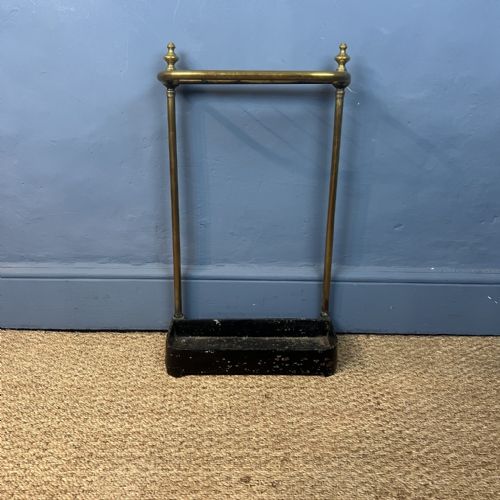
A victorian brass stick holder serves primarily as a domestic hall furnishing for wet umbrellas and heavy walking canes. These pieces date predominantly from the nineteenth century and the Edwardian era, spanning styles from Gothic Revival to Aesthetic Movement.
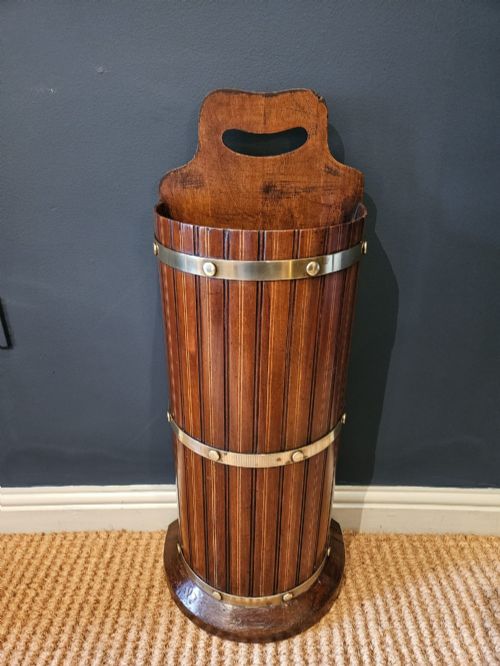
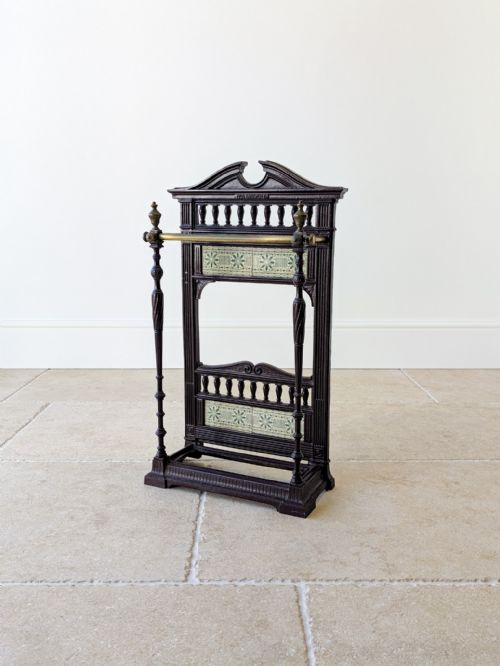
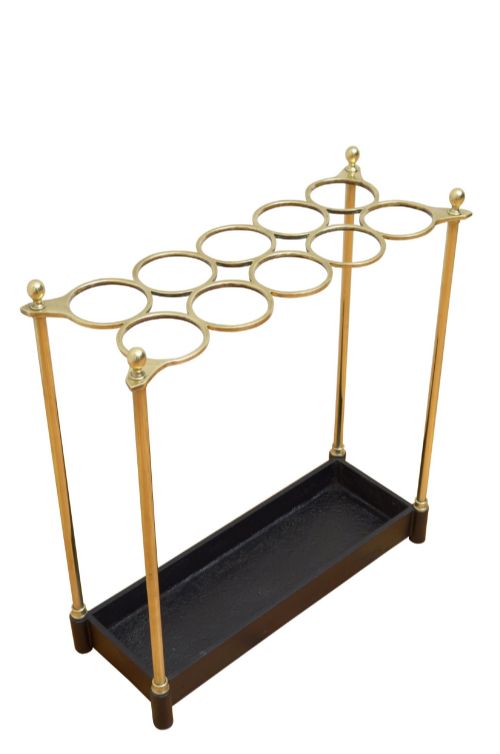
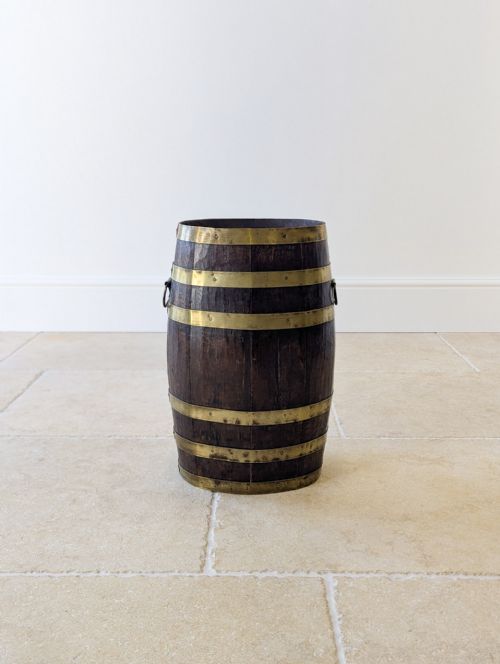
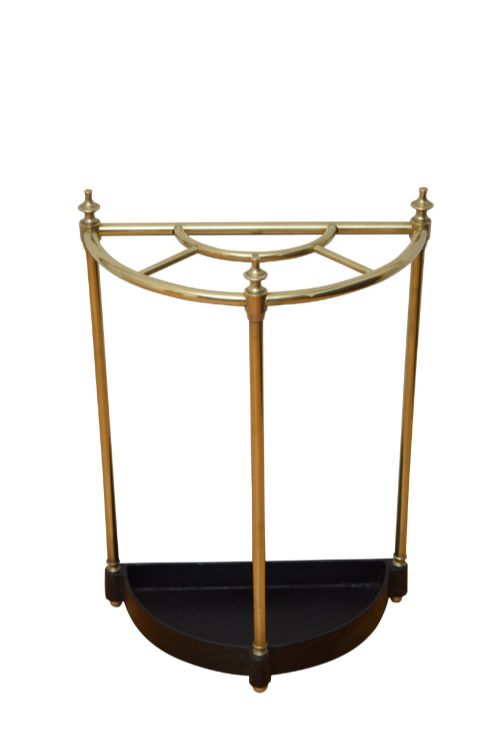
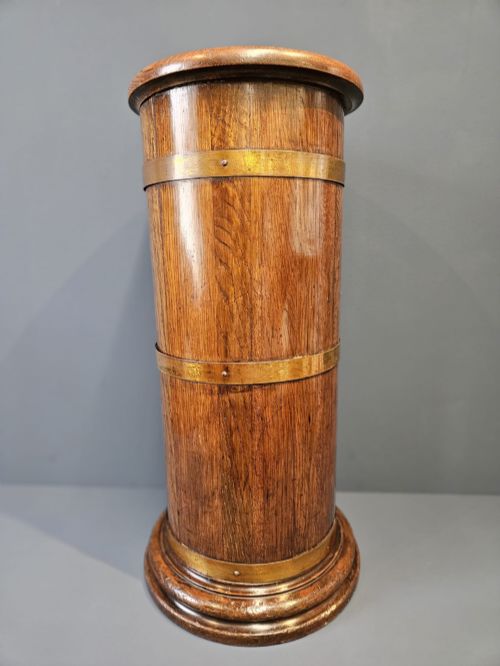
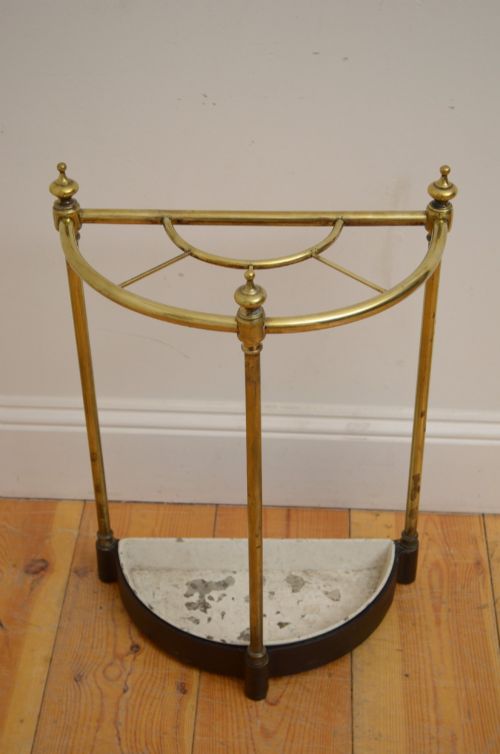
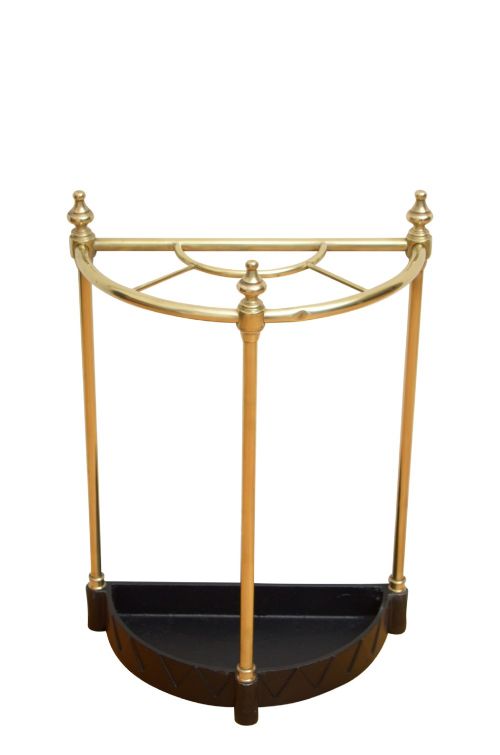
The most common form on this page is the umbrella stand or stick stand, frequently constructed with a semi-lune or demi-lune shape to sit flush against an entrance wall. Alongside these dedicated stands, hybrid designs appear incorporating cast iron frames or coopered oak barrels bound in brass.
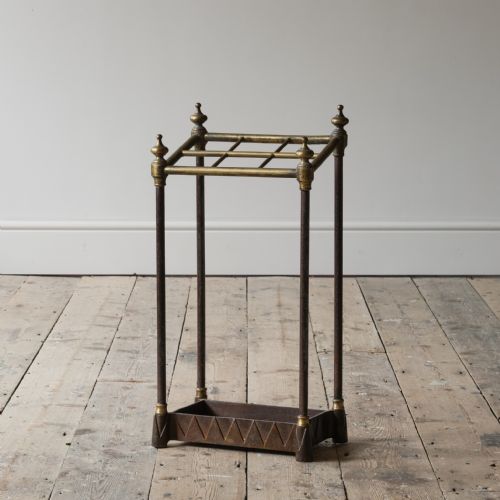
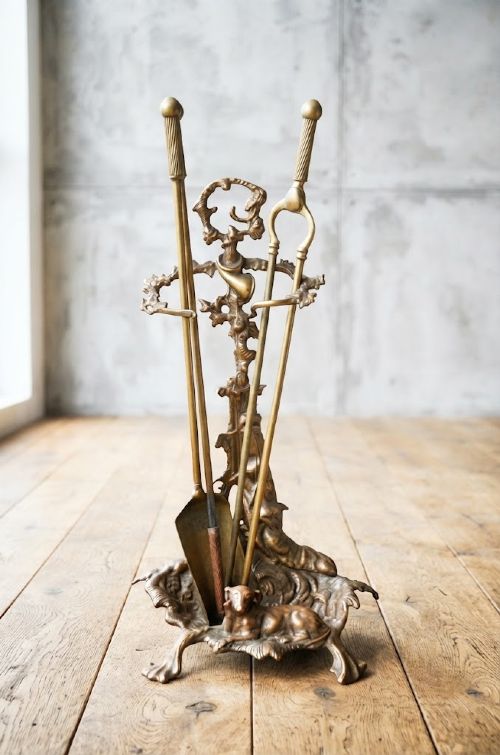
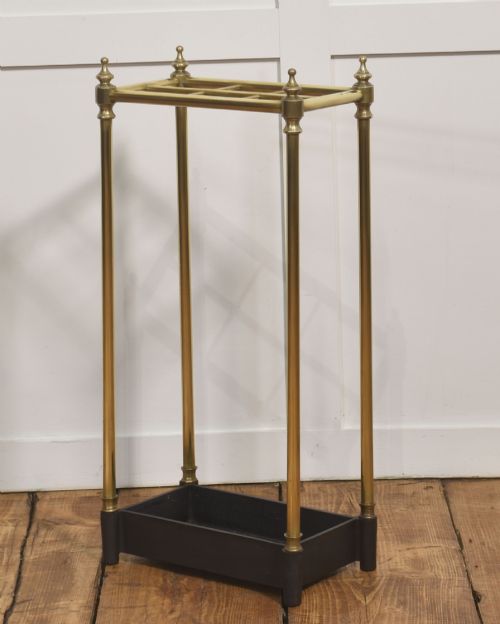
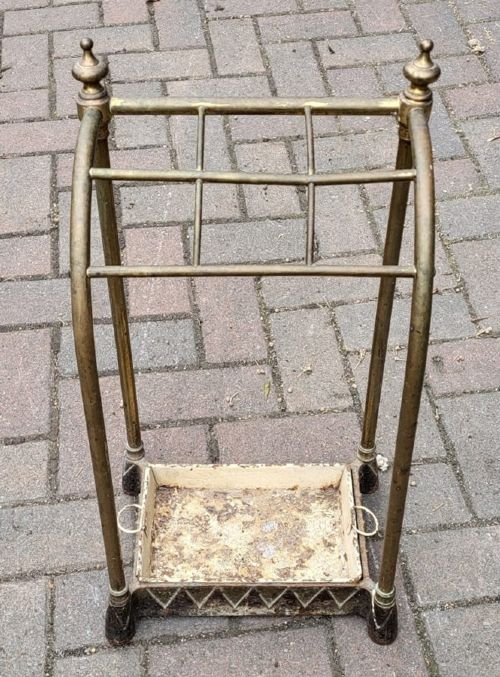
Originating largely from English workshops and country houses, these holders utilise heavy metalwork to prevent tipping under the weight of wet weather gear. Collectors encounter both utilitarian hall furniture and more decorative examples featuring ball finials and dog tooth trays.
How they were made
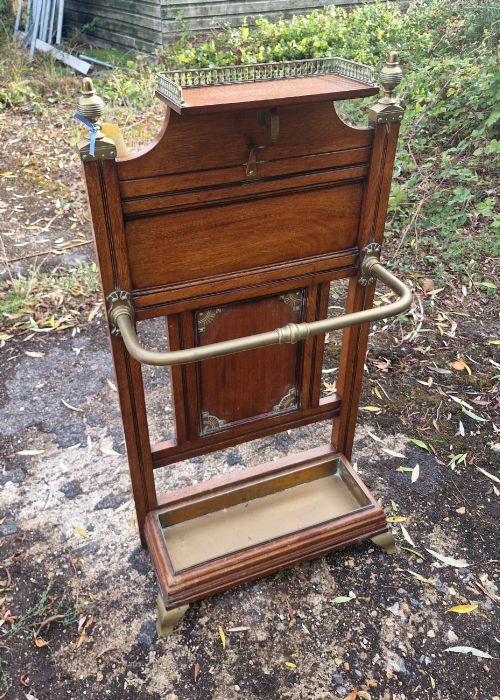
Makers combined cast brass and sheet brass with heavy structural elements of cast iron to ensure stability at the base. Many examples pair metal uprights with wooden bodies, utilising coopered oak or mahogany secured by substantial brass bands.
Foundries employed sand casting for the rigid iron and brass components, producing decorative panels, dog tooth drip trays, and bun feet. Metal elements were often joined with threaded iron rods or secured to timber bases designed to catch water runoff.
Materials span brass, cast iron, oak, copper, and mahogany, reflecting the heavy utilitarian requirements of nineteenth-century hall furniture.
What varies in quality
Substance separates the robust examples from lighter counterparts, discernible in the gauge of the brass and the presence of heavy cast iron weighting. Stands that incorporate solid oak staves or thick cast frames demonstrate superior construction designed for daily household demands.
Design ambition distinguishes standard hall furniture from exceptional pieces, particularly where founders employed decorative ball finials, figural casting, or distinct regional styling like Dutch country house motifs. The integration of a well-fitted, original drip tray also marks out a superior survivor.
Coalbrookdale·Thomas Jeckyll
The Victorian Brass Stick Holder Glossary
- Demi-lune
- A half-moon shape designed to allow hall furniture to sit flat against a wall. This profile saves floor space in narrow entranceways.
- Coopered
- Constructed from wooden staves fitted together side by side and bound by metal hoops, similar to barrel-making. This technique appears in oak and pitch pine umbrella barrels.
- Finial
- A decorative terminal ornament, often spherical or acorn-shaped, used on the top of upright posts. Ball finials punctuate the corners of many heavy brass stands.
- Drip tray
- A removable base pan designed to catch water running off wet umbrellas. These trays protect hallway floors and are frequently formed with dog tooth rims or patterned edges.
Victorian Brass Stick Holder: Frequently Asked Questions
How do I clean a brass stick holder?
Wipe the metal surface with a soft, dry cloth to remove dust and maintain the aged patina accumulated over the decades. Avoid abrasive cleaners that strip the historic finish.
For stubborn grime, use mild soapy water on a damp cloth, drying the metal immediately to prevent spotting.
Were these stands only used for umbrellas?
These versatile hall furnishings accommodated walking sticks, heavy walking canes, and umbrellas simultaneously in busy Victorian households. Their robust construction handled the varied weights of daily outdoor accessories.
Country house examples frequently sat beside front doors to service guests and residents alike upon entering from wet weather.
How do I distinguish Victorian from Edwardian stands?
Victorian examples often favour heavier cast iron combinations, Gothic Revival influences, or dark coopered oak barrels with prominent brass bands. The forms tend to display heavier ornamentation and substantial proportions.
Edwardian pieces frequently introduce lighter Aesthetic Movement touches, cleaner lines, and refined details such as dog tooth trays c.1900.
Can I use an antique stand daily?
These items were built for heavy utilitarian service in nineteenth-century halls and remain entirely practical for modern daily use. Their sturdy brass and cast iron frames easily support modern umbrellas and walking sticks.
Ensure the internal drip tray remains intact to protect your flooring from any residual moisture.