

Victorian Brass Inlay Cabinet
A victorian brass inlay cabinet brings together nineteenth-century cabinet-making and rich metalwork, offering both display space and refined storage for the home.
Victorian Brass Inlay Cabinet
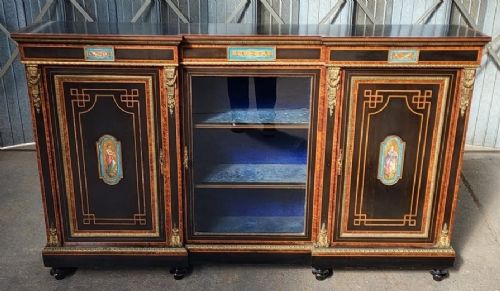
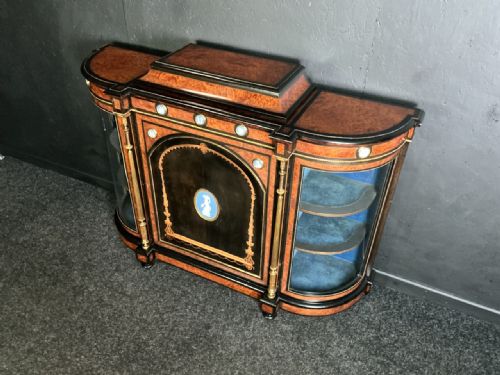
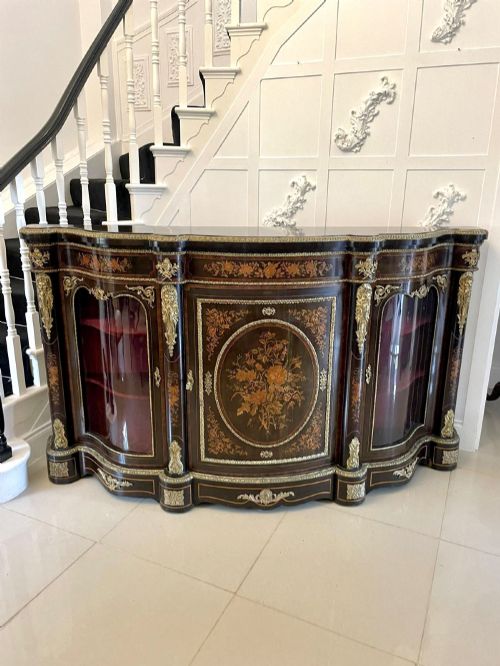
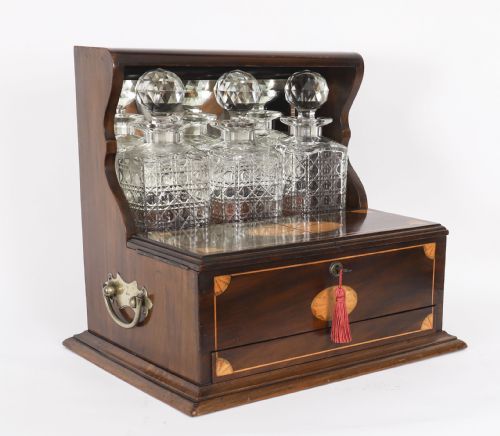
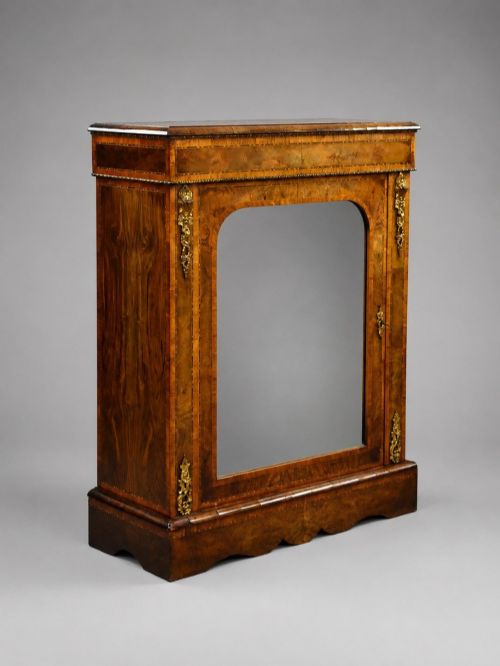
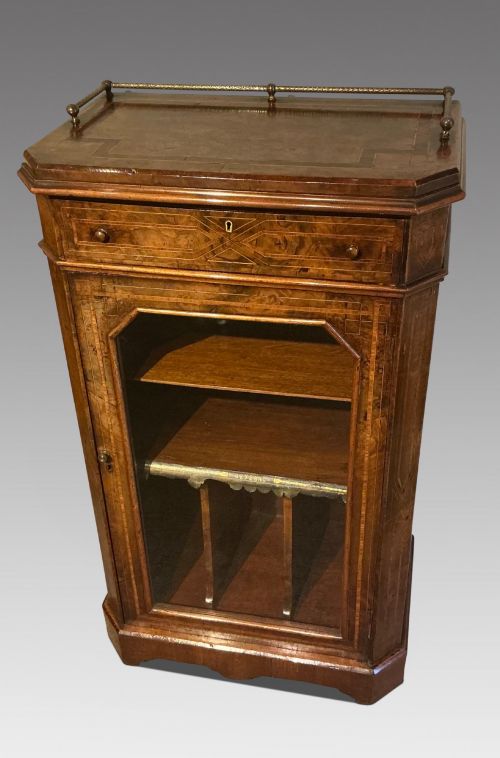
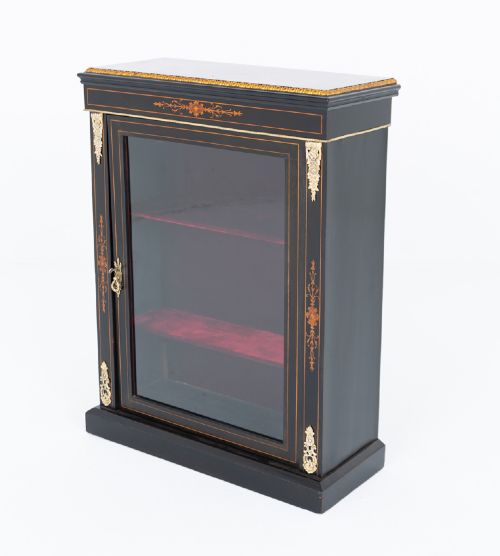
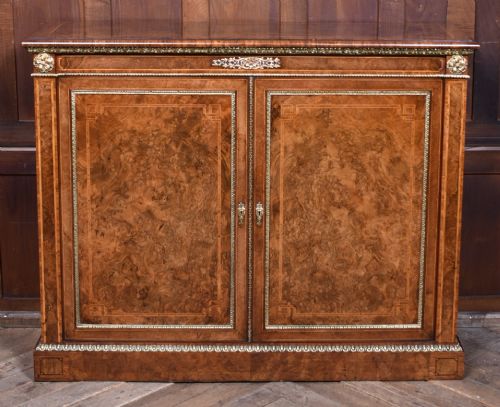
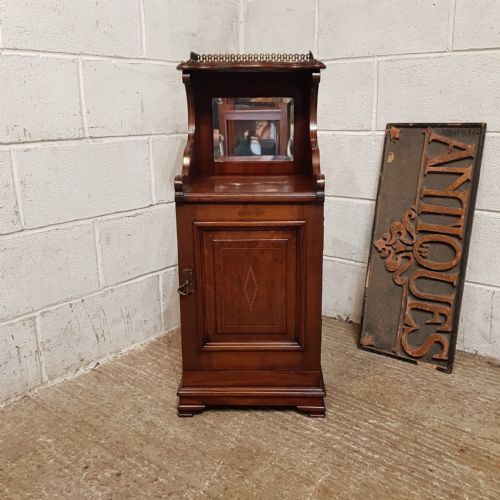
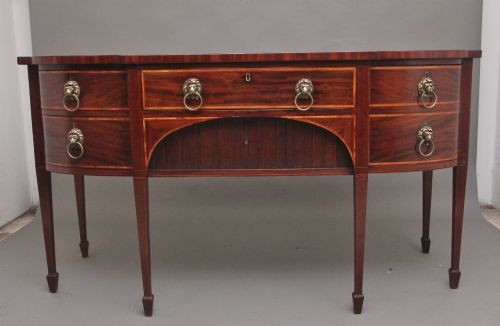
A victorian brass inlay cabinet encompasses a variety of forms designed for nineteenth-century interiors, including pier cabinets, credenzas, side cabinets and music cabinets. These pieces often feature glass doors or display sections alongside enclosed shelving.
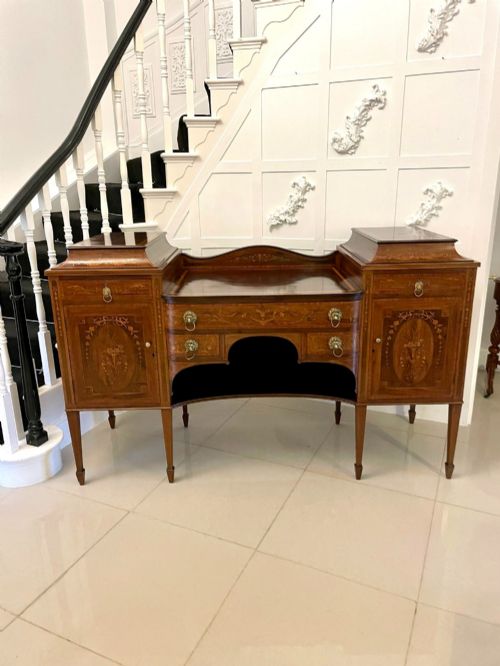
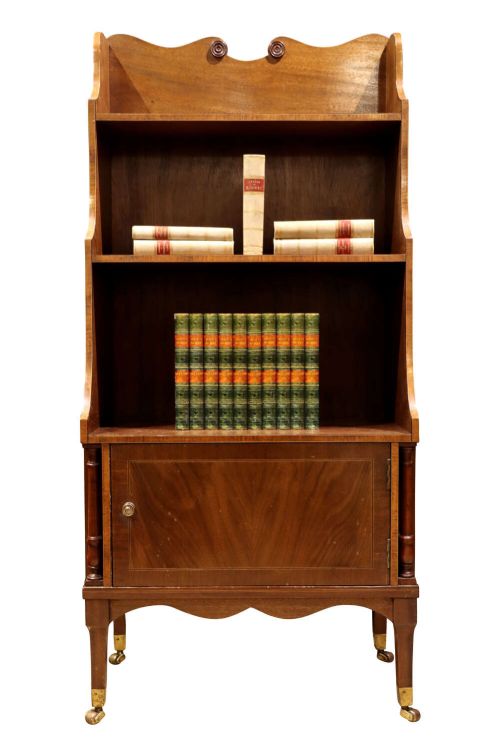
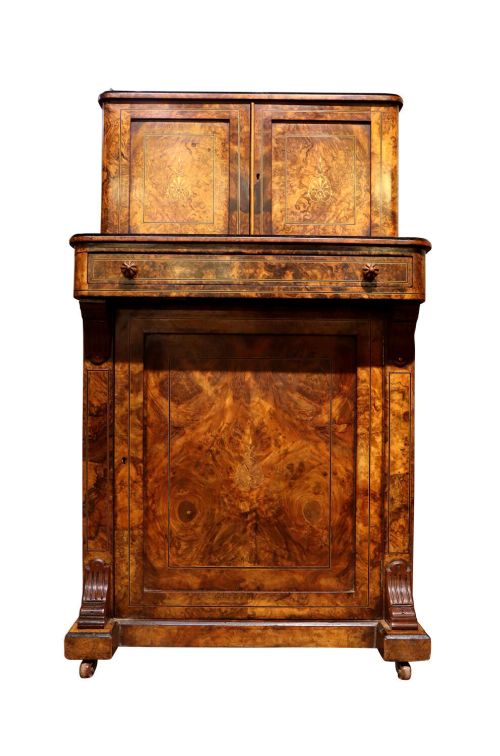
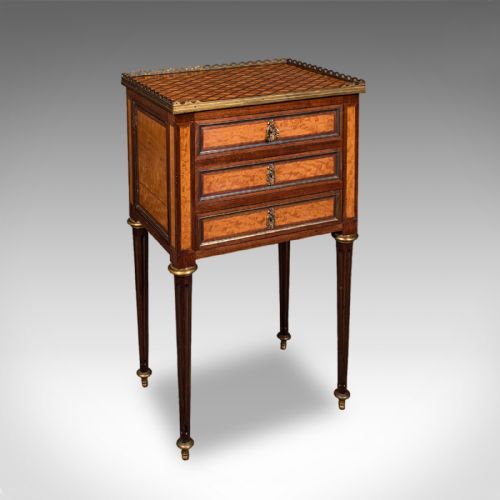
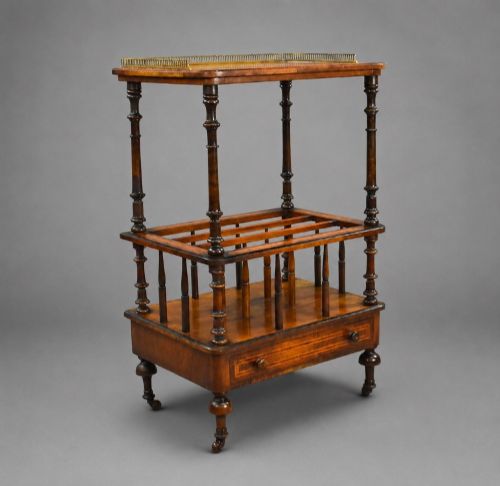
Burr walnut and ebonised wood dominate the selection, frequently enhanced by contrasting stringing and marquetry alongside metal mounts. Pieces range from compact bedside tables to large multi-door credenzas.
Materials and construction
Cabinet-makers utilised dense timbers such as mahogany, walnut and ebonised wood as a dark ground for bright metal details. Brass strip work, stringing and ormolu mounts were meticulously fitted into the timber surfaces.
Glazing, tortoiseshell panels and ceramic plaques were frequently incorporated into French Napoleon III and English revival designs, supported by castors or raised feet.
The listings demonstrate a strong presence of burr walnut, ebonised wood and mahogany across pier cabinets and credenzas.
Distinguishing craftsmanship
The fineness of the brass inlay work and the tightness of the timber joints separate standard production from superior examples. Elaborate marquetry and chased ormolu mounts indicate workshop skill.
The choice of figured burr walnut or rich mahogany veneers dictates the visual depth of the piece, whilst intact original glass and lining elevate the overall standard.
Hewetsons London·Mawer and Stephenson·Edwards and Roberts
The Victorian Brass Inlay Cabinet Glossary
- Pier cabinet
- A low freestanding display case designed to fit the wall space between windows during the nineteenth century. These often feature single glazed doors and gilt metal mounts.
- Credenza
- A large low sideboard or cabinet featuring multiple doors, frequently fitted with ceramic plaques and elaborate marquetry. They served as principal display furniture in Victorian reception rooms.
- Ebonised
- Timber treated to imitate ebony, providing a dense black surface that highlights brass inlay and ormolu mounts. This finish is common in French-influenced Victorian design.
- Ormolu
- Gilt bronze mounts applied to cabinet corners, feet and friezes for decorative accent. The quality of the chasing defines the standard of the metalwork.
Victorian Brass Inlay Cabinet: Frequently Asked Questions
What is a pier cabinet?
A pier cabinet is a narrow nineteenth-century display case built to occupy the wall space between windows. They usually enclose shelves behind a single glass door.
These pieces protected fragile ceramics and glassware from dust while displaying them to visitors in formal sitting rooms.
How do I clean brass inlay?
Brass inlay requires gentle dusting with a soft cloth to prevent accumulation in the grooves around the metal. Avoid abrasive cleaners that might scratch the surrounding timber.
Applying microcrystalline wax helps protect both the brass and the wood veneer without leaving harmful residues.
Where should I place a credenza?
A credenza suits dining rooms, hallways or large living spaces where its length can be appreciated against a blank wall. Their low profile makes them ideal for displaying lamps and decorative objects on top.
Ensure the floor is level so that the cabinet doors hang correctly and close without friction.
How do I date these cabinets?
Dating relies on identifying timber choices, construction methods and stylistic influences such as Aesthetic Movement or Louis XVI revival. Cabinet feet, interior linings and lock mechanisms offer further chronological clues.
Most examples date from the mid to late nineteenth century during the reign of Queen Victoria.