





Victorian Brass Hearth Box
A victorian brass hearth box combines functional fireside storage with striking metalwork, offering an enduring centrepiece for period hearths.
Victorian Brass Hearth Box
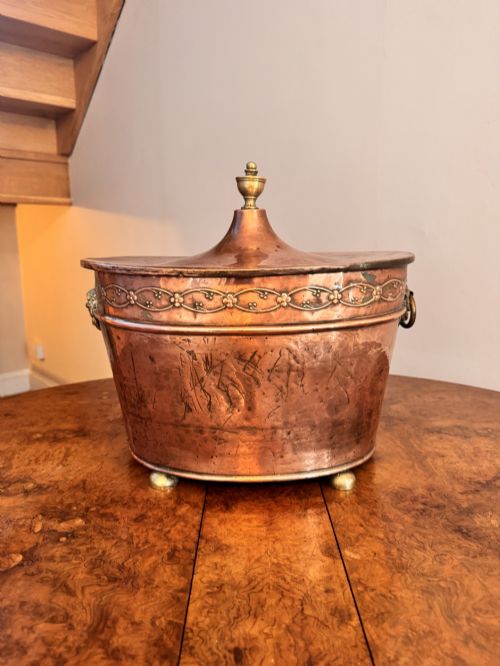
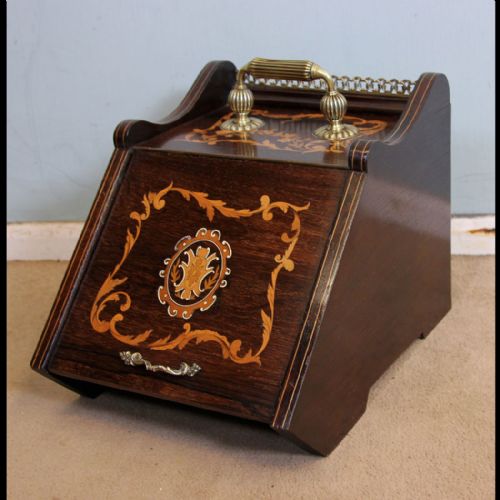
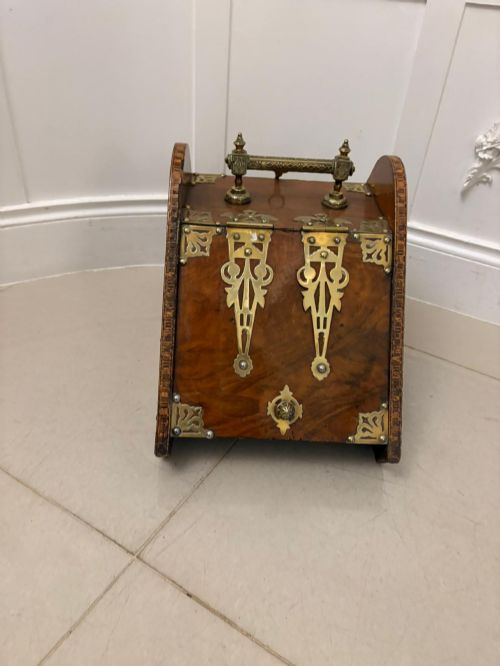
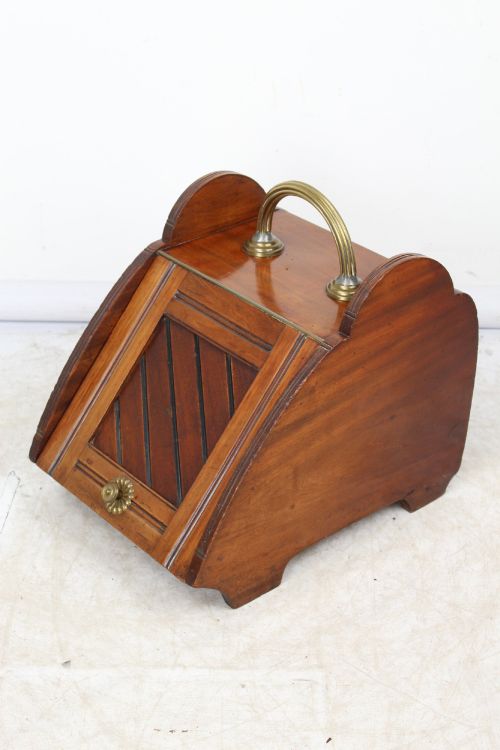
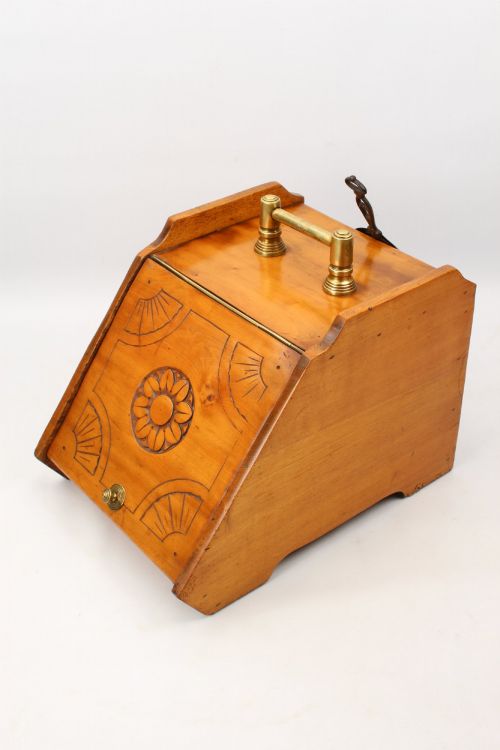
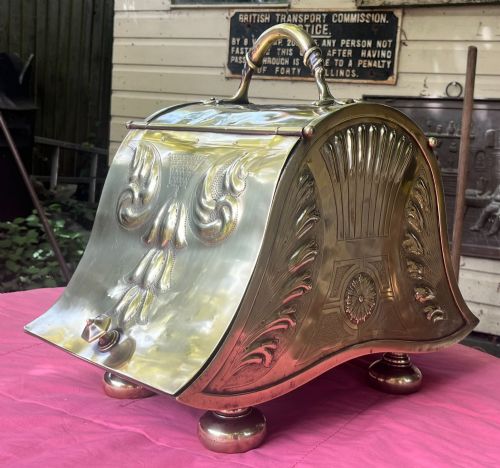
When buyers search for a victorian brass hearth box, they encounter a diverse range of coal scuttles, purdoniums, log bins, and fireside storage containers. These pieces function primarily as fuel holders for coal and logs, though many survive alongside original liners and shovels.
The objects span the Victorian, Edwardian, and Regency periods, stretching from the mid-nineteenth century into the early twentieth century. Most examples merge durable timber bodies with polished brass mounts, or present entirely in embossed, hammered, or plain sheet brass and copper.
Makers and workshops across England, France, and Belgium produced these items in styles varying from standard helmet buckets to elaborate Aesthetic Movement and Arts and Crafts designs. Buyers are most likely to find lidded wooden boxes with brass handles or classical helmet-shaped buckets on this page.
Materials and construction
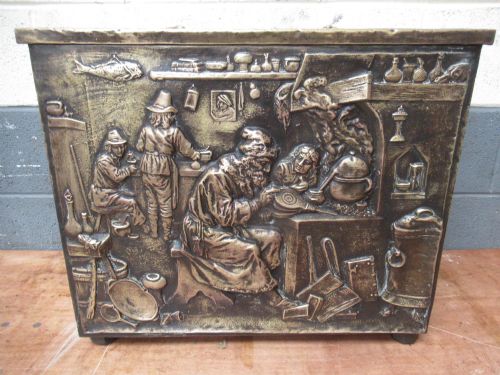
Metalwork dominates these pieces, utilising brass sheets shaped into helmets, cylindrical bins, and oval buckets, often supplemented by copper and iron elements. Embossing, repoussé, and engraving techniques decorate the bodies with floral, geometric, or figurative motifs.
Wood serves as the primary structural material for purdoniums and coal boxes, incorporating oak, mahogany, walnut, rosewood, and pine. Timber panels feature carved fronts, inlaid details, and sturdy panel construction designed to bear the weight of heavy fuel.
Functional hardware completes the assembly, including drop handles, hinges, and ceramic or wooden knobs. Many survivors retain their original metal liners, which protected the wooden interiors from moisture and coal dust.
Victorian Brass Hearth Box Retail Price Guide 2026
Typical asking prices for victorian brass hearth box among the pieces listed under this phrase on Sellingantiques today, from the lower quarter to the upper quarter. They describe what is for sale here now, not the wider market.
Separating standard from exceptional
Quality rests upon the crispness of the metalwork and the integrity of the timber framing. Superior examples display deeply embossed brass panels and solid hardwood bodies without structural compromise.
Provenance and maker attribution elevate certain pieces significantly. Recognised marks from established workshops indicate higher standards of manufacturing and design ambition compared to unmarked utilitarian items.
Completeness dictates value in daily utility and preservation. Pieces retaining their original interior metal liners and matching coal shovels command greater appreciation from collectors.
BENHAM AND FROUD·Henry Loveridge
The Victorian Brass Hearth Box Glossary
- Purdonium
- A specialised cabinet or box designed specifically for storing coal near a fireplace. These typically feature a sloping front door and an internal metal liner for carrying fuel.
- Coal helmet
- A bucket shaped with a high back and a pointed spout, resembling a classical helmet. This profile allowed easier pouring of coal into the grate.
- Repoussé
- A metalworking technique where the metal is hammered from the reverse side to form a raised design in relief. It appears frequently on decorative brass fire accessories.
- Liner
- The removable metal insert sitting inside a wooden coal box or bucket. This inner vessel protected the outer timber and brass from dirt and dampness.
- Aesthetic Movement
- A late nineteenth-century design style emphasising visual beauty over narrative subject matter. Pieces from this movement often display stylised floral and geometric brass ornamentation.
Victorian Brass Hearth Box: Frequently Asked Questions
What is a coal purdonium?
A coal purdonium is a specialised fireside cabinet featuring a hinged sloping front designed to hold and dispense coal cleanly. They often include interior metal liners and matching shovels.
These cabinets kept fuel neatly concealed beside the hearth while offering a decorative wooden or brass exterior that suited formal Victorian drawing rooms.
How do I clean a brass hearth box?
Maintenance requires gentle dusting and occasional cleaning with a mild brass cleaner to preserve the polished or patinated surface. Avoid abrasive pads that scratch the thin brass sheets.
Leaving a natural patina on older pieces is often preferred by collectors who value the historical depth of the metal.
Were these boxes only used for coal?
While primarily manufactured to hold coal for open grates, many served as storage for logs, kindling, or peat. Larger cylindrical and oval bins functioned easily as general fuel stores.
Some surviving pieces transition into decorative planters or umbrella stands in modern domestic settings.
How do I spot a reproduction?
Examine the construction methods, screw types, and wear patterns on the interior and base. Older pieces display hand-beaten seams, period-appropriate fixings, and natural tarnishing.
Genuine Victorian and Edwardian items exhibit authentic weight and structural joinery that modern reproductions rarely replicate accurately.