




Brass Fuel Bin
A brass fuel bin is a fireside essential designed to hold coal, logs, or peat while adding metallic gleam to the hearth.
Brass Fuel Bin
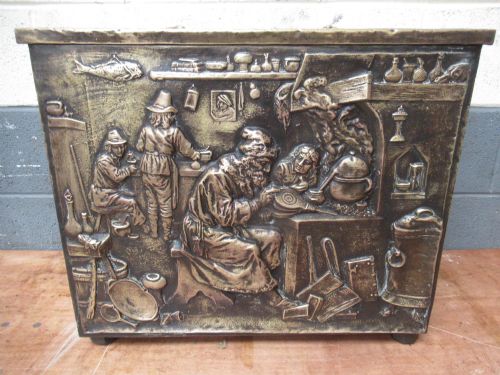
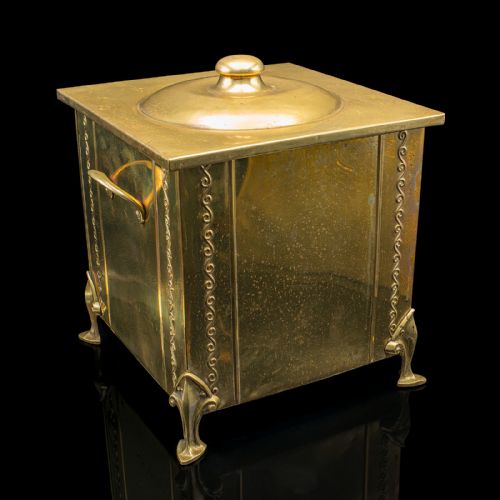
A brass fuel bin serves as a practical fireside container for solid fuel, appearing in various forms such as coal boxes, log bins, and scuttles. These items belong primarily to the Victorian and Edwardian periods, stretching from the late nineteenth century into the early twentieth.
The most common versions on this page are timber boxes mounted or banded with brass, alongside oval lidded brass bins and traditional coal purdoniums. English, Scottish, French, and Belgian workshops produced these pieces to keep hearths tidy and domestic interiors orderly.
Makers utilised distinct regional styles, from Scottish coopered peat buckets to French brass baskets and English inlaid mahogany boxes. Buyers select them to store fuel near an active fireplace while maintaining period character in a room.
Materials and construction
These pieces combine sheet or cast brass with cabinet timbers such as oak, walnut, mahogany, pine, and occasionally copper. Workshops employed cooperative techniques for stave-built buckets and standard joinery for lidded boxes.
Decoration often involved hand-carving, metal inlay, or ormolu mounts, attaching brass handles and hinges securely to wooden bodies. Metal components were frequently hammered, polished, or shaped into revivalist and aesthetic motifs.
Scottish peat buckets brought the earthy scent of the Highlands straight to the formal Victorian drawing room hearth.
Standards of manufacture
Quality rests on the weight of the metal, the selection of timber grain, and the firmness of the joinery. Heavier gauge brass and solid hardwood bodies endure daily hearth use better than lighter alternatives.
Refinement in decorative details, such as crisp wood carving, neat dovetailing, and well-fitted lids, separates standard utility items from finer parlour pieces.
Petrus Ramus
The Brass Fuel Bin Glossary
- Purdonium
- A specialised coal box featuring an angled front door that drops forward to dispense fuel. This form became popular during the Victorian era for domestic hearths.
- Coopered
- Made from wooden staves bound together with metal bands, a technique borrowed from barrel-making. This method appears on traditional peat buckets.
- Ormolu
- Gilded bronze or brass mounts applied to furniture and decorative objects for ornamentation. Makers used these mounts to elevate the status of fireside storage.
- Aesthetic Movement
- A late nineteenth-century design style emphasising visual beauty over narrative meaning. Pieces from this period often display simpler lines and stylised ornamentation.
Brass Fuel Bin: Frequently Asked Questions
What is a coal purdonium?
A coal purdonium is an enclosed fireside box with a hinged flap or drop-down front. It keeps coal hidden away while offering easy access for tending the fire.
Most examples date from the Victorian period and feature wooden construction with brass handles and liners.
How do I clean brass fuel bins?
Brass components respond well to gentle cleaning with a mild metal polish and a soft cloth. Care should be taken to avoid getting polish onto surrounding wood or fabric.
Regular dusting prevents tarnish from building up on the decorative surfaces of the bin.
Can these bins hold logs?
Open buckets, oval lidded bins, and designated log boxes suit larger pieces of wood. Lined coal boxes handle smaller logs and peat effectively.
Buyers should check the internal capacity of each individual container before storing heavy firewood.
How do I date a Victorian coal box?
Dating relies on examining the timber types, joinery methods, and stylistic influences present in the piece. Aesthetic movement and Rococo revival details point to specific decades within the Victorian era.
Hardware such as hinges and handles also provides clues to the manufacturing period.