





Fireside Fuel Container
These fireside fuel container examples bring practical hearth storage into daily use with enduring nineteenth-century utility and period character.
Fireside Fuel Container
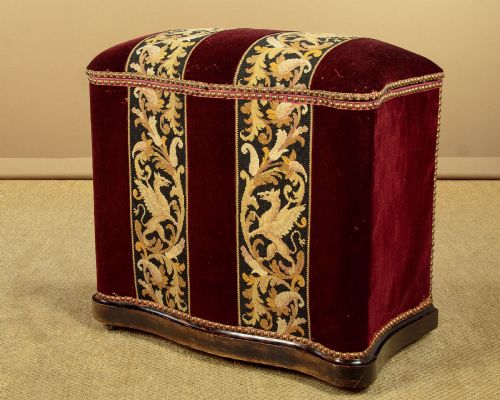
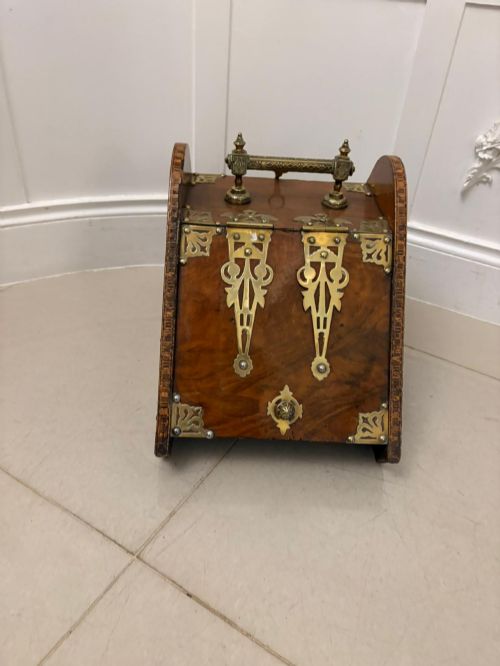
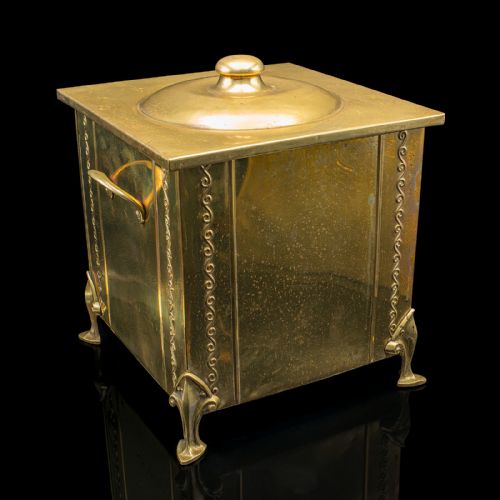
When you search for a fireside fuel container, you are looking at practical hearth storage designed to hold coal, logs, or kindling neatly beside an open fire. These items range from lidded coal scuttles and bins to open buckets and heavy log boxes.
On this page, the most common versions you will meet date from the nineteenth century, including Victorian, Edwardian, and Arts and Crafts examples. They combine everyday functionality with the distinctive decorative metals and timbers of their period.
How they were made
Makers fashioned these pieces primarily from hammered or sheet metals such as brass and copper, frequently joining the heavy metal bodies with visible rivets. Iron elements added structural strength to perdoniums and scuttles.
Wooden examples rely on solid oak and mahogany construction, often enhanced by carved details or wood inlay work to provide a polished domestic appearance.
What varies in quality
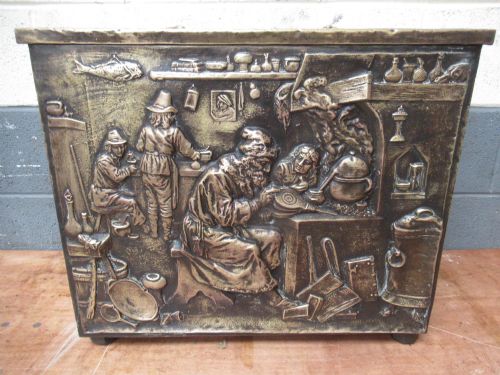
The distinction between standard utility items and finer pieces lies in the hand-finished details, such as crisp embossing on brass bodies or careful riveting on copper buckets. Superior examples show thoughtful integration of mixed metals like iron and brass.
Material selection also dictates overall grade, with richly carved oak or inlaid mahogany coal boxes representing a more refined domestic standard than plain metal bins.
Petrus Ramus
The Fireside Fuel Container Glossary
- Coal scuttle
- A container traditionally used for carrying and storing coal near a hearth, typically featuring a sloping body and a hinged handle. They often include a wide mouth for easy shovelling.
- Arts and Crafts
- A design movement emphasising hand-craftsmanship and visible construction methods. Pieces from this style often display hammered copper surfaces and honest joints.
- Embossing
- A technique where metal is raised from the reverse side to create a decorative relief pattern. Victorian brass boxes frequently utilise this method on their lids.
Fireside Fuel Container: Frequently Asked Questions
What is a fireside fuel container?
A fireside fuel container is a dedicated vessel designed to store coal, logs, or kindling neatly beside a fireplace. These items keep solid fuel accessible while containing dust and debris.
They appear in various forms, including lidded boxes, open buckets, and coal scuttles, serving both a functional and decorative role in period rooms.
How do I date a copper coal bucket?
Dating a copper bucket involves examining the construction methods, such as the presence of hand-hammering, riveted seams, and the style of the handle attachments. Nineteenth-century pieces often display heavier gauge metal and simpler, utilitarian forms.
Stylistic cues like Art Nouveau curves or Arts and Crafts motifs also help place the piece within a specific period.
Where should I place a log box?
A log box sits directly on the hearth or floor beside the fireplace for easy access to fuel during burning. Placing it on a hearth protects flooring from wood debris and bark.
Wooden boxes and brass bins both suit this placement, though metal versions handle loose coal and smaller kindling particularly well.