
Victorian Brass Fireplace Bucket
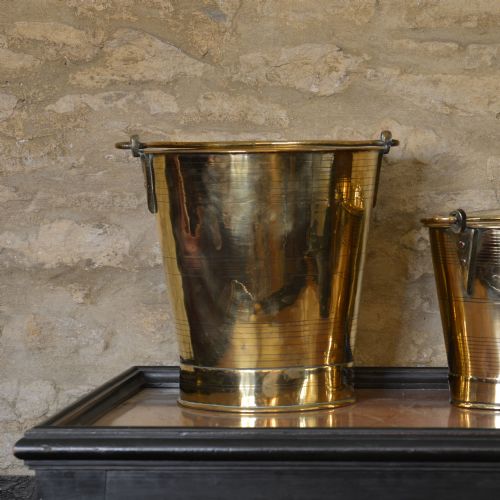
These heavy metal vessels built for the fireside are what you examine when you search for a victorian brass fireplace bucket.

Victorian Brass Fireplace Bucket
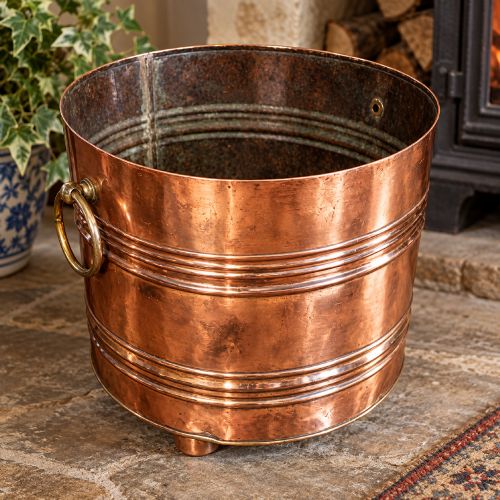
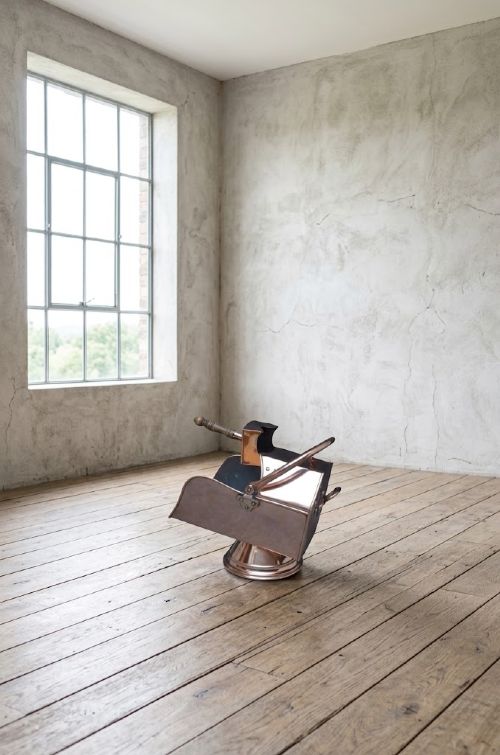
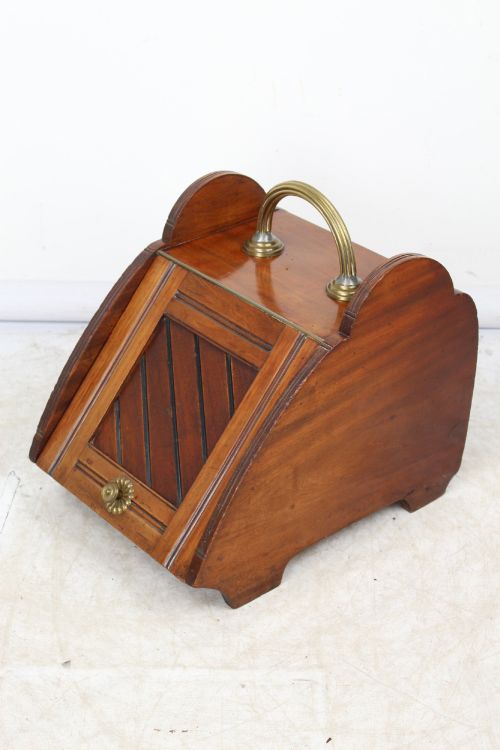
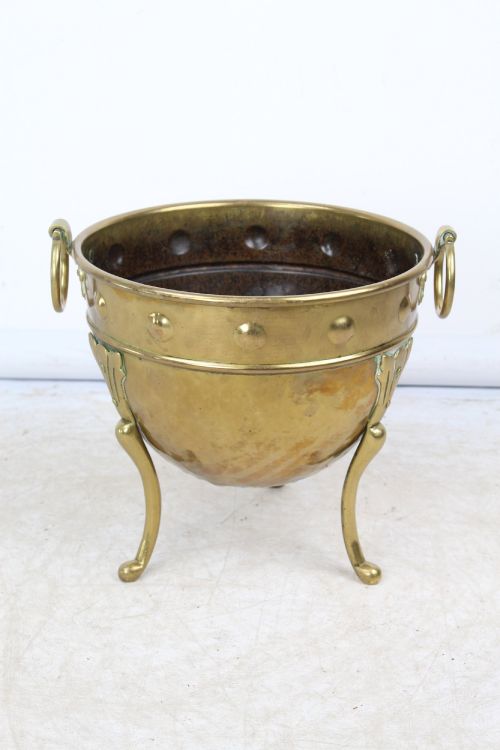
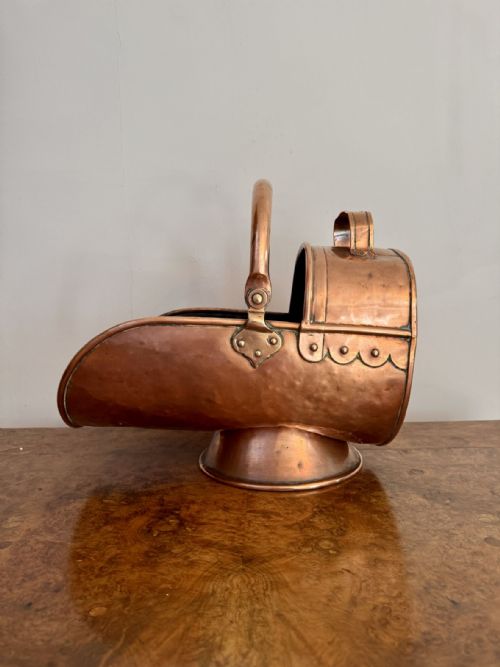
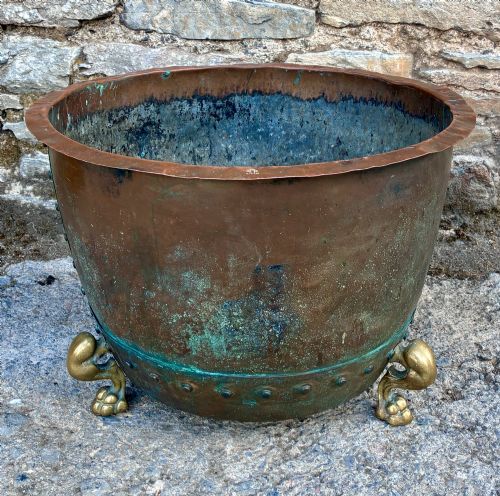
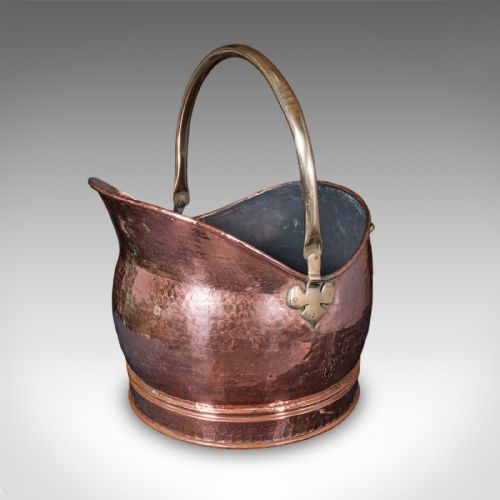
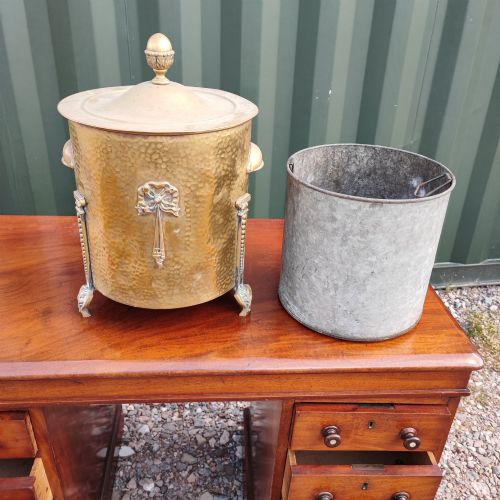
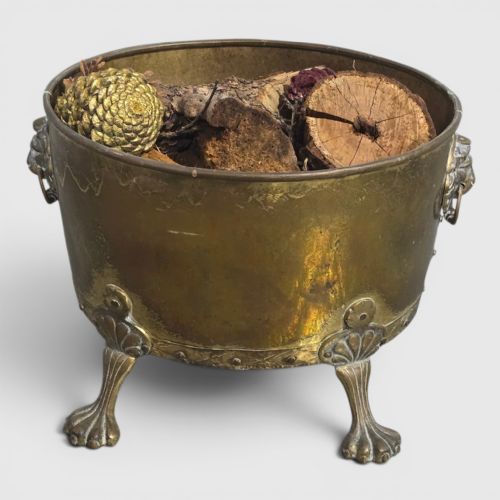
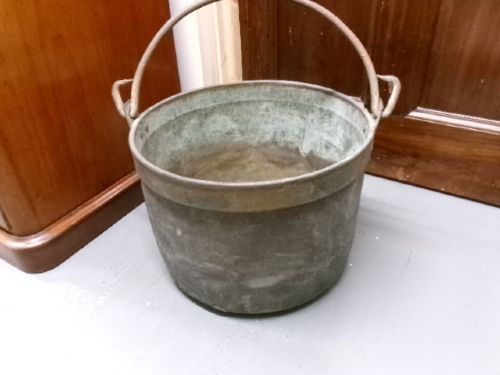
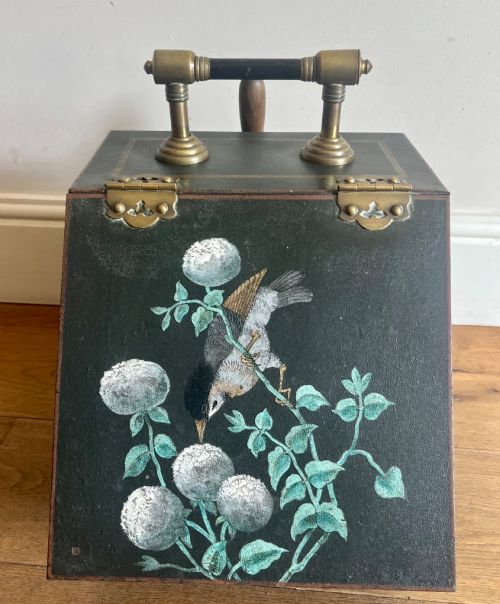
A buyer seeking a victorian brass fireplace bucket encounters a utilitarian domestic receptacle designed to hold solid fuel or logs beside the hearth. The inventory comprises coal scuttles, log bins, cauldrons, and bucket vessels originating primarily from the nineteenth century. Most examples combine bright metal bodies with swing handles for carrying fuel to the grate.
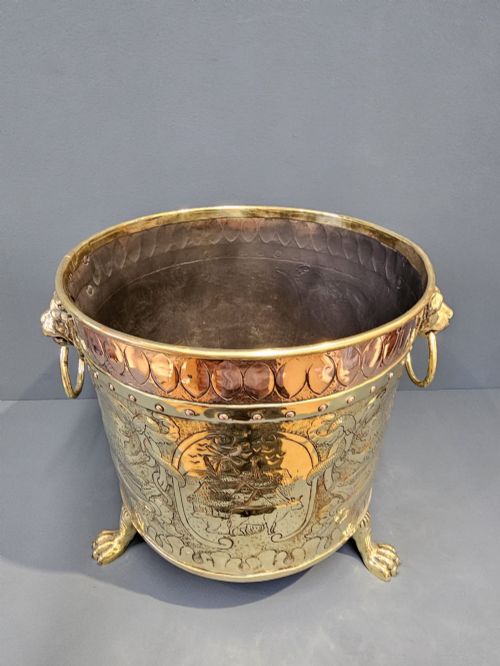
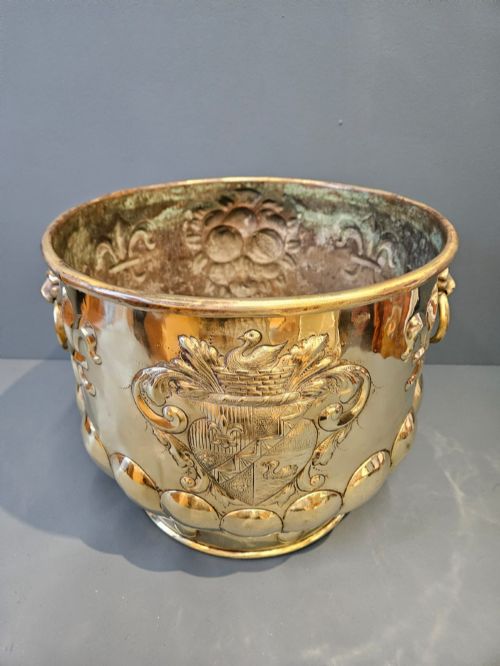
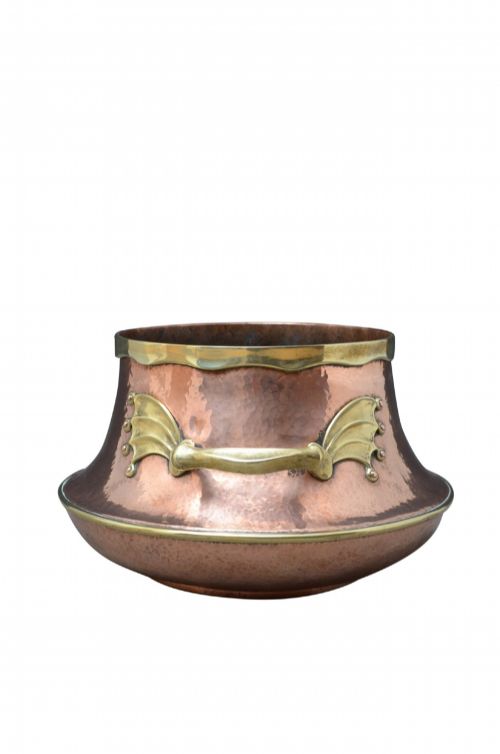
The objects span stylistic movements from plain utilitarian designs to ornate Arts and Crafts pieces bearing embossed motifs or tavern scenes. While many are constructed entirely from brass or copper, others incorporate wooden bands, ceramic liners, or iron fittings. These vessels also appear adapted for alternative domestic uses such as planters, jardinières, or umbrella stands.
Materials and Construction
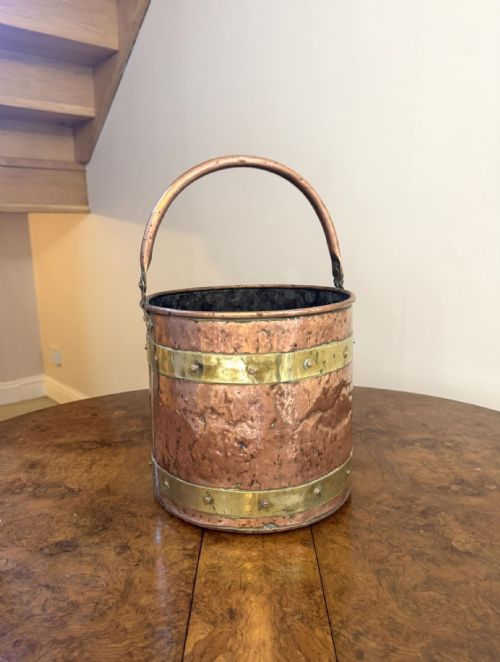
Makers utilised sheet brass and copper as the primary metallic elements, frequently hammering, embossing, or riveting the plates together by hand. Copper bands and brass swing handles provided structural reinforcement to bodies formed from rolled sheet metal or coopered wood.
Wooden elements such as oak, mahogany, and walnut appear in coopered staves bound by metal hoops, particularly on fuel buckets and peat bins. Surface finishes range from polished bright metal to hand-finished patinas incorporating crests, decorative bands, and repoussé ornamentation.
Several heavy fuel containers bear elaborate tavern scenes hammered into the metal, depicting cheerful patrons enjoying a pint beside an imaginary fire.
Craftsmanship and Weight
The integrity of construction separates standard utility items from finer workshop pieces, visible in the thickness of the metal sheet and the strength of the riveted joints. Heavier gauge brass and solid copper retain their shape under daily domestic use and heavy fuel loads.
Execution of decorative detail distinguishes the workmanship, from crisp hand-hammered embossing and detailed tavern scenes to plain commercial pressings. The inclusion of original matched components, such as associated brass shovels or interior liners, adds to the historical completeness of the piece.
Henry Loveridge·Benham and Froud·Petrus Ramus
The Victorian Brass Fireplace Bucket Glossary
- Coal Scuttle
- A domestic container designed for holding coal, typically featuring a sloping front or a hinged lid for easy dispensing. Many possess a fixed handle at the top and a smaller grip underneath to assist with tipping.
- Log Bin
- A large floor-standing vessel utilised to store firewood beside an open hearth. These items often incorporate metal bands or riveted construction to withstand heavy timber.
- Jardiniere
- An ornamental pot or stand intended for holding plants and flowers, constructed from brass or copper. These vessels frequently share the same hammered metal techniques and form factor as coal buckets.
- Coopered
- A method of construction utilising tapered wooden staves bound together by external metal hoops, similar to barrel-making. This technique appears on oak and walnut buckets designed for fuel storage.
- Repousse
- A metalworking technique where the artisan hammers the design from the reverse side to form a raised relief on the front. This ornamentation appears on Arts and Crafts brass and copper pieces.
Victorian Brass Fireplace Bucket: Frequently Asked Questions
What were these buckets used for?
These metal vessels served primarily to transport and store solid fuel such as coal, logs, or peat beside the domestic fireplace. They kept the hearth tidy while ensuring a ready supply of combustible material close to the fire.
Over time, many of these durable containers transitioned into alternative roles around the house. Today, owners frequently utilise them as planters, jardinières, umbrella stands, or waste paper bins.
How do I clean antique brass and copper?
Active metal containers develop natural patinas over decades of exposure to hearth smoke and handling. Routine maintenance generally requires only a soft, dry cloth to remove dust and prevent surface grime accumulation.
Aggressive chemical polishing removes historical character and thins the original metal surface. Most collectors prefer to preserve the aged surface finish rather than restore the metal to a bright modern shine.
Can I still burn coal in them?
While these historical vessels were engineered to hold solid fuel, modern usage often accelerates wear on fragile antique joints and thin bases. Acidic residues from damp coal can pit interior metal surfaces over time.
Utilising a modern inner lining or keeping them dry for display protects the historical fabric of the piece. Many owners prefer to store dry logs or utilise the vessels for decorative planting instead.
How do I date an antique fuel bucket?
Dating relies upon examining manufacturing techniques, stylistic markers, and materials. Hand-hammered surfaces and specific decorative motifs often point towards the Arts and Crafts movement of the late nineteenth century.
Maker marks stamped onto the base or body provide definitive attribution when present. Standardised commercial production methods typically indicate later nineteenth or early twentieth-century manufacture.