


Victorian Brass Bowl
A victorian brass bowl brings nineteenth-century warmth to a room, offering a heavy, metallic gleam that reflects candlelight and holds flowers or foliage.
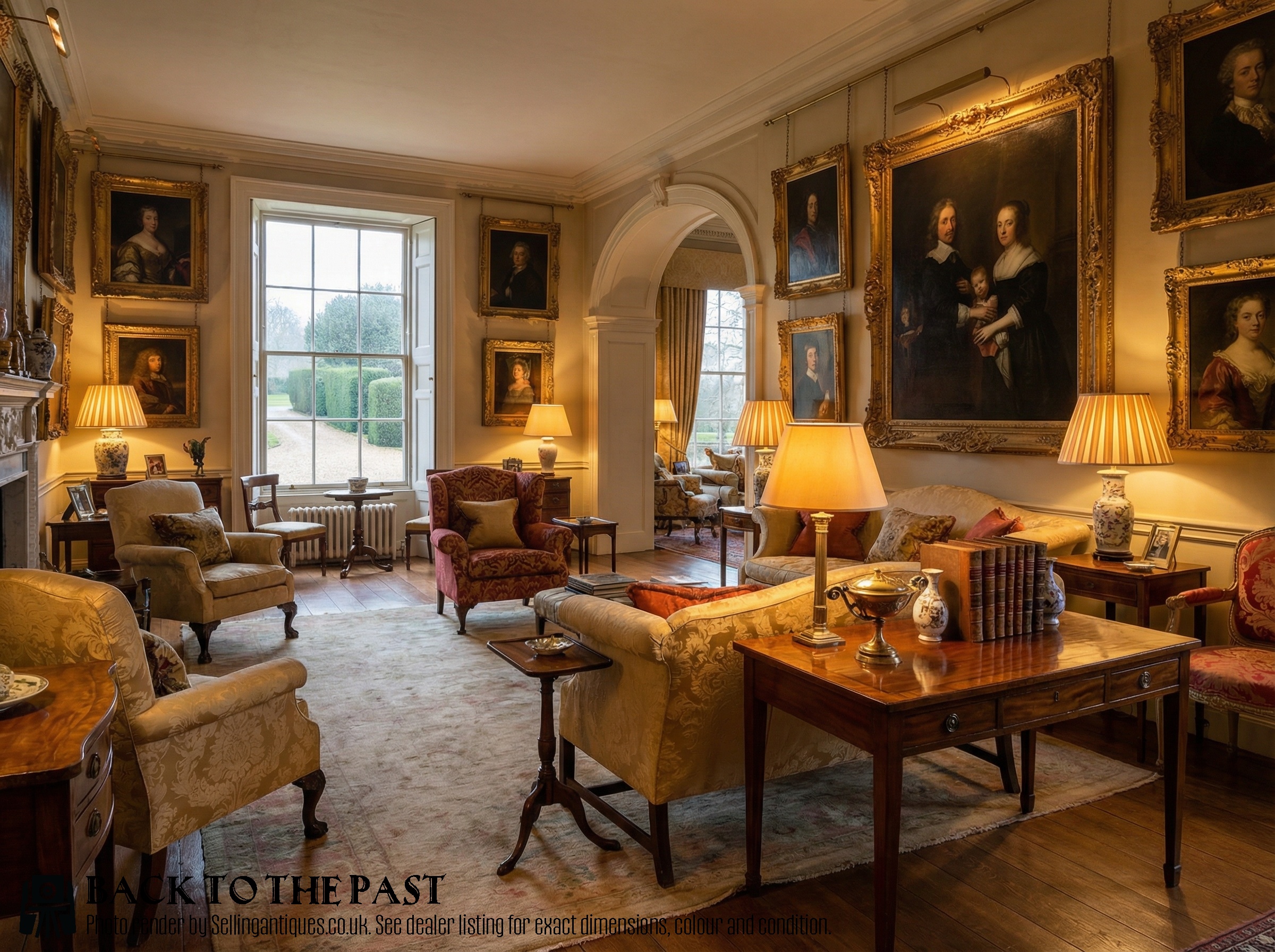
Victorian Brass Bowl
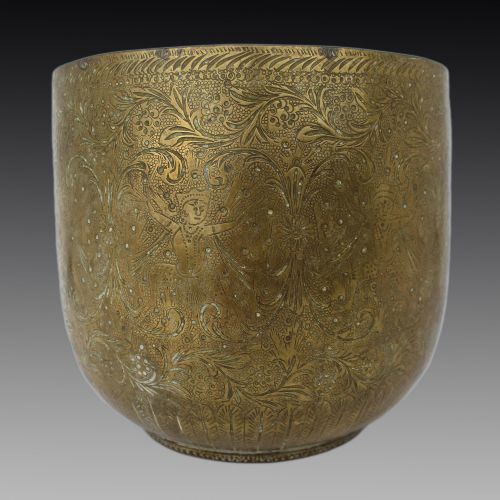
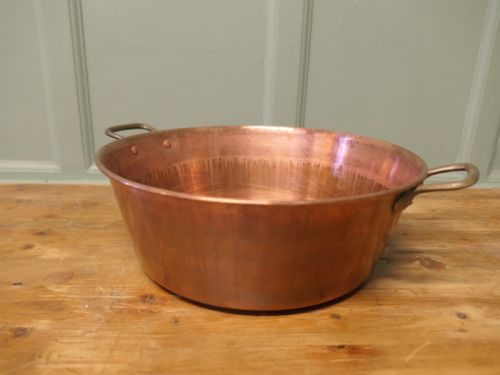
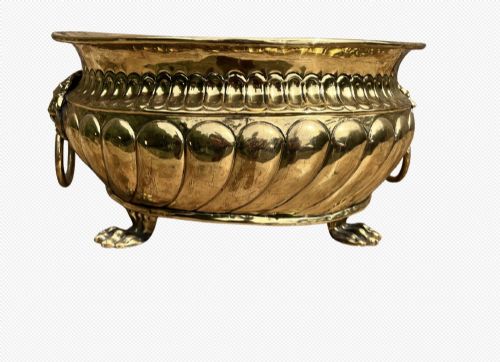
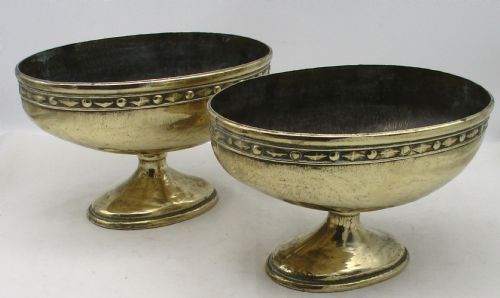
A victorian brass bowl encompasses functional vessels and decorative receptacles from the nineteenth century, ranging from utilitarian copper preserving pans to ornate planters and cachepots. Buyers examining these listings frequently encounter items designed for horticulture, such as heavy jardinières and pedestal bowls meant to display plants or cut flowers.
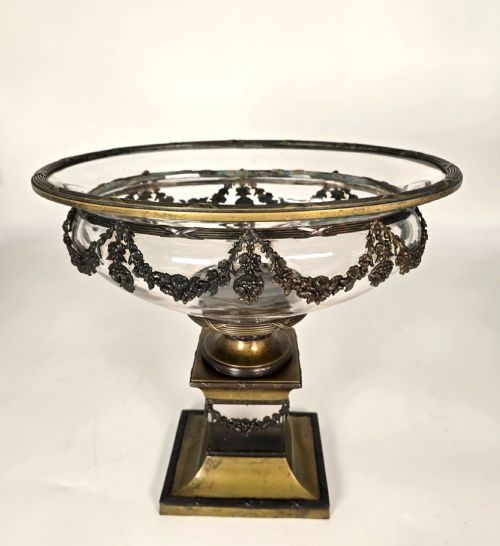
The forms span domestic utility and ornamental display, including church vases, tazzas, and ceremonial vessels imported from global trade routes alongside British kitchenware. Pieces often reflect specific regional tastes, blending local nineteenth-century manufacturing with styles borrowed from French Empire, Gothic revival, and Anglo-Indian design.
Most examples found on this page date from the middle to late decades of the nineteenth century, fabricated in base metals like brass and copper, sometimes augmented with glass or bronze. Whether chosen for a fireplace hearth or a dining table centrepiece, each item carries the distinct weight and patination of the Victorian era.
How they were made
Makers shaped these items primarily from sheet brass or copper through hammering, spinning, and casting, often joining seams with visible rivets or brazing. Metalworkers utilised repoussé and chasing techniques to hammer raised patterns from the reverse side, producing intricate surface relief on planters and cachepots.
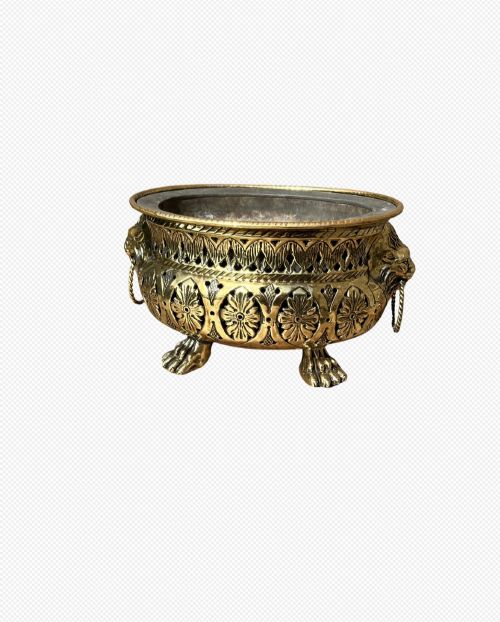
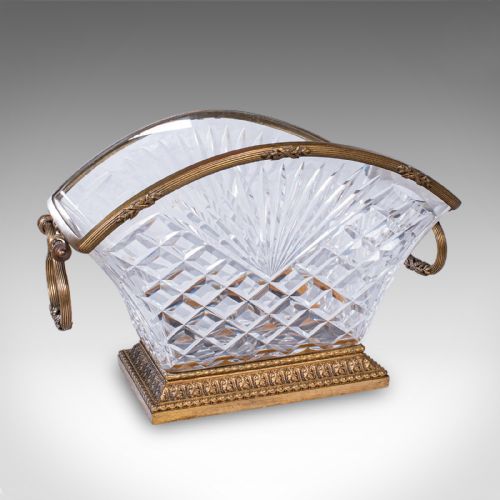
Decorative touches included mixed metals, applied lion mask handles, or mounts in ormolu and gilt bronze, whilst interior reservoirs combined heavy cast brass with cut or cranberry glass. Artisans also integrated organic materials like agate cabochons and alabaster into bronze tazzas, fusing varied textures within a single object.
Materials span plain copper, heavy cast brass, and bronze, often paired with cut glass or alabaster for nineteenth-century display.
What varies in quality
The calibre of a piece rests upon the thickness of the metal gauge and the crispness of the hand-worked repoussé detail. Heavy, substantial brass and well-poured bronze distinguish finer items from lighter, purely utilitarian kitchen pans.
Design integration separates standard domestic vessels from exceptional exhibition pieces, where handles, feet, and applied mounts fit harmoniously into the overall silhouette. Surface finish and natural patination also dictate worth, with undisturbed age surfaces outranking harsh modern polishing.
Hodges & Sons
The Victorian Brass Bowl Glossary
- Jardiniere
- An ornamental pot or stand designed to hold a plant or flowers. These vessels usually sit on table surfaces or pedestals within nineteenth-century interiors.
- Repoussé
- A metalworking technique where the artisan hammers a design from the reverse side to create raised relief on the front. This method appears frequently on nineteenth-century planters and cachepots.
- Tazza
- A shallow saucer-like dish mounted on a stem and foot, often used for serving or display. Metal versions in bronze or brass date across the Victorian period.
- Cachepot
- An ornamental pot used to conceal an ordinary flowerpot. These containers protect furniture from water drainage and add decorative metallic texture to a room.
- Comport
- A shallow dish or bowl raised on a pedestal, traditionally utilised for holding fruit or sweetmeats at the dining table. They frequently combine brass frames with glass or stone insets.
Victorian Brass Bowl: Frequently Asked Questions
How were these brass bowls originally used?
Victorian households utilised these vessels for multiple domestic duties, ranging from kitchen preserving pans to decorative jardinières holding indoor ferns and palms. Many served purely ornamental roles on sideboards or acted as church altar garnitures.
Finer examples functioned as rose bowls or fruit comports in dining rooms, whilst smaller dishes held betel nuts or calling cards in hallways. Their versatility meant a single household might own plain copper pans for cooking alongside gilded bronze display pieces.
Can I plant directly into a Victorian brass bowl?
Planting directly into antique metal risks corrosion and moisture damage to the historic surface, particularly on copper and brass vessels. Using a hidden plastic liner or a separate inner pot preserves the metal interior.
Ensuring proper drainage without letting standing water sit against the base maintains the integrity of the antique. Most planters were originally designed as cachepots to hold smaller pots rather than soil directly.
How do I clean and polish antique brass?
Harsh modern chemical cleaners strip away centuries of accumulated patination, which diminishes the character and historical value of the object. Warm soapy water and a soft cloth suffice for removing surface dust.
If polishing is necessary, a gentle, non-abrasive metal wax applied sparingly maintains a softer gleam than aggressive commercial liquids. Leaving a degree of darkening in recessed areas accentuates the chased and repoussé details.
Are these bowls English or imported?
Nineteenth-century trade networks brought diverse metalwork into British homes, meaning many pieces originate from overseas workshops. The listings include Anglo-Indian ceremonial bowls, French Empire tazzy, and Japanese bronze pieces alongside domestic British copperware.
Stylistic clues such as Islamic cairoware motifs, Oriental engraved patterns, or Neoclassical mounts reveal the geographic inspiration behind each individual item. This cross-cultural exchange defines the broader Victorian decorative arts landscape.