
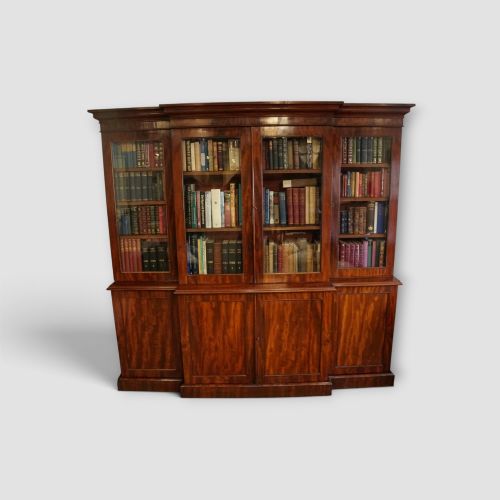
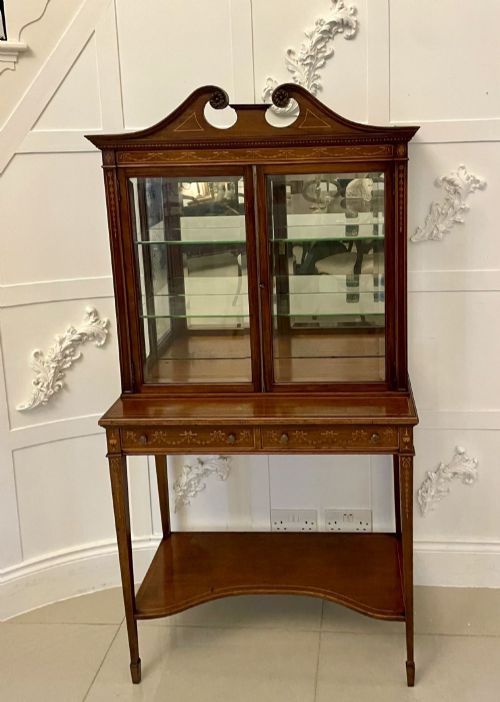
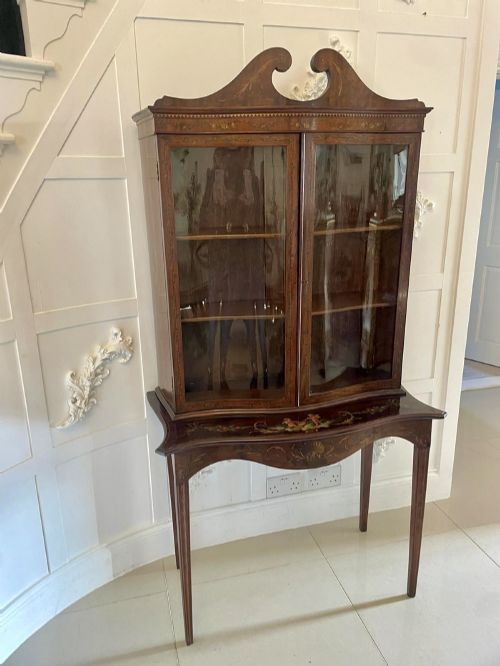
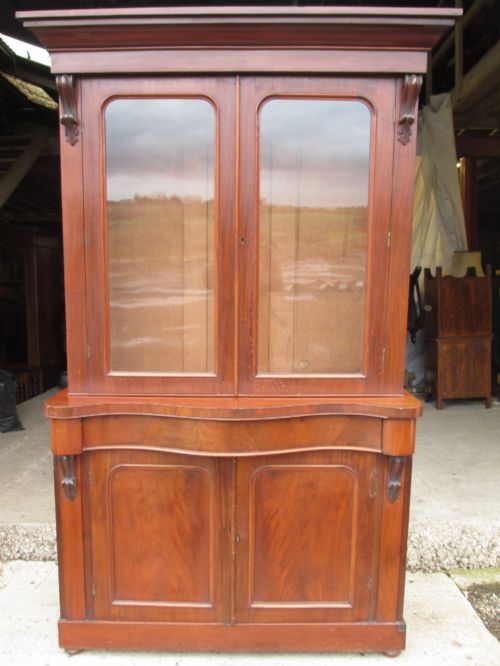
Victorian Bookcase with Cupboard
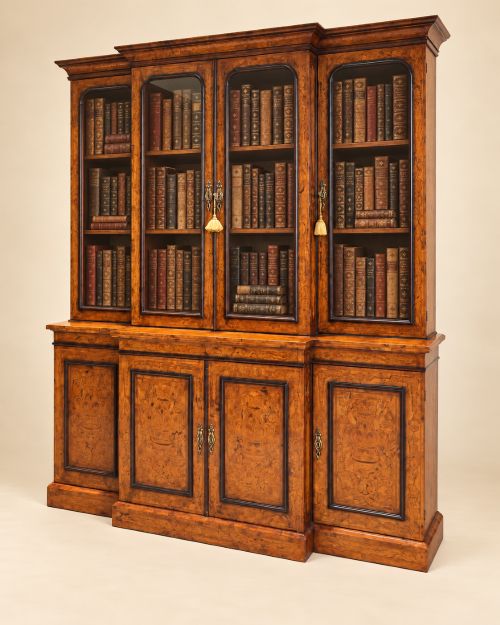
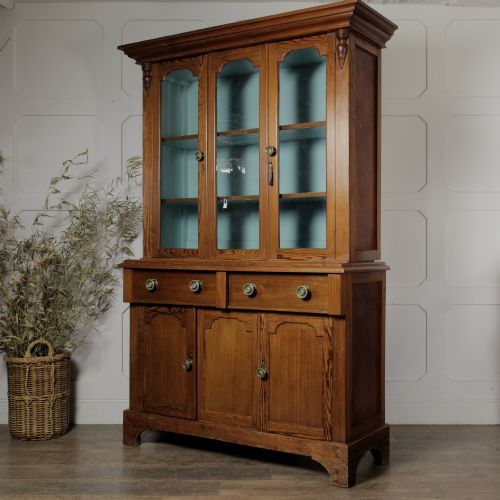
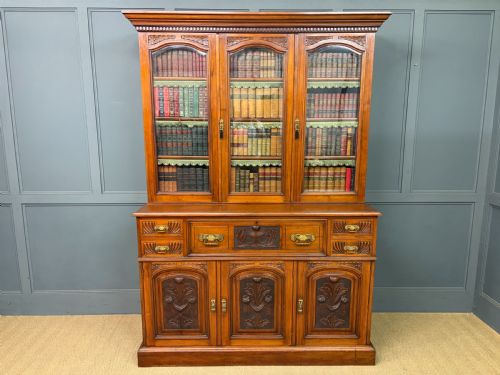
A victorian bookcase with cupboard combines upper display shelving with lower concealed storage, offering a practical anchor for any room.
Victorian Bookcase with Cupboard
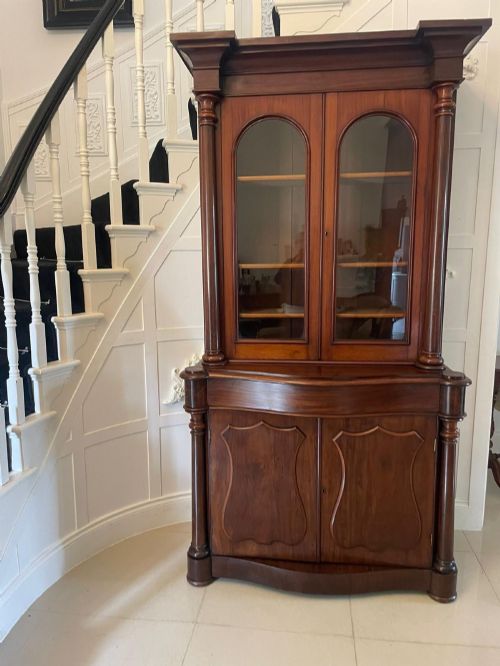
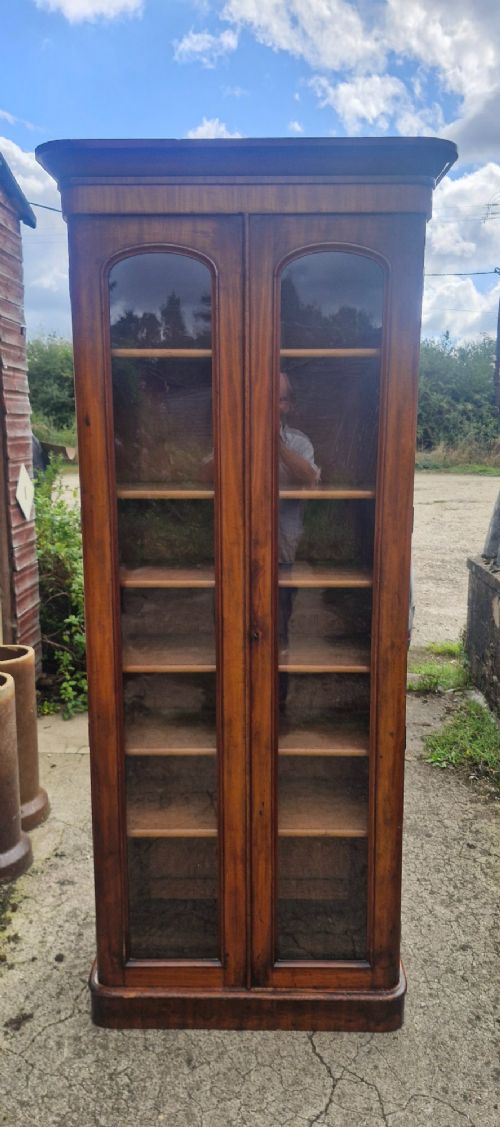
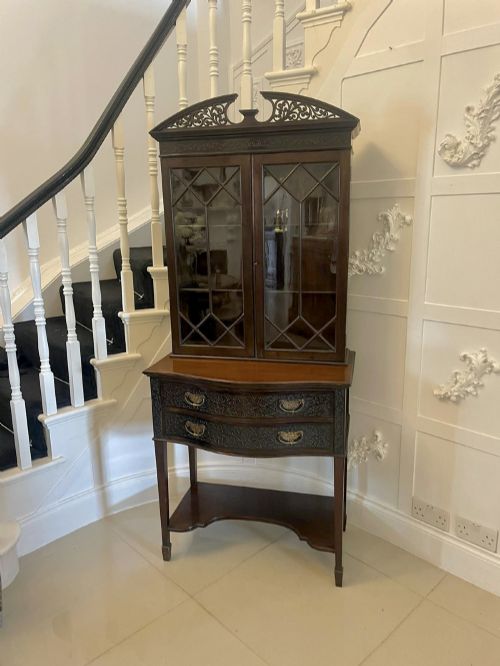
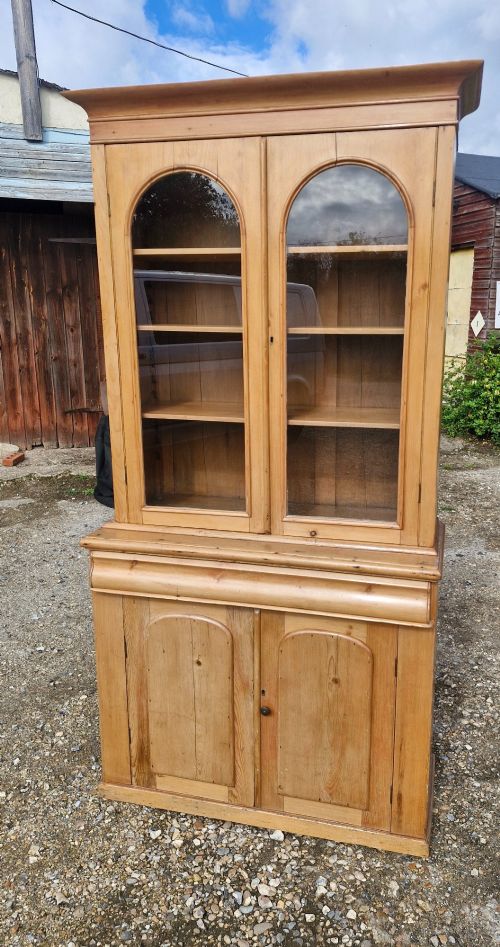
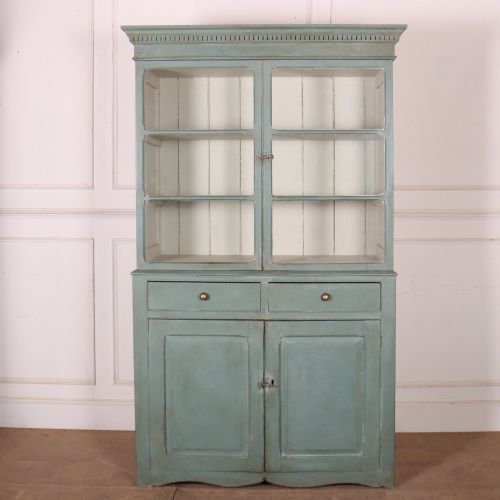
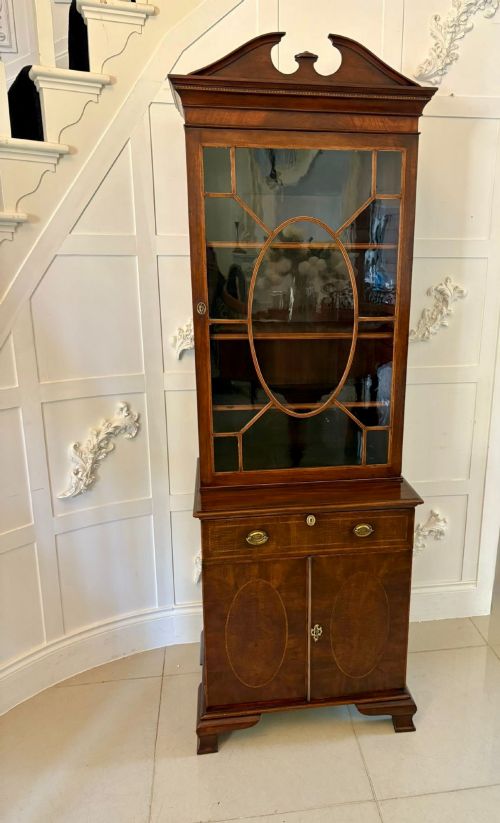
A victorian bookcase with cupboard typically pairs glazed or open upper shelving with a solid wooden base enclosed by doors. These pieces serve to house libraries while hiding clutter behind lower panels.
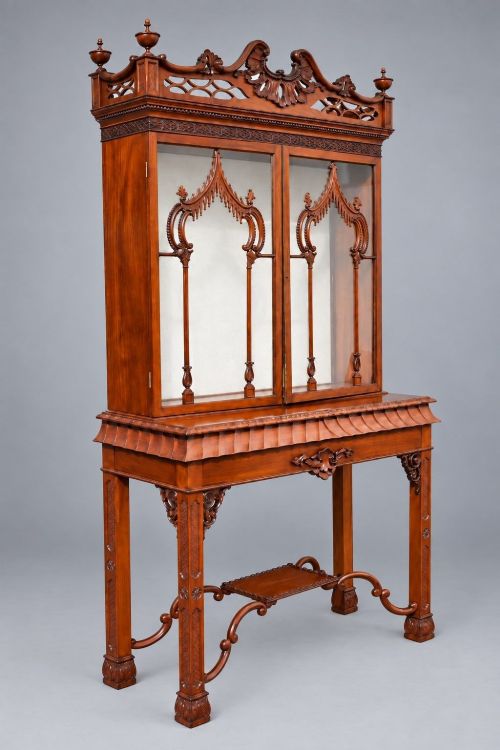
The selections span standard upright cabinets to monumental library pieces, alongside regional variations in pine, oak, and mahogany. Most examples date from the nineteenth century, drawing on Victorian, Gothic Revival, and occasional earlier design influences.
Lower cupboards often feature adjustable internal shelves, drawers, or simple cavity storage, while upper sections provide space for books and display objects.
Materials and construction methods
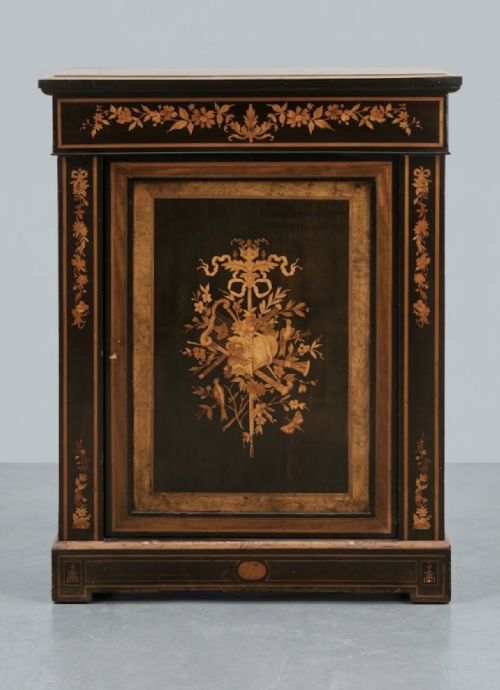
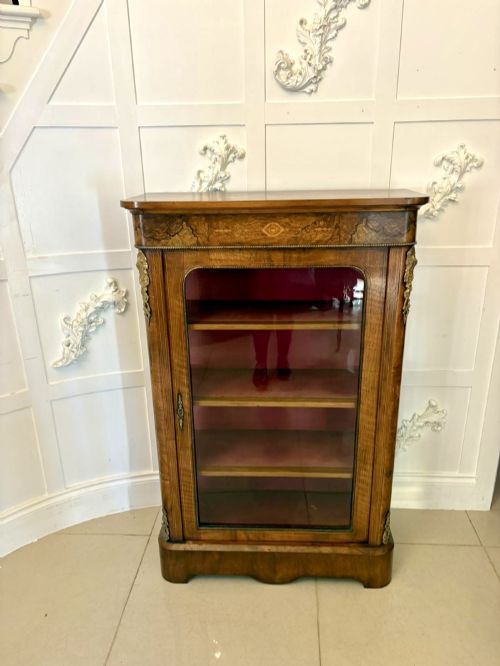
Cabinet makers relied heavily on timber species such as mahogany, walnut, oak, and pine, frequently applying figured mahogany or burr walnut veneers to primary surfaces. Brass hardware, ormolu mounts, and glass panels complete the structural composition.
Construction techniques involve sturdy joinery, hand-carved details, and marquetry inlay on finer pieces. Many examples incorporate adjustable wooden shelving supported by traditional ratchets or pin systems.
The site listings feature cabinets constructed from mahogany, walnut, oak, pine, and maple, spanning the Georgian and Victorian periods.
Judging quality and finish
Quality rests in timber selection, evident in deeply figured grain patterns, matched veneers, and substantial secondary woods. Superior craftsmanship shows in crisply carved ornamentation and tightly fitted doors.
Plain pine versions reflect utilitarian country workshops, whereas figured walnut and mahogany examples with ormolu mounts indicate urban cabinet makers aiming at formal interiors.
Robert Strahan·Druce & Co
The Victorian Bookcase with Cupboard Glossary
- Glazed
- Fitted with glass panels in the doors to display books while protecting them from dust. This treatment defines the upper sections of most traditional library cabinets.
- Chiffonier
- A low sideboard or cabinet, often equipped with enclosed storage below a shelf or drawer tier. These compact pieces frequently share design traits with larger library furniture.
- Ormolu
- Gilt bronze ornamentation applied to furniture surfaces. It appears on high-end Victorian walnut and mahogany pieces to accent corners and mounts.
- Marquetry
- Inlaid wood veneers forming decorative patterns or pictorial scenes. Craftsmen utilise contrasting timbers to create these intricate surface designs.
- Waterfall bookcase
- A stepped shelving unit where each tier recedes from the one below. These pieces present an open profile distinct from traditional enclosed cabinets.
Victorian Bookcase with Cupboard: Frequently Asked Questions
How do I adjust the shelves?
Most nineteenth-century library cabinets use wooden ratchets, side slots, or metal pins to hold the timber shelves at varying heights. You simply lift each shelf slightly to disengage it from the support system.
Take care when shifting older boards, as shrinkage can make them tight within the carcass rebate.
Are the upper and lower sections separate?
Larger library pieces usually divide into two distinct modules: an upper glazed shelving unit and a lower cupboard base. This two-piece construction made transport through narrow Victorian doorways feasible.
Smaller cabinets and chiffoniers are typically built as a single unified carcase that cannot be split apart.
How do I care for polished mahogany?
Maintain polished mahogany surfaces by dusting regularly with a soft, dry cloth. Avoid placing timber furniture near direct heat sources or strong sunlight, which causes veneer to dry and lift.
Apply traditional wax sparingly to nourish the grain and preserve the historic sheen without building up sticky residue.
What is burr walnut?
Burr walnut refers to timber taken from the gnarled growth points of a walnut tree. It yields highly figured, swirling grain patterns prized by nineteenth-century cabinet makers.
This material was typically sliced into thin veneers and applied to the primary display surfaces of high-status furniture.