

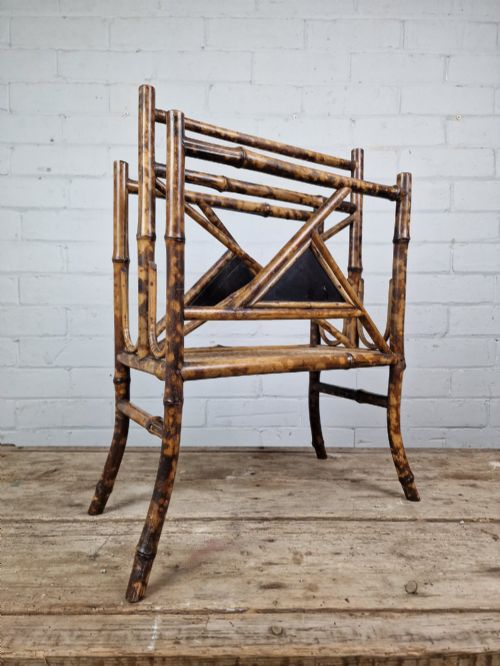
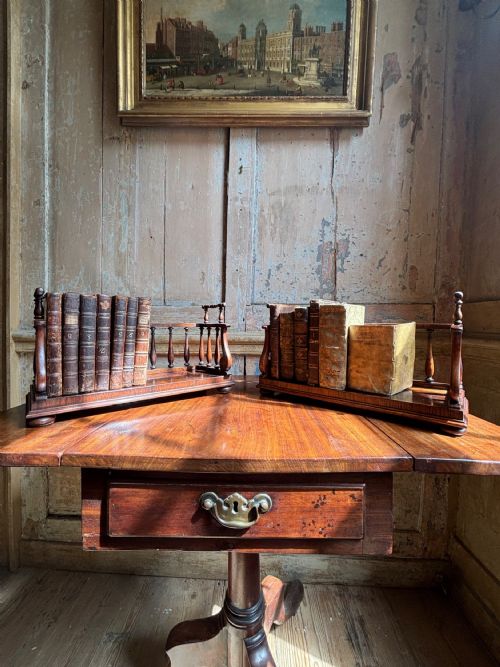
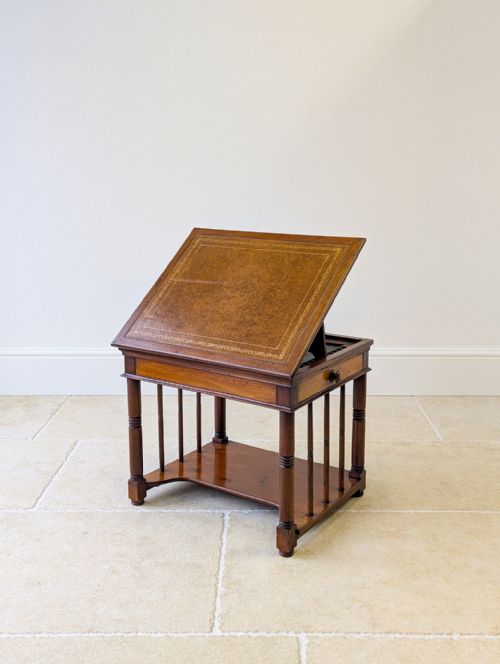


Victorian Book Trough
A Victorian book trough organises your volumes with nineteenth-century utility and craftsmanship.
Victorian Book Trough
A Victorian book trough serves as a desktop or table repository for holding working volumes close at hand. These accessories appear across nineteenth-century domestic and library spaces, functioning as both static troughs and adjustable slides.
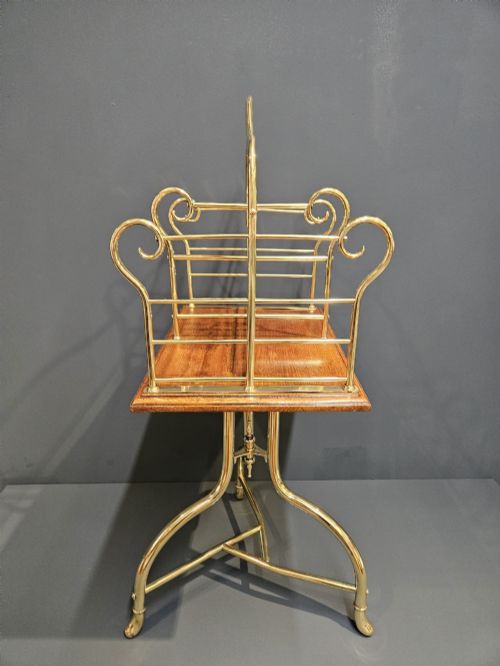
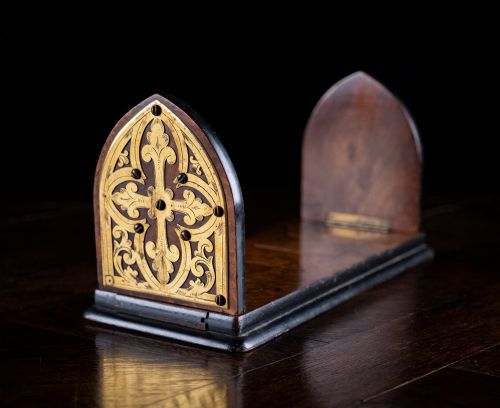
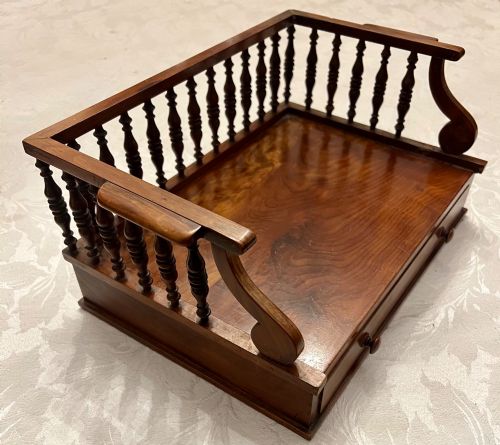
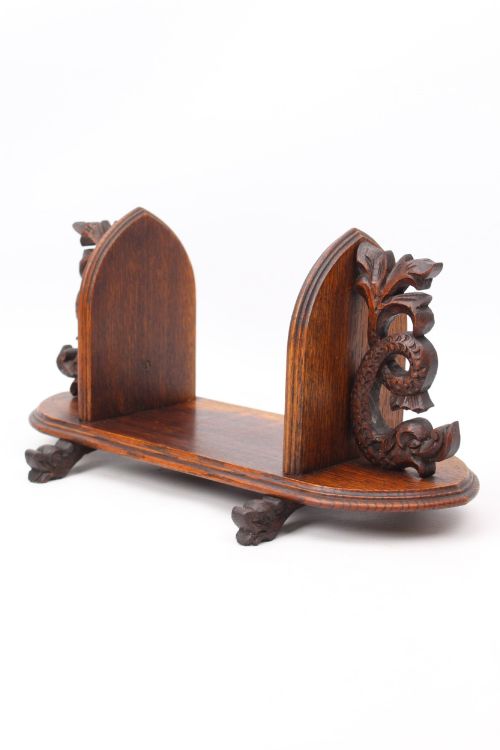
The pieces on this page span the Victorian era, including late nineteenth-century examples and items labelled by style such as Victorian Gothic and Sheraton Revival. Common forms include extending book rests, book slides, novel rests, and library book troughs.
Makers utilised various secondary functions, occasionally pairing the trough format with a church prayer kneeler or small bookcase. Buyers frequently encounter simple desk accessories alongside larger country house library rests.
Materials and construction
Craftsmen built these pieces from a diverse selection of timbers, including rosewood, ebony, coromandel, satinwood, apple wood, walnut, satin walnut, oak, mahogany, and ebonised wood. Some items feature painted decoration or pokerwork details.
Metal components appear frequently, incorporating brass for structural support and decorative effect. Selected examples integrate bone details to enhance the wooden framework.
Victorian Book Trough Retail Price Guide 2026
Typical asking prices for victorian book trough among the pieces listed under this phrase on Sellingantiques today, from the lower quarter to the upper quarter. They describe what is for sale here now, not the wider market.
Selected nineteenth-century readers entrusted their novels to troughs embellished with burnt pokerwork.
Assessing quality and finish
Quality rests upon the selection of timbers and the integration of decorative elements like brass mountings or bone inlay. Exotic hardwoods such as coromandel and ebony signal a finer class of desk accessory than standard utility pieces.
The sophistication of the mechanism in extending slides or troughs determines the refinement of the piece. Robust simplicity suits practical library use, while intricate carving and painted satinwood reflect higher decorative ambitions.
The Victorian Book Trough Glossary
- Book slide
- An extendable desktop rack designed to hold a varying number of volumes securely between two upright ends. These items lengthen or shorten as the collection changes.
- Novel rest
- A specific nineteenth-century term for a small desktop book trough intended for current reading material. They often sat on occasional tables in the drawing room.
- Ebonised wood
- Timber treated with a dark stain or finish to imitate expensive ebony. This technique was popular for nineteenth-century decorative pieces.
- Coromandel
- A dense, heavily figured Southeast Asian hardwood with dark brown and black streaks. Nineteenth-century cabinet makers utilised it for luxury desk accessories.
- Pokerwork
- A decorative technique using a heated metal point to burn designs into wood. Victorian examples display this folk art on smaller items like novel rests.
Victorian Book Trough: Frequently Asked Questions
What is a Victorian book trough?
A Victorian book trough is a desktop or table accessory designed to hold a selection of books upright. These pieces served readers in studies, libraries, and sitting rooms.
Craftsmen built them in various sizes, from compact novel rests to large library troughs. Many feature extending mechanisms to accommodate growing rows of volumes.
How were these book troughs used?
Users placed these troughs on desks, tables, or bookcases to keep active reading volumes accessible. They kept heavy books orderly without requiring a full wall bookcase.
Some specialised forms doubled as prayer kneelers or incorporated book slides for adjustable storage. Their primary role was functional organisation within nineteenth-century rooms.
What woods will I find?
Makers employed a wide variety of timbers depending on the intended quality and style of the piece. Common materials include mahogany, oak, walnut, rosewood, and ebonised wood.
Finer examples utilise exotic woods such as coromandel, ebony, and satinwood. Metal mounts in brass frequently accent these wooden structures.
How do I date a book trough?
Dating relies on stylistic markers, construction methods, and timber choices recorded across the nineteenth century. Pieces range from mid-nineteenth-century rosewood racks to late Victorian satinwood stands.
Design influences such as Victorian Gothic or Sheraton Revival offer further clues to the period of manufacture. Many items date broadly to the Victorian era or around nineteen hundred.