



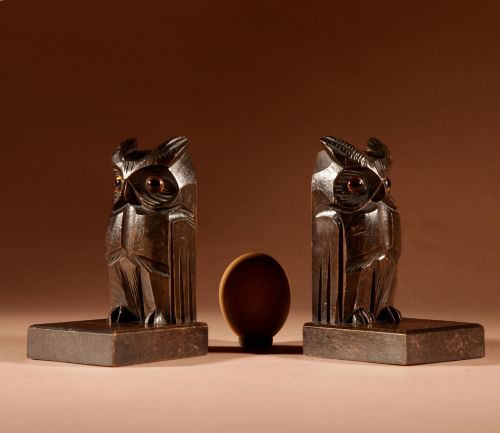


Carved Wooden Bookends
Carved wooden bookends are heavy timber supports shaped by hand to keep shelves tidy, offering character and utility to any room.
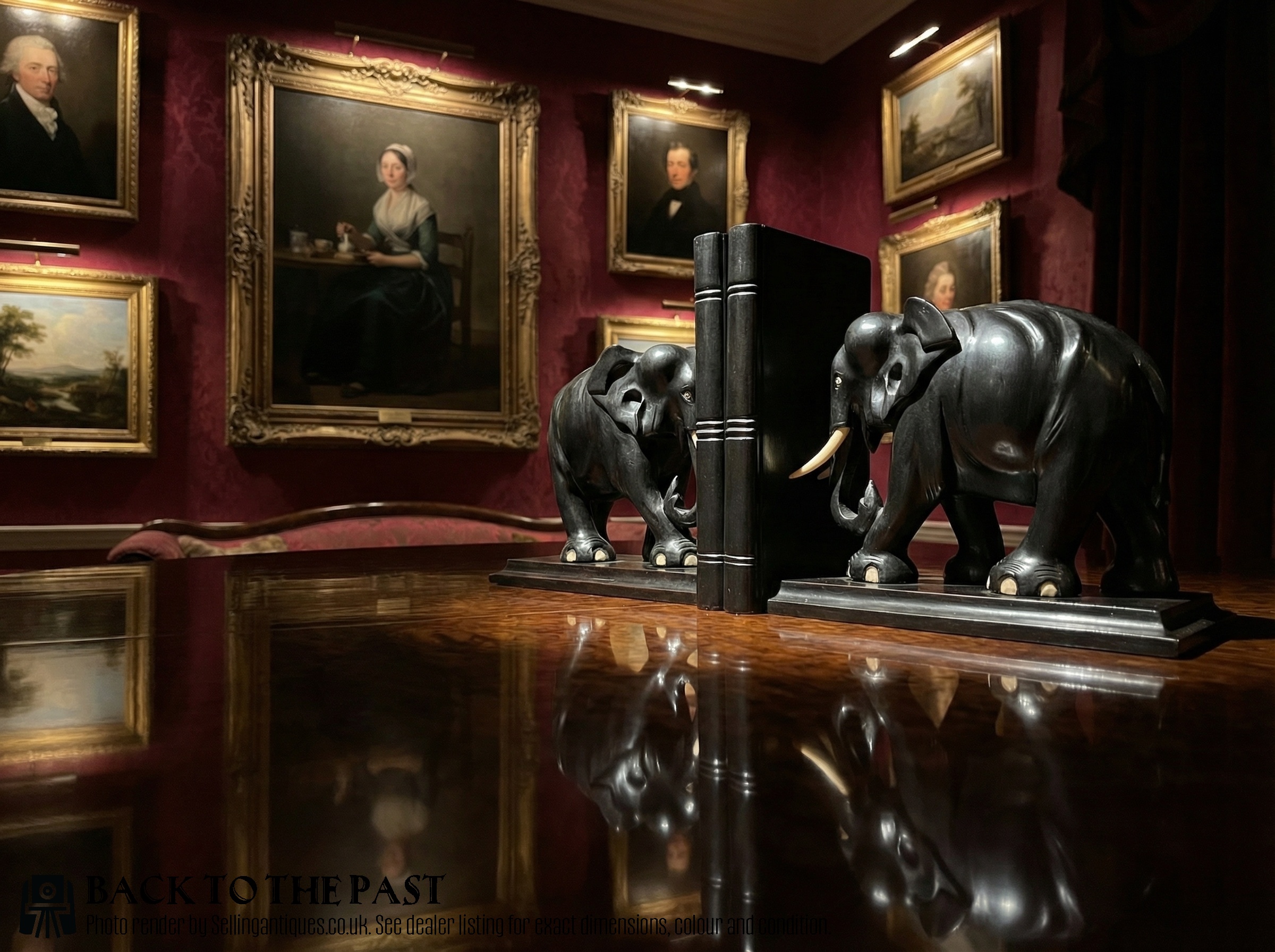
Carved Wooden Bookends
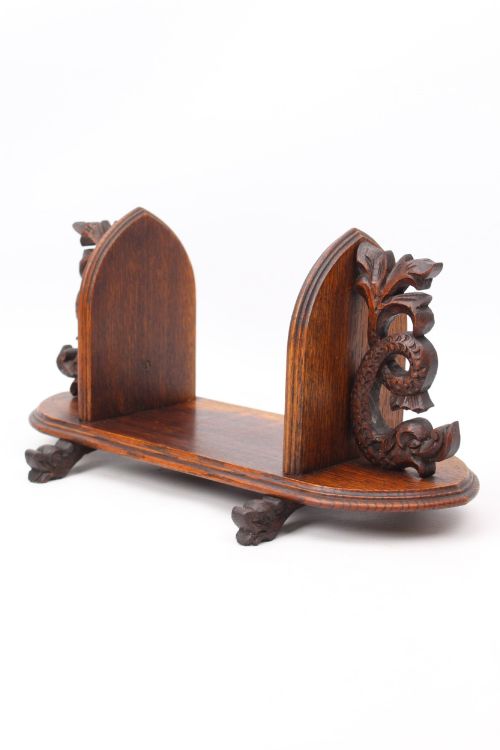
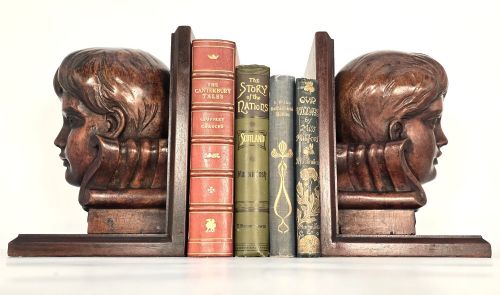
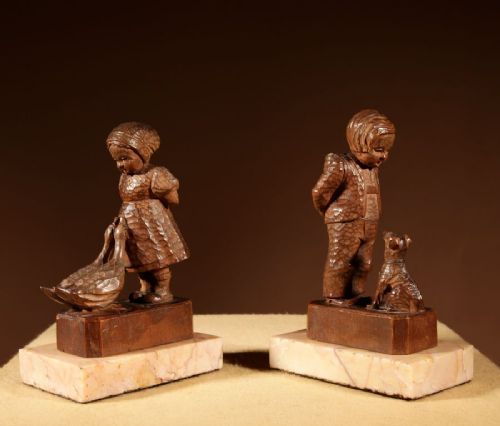
Carved wooden bookends are functional shelf supports fashioned from various timbers, designed to hold volumes upright while adding sculptural interest to a room. When you search for carved wooden bookends, you encounter pairs shaped into animals, literary figures, and sporting motifs from the Victorian era up to the nineteen-thirties.
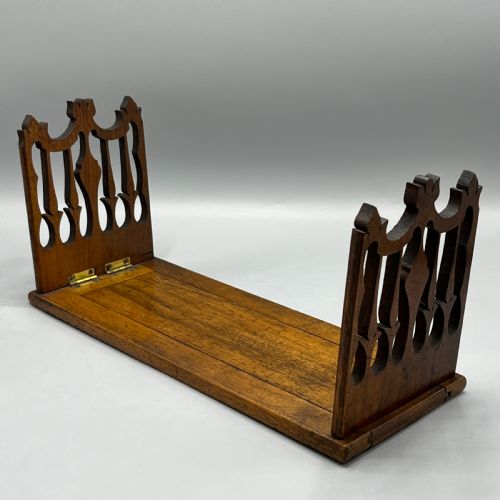
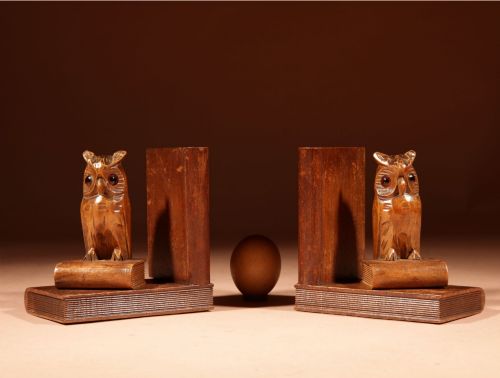
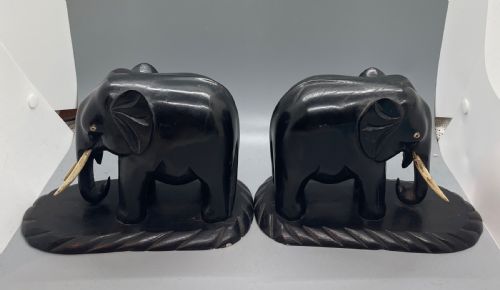
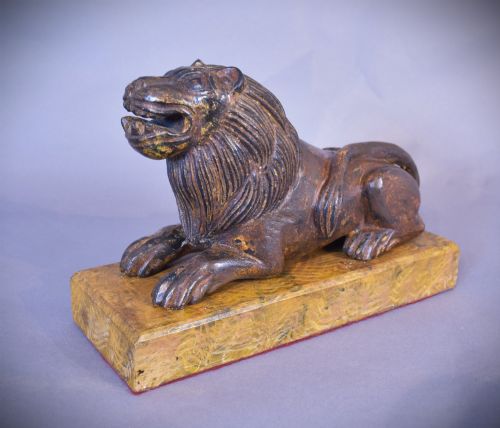
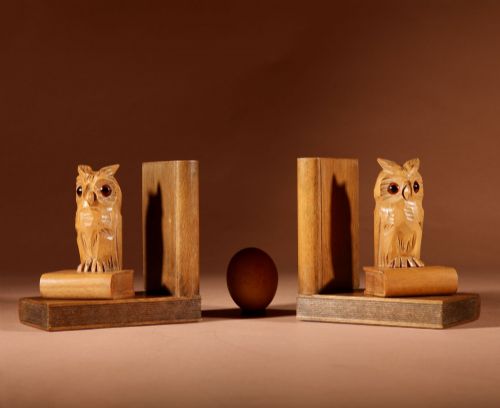
The selection ranges from traditional extending book slides to heavy individual pairs carved from linden wood, oak, and ebony. Animal figures such as owls, elephants, dogs, and birds dominate the pieces recorded on this site.
Origin styles span Black Forest carving, Anglo-Indian colonial work, folk art, and vintage sporting themes. Pieces emerge from periods including the Victorian age, nineteen-hundred, nineteen-twenty, and nineteen-thirty.
How they were made
Some examples incorporate contrasting materials, pairing carved wood with glass eyes or bone details to heighten realism. Certain pieces receive painted finishes or dark ebonisation to mimic costlier materials like jet or exotic hardwoods.
Carved Wooden Bookends Retail Price Guide 2026
Typical asking prices for carved wooden bookends among the pieces listed under this phrase on Sellingantiques today, from the lower quarter to the upper quarter. They describe what is for sale here now, not the wider market.
Recorded periods span the Victorian era, nineteen-hundred, nineteen-twenty, and nineteen-thirty.
What varies in quality
The distinction between ordinary and superior pieces lies entirely in the depth and sensitivity of the carving. Master carvers render anatomy and expression with sharp, confident strokes that bring subjects like owls and elephants to life.
Subtle details such as the grain selection of the wood and the stability of the extending mechanisms separate standard workshop output from finer studio pieces. Weight also matters, as denser timbers provide the mass required to support heavy volumes effectively.
Thornton Smith Co.
The Carved Wooden Bookends Glossary
- Book slide
- An extending wooden stand with adjustable ends designed to hold a row of volumes together on a desk or shelf. These often feature folding sides and brass fittings.
- Black Forest
- A style of wood carving originating from the mountain region of central Europe, known for realistic animal subjects rendered with deep relief. Owls and bears appear frequently in this tradition.
- Ebonised
- Wood treated with a dark stain or finish to imitate genuine ebony. This technique was popular in Victorian workshops for creating dramatic contrast.
- Linden wood
- A pale, fine-grained timber favoured by traditional carvers because it cuts cleanly in any direction without splitting. It allows for intricate detail in figurative works.
Carved Wooden Bookends: Frequently Asked Questions
How do I date these bookends?
Dating relies on stylistic clues, timber choice, and mechanical fittings where present. Victorian examples often feature ebonised finishes, while nineteen-thirty pieces show streamlined art deco influences.
Evidence from past sales and current listings points to distinct periods spanning the nineteenth century through the interwar years. Comparing the carving style with known period motifs confirms the era of production.
Are wooden bookends heavy enough?
Solid timber naturally provides substantial weight to keep standard volumes secure. Dense woods like ebony and oak offer extra stability.
Heavier pairs easily manage large rows of books without sliding. Lighter carved pairs often rely on wide wooden bases for added balance.
What woods were used most often?
Makers utilised linden wood, oak, and ebony across various workshops. Linden wood allowed for detailed figurative carving, while ebony provided a heavy, dark finish.
Some pieces feature ebonised wood to achieve a similar dark appearance. Metal components occasionally reinforced the wooden structures.
How should I clean carved wood?
Dust surfaces gently with a soft, dry brush to protect delicate carved details. Avoid liquid cleaners that can damage aged timber finishes.
Keeping pieces away from direct sunlight prevents the wood from drying out. Occasional treatment with suitable wax helps preserve the natural grain.