

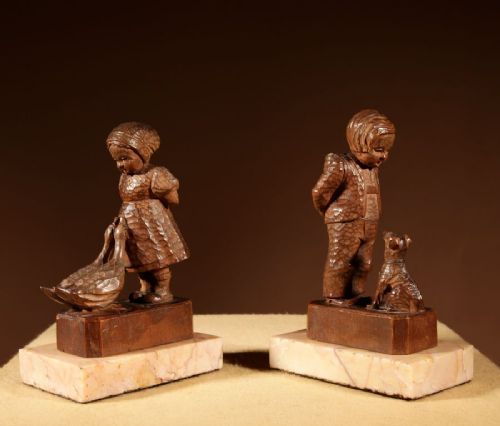
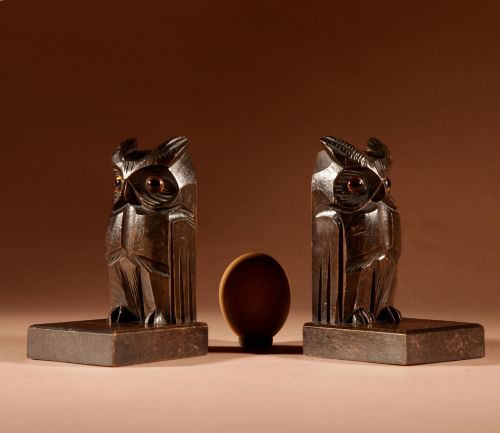


Carved Timber Bookends
Carved timber bookends anchor a library shelf with sculptural mass and solid weight, offering both utility and character.
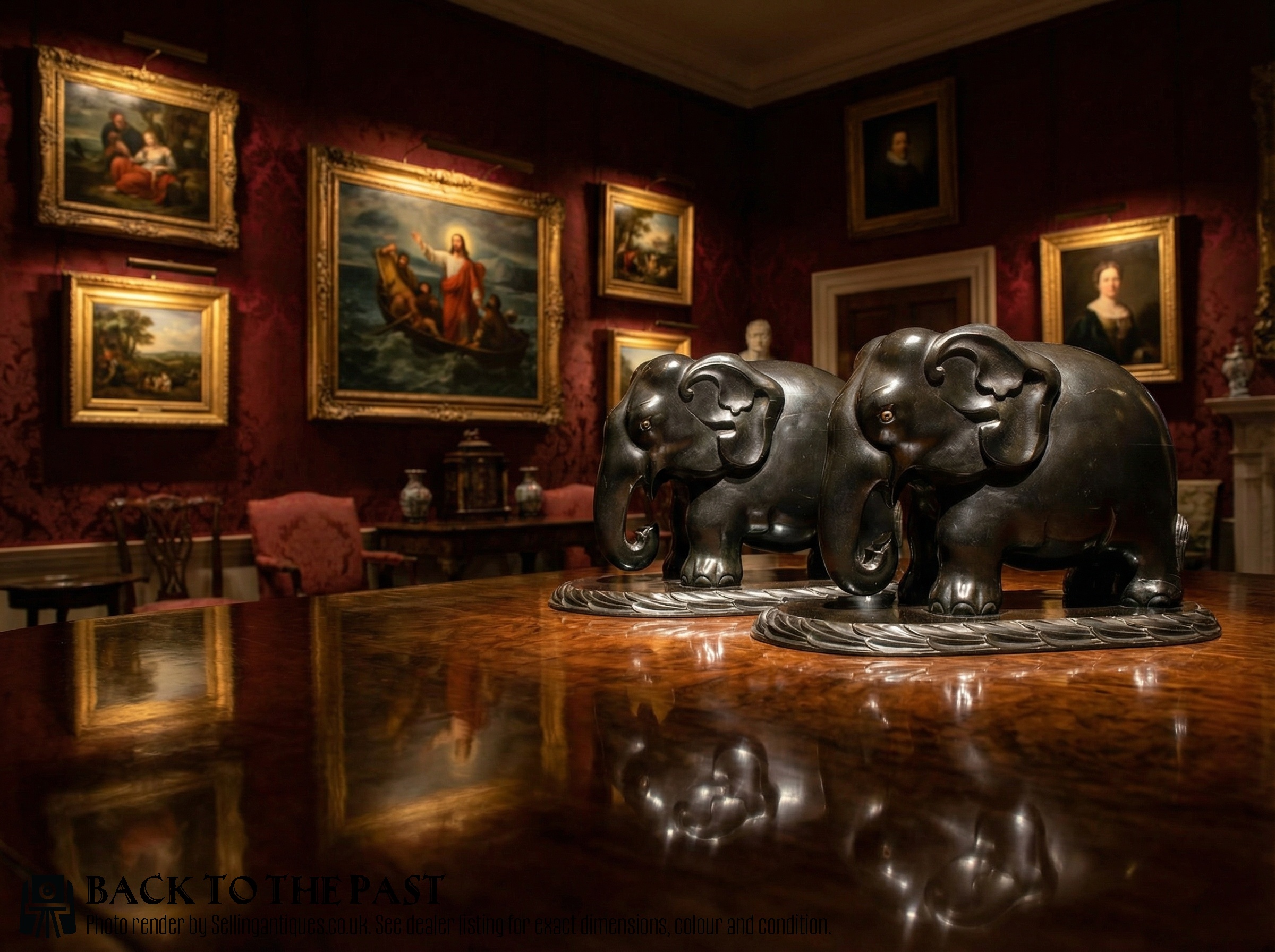
Carved Timber Bookends
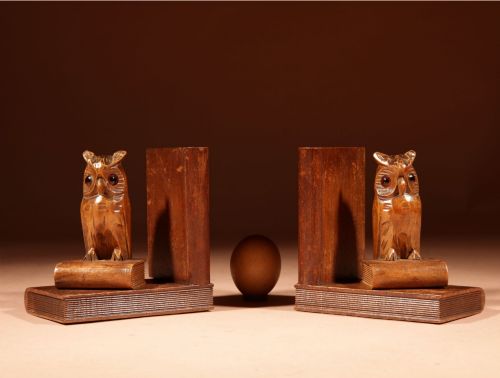
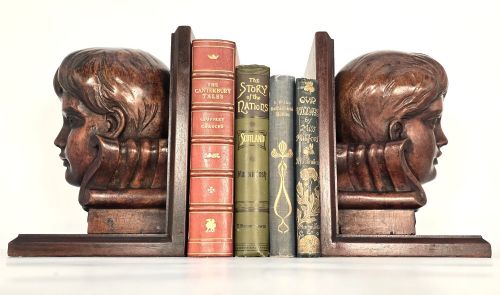
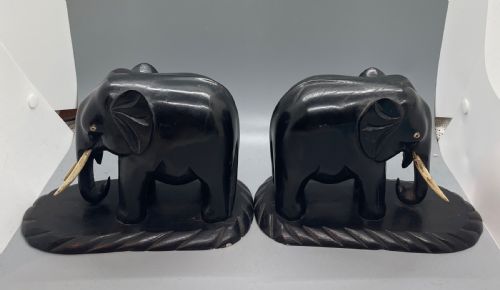
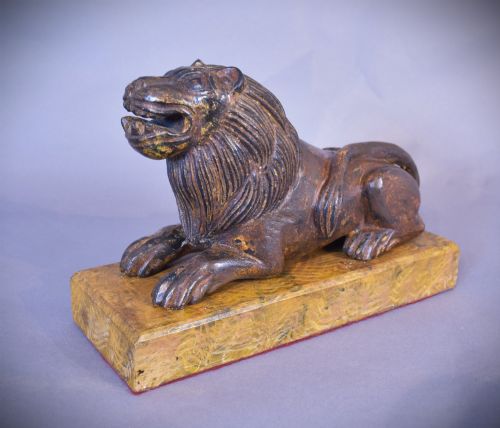
Carved timber bookends span utilitarian shelf supports and sculptural ornaments, often depicting animals or architectural forms. When exploring carved timber bookends, buyers encounter pairs shaped as elephants, bears, dogs, and ecclesiastical motifs.
The pieces on this page originate from distinct eras including the Victorian period and the Art Deco decades. Makers utilised woods such as mahogany, ebony, linden wood, beech, and general hardwood.
Regional workshops produced diverse aesthetics, ranging from Black Forest carving traditions to Anglo-Indian colonial styles and European folk art. These regional characteristics define the visual identity of each pair.
How they were made
Artisans carved these objects from dense timbers like ebony, mahogany, and beech, sometimes incorporating bone details. Hand-working techniques allowed craftsmen to shape intricate fur, folds, and architectural panels directly from solid blocks of wood.
Different regional workshops employed specialised carving methods, from the naturalistic depth found in Black Forest bear sculptures to the geometric precision of Art Deco hardwood figures and the pierced ornamentation of Anglo-Indian pieces.
Carved Timber Bookends Retail Price Guide 2026
Typical asking prices for carved timber bookends among the pieces listed under this phrase on Sellingantiques today, from the lower quarter to the upper quarter. They describe what is for sale here now, not the wider market.
The displayed items represent periods from the Victorian era through the Art Deco movement.
What varies in quality
Quality rests in the depth and vitality of the carving itself, distinguishing lively animal forms and crisp architectural details from flat or perfunctory execution. The choice of timber also dictates quality, with heavy, figured hardwoods and dense exotic woods holding sharper detail over generations.
Signed works by known sculptors elevate a pair beyond standard decorative items into the realm of fine art. The integration of complementary materials, such as bone inlays, further separates ordinary production from superior craftsmanship.
The Carved Timber Bookends Glossary
- Black Forest
- A style of wood carving originating in the Swiss and German mountain regions. These pieces frequently depict bears and other wildlife with realistic textures.
- Anglo-Indian
- Furniture and decorative objects made in the Indian subcontinent during the British colonial period. They often feature dense botanical or geometric carving on native timbers.
- Ecclesiastical
- Design elements derived from church architecture and furnishings. In bookends, this manifests as pointed arches and Gothic tracery.
- Linden wood
- A pale, fine-grained timber favoured by traditional carvers because it resists splitting and takes intricate detail smoothly.
Carved Timber Bookends: Frequently Asked Questions
How do I date carved wooden bookends?
Dating relies on stylistic clues, timber choice, and construction methods. Art Deco pairs often use streamlined geometry or exotic hardwoods, whereas Victorian examples lean towards Gothic revival or heavy ecclesiastical styling.
Examine the base and underside for tool marks or wear patterns. Period pieces exhibit age-appropriate patination in the timber rather than modern chemical stains.
Are these bookends heavy enough for large books?
Most solid hardwood and ebony pairs possess sufficient natural mass to support standard volumes. Dense timbers provide the necessary friction and weight against a shelf.
Larger folios or heavy art books may require the deepest wooden bases. Check the footprint and material density before placing oversized library volumes.
How should I clean antique timber bookends?
Dust the carved recesses regularly with a soft, dry brush to prevent dirt accumulation. Avoid modern liquid polishes that build up sticky residues in the carved crevices.
Feed dry timber occasionally with an appropriate microcrystalline wax to preserve the finish. Keep them away from direct sunlight and radiators to prevent wood splitting.
What is the difference between Black Forest and Anglo-Indian styles?
Black Forest carvings originate from European mountain traditions and focus heavily on naturalistic animals, particularly bears with glass eyes. The timber is typically linden or walnut.
Anglo-Indian pieces utilise dense tropical hardwoods like beech or ebony, featuring intricate pierced foliage and colonial architectural motifs. The carving techniques reflect distinct regional heritage.