






Decorative Desk Bookends
These decorative desk bookends are functional sculptures that hold your volumes upright while dressing a surface.
Decorative Desk Bookends
Decorative desk bookends appear in forms shaped by the Art Deco aesthetic of the nineteen-thirties, alongside Victorian and nineteen-twenties examples. These pieces support books on a workspace or shelf while introducing sculptural subjects to the room.
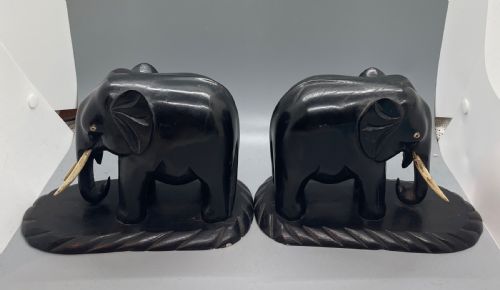
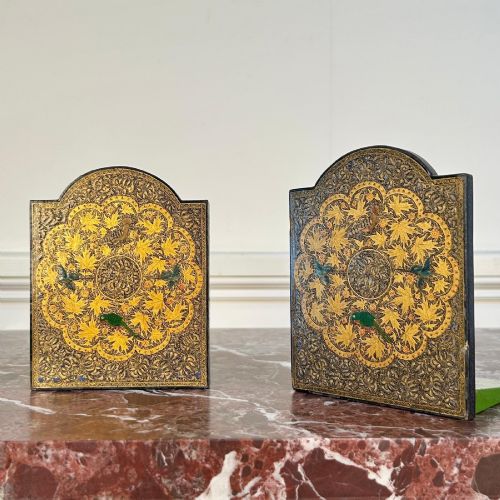
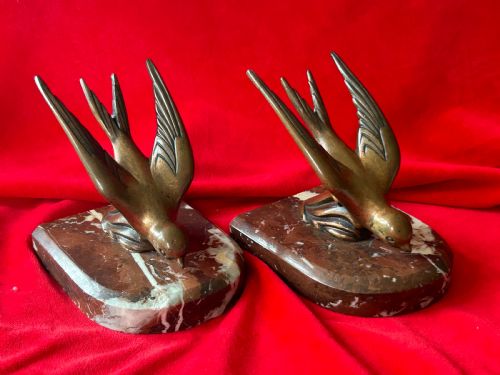
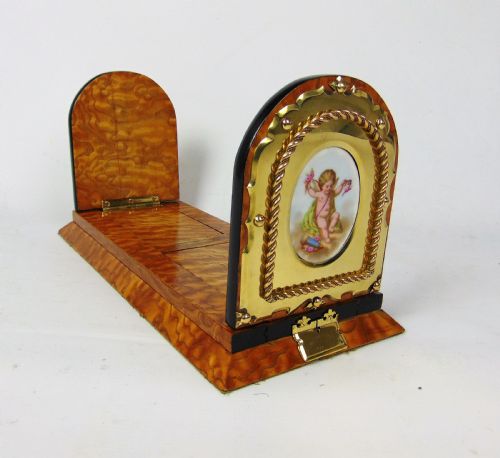
The selections available here include animal subjects such as elephants and squirrels cast in bronze, carved from ebony, or fashioned from marble. Other variations encompass ornate Anglo-Indian beech book rests originating from the Victorian era.
How they were made
Makers utilised a range of dense natural materials and metals, combining hardwoods like beech and ebony with bone accents, cast spelter or bronze, and polished marble bases. These substances provided the necessary weight to secure rows of books without tipping.
Artisans employed carving techniques for organic wood and bone subjects, alongside metal casting methods for bronze and spelter figures. Stone components were shaped and polished to create solid, weighted foundations for the sculptural elements.
Decorative Desk Bookends Retail Price Guide 2026
Typical asking prices for decorative desk bookends among the pieces listed under this phrase on Sellingantiques today, from the lower quarter to the upper quarter. They describe what is for sale here now, not the wider market.
Current listings feature materials including ebony, bone, marble, hardwood, spelter, beech and bronze across Victorian and Art Deco periods.
What varies in quality
Quality rests in the precision of the carving and the fidelity of the metal casting, where finer pieces display sharp anatomical details in subjects like elephants and squirrels. The choice of materials also dictates the grade, with heavy solid marble and dense ebony representing more substantial craftsmanship than lighter woods.
The integration between the sculptural subject and the base reveals the maker's hand, distinguishing standard utilitarian supports from refined decorative objects. Harmonious pairing of materials, such as contrasting bone details on dark wood, elevates the visual presence of the piece.
The Decorative Desk Bookends Glossary
- Art Deco
- A design style emerging in the nineteen-twenties and nineteen-thirties characterised by stylised geometric forms and streamlined shapes. This aesthetic heavily influences the animal bookends of the period.
- Spelter
- A zinc alloy commonly utilised as a less costly alternative to bronze for decorative metal figures. It accepts patination well to resemble heavier metals.
- Anglo-Indian
- Descriptive of items produced in the Indian subcontinent during the British colonial period, often featuring intricate native woodcarving traditions applied to European furniture forms.
- Patina
- The surface sheen and colour acquired by materials like bronze, wood and marble through age and handling. A rich patina indicates long-term integration with an interior environment.
Decorative Desk Bookends: Frequently Asked Questions
How do I style bookends on a desk?
Place a pair at the outer edges of a modest row of volumes to anchor them securely against the workspace surface. This arrangement keeps reference books accessible while adding a sculptural focal point.
Ensure the weight of the bookends matches the heft of the books they support to maintain stability. Heavier stone or metal versions suit larger volumes effectively.
What periods do these bookends represent?
The pieces span from the Victorian era through the nineteen-twenties and nineteen-thirties Art Deco period. Each era brings distinct materials and sculptural sensibilities to the workspace.
Nineteenth-century examples often lean towards ornate carved wood, whereas nineteen-thirties pieces favour stylised animals in marble and bronze.
How do I clean ebony and beech bookends?
Dust wooden surfaces gently with a soft, dry cloth to prevent the accumulation of grit within carved details. Avoid excessive moisture, which can damage the polish of aged hardwoods.
Natural waxes applied sparingly can help maintain the lustre of ebony and beech over time without dulling the grain.
Can bronze bookends support heavy volumes?
Bronze and spelter versions possess considerable intrinsic weight that makes them well-suited for holding large rows of books steady. Their metal composition provides a reliable anchor on desks and shelves.
Heavier subjects paired with marble bases offer additional stability for demanding library tasks.