




Antique Book Trough Table
An antique book trough table combines a sturdy surface with built-in book storage, offering a practical solution for keeping reading material close at hand.

Antique Book Trough Table
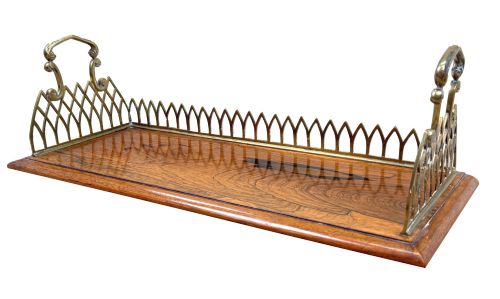
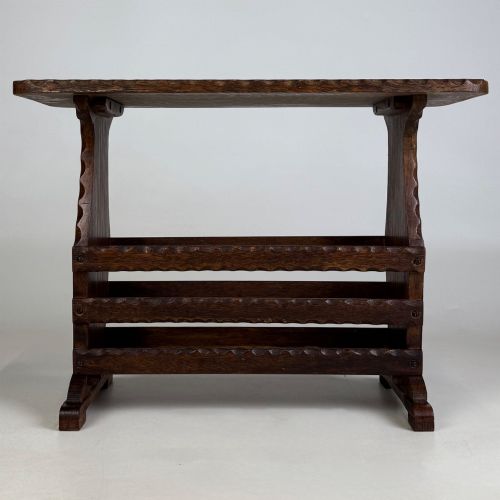
An antique book trough table integrates an open receptacle for volumes directly into a functional piece of occasional furniture. These hybrid items serve as side tables or reading tables, placing texts within arm's reach while providing a top surface for lamps or ornaments.
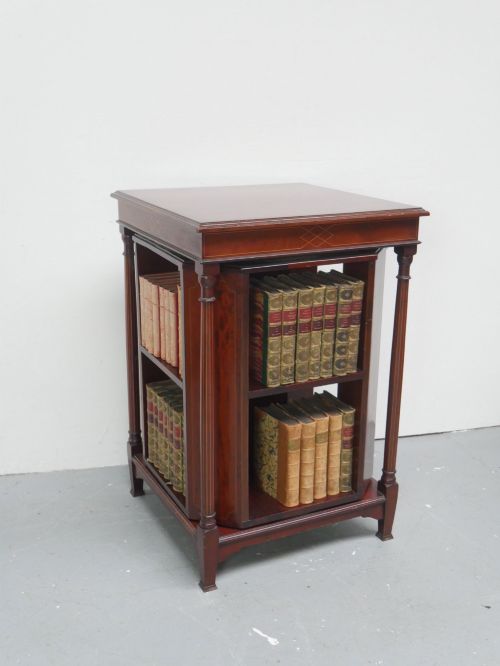
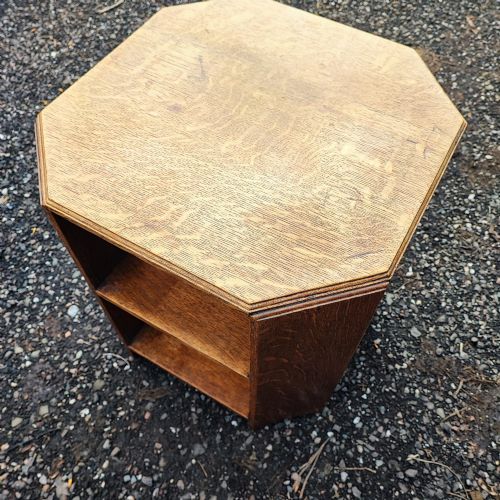
The pieces appearing on this page span from the nineteenth century into the early twentieth century. Common forms include Edwardian library tables with integrated bookcases, revolving book tables, and side tables fitted with troughs or shelves.
Makers and manufacturers during these periods utilised various styles, ranging from Victorian and Edwardian aesthetics to Sheraton Revival and Art Deco designs. Buyers frequently encounter library chairside reading tables and occasional tables featuring built-in storage compartments.
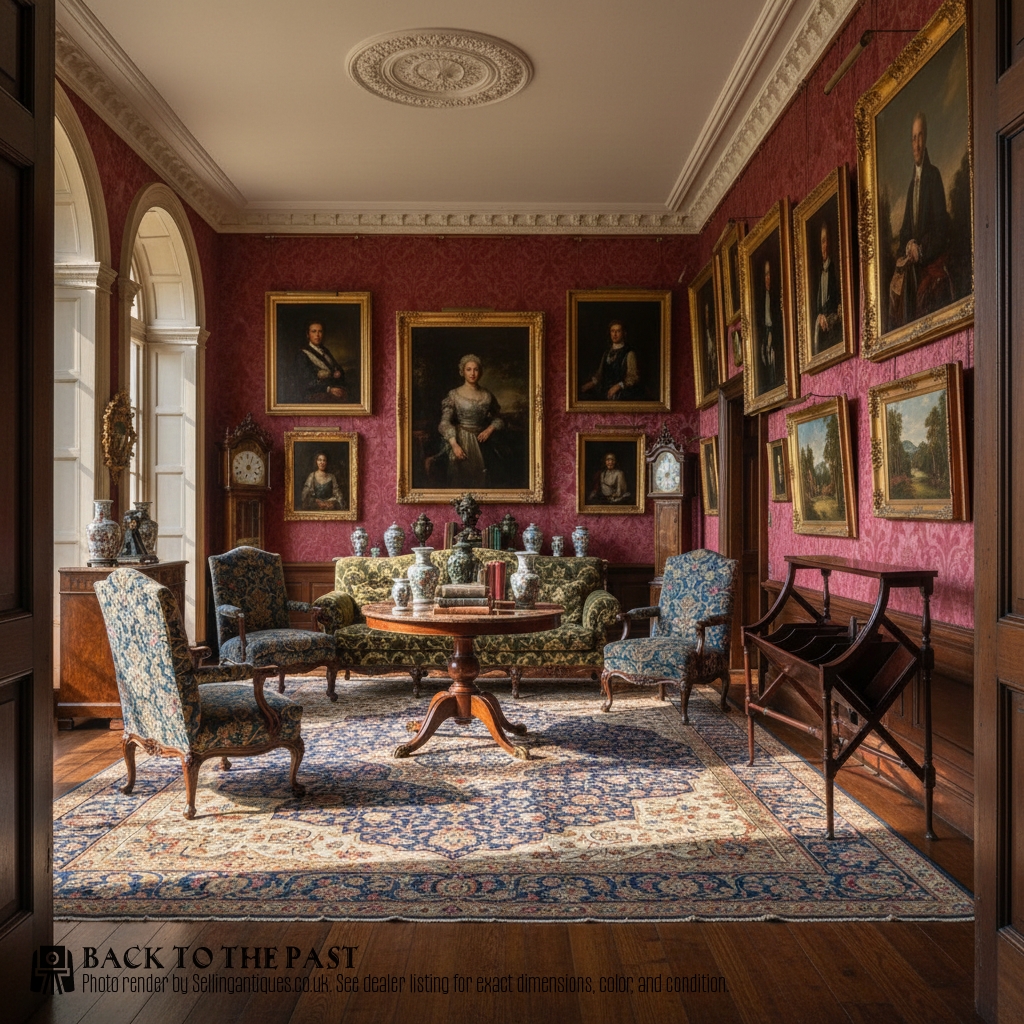
Materials and construction methods
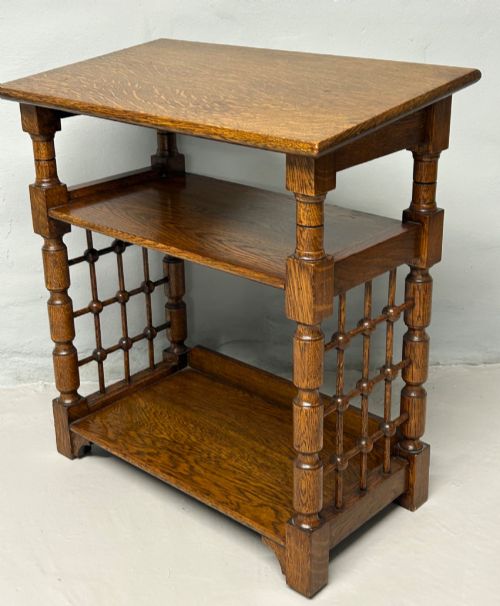
Cabinet makers relied heavily on timber species such as mahogany, rosewood, satinwood, oriental walnut, and ebonised wood. These hard timbers provided the structural integrity required to support the weight of numerous bound volumes alongside everyday objects.
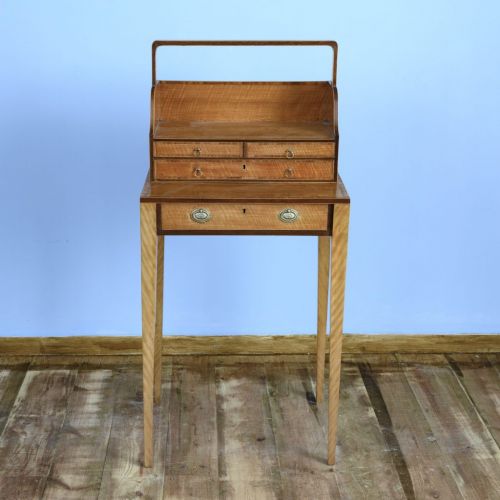
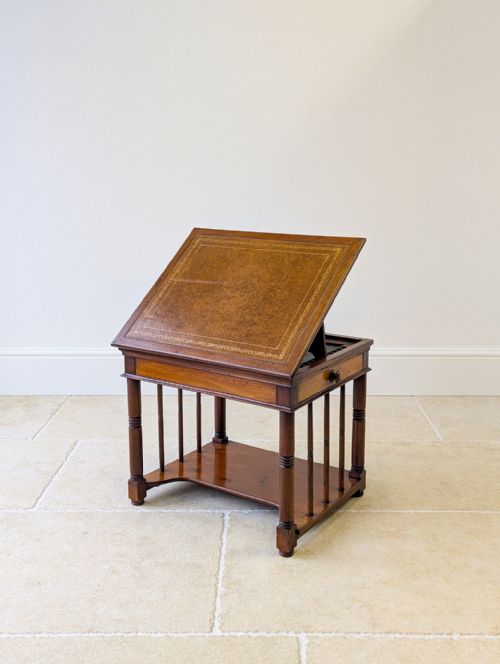
Surface decoration frequently involved satinwood inlay and painted timber details, reflecting the stylistic preferences of the Edwardian and Sheraton Revival periods. Brass components appear on select items, while leather inserts feature on specific reading tables designed for libraries.
Construction techniques balanced utilitarian storage with decorative cabinet work, joining open troughs or bookshelves directly to table frames or pedestals. Revolving mechanisms on specific book tables allowed users to access stored texts from multiple seating positions.
Antique Book Trough Table Retail Price Guide 2026
Typical asking prices for book trough table among the pieces listed under this phrase on Sellingantiques today, from the lower quarter to the upper quarter. They describe what is for sale here now, not the wider market.
These tables ensure your favourite novels have a dedicated resting place, preventing towering bedroom piles from toppling over in the middle of the night.
Distinctions in quality
Quality in an antique book trough table rests upon the selection of timber and the precision of the cabinet work. Dense grain patterns in mahogany and rosewood elevate the visual presence of a piece compared to plain or heavily painted substitutes.
The integration of decorative elements such as satinwood inlay differentiates standard utility items from finer examples produced during the Victorian and Edwardian eras. Finer pieces demonstrate seamless joinery where the trough meets the table frame, ensuring structural stability without clumsy fasteners.
The Antique Book Trough Table Glossary
- Book trough
- A V-shaped or U-shaped open container designed to hold books upright or at a slant. This feature is built directly into the top or beneath the surface of the table.
- Revolving book table
- A piece of furniture featuring a rotating tier that allows easy access to stored books from any angle. These often sit on a central pillar with spreading feet.
- Satinwood inlay
- Ornamental pieces of lustrous yellow timber fitted into contrasting darker woods like mahogany or rosewood. This technique creates geometric or floral patterns across the table surface.
- Ebonised wood
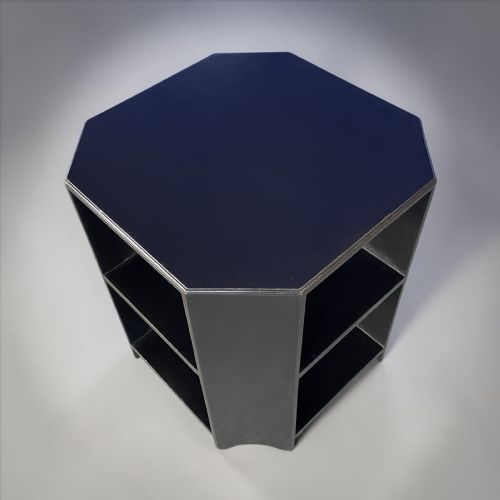
- Timber treated to imitate ebony, giving it a deep black finish. This technique was popular in Art Deco and late nineteenth-century design.
- Sheraton Revival
- A late nineteenth and early twentieth-century design movement inspired by eighteenth-century neoclassical furniture. These pieces often incorporate delicate proportions and classical motifs.
Antique Book Trough Table: Frequently Asked Questions
What is a book trough table used for?
These tables combine a flat surface for lamps or cups with an integrated open compartment for holding books. They served primarily in libraries, drawing rooms, and beside reading chairs.
Their dual function made them practical for keeping current reading material organised and accessible without cluttering the main room.
How do I date an antique book trough table?
Dating relies on identifying stylistic markers, timber choices, and construction methods associated with periods like the Victorian, Edwardian, or Art Deco eras. Details such as satinwood inlay or ebonised finishes point toward specific decades around nineteen hundred.
Comparing the hardware, secondary woods, and overall silhouette with documented examples helps narrow down the manufacturing decade.
Where should I place a book trough table in my home?
They fit naturally beside armchairs, sofas, or beds where books and reading materials gather. Their compact footprint also makes them suitable as occasional tables in hallways or studies.
Positioning them away from direct heat sources protects the timber and veneer from drying out over time.
What woods are common in these tables?
Mahogany and rosewood appear frequently throughout the nineteenth century, valued for their rich grain and durability. Satinwood and oriental walnut also feature, particularly in Edwardian and later pieces.
Some examples utilise ebonised timber to achieve a dark, uniform appearance suited to Art Deco interiors.